



AC Maintenance After a Repair in Hubbard
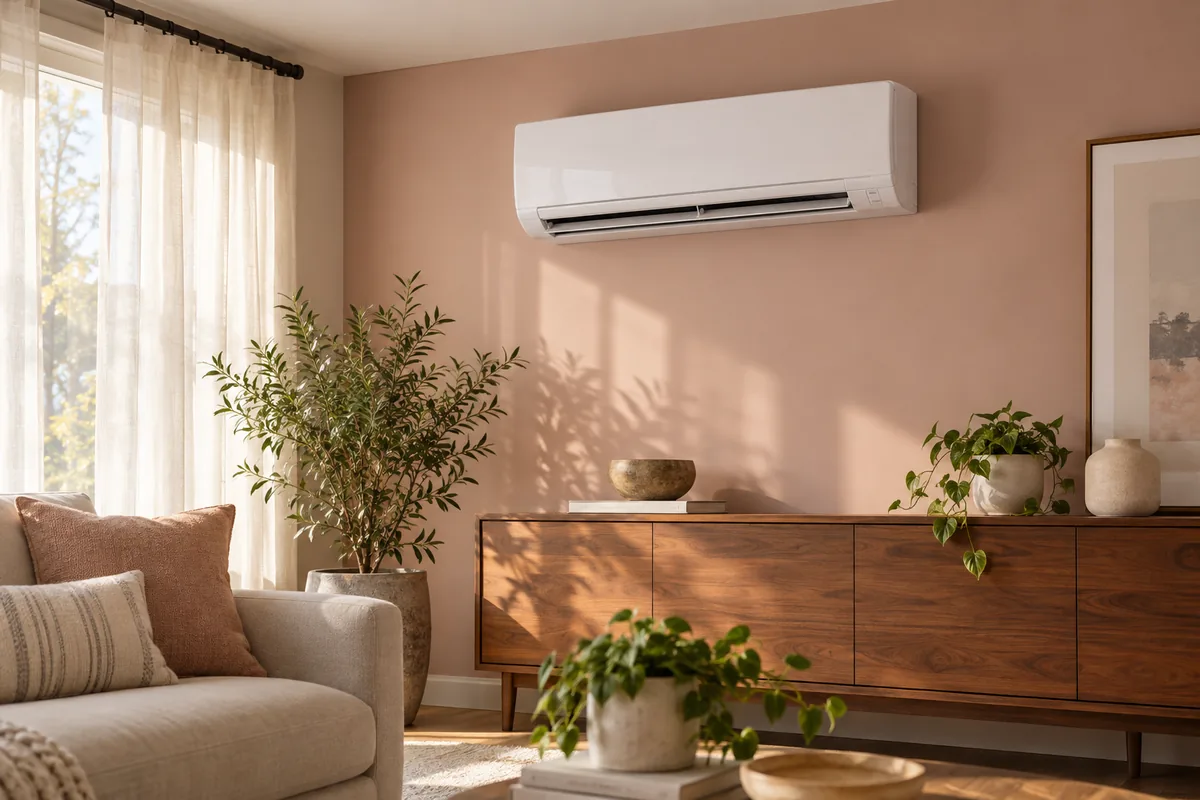
HVAC & Appliance Repair Guys provides AC maintenance in Hubbard, OR. Planned care addresses airflow, coil condition and cooling drainage according to the system’s needs. After a repair, the completed work helps show which tasks remain relevant. Describe how the AC runs now so the next visit addresses its current condition without automatically repeating recent care.
Look for the equipment, service date and completed tasks on the invoice. A part replacement does not document care of every other component. The repair may also have included maintenance that does not need immediate repetition.
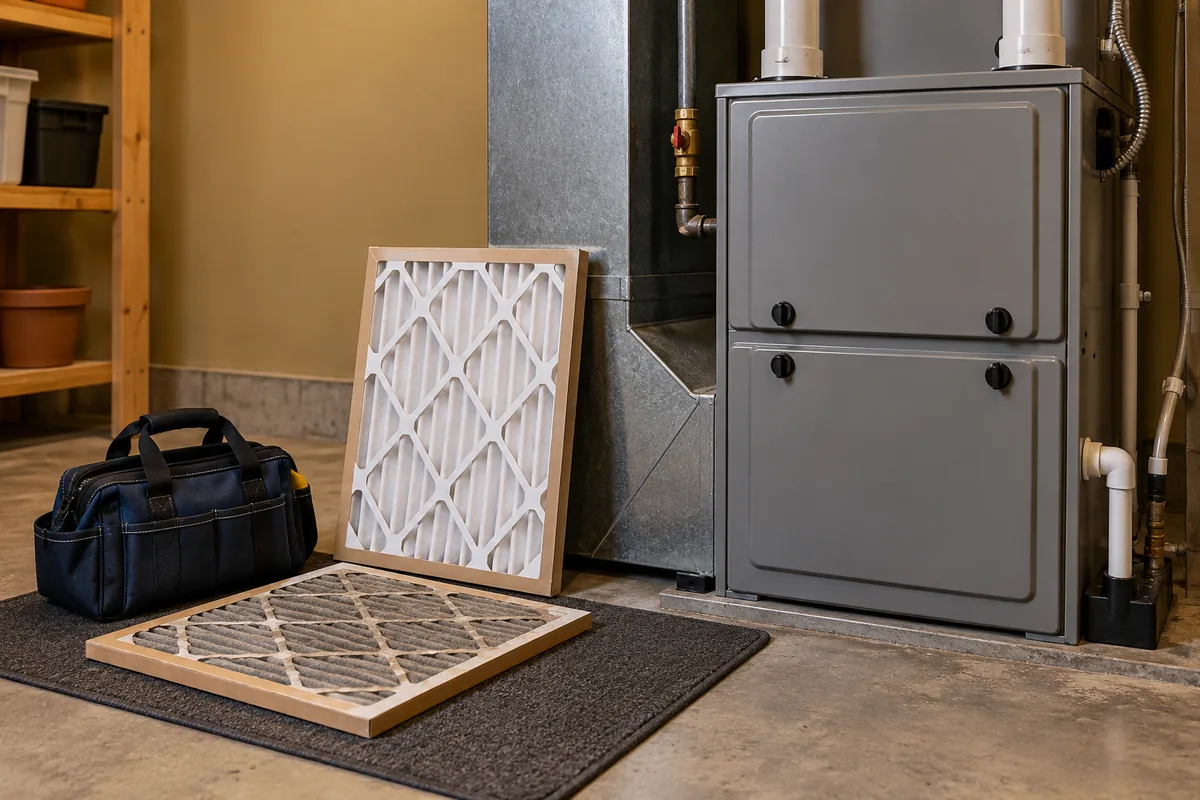
Share the record when arranging service and explain what you want the next appointment to achieve. That may be routine cooling care or help clarifying an unfinished recommendation. If another heat source also needs attention, our HVAC maintenance service in Hubbard covers the wider request.
Completed Repairs and Pending Recommendations
An invoice may list completed tasks and future recommendations. Check which is which; a recommendation alone is not a record of work performed.
Recent work may already cover a proposed task. Discuss what the current condition requires before repeating it.
Cooling Performance Since the Repair
Describe how the rooms have felt since the repair. Explain whether cooling returned as expected or whether part of the original complaint remains. Use observations from normal operation. There is no need to force repeated starts or change advanced controls to prepare a more detailed account.
If the system still has an active fault, our AC repair service in Hubbard addresses that concern. Include the earlier work and current symptom; unresolved loss of cooling requires diagnosis, even when maintenance is also due.
A new symptom also deserves its own description. State what differs from the earlier problem and when you first noticed it. Similar timing does not prove that the previous repair caused it. Keep the facts clear so the discussion can address the actual condition.
Remaining Maintenance and Further Work
Review the equipment, maintenance tasks and price before approval, including why any recently completed task needs repeating. If you are considering replacing the entire air conditioner, review AC installation as a separate project with its own equipment choice, scope and estimate.
Arrange access to each location the agreed scope includes. A repair at one unit may not have required the same access as a broader care visit. Mention locked rooms or other known limits in advance. Leave installed equipment and service covers in place.
Keep the new completed tasks and open findings with the repair invoice. Retain the scope and price of any recommendation that still needs a separate decision.
Contact HVAC & Appliance Repair Guys to request AC maintenance in Hubbard and share the recent repair record, current cooling result and care still needed.
Frequently Asked Questions
Should I request maintenance immediately after every repair?
A repair does not create one universal maintenance schedule. Review the completed work, equipment instructions and current condition. Ask which care tasks remain relevant and when they should occur. Avoid repeating finished work without a reason.
Does a part replacement renew the rest of the system?
No. Retained indoor and outdoor components keep their own age and care history. A repair can resolve a specific failure while filters, coils or drainage still need attention based on their condition.
Request AC Maintenance in Hubbard, OR
For AC maintenance in Hubbard, OR, call HVAC & Appliance Repair Guys or submit a service request through the form on this page.