



AC Maintenance and Condensate Drainage in Keizer
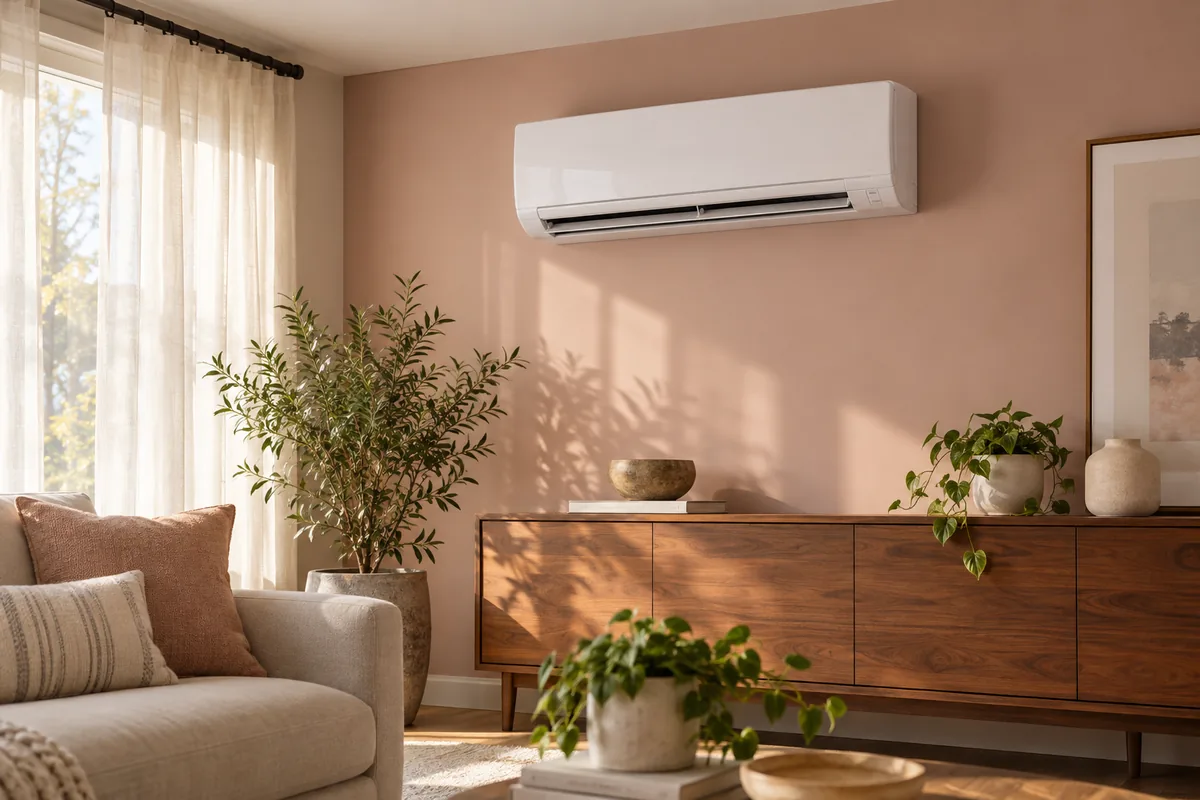
HVAC & Appliance Repair Guys provides AC maintenance in Keizer, OR. Airflow, coils and condensate drainage each contribute to normal cooling operation. Planned care should reflect their condition and the equipment’s requirements. Drainage deserves particular attention if you have noticed water near the indoor unit, even when the AC still cools.
Cooling can remove moisture from indoor air. The condensate drain carries that collected water away from the cooling equipment. Its condition is one part of the care discussion. A recent filter change does not establish what work the drainage components have received.
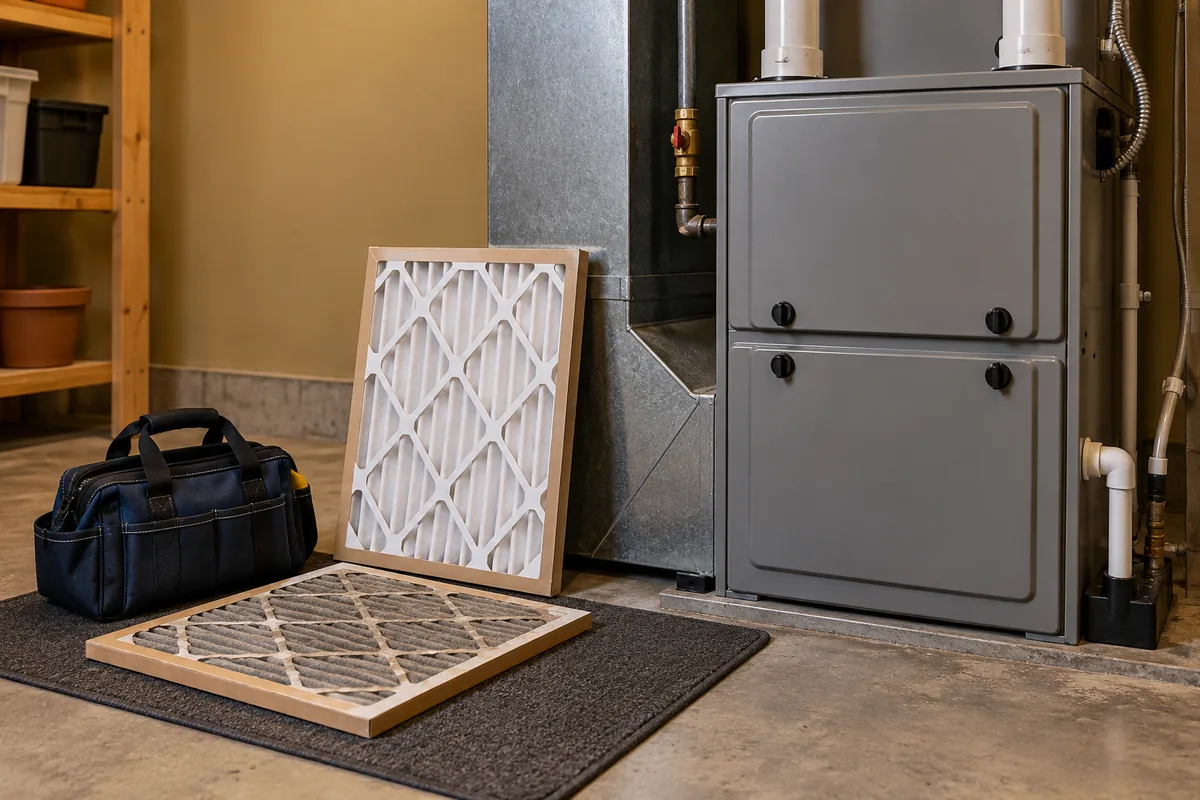
Our HVAC maintenance service in Keizer covers a broader equipment-care request. Mention any separate heating equipment you want to include. Keep the cooling drainage scope clear within that wider appointment so each planned task has a defined purpose.
Safe Access to Cooling and Drainage Equipment
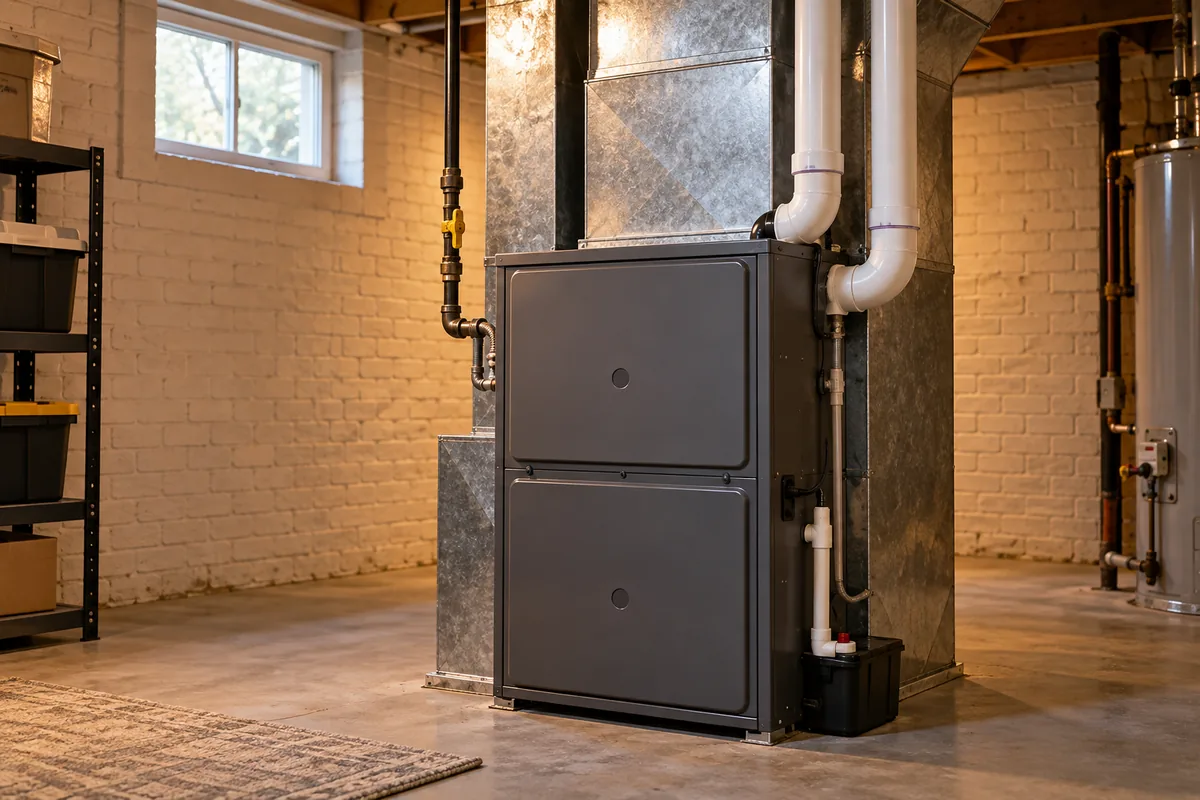
Identify the indoor equipment location and the route to it. Describe the drain connection if you know its location. Leave any uncertain pipe or fitting for the technician to identify. You do not need to follow hidden lines or remove service covers before the visit.
Mention storage, locked access or another restriction before the visit. Leave fixed equipment and connections in place; any area the technician cannot reach should remain identified in the findings.
Water Leaks and Active Cooling Problems
Tell us if water is present now, rather than describing the request only as seasonal maintenance. Note where it appeared and whether cooling was running at the time. Use what you observed during normal use. A wet area does not by itself identify a blocked drain or failed part.
Our AC repair service in Keizer addresses an active equipment problem. Include any visible ice, lost cooling or earlier work on the same concern. The assessment needs the current condition, even when routine care is also due.
Do not pour cleaners into an uncertain line or open equipment to locate a leak. Keep clear of water near electrical parts and report the condition when arranging help. You do not need to attempt a drain clearing or repair before service.
Drainage Care, Diagnosis and Repairs
Review the proposed tasks and price before approval, including which drainage components and other equipment areas are covered. Cleaning, assessing a reported leak and replacing a damaged part serve different purposes.
Corrective work needs a separate explanation, cost and approval based on the findings. Clarify any additional access or return visit it requires.
Keep dated completed tasks and open recommendations with the earlier water history. Record what the visit established and what still needs investigation.
Request AC maintenance in Keizer from HVAC & Appliance Repair Guys and mention any present or past water concern alongside the routine care you need.
Frequently Asked Questions
Does a dry area around the unit prove the drain needs no care?
A dry area is an observation from that moment, not a record of maintenance. Discuss the installed setup, service history and planned tasks. The care decision should follow those details rather than rely only on whether you see water today.
How often should cooling drainage receive attention?
The equipment instructions, condition and service history inform the care plan. Share any earlier blockage or water concern when discussing timing. Avoid applying one interval to every setup without reviewing what the system and its use require.
Can I request maintenance if a leak has already stopped?
Include the leak history in the request, even if the area is dry now. Describe its location, timing and any other symptom you noticed. Clarify whether the visit needs to assess that concern alongside routine care. A stopped leak does not explain its earlier cause.
Request AC Maintenance in Keizer, OR
For AC maintenance in Keizer, OR, call HVAC & Appliance Repair Guys or submit a service request through the form on this page.