



Midea AC Maintenance for the Installed System
HVAC & Appliance Repair Guys provides Midea AC maintenance in Portland Metro. Filter care, coil condition and drainage needs vary with the product, so identify the type before arranging service. The Midea name appears on window, portable and installed systems. A care method for one may not fit another.
Share the equipment type and model when arranging service. For a window or portable unit, confirm whether the requested maintenance is available before booking. Products under the same brand can need different tools, access and care.
Our Midea HVAC maintenance service covers a wider heating-and-cooling request. Name any other units you want included in that plan. For the AC visit, keep the cooling parts and intended tasks clear, even when the same setup also heats the home.
Filter Care for Your Midea Model
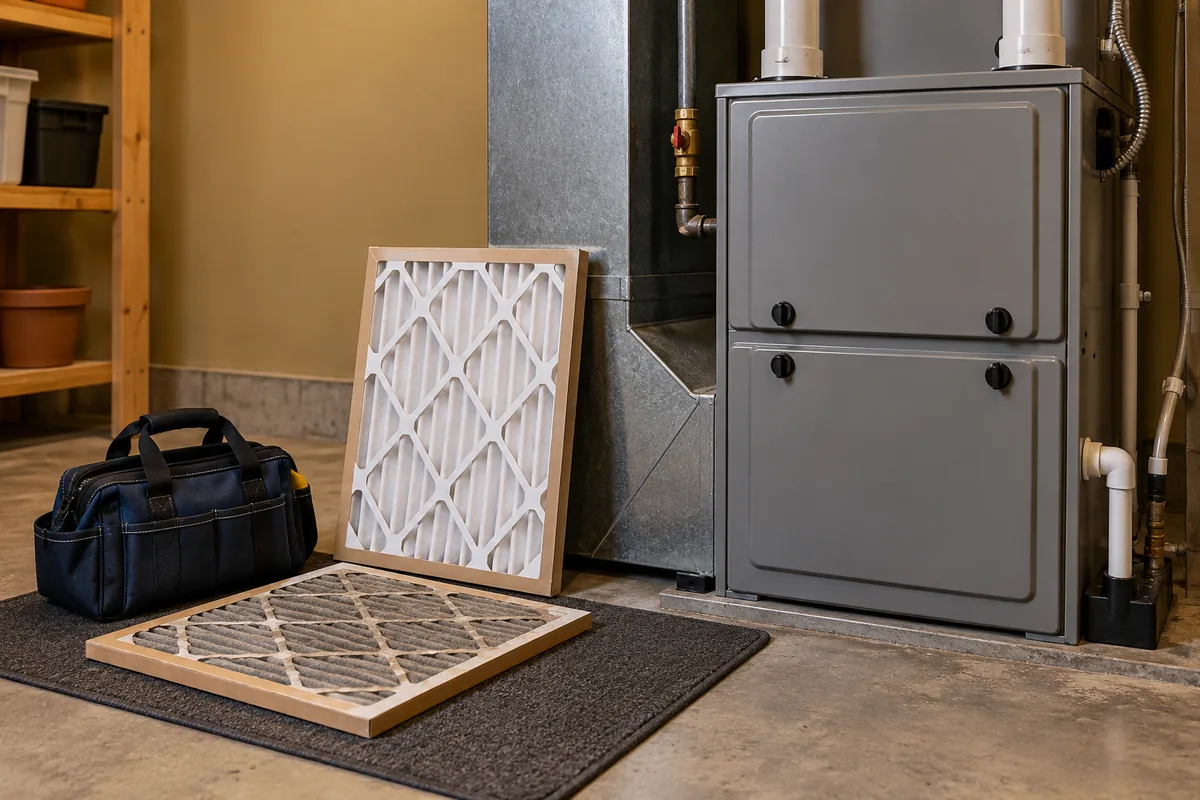
Follow the care instructions for your filter and unit. Do not wash a filter just because that method worked for another room unit. Keep the model and filter details with your service notes, and ask about anything unclear.
Record which filter you cleaned or changed and when, including the room unit or air path it serves.
If the filter location or safe access is unclear, discuss it before attempting care. Use existing model records and leave cabinets closed rather than reaching into the unit.
Indoor and Outdoor Maintenance Coverage
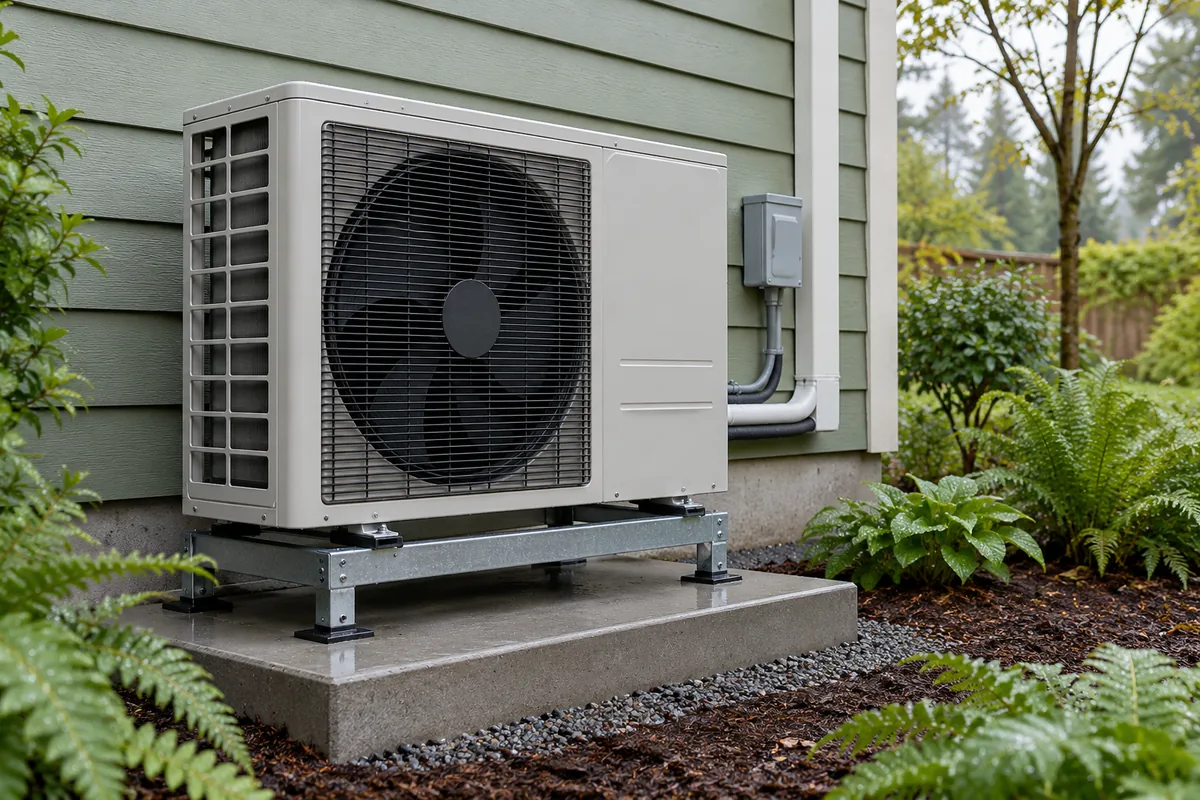
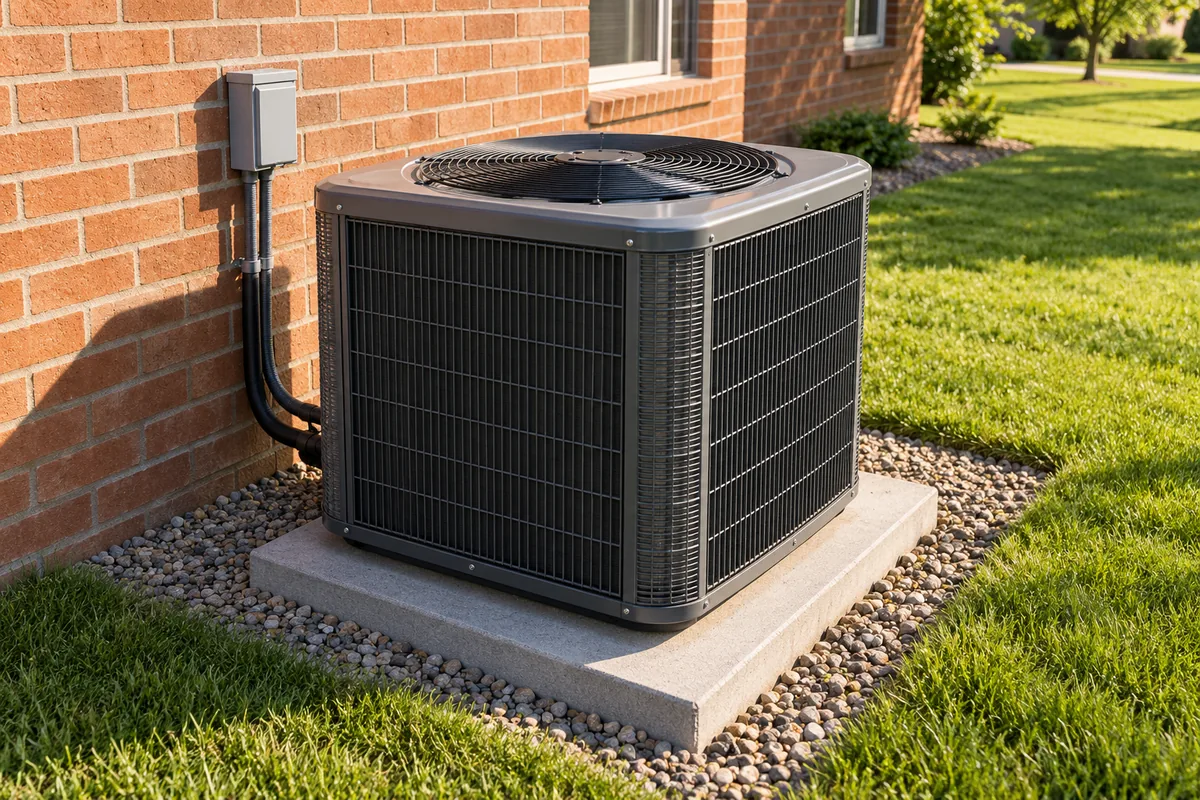
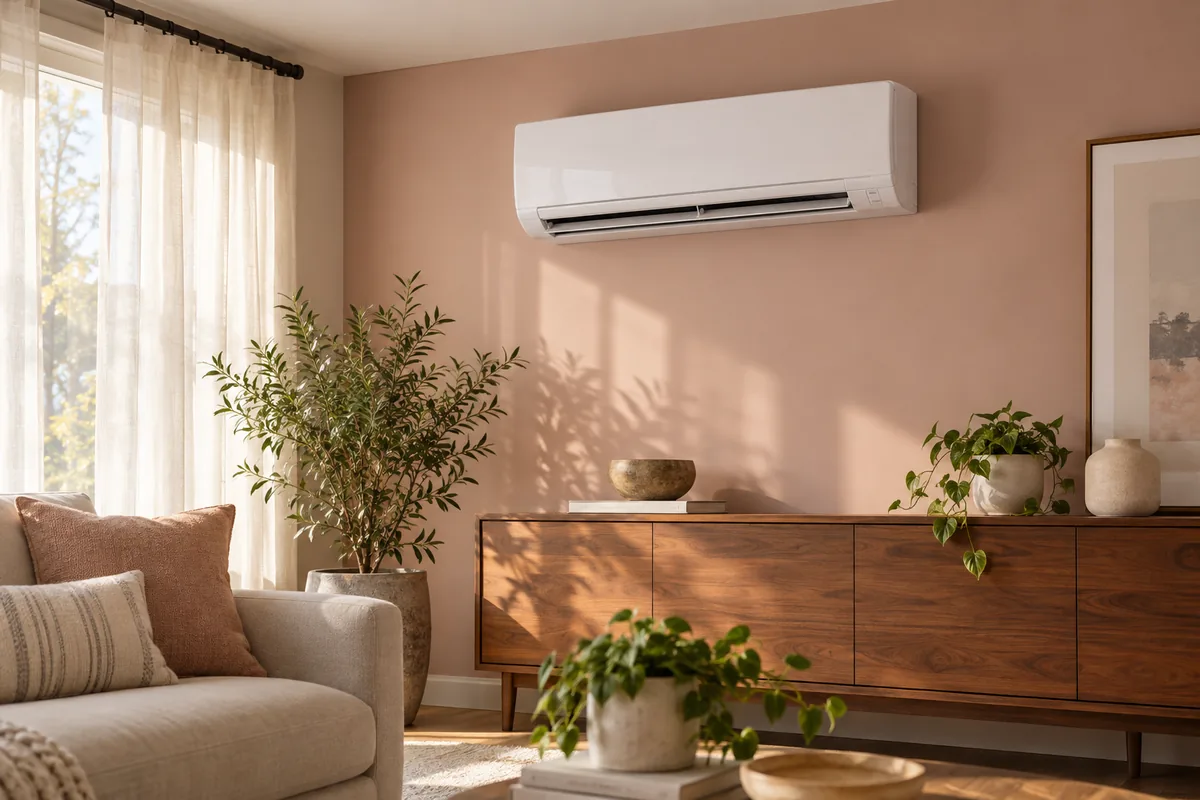
An installed system can have parts in more than one place. In some ductless setups, several indoor units connect to one outdoor unit. Other systems use a different arrangement. Tell us which rooms the system serves and which units you know about, while leaving uncertain links open for review.
Ask which indoor and outdoor units the visit includes. Care for one room unit does not automatically cover every connected component.
Filter care, coil inspection and cleaning are separate tasks. Review the proposed work and price before approval; equipment condition and access affect which tasks are appropriate.
Safe Access to Each Unit
Some indoor units are easy to see, while other parts may sit in a closet or above a ceiling. Describe the location and any limit on access. You do not need to climb to a label or remove a panel first. Use the details already available to you.
Include the outdoor location and the control you normally use. If the service request covers more than one room, explain how to reach each area. Arrange any needed entry with the person who can provide it. Access to one room should not stand in for access to all the planned equipment.
A product guide may describe care for a unit in a different setting. That does not establish safe access or the right method at your home. Discuss the installed model and location with our team. Leave internal work and questions about the setup for the service assessment.
Active Faults and Cooling Performance
Say whether the system currently provides the cooling you expect. If a room no longer cools, describe that result and when it changed. Keep any visible message in the same account. You can report the problem without naming a failed part or testing the unit through repeated resets.
Our Midea AC repair service addresses an active fault. A filter task may be due while a separate problem also needs assessment. Make both parts of the request clear. Routine upkeep should not hide the reason the system no longer works as expected.
If you completed a normal care task, describe airflow and room cooling afterward. An improvement in one does not explain every remaining concern; further work should follow current findings.
Ongoing Care for Each Model
Keep completed tasks and open findings with the correct unit and model. For unfinished work, retain its reason and proposed next step.
Set future reminders for the actual task and unit they concern. Use the applicable care guidance and service findings when discussing timing. Avoid copying an interval from a window unit to an installed system. Their shared brand does not make their care needs identical.
Contact HVAC & Appliance Repair Guys to discuss Midea AC maintenance for your installed system; share its type and model, the units involved and any cooling concern.
Frequently Asked Questions
Does each indoor room unit need a separate service request?
Explain all the units and served rooms you want included, then review the scope. Some indoor units may share outdoor equipment. Do not assume either a separate visit for every room or automatic coverage of the whole setup.
What if I have only the model of a portable or window unit?
Share the product type and model before arranging work, and confirm service for that specific window or portable unit. Service for installed systems does not establish coverage for every Midea product.
Does filter cleaning prove that the cooling system needs no other care?
No. It records one task for the relevant filter. Other parts may have their own care needs or open findings. Keep the completed work specific and discuss the rest of the proposed scope.
Request Midea AC Maintenance in Portland Metro
For Midea AC Maintenance in Portland Metro, call HVAC & Appliance Repair Guys or submit a service request through the form on this page.