


AC Repair in Aloha, OR
HVAC & Appliance Repair Guys provides AC repair in Aloha, OR for warm air, weak airflow, recurring ice and systems that stop unexpectedly. We assess the cooling equipment and explain the repair options. Tell us whether cooling fails from the start or fades after the unit has been running.
A useful starting point is the change you notice during normal use. The first air from the vents may feel cool, yet later the rooms grow warmer. In another case, the air may stay cool but the flow becomes weaker. These are different observations, even though both leave the home uncomfortable.
Describe when the change begins and whether the thermostat still calls for cooling. You can request a visit without knowing which part has failed; the equipment checks establish the repair and price for your approval.
Airflow and Room Temperature
For a ducted system, notice whether weak flow affects the whole home or only certain vents. If several rooms change together, tell us when that happens. If one room stays warm while others cool, identify that room rather than describing the entire unit as dead.
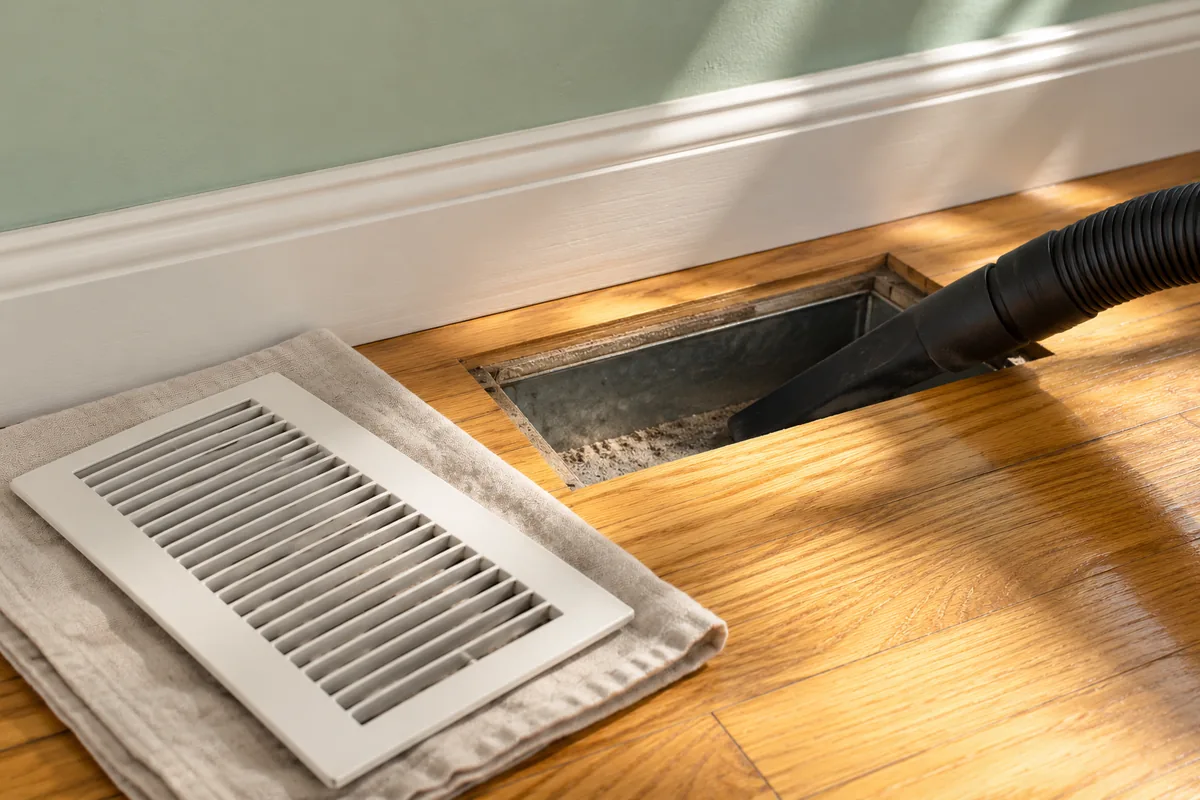
Changes around a return grille can also matter. Mention furniture that now stands nearby or a different filter type from the one you used before. These details give the technician context for checking the air path. A filter change alone does not establish the cause of a cooling failure.
If heating also has poor airflow, include that history. The indoor blower or air path may serve both modes. Our HVAC repair service in Aloha covers broader heating and cooling concerns when the request extends beyond the AC.
Recurring Ice Needs More Than a Thaw
Visible ice can accompany a loss of cooling or airflow. Restricted air movement and refrigerant-side problems are among the possible causes. The technician needs to identify the cause. A frozen coil does not point to one repair in every case.
Stop cooling operation if you see ice and arrange an assessment. Do not scrape it away, heat the tubing or open the cabinet to reach a frozen coil. Tell us where the ice appeared and whether you also noticed water around the indoor equipment.
A thaw may remove the visible ice without removing its cause. If cooling returns briefly and then fades again, include that sequence in the request. The recurrence matters to the diagnosis; it does not prove that a particular part needs replacement.
Safe Access for the Aloha Repair Visit
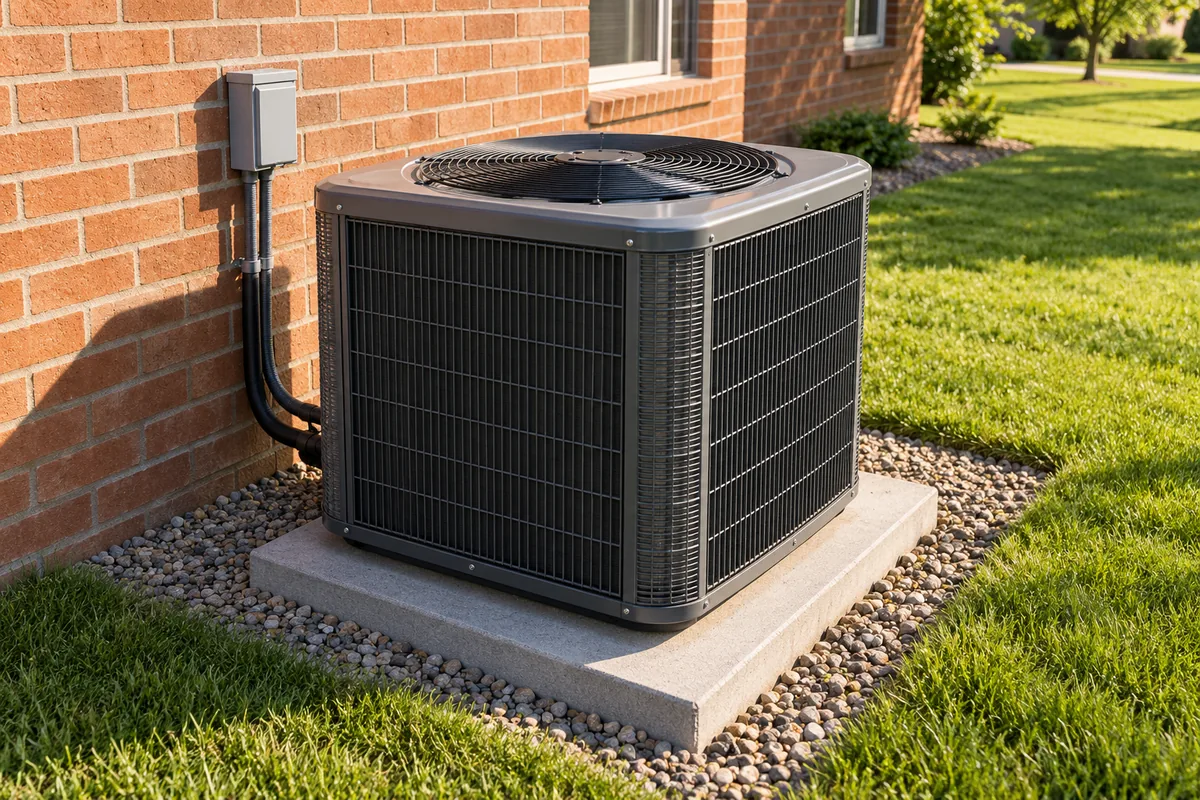
Provide the service address and describe the indoor and outdoor equipment locations. If a label is safely visible, the brand and model can help identify the setup. There is no need to climb, enter a tight space or remove a cover to collect a number.
Access may involve more than the outdoor unit. The thermostat, indoor cabinet and return area can be relevant to the complaint. Arrange access to those places and explain any locked gate or room before arrival. Keep the route clear so the technician can assess the equipment.
For a problem that comes and goes, a brief note from an earlier occurrence is useful. Include the displayed room temperature, the setting and what changed. Do not repeatedly restart the system to recreate a fault for a video or to keep it cooling.
Repair Options, Price and Completion Timing
Review which findings support the repair, what still needs testing and whether the work requires a return visit. An uncertain item is not yet a confirmed repair.
Cooling problems do not automatically call for new equipment. The condition of the system, earlier failures and the proposed repair all belong in the discussion. If replacement is worth considering, an AC installation estimate offers a separate comparison. The on-site estimator visit for installation or replacement is free.
For repair work, confirm the scope and price before giving approval. Ask whether the proposal covers the full repair or an initial stage. Equipment details, access and parts availability can affect the next step. A symptom description alone may not establish a final price.
Same-day service is subject to availability. Parts or further work may require another appointment; clarify the remaining task and next scheduling step.
Care After the Cooling Repair
After the repair, ask what the cooling check showed and whether any follow-up is needed.
Scheduled AC maintenance is a separate option for routine care. It should not replace a repair request when cooling fades or ice returns. After we assess the active fault, discuss suitable care for the equipment and its condition.
Request AC repair in Aloha from HVAC & Appliance Repair Guys and describe whether cooling fails immediately, fades during a run or returns only briefly.
Frequently Asked Questions
What if the AC works normally when the technician arrives?
Explain the earlier sequence and provide any notes or safely taken display photos. An intermittent fault may need further observation or testing. Ask what the visit showed and what still needs testing. An earlier symptom alone may not justify a replacement part.
Should I turn the thermostat much lower when cooling slows?
A lower setting does not identify or repair a fault. Leave the reported setting and room temperature in your notes so the technician can understand the complaint. If ice, leaking water near electrical equipment or repeated shutdowns appear, stop using the system and arrange a review.
Does the outdoor fan running mean the AC is working?
The fan is only one part of the cooling system. Its movement does not confirm that the equipment is removing heat as intended. Describe both the outdoor behavior and the indoor result without reaching through the grille or opening the unit.
Can a tenant arrange access for the repair?
Tell us who controls equipment access and who can approve the work. A tenant may know the symptoms while another person handles approval. Having those details ready helps prevent the visit from stopping when the diagnosis leads to a repair decision.
Request AC Repair in Aloha, OR
For AC repair in Aloha, OR, call HVAC & Appliance Repair Guys or submit a service request through the form on this page.