

Amana AC Repair for Lost or Uneven Cooling
HVAC & Appliance Repair Guys provides Amana AC repair in Portland Metro for cooling loss, weak airflow, water and repeated stops. We check the installed equipment before recommending work. If the system cools briefly and then falls behind, tell us what changes during the run so the visit addresses more than a successful startup.
Your account can be simple: when you first noticed cool air, what changed next and whether the room temperature rose. Keep any change in airflow separate from a change in air temperature. If the equipment stopped entirely, say which part went quiet. These details describe the fault without naming a failed component.
A return to cooling after a pause does not settle why it failed earlier. Include both periods in the service request. You do not need to keep restarting the unit or reproduce the failure before an appointment. The technician can use your observations alongside the checks the equipment condition allows.
Airflow and Cooling Loss
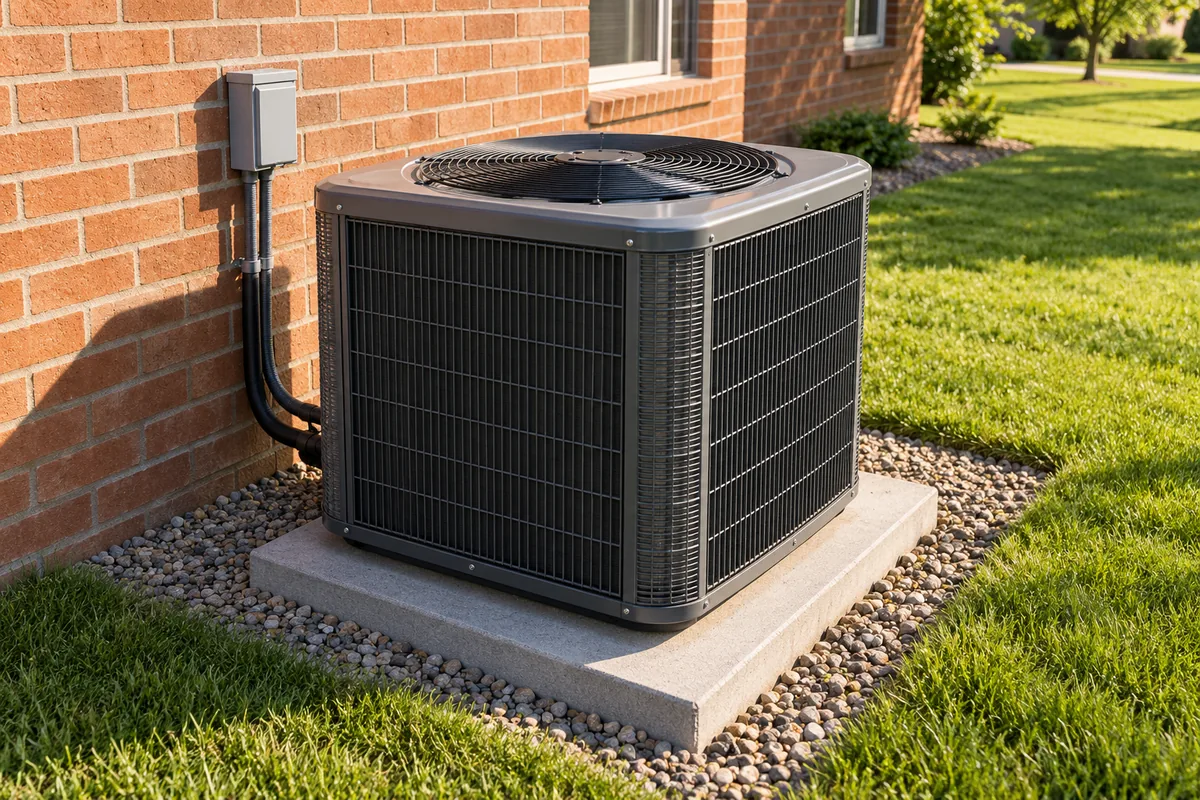
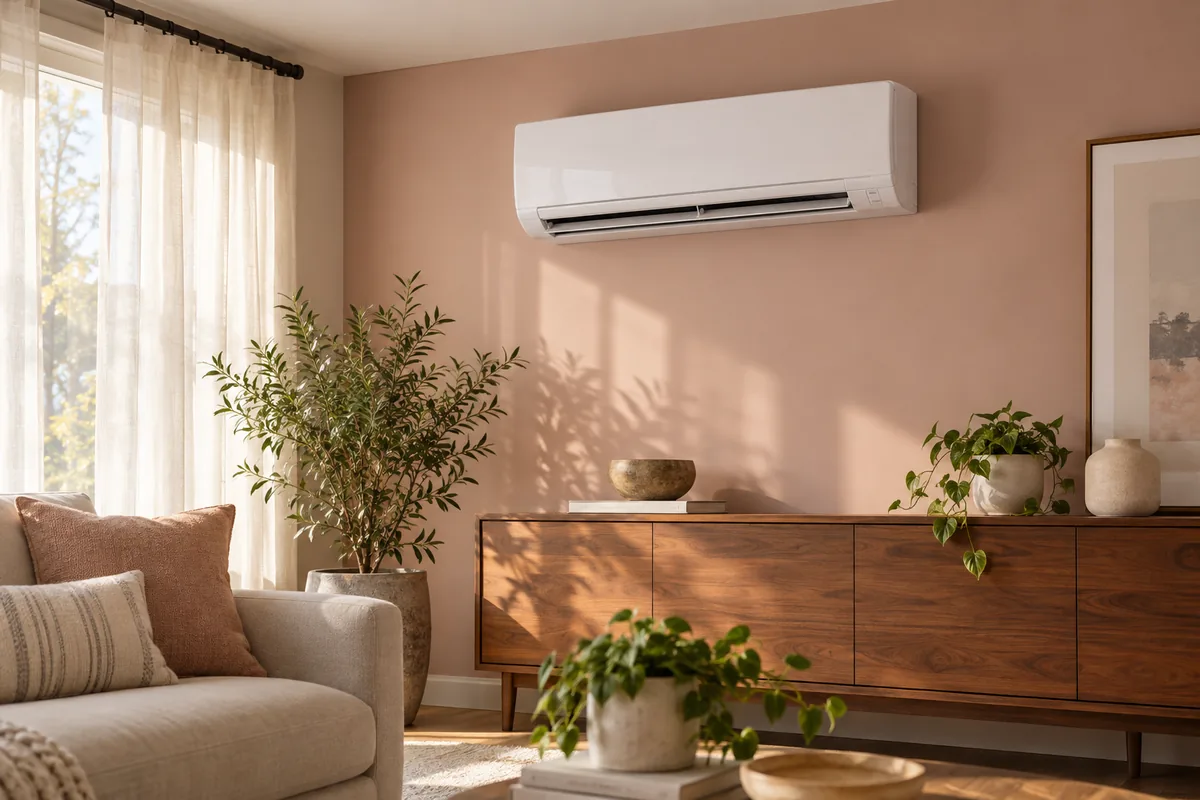
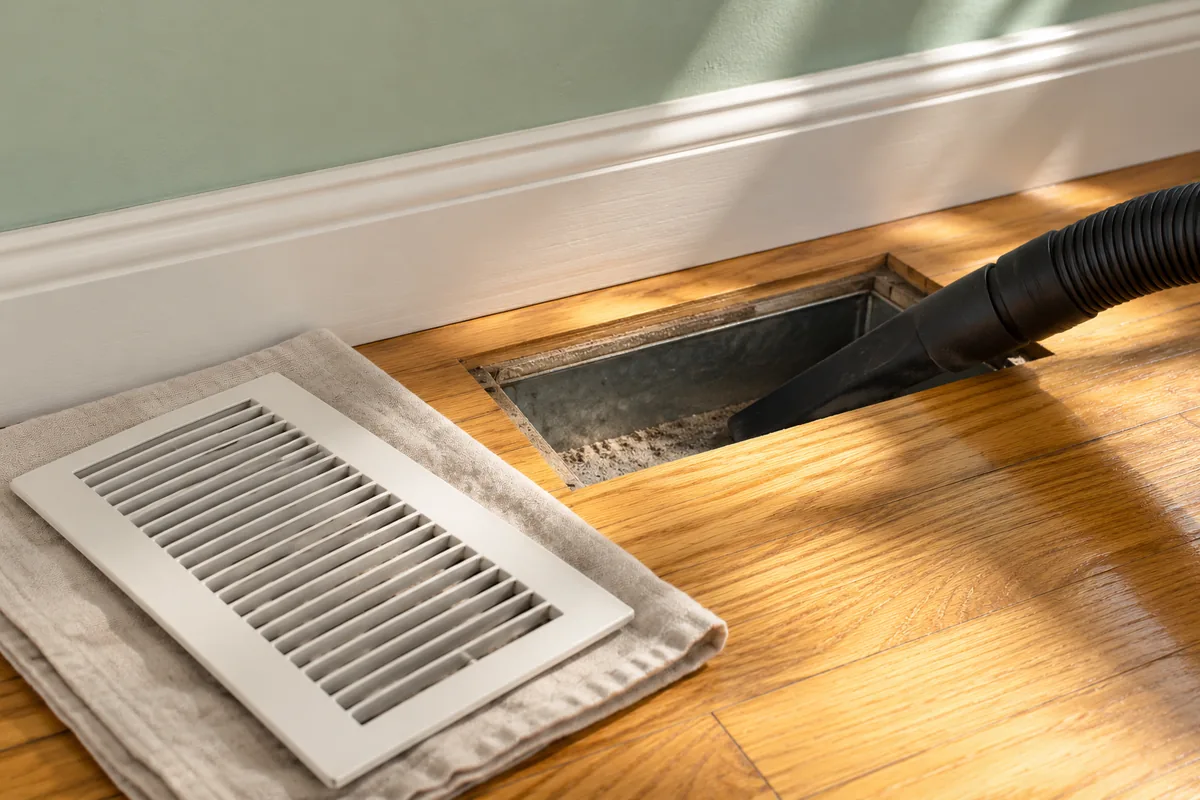
In a typical central system, the indoor coil absorbs heat while the blower moves air through the home. The outdoor unit and refrigerant circuit complete other parts of the cooling process. Air movement at a vent is therefore only one result. It does not prove that the system still removes heat as intended.
If flow weakens during a run, report whether it affects every served room or a limited area. Note any visible ice without opening equipment. Airflow problems can contribute to icing, but that is not the only possible cause. Stop cooling if ice appears and arrange an assessment rather than trying to force it loose.
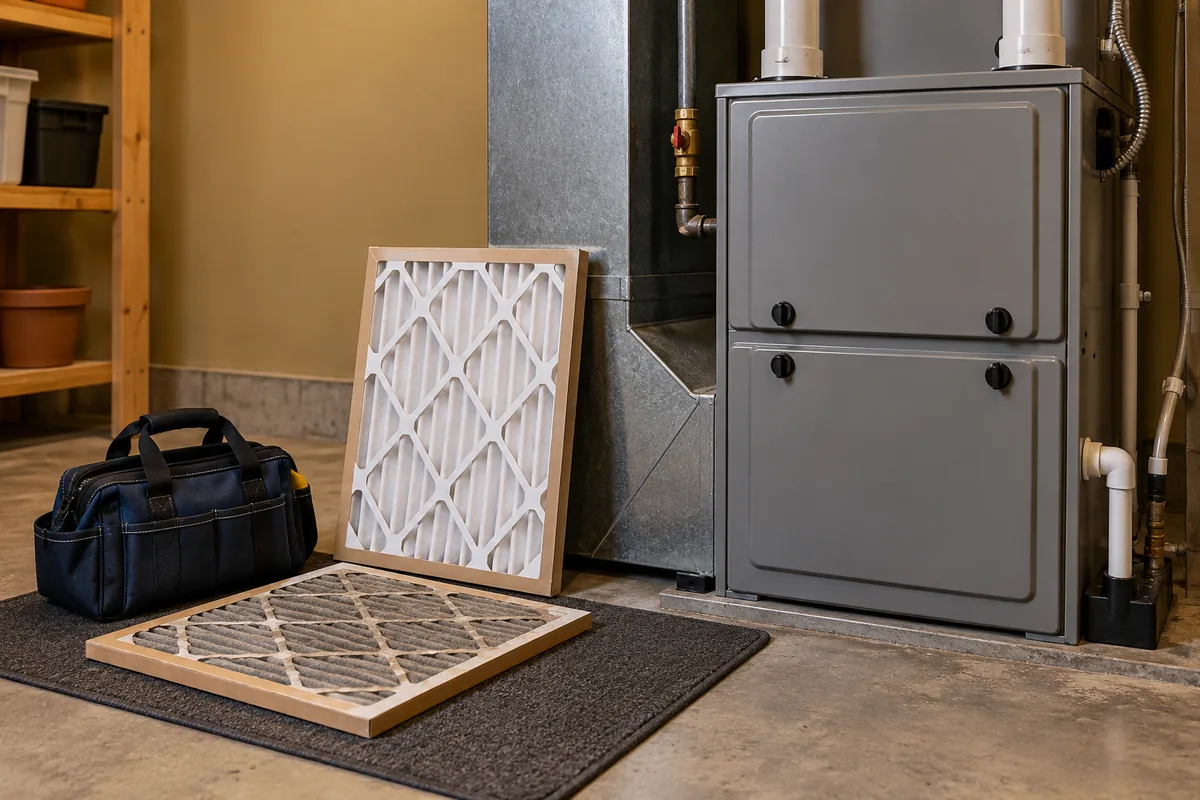
If airflow stays strong but turns warm, describe that pattern instead. The technician needs to distinguish a loss of air delivery from a loss of cooling. A new air filter may address a care need without resolving the whole complaint. Mention its change date and whether anything improved afterward.
Water location also matters. Explain whether you saw it at the indoor cabinet, near a drain or farther from the unit. Keep clear of wet electrical parts. The place and timing help define the concern, but they do not confirm a drain, coil or refrigerant fault by themselves.
Control Responses and Display Messages
Record the visible mode, requested temperature and room temperature when cooling fades. A screen may continue to request cooling even when the equipment cannot deliver it. Note a message exactly as it appears. Do not clear it, enter setup menus or alter wiring to test an explanation.
Some Amana systems have controls with built-in diagnostics, while other models use a different arrangement. The control name and equipment model help interpret the response. A feature on one model is not proof that your system has it. A displayed alert guides the assessment; it does not supply a complete repair order.
If the same event also affects heating or fan control, include that detail in the request. Our Amana HVAC repair service covers the wider system concern. Keep the cooling sequence specific so the broader assessment still addresses the fault that prompted the visit.
Intermittent Faults and Unconfirmed Causes
If the system works normally at arrival, the earlier sequence can help guide testing. The technician will explain what the checks establish and whether the intermittent fault needs further observation.
Share earlier work and what changed afterward. Improved airflow with continued poor room cooling is a different result from full recovery, even if the technical cause remains unknown.
A refrigerant recommendation should follow an assessment of the cooling circuit. In a normal closed circuit, refrigerant does not act like fuel that the system uses up. A low level calls for an explanation of the findings and proposed work. A routine top-off should not replace that discussion.
If a part, access limit or intermittent condition prevents completion, ask what remains and how the next visit will address it.
Repair Options and Routine Care
Review the repair, price and any optional care before approval. Each proposed task should address a diagnosed fault or a clearly identified care need.
Our air conditioning maintenance service covers routine care. A tune-up does not rule out a later fault or replace assessment of a current failure; report the active symptom when booking.
If you also want to compare replacement, our AC installation service covers that separate project. The on-site estimator visit for installation or replacement is free. Repair diagnosis has a different purpose. Compare the supported repair with the equipment and work included in the replacement proposal.
Same-day appointments may be available. Some repairs require a part or a return visit. We will explain what remains to be done and the next scheduling step.
Service Access and Repair Checks
Arrange access to the indoor unit, outdoor equipment and controls. If someone else will meet the technician, share the symptom history and identify who can approve work.
For cooling that fades only after a longer run, ask whether the completion check covered that pattern and what to report if it returns.
Contact HVAC & Appliance Repair Guys to arrange Amana AC repair and describe the cooling sequence, display messages and any ice or water you observed.
Frequently Asked Questions
What if I do not know how long the cooling lasted?
An estimate is useful if you label it as an estimate. Describe the order of events and any display message you saved. You do not need a precise timer record to explain that strong cooling faded later.
Should I assume a second visit means a new problem?
No. Ask whether the return visit completes planned work, checks an unresolved concern or addresses a different symptom. The purpose should be clear in the service record. A visit count alone does not explain the condition of the equipment.
Can I keep an old part number as the basis for the repair?
Share it as history if you have it. The technician still needs to confirm the current equipment and fault before selecting a part. A previous part number does not prove that the same component has failed again.
Does a brief recovery mean I can cancel the service request?
A recovery does not explain a recurring failure. Tell us how the behavior changed so the appointment can address the current condition. Avoid repeated restarts as a test, and describe any ice, water or other concern that remains.
Request Amana AC Repair in Portland Metro
For Amana AC repair in Portland Metro, call HVAC & Appliance Repair Guys or submit a service request through the form on this page.