



AC Repair in Canby, OR
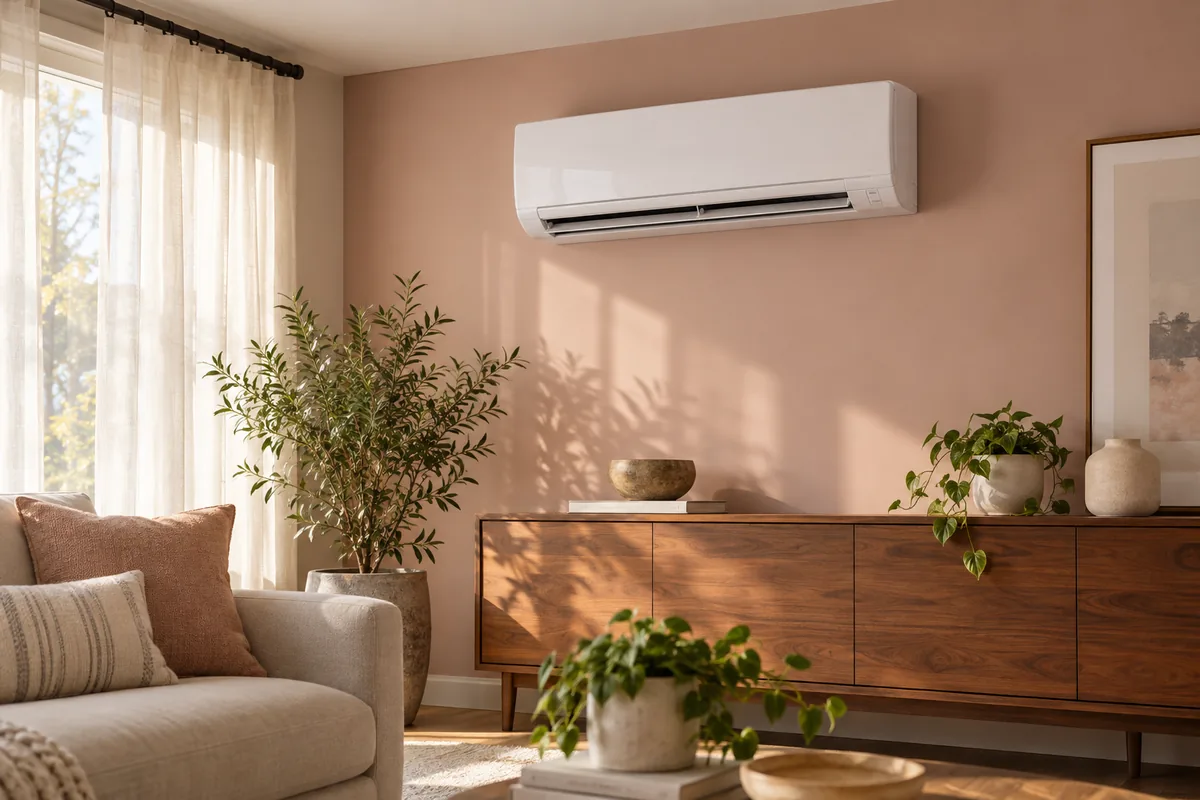
HVAC & Appliance Repair Guys offers AC repair in Canby, OR for lost cooling, weak airflow, repeated stops and water around indoor equipment. We check the reported fault and explain the repair options before you approve the work.
Describe whether the unit stays off, runs without cooling or loses performance during a run. A fan can move air while the cooling system has a fault. Weak flow throughout the home needs a different description from one warm room, so identify the affected areas and any recent filter or control change.
If water accompanies the problem, note where it first appears and whether airflow or cooling changed at the same time. The technician needs to establish the source as well as the cooling fault.
Condensation, Drainage and Ice Have Different Roles
An air conditioner removes moisture from indoor air while it cools. A drain system carries that condensate away. Water collecting where it should not can involve a restricted drain or a damaged pan. The location of the wet area alone may not reveal which part needs attention.
Ice melting from a frozen coil is another possible source of water. In that situation, checking drainage alone may leave the reason for the ice unresolved. Mention any earlier frost or cooling loss so the assessment includes the whole sequence.
Stop using a system that leaks indoors and keep clear of wet electrical equipment. Do not open panels, pour chemicals into an unknown line or try to clear a drain with an improvised tool. Describe the visible area and arrange a repair assessment.
Equipment Access and Water Location
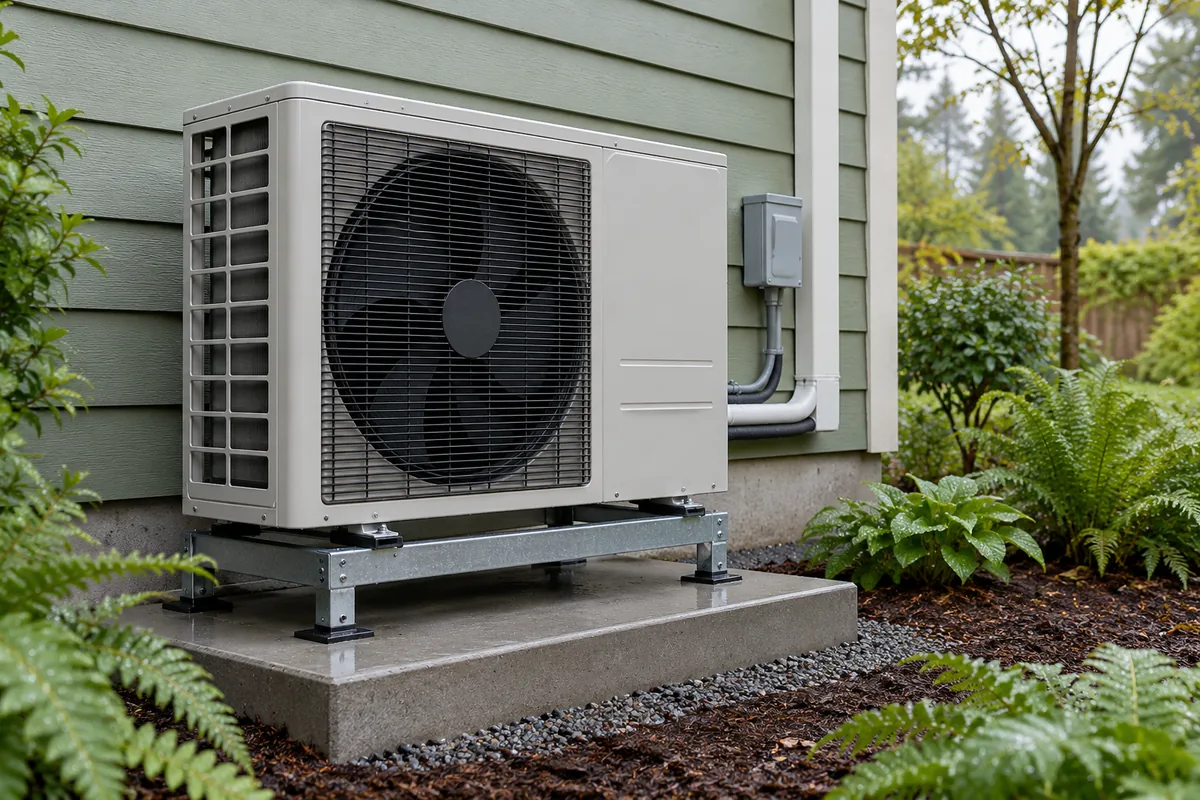
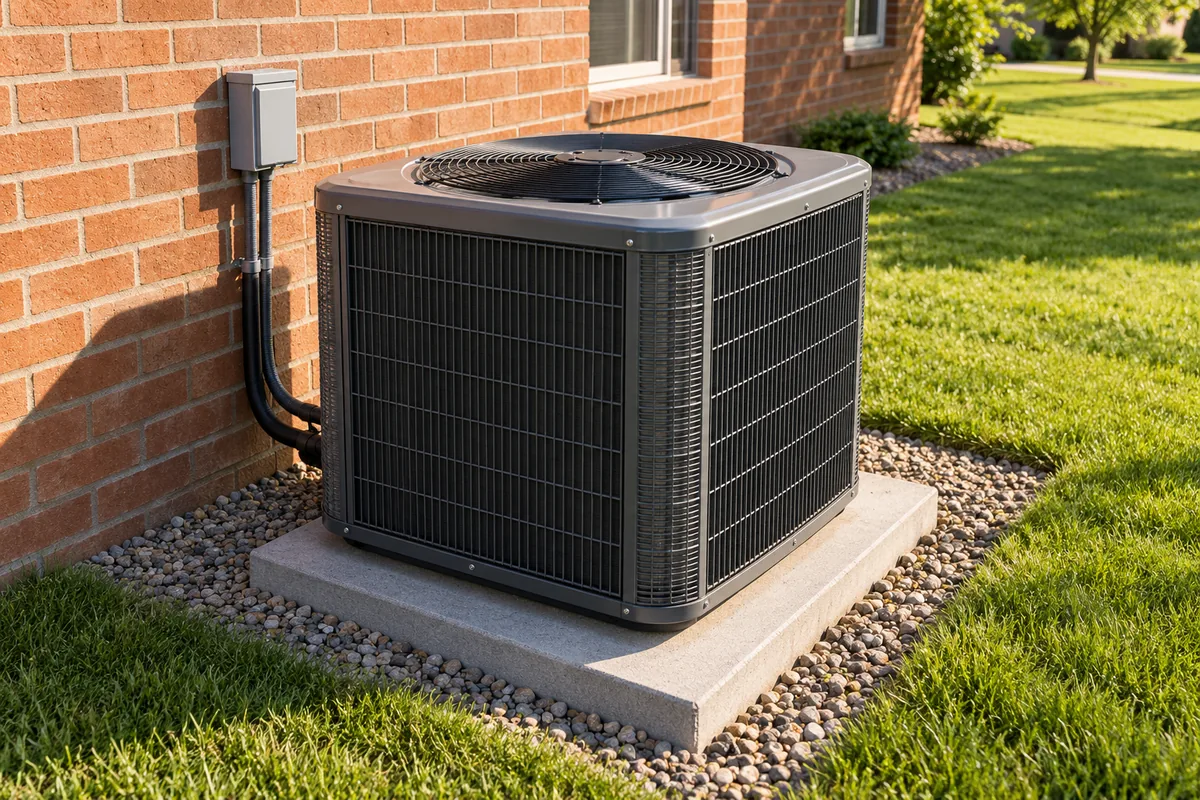
The Canby service request should identify the indoor unit location as well as the outdoor equipment. A thermostat and a visible drain route may also be relevant. Let us know about locked rooms, gates or other limits on access before the visit.
If the water appears in another room or on a ceiling, explain that location too. The technician needs to understand both the equipment complaint and where you noticed the moisture. Avoid climbing or entering an unsafe space to trace the source yourself.
Have any recent repair notes available, especially if earlier work involved the same leak. Tell us whether the water ever stopped and how long the improvement lasted. That history helps frame the new assessment without assuming the earlier diagnosis or repair was wrong.
Diagnosing Cooling and Water Faults
Review the diagnosed cooling or water fault, the proposed repair and its price before approving work. If further testing is needed, discuss what it aims to establish and how the findings will guide the repair.
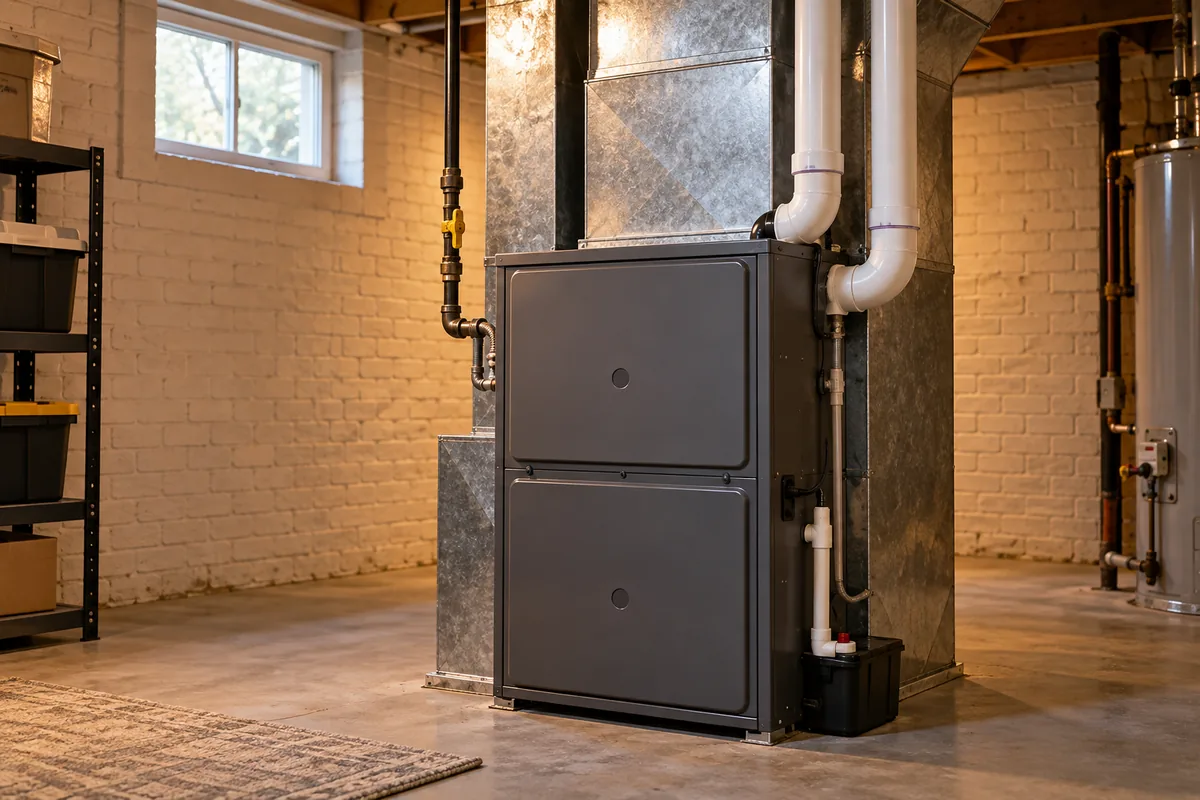
Water near shared indoor equipment can raise questions beyond AC operation. If you notice a separate heating problem, describe it as part of the request. Our HVAC repair service in Canby covers the broader equipment assessment when both heating and cooling need attention.
Repair Cost, Parts and Timing
Access, the equipment model and required parts can affect completion. If a part order is needed, discuss the remaining work and the next visit.
Same-day service is subject to availability. An appointment does not guarantee that every repair will finish on that date. Ask whether you can use the system after the assessment. Keep it off if the technician directs you to wait for further work.
A leak does not automatically require replacement. If the findings support a wider comparison, an AC installation estimate can define the alternative. The on-site installation or replacement estimate is free; repair diagnosis is a separate service.
Recurring Leaks and Future Care
If water appears again after repair, note whether it returns to the same place and when it occurs. Keep any follow-up recommendation with the service record.
Routine AC maintenance can include attention to the cooling equipment and its drainage needs. Arrange planned care after we assess the active fault. Report a recurring indoor leak as a repair concern. Do this even if you already have a maintenance appointment.
Contact HVAC & Appliance Repair Guys to request AC repair in Canby and describe the cooling problem, water location and when the leak appears.
Frequently Asked Questions
Does clear water mean refrigerant is leaking?
The water that forms during cooling is condensate; a puddle is not proof of a refrigerant leak. Refrigerant-related faults can contribute to coil icing. The technician must test the system to establish that. Report the water and cooling behavior rather than asking for a refrigerant refill based on the puddle.
Can the AC need attention even if the rooms still feel cool?
Yes. Cooling performance does not establish that water is draining correctly. Describe the leak even if the thermostat reaches its setting. Continued indoor leakage needs assessment rather than waiting for the cooling to fail as well.
What if I cannot tell which equipment is leaking?
Tell us where you first noticed water and which equipment is nearby. A safely taken photo can help explain the location. The visit may need to establish the source before there is enough information to recommend an AC repair.
Request AC Repair in Canby, OR
For AC repair in Canby, OR, call HVAC & Appliance Repair Guys or submit a service request through the form on this page.