



Commercial Freezer Repair in Lake Oswego
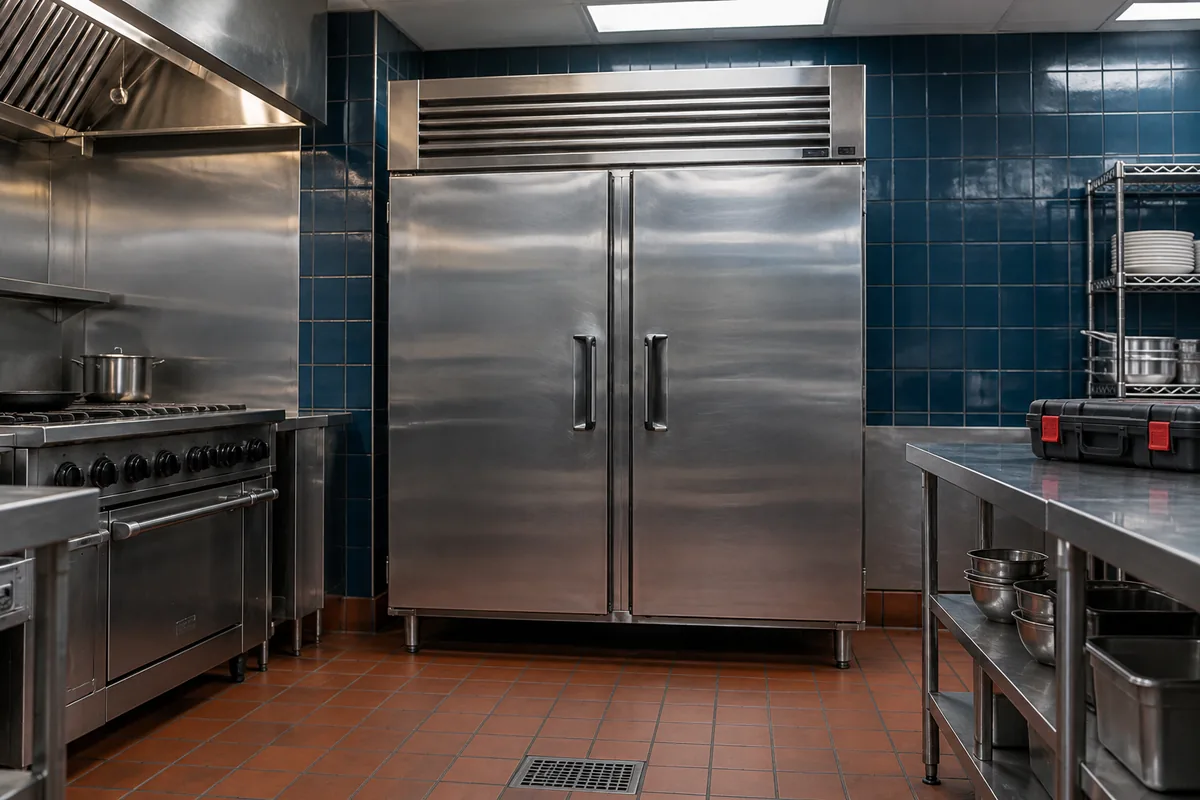
HVAC & Appliance Repair Guys provides commercial freezer repair in Lake Oswego, OR for warming, door problems, warnings and changed operation. We assess the current fault before proposing work. If trouble follows earlier service, send the model and describe how the unit ran after that repair.
The same warning does not always mean the same part has failed. A cabinet that ran warm last month may now have a door problem or a different fault. Describe the present behavior in plain terms. Avoid treating the name on an old invoice as the diagnosis for a new request.
Current Symptoms and Recurring Faults
Begin with today’s symptoms: a dark display, long running periods without normal cooling, prolonged stops, a code or a new sound. Record when the change occurs.
Describe how the freezer ran after the last repair: normal operation for weeks, brief improvement or no recovery. These different histories help assess the current complaint without assuming one cause for every fault.
Keep readings with the method used to obtain them. A cabinet display and a separate check may reflect different points in the unit. Do not combine those figures into a single trend without noting their source. No single number can establish the cause or condition of stored goods by itself.
Our commercial refrigeration repair in Lake Oswego covers chilled equipment. For a separate ice machine with an output problem, see commercial ice machine repair. Provide each affected appliance’s own model, symptoms and operating history.
Earlier Repair Scope and Warranty Terms
Share the earlier finding, date, completed work and any open part order. An invoice for a limited task does not mean every issue was repaired.
Mention later changes to controls, use or placement. The technician assesses the present equipment alongside that history.
Do not assume new work falls under an earlier warranty. Terms depend on the actual agreement and repair. Ask about any applicable coverage with the record in hand before approving further costs. We do not promise a free return visit or a fixed outcome based only on a prior invoice.
Cabinet Condition, Capacity and Access
A repair decision involves more than a single component. Describe visible door damage, a poor seal or a cabinet that no longer closes as it should. Note whether the current fault appears only during busy use or also during quieter periods. These observations give the assessment a broader context.
Tell us if the freezer still fits the business’s normal storage needs. A plan to change its use or replace it with a different type of equipment belongs in the discussion. Repair can address a fault within an agreed scope. It does not automatically solve a capacity or layout problem.
For fitted units, describe the access to the cabinet and any fixed counters nearby. Do not pull out a connected appliance to inspect hidden parts. The work area may affect how a technician reaches the fault. Discuss access early so the estimate and appointment reflect the actual site.
Repair Scope and Replacement Considerations
Ask what the proposed repair aims to fix and what remains outside it. A quote should relate to the assessed fault and the specific equipment. Parts support, cabinet condition and work access can shape the plan. We explain the finding before you decide whether to approve the repair.
Ask whether the repair needs a part order or another visit so you can plan storage and staff arrangements.
When weighing repair against replacement, consider the business’s own costs and needs. Past breakdowns, available space and the time the unit spends out of use may all matter. We can explain the repair findings. No universal age or cost rule can decide the best choice for every freezer.
Repair Approval and Stock Decisions
Provide the repair approver, spending limit if applicable and any purchase-order requirement.
Staff should follow the business’s stock-handling process while cooling is uncertain. A working display, a booking or a completed part change does not by itself establish product condition. Keep those decisions with the person responsible for the site’s procedures. Tell us how stock affects access to the cabinet.
Describe the available work window and actual access limits, such as locked doors or a shared loading area.
Request Commercial Freezer Repair in Lake Oswego
Contact HVAC & Appliance Repair Guys to request commercial freezer repair in Lake Oswego. For a recurring fault, include current symptoms and known repair history. Keep the new finding and any open work with the unit’s identity.
Frequently Asked Questions
Can you review a freezer if we have no old invoices?
We can review the request with the model and present symptoms. Give the dates and history staff know, and mark uncertain details as uncertain. Missing paperwork does not justify guessing which parts or work came before.
Request Commercial Freezer Repair in Lake Oswego, OR
For commercial freezer repair in Lake Oswego, OR, call HVAC & Appliance Repair Guys or submit a service request through the form on this page.