

Commercial Ice Machine Repair in Vancouver
HVAC & Appliance Repair Guys provides commercial ice machine repair in Vancouver, WA. We assess stopped or changed production and other reported operating faults after confirming model support. Explain whether the problem involves making ice, storing it or getting it from the equipment; ice may remain in the bin while another function fails.
Some setups combine functions in one unit; others use separate equipment. Share the complete model information staff can reach safely. Do not assume support for every dispenser or configuration from the general service name. We review the exact setup before confirming what work the visit can cover.
Fresh Ice Production and Stored Supply
Note when staff last saw fresh ice enter storage. A full-looking bin may hold ice from earlier production and does not prove the machine is still making new batches.
Include exact warnings, new sounds or visible water, with the time and affected unit.
If normal production continues, say how staff know. Use ordinary observations rather than opening a cover to watch the mechanism. The technician can review the equipment with appropriate access. No one needs to reach into the machine or bypass a safeguard to gather proof.
Ice Dispensing Problems
Explain what happens when staff use the equipment in its normal way. The unit may respond differently, show a message or provide no ice despite visible stock. Describe that sequence without forcing the control or repeating an unusual test. The actual model matters to the work scope.
Do not reach into a chute, remove guards or try to free moving parts for the service request. Keep hands and tools out of concealed mechanisms. Follow the site’s process for faulty equipment. Tell us about any access limit rather than taking parts off to improve a view.
A concern about the ice itself needs separate handling. Report visible changes without tasting suspect ice or staging a test. Follow the business’s procedures for its supply. Equipment assessment does not certify that ice is fit for use or replace the responsible manager’s decision.
Production Heads, Bins and Other Appliances
If the production head, bin or dispensing unit has its own label, distinguish each in photos and notes. Say which piece shows the change so we can review support and access for it. Repairing one function does not automatically include every connected piece.
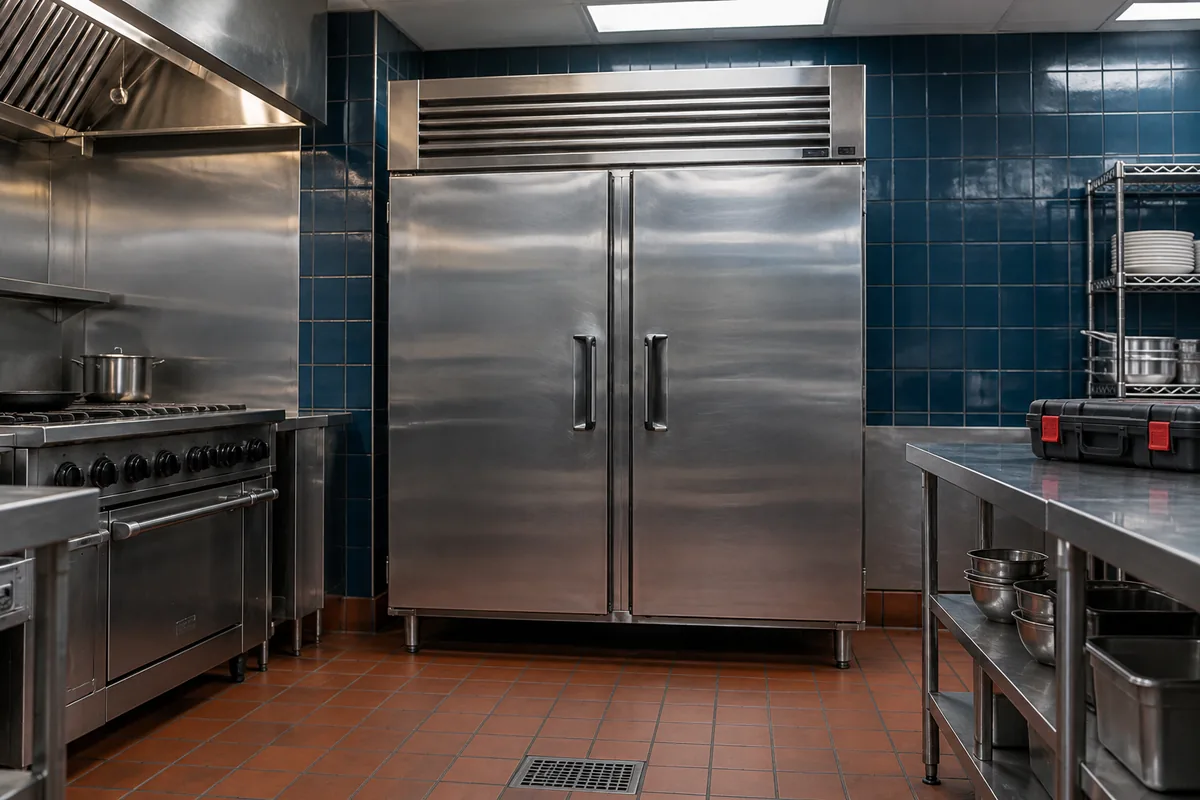
For a refrigerator issue in the same operation, use our commercial refrigeration service in Vancouver. Keep that model and symptom history separate from the ice equipment. A shared work area does not establish one common fault. List all requested appliances before we set the visit scope.
For several ice stations, identify the affected point of use in each report. Record only warnings staff actually observed on that unit.
Service Access and Proposed Repairs
Tell us where the equipment sits and which fixed fittings may restrict service access. Staff should not pull out connected units to prepare. Discuss a work window and the person who will meet the technician. Give that contact the equipment list and observations from the reporting shift.
We explain the assessed finding and proposed work before approval. Clarify who can approve costs and any purchase-order requirement. Ask which function the repair addresses and whether it needs parts or a return visit.
The commercial ice machine repair overview describes the broader service. Confirm which work is complete and what remains for the affected model and function.
Frequently Asked Questions
Can you repair every type of ice dispenser?
We review the exact model and requested work before confirming support. Provide the labels and describe the function that has changed; support for one ice machine does not establish support for every dispenser design.
Request Commercial Ice Machine Repair in Vancouver, WA
Contact HVAC & Appliance Repair Guys to request commercial ice machine repair in Vancouver and confirm support for the affected machine, bin or dispensing unit.
For commercial ice machine repair in Vancouver, WA, call HVAC & Appliance Repair Guys or submit a service request through the form on this page.
Before your visit
Commercial Ice Machine Repair details for Vancouver, WA
Include the service address, equipment details, and the order in which symptoms appeared. The technician checks the cause on site. The $99 service call covers diagnosis and is applied toward the total when the repair is approved. The finding and price are reviewed first.
Share the service address
For Vancouver, WA, include the street address, building or unit number, room, and the equipment involved. Mention gates, elevators, building check-in, loading restrictions, or another access step before the appointment so the technician knows how to reach the equipment.
Describe when the problem occurs
For commercial ice machine repair in Vancouver, WA, explain when the symptom began, whether it is constant or intermittent, and what was happening immediately beforehand. Note any error code, unusual sound, leak location, temperature change, tripped protection, or loss of function without opening equipment or touching unsafe components.
Share prior service history
Recent maintenance, earlier repairs, replaced parts, recurring symptoms, renovation work, and previous estimates can change the next diagnostic step. Send any relevant history for the Vancouver, WA request, but avoid assuming that an earlier diagnosis still explains the current commercial ice machine repair problem.
Use safe interim steps
Stop using equipment that is leaking, smoking, overheating, damaging the property, or repeatedly tripping protection. For the Vancouver, WA request, describe the safe steps already taken. Do not bypass controls, reach into moving equipment, or handle energized, fuel, or refrigerant components.