



Commercial Plumbing Repairs and Planned Work
HVAC & Appliance Repair Guys provides commercial plumbing in Beaverton for fixture faults, restricted drains, piping concerns and hot-water problems. Repair starts with the affected fixture or system; a planned improvement starts with the result you need. For several concerns, a room-by-room list helps connect each symptom to the right assessment.
Give each dripping faucet, backing-up drain or other fault its own entry, including when it occurs and whether it returned after earlier work. Those details make it easier to recognize a shared problem without overlooking individual repairs.
Shared Supply Problems and Individual Fixture Faults
Several taps losing flow at the same time may involve a shared supply issue. Separate drips from different spouts may instead involve local fixture parts. Similar complaints in several rooms do not prove that each needs the same component replacement.
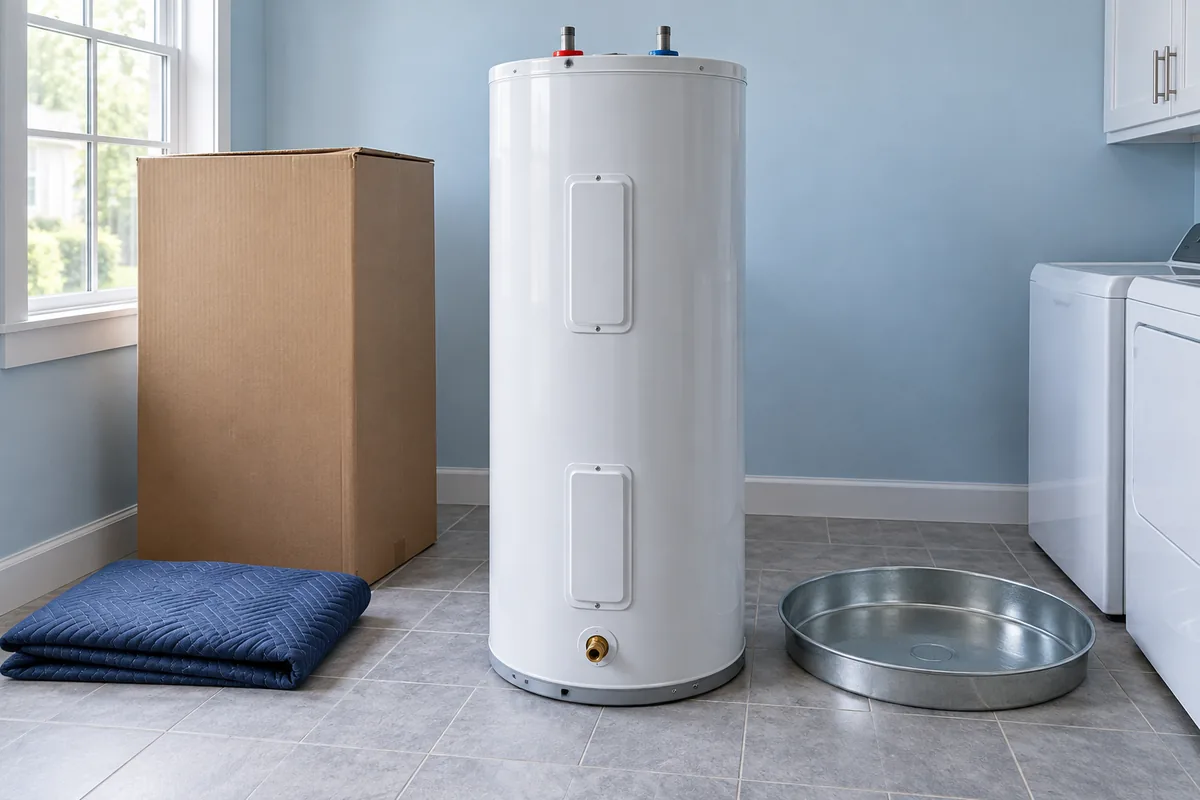
Keep hot-water complaints distinct too. Note whether they affect one outlet or several, and include known details about the water heaters involved. A problem at one outlet does not by itself establish a heater fault.
Faucet Repair and Drain Cleaning
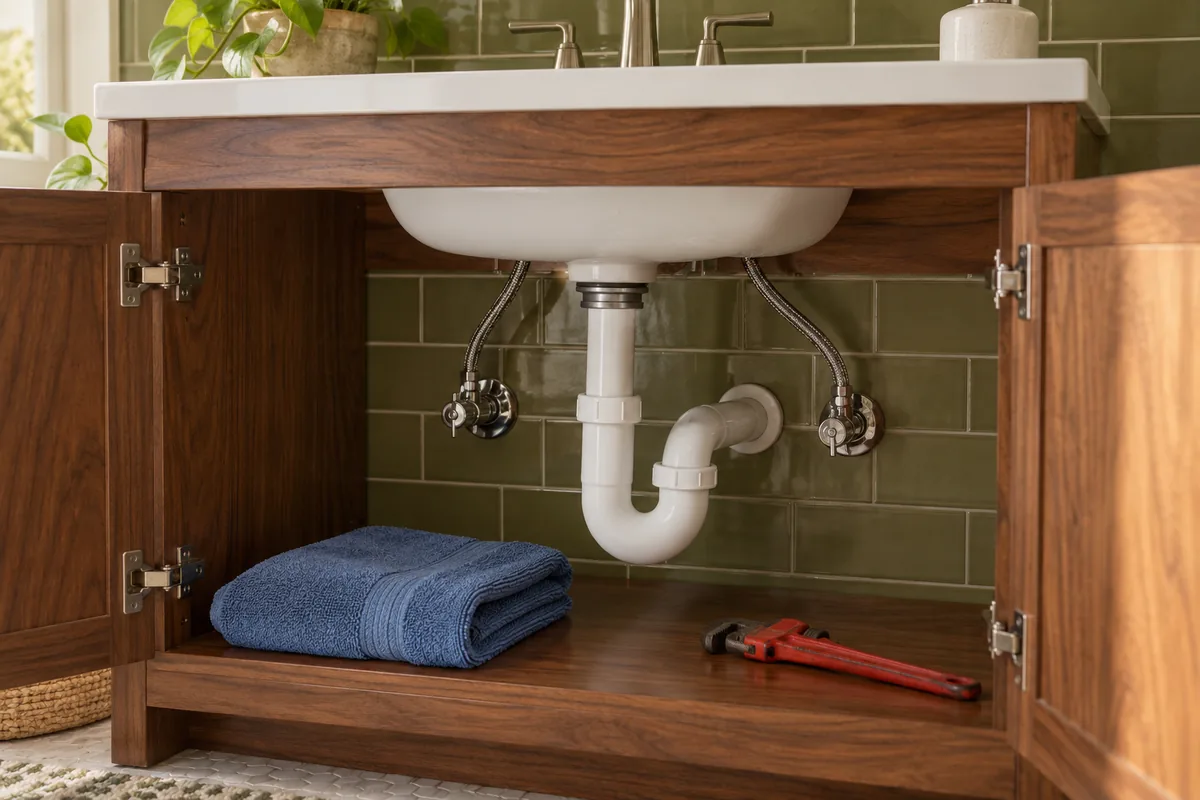
Faucet repair in Beaverton addresses fixture operation or leakage. Drain cleaning in Beaverton addresses restricted drainage. The assessment determines which work each list item needs.
If the assessment identifies a shared cause, ask which list items it affects and how the proposed work changes. A repair to a common section may address several symptoms, while other items still need separate attention.
Access and Water Use During Repairs
Identify occupied areas, access restrictions and the person who can approve work. The proposal should name the selected tasks, their sequence and any interruption they require.
After the work, record the result against each included item so staff can see which concerns were addressed and which repairs or upgrades remain.
Request commercial plumbing service in Beaverton from HVAC & Appliance Repair Guys.
Frequently Asked Questions
How should I label similar fixtures in different rooms?
Use a consistent room or area name and the fixture’s position. Clear locations help several people discuss the same task without confusing one complaint with another.
Can several low-flow taps point to one problem?
They can when a shared supply affects them. Their timing and locations help the assessment; the list alone does not establish the cause.
Request Commercial Plumbing in Beaverton, OR
For commercial plumbing in Beaverton, OR, call HVAC & Appliance Repair Guys or submit a service request through the form on this page.