



Commercial Fixture and Pipe Repairs in Canby
HVAC & Appliance Repair Guys provides commercial plumbing in Canby. Commercial plumbing work may address fixture leaks, filling or flushing faults, damaged piping, restricted drains or hot-water problems. We assess the affected fixture or system and explain the repair it needs, including the effect on normal use.
For example, a toilet that repeatedly refills may be losing water internally, while water on the floor needs a separate source assessment. These concerns can occur in the same room but call for different repairs.
Fixture Symptoms and Earlier Reports
Provide the original symptom report if the person attending did not observe the problem. Include its location and timing. Staff do not need to take apart fittings or reproduce a leak to describe it.
Toilet Repairs and Damaged Piping
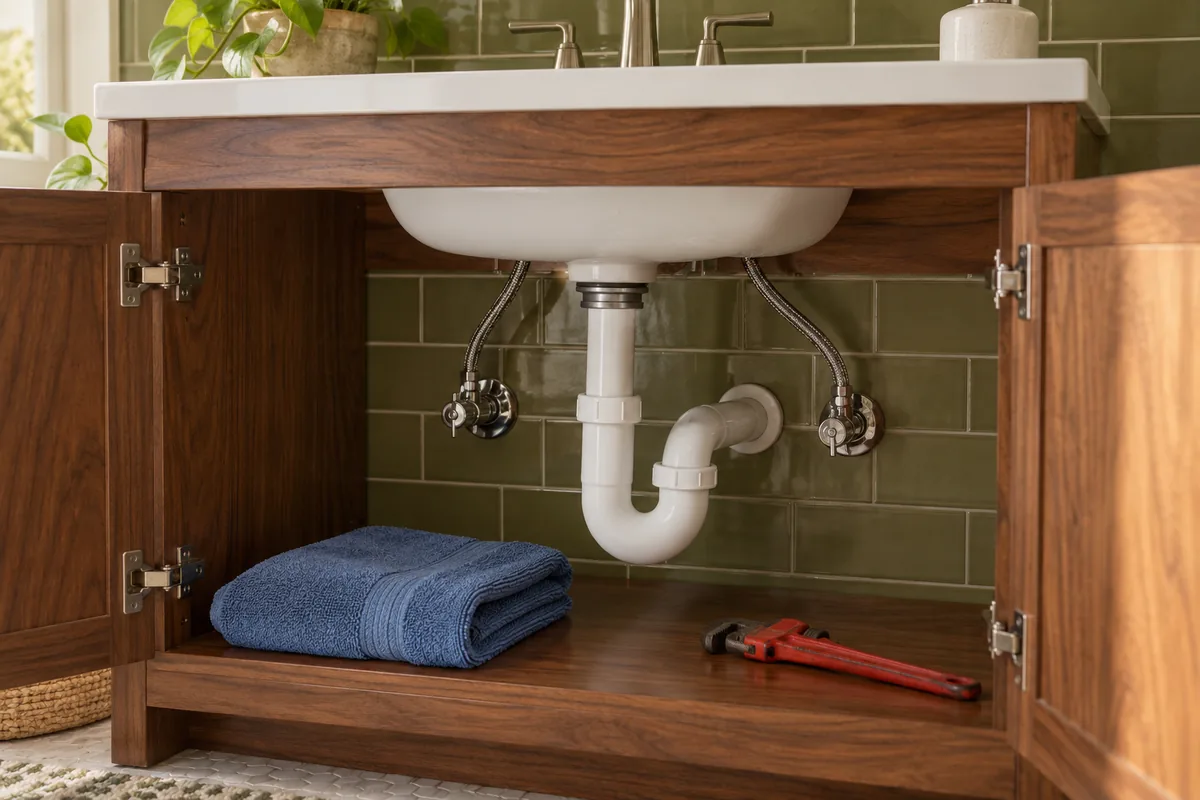
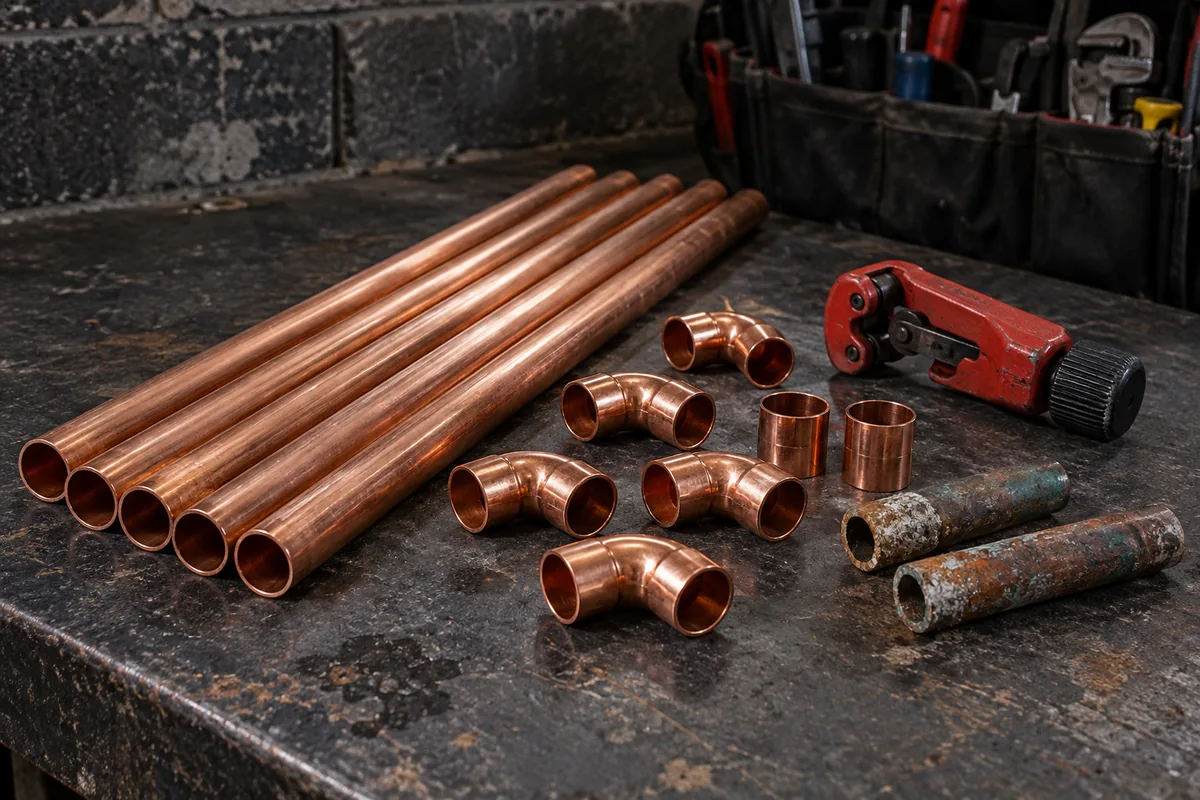
Toilet repair in Canby can address a filling or flushing fault. Pipe repair in Canby concerns damaged piping when that is the finding. The recommendation should identify the component or section that needs work.
If a repair affects a shared water supply, its interruption belongs in the work plan. A local fixture fault does not automatically require wider replacement; any broader work needs findings that support it.
Previous Repairs, Access and Added Work
Share relevant earlier work records with their dates and locations. A repeated symptom can have a different cause from the original fault.
Identify the person providing access and the person approving repairs if those roles differ. We explain new findings and any change to access, fixture use, surrounding work or price before adding a task.
Completed Repairs and Any Remaining Work
At completion, review the work performed at each fixture or pipe section and how it addressed the reported problem. Keep unfinished tasks and suggested future work separate from completed repairs.
Request commercial plumbing repairs in Canby from HVAC & Appliance Repair Guys and describe the fixture or piping problem.
Frequently Asked Questions
Why does repeated toilet filling differ from water on the floor?
Repeated filling can involve internal water loss. Water outside the fixture needs its own source assessment before selecting a repair.
Request Commercial Plumbing in Canby, OR
For commercial plumbing in Canby, OR, call HVAC & Appliance Repair Guys or submit a service request through the form on this page.