


Commercial Plumbing for an Operating Property
HVAC & Appliance Repair Guys provides commercial plumbing in Gresham for fixture faults, leaks, drainage problems and hot-water equipment. We assess the affected component or shared system and explain the work needed. Tell us how losing the fixture or supply affects normal operations so the repair plan accounts for occupied areas.
A restroom, sink or hot-water outlet may serve a specific part of the business. Describe essential access and use restrictions when arranging service; the actual plumbing layout determines how much of the property the work affects.
A Small Visible Repair Can Affect a Shared Supply
A local fixture and a shared supply section create different interruption questions. The visible size of the fault does not show which other outlets depend on the same piping. A small repair does not guarantee continued use at every nearby fixture.
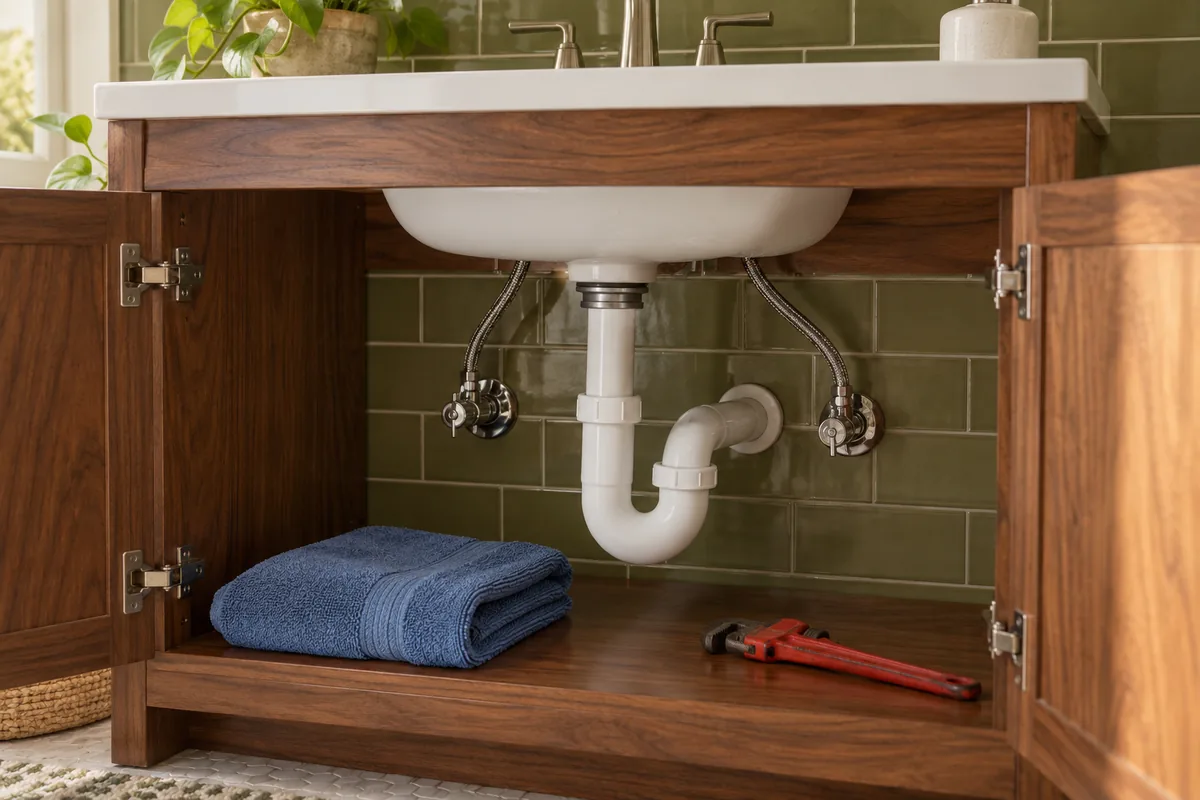
A usable local shutoff may limit the affected area in some arrangements. In others, the task can involve a shared section. The affected supply must be assessed before the interruption can be confirmed. Staff do not need to operate uncertain valves or disassemble connections to prove that a local isolation will work.
Toilet and Faucet Repairs
Toilet repair in Gresham can involve filling, flushing or a leaking connection. Those symptoms should remain distinct in the request. A toilet that keeps refilling does not present the same source question as water on the floor. The assessment needs the observed condition before selecting the relevant component work.
Faucet repair in Gresham concerns a different set of parts and connections. Explain whether the complaint involves dripping, poor flow or water around the fixture. If several outlets change together, mention that pattern. The recommendation should connect each task to its finding and show any related supply work.
Hot-Water Equipment Serving Several Areas
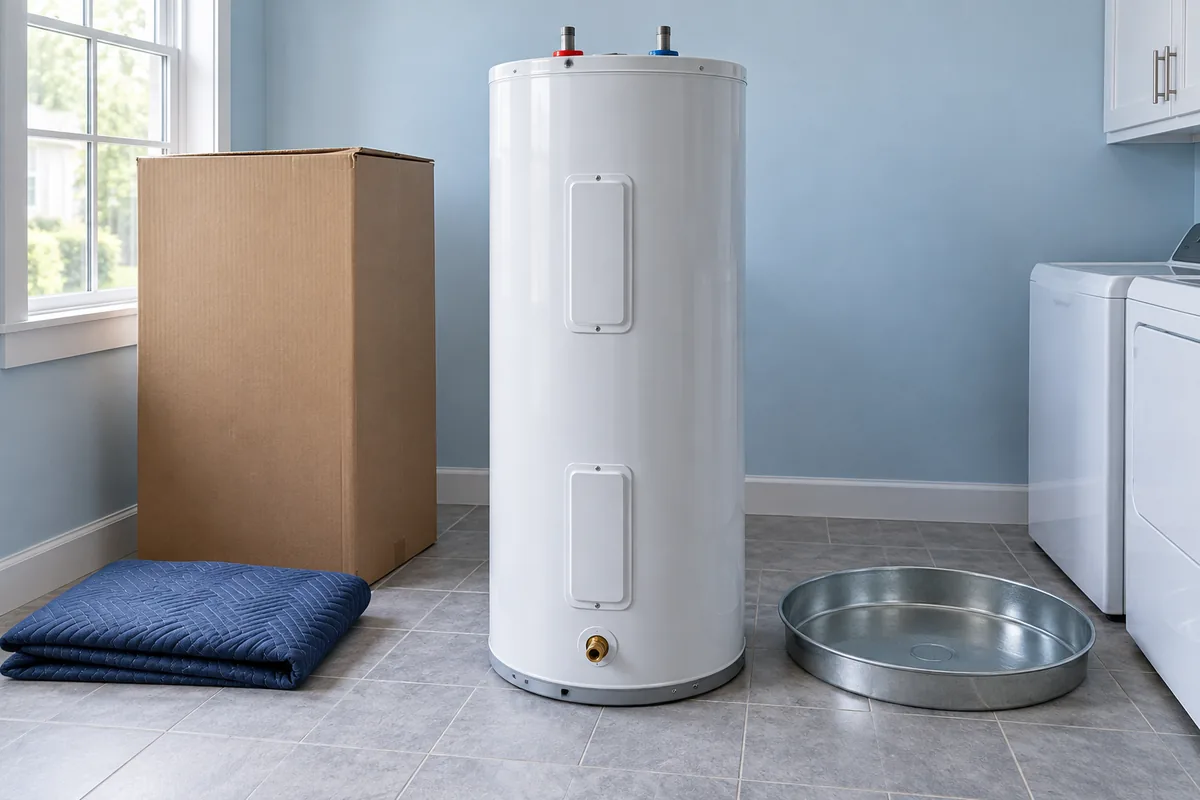
If the request involves a water heater, identify the unit and the areas it serves. A loss of hot water in several rooms differs from one outlet staying cool while others work normally. Include known changes in ordinary use. The scope needs confirmation for the actual equipment, especially when a business uses a specialized system.
List water-heater work separately from fixture repairs. Identify which areas each task may affect, even when the work is discussed for one visit.
Access Windows and Repair Timing
State when the work area is accessible, whether entry requires an escort and any restrictions on reaching the connections. The findings, parts and checks determine whether the work can fit a preferred window.
If the findings change the work area or supply section, review the effect on business operations before approving the revised plan.
Plumbing Repairs, Finish Work and Optional Improvements
Name the repair approver if staff provide access. The proposal should identify the affected fixtures or supply section, required access and the effect on use.
Distinguish plumbing repairs from finish work and optional improvements in the agreement.
Repair Checks and Remaining Concerns
After repair, the relevant connection and operating checks should address the reported fault. Record any symptom that remains.
The final record should identify the fixtures or sections addressed and any open items; work in one room does not mean every fixture there received service.
Arrange commercial plumbing service in Gresham with HVAC & Appliance Repair Guys, and tell us how the problem affects the areas your business uses.
Frequently Asked Questions
Does a small fixture repair always leave other outlets usable?
No. Shared supply arrangements can affect a wider area. The plan should establish the relevant isolation and interruption for the actual task.
Can we assume a fixed completion time from the service name?
No. The finding and required work affect timing. Discuss the preferred window without treating it as a guaranteed finish time.
Request Commercial Plumbing in Gresham, OR
For commercial plumbing in Gresham, OR, call HVAC & Appliance Repair Guys or submit a service request through the form on this page.