



Commercial Plumbing Repairs and Access Planning
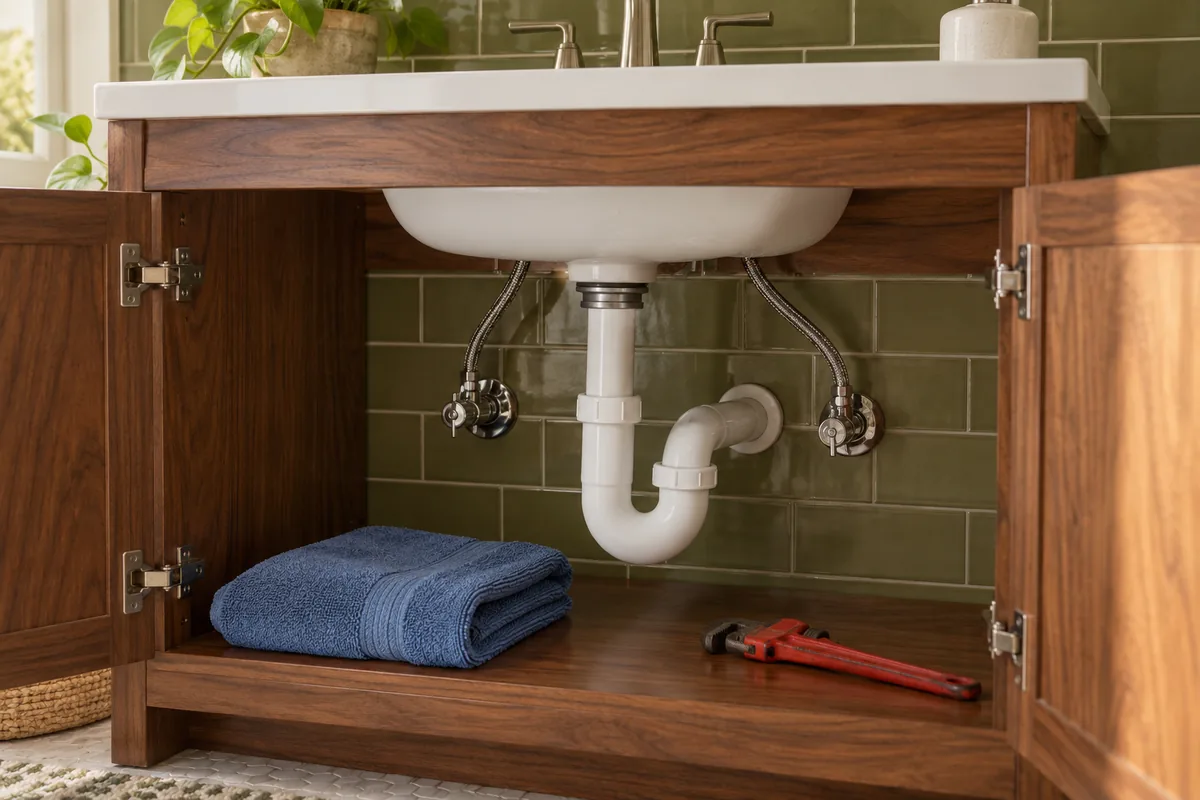
HVAC & Appliance Repair Guys provides commercial plumbing in Happy Valley for fixture faults, restricted drains, hot-water problems and damaged piping. The affected system determines the repair. When a leak is behind a wall or cabinet, locating its source also guides the access work.
Plumbing repair and restoration of surrounding finishes are different tasks. The proposal should state which work is included and identify existing damage that needs separate attention.
Visible Moisture and Hidden Leak Sources
Water can travel along a surface or material before it appears in another area. A stain therefore does not prove that the pipe directly behind it caused the problem. Tell us where moisture appears and whether the condition is changing. That observation helps the assessment without turning the visible mark into an assumed diagnosis.
Staff should not remove fixtures or finishes to test a guess about hidden piping. Describe nearby equipment and known connections; the assessment determines where access is needed.
Leak Detection and Pipe Repair
Leak detection in Happy Valley helps locate an uncertain source before choosing the repair and the access it requires.
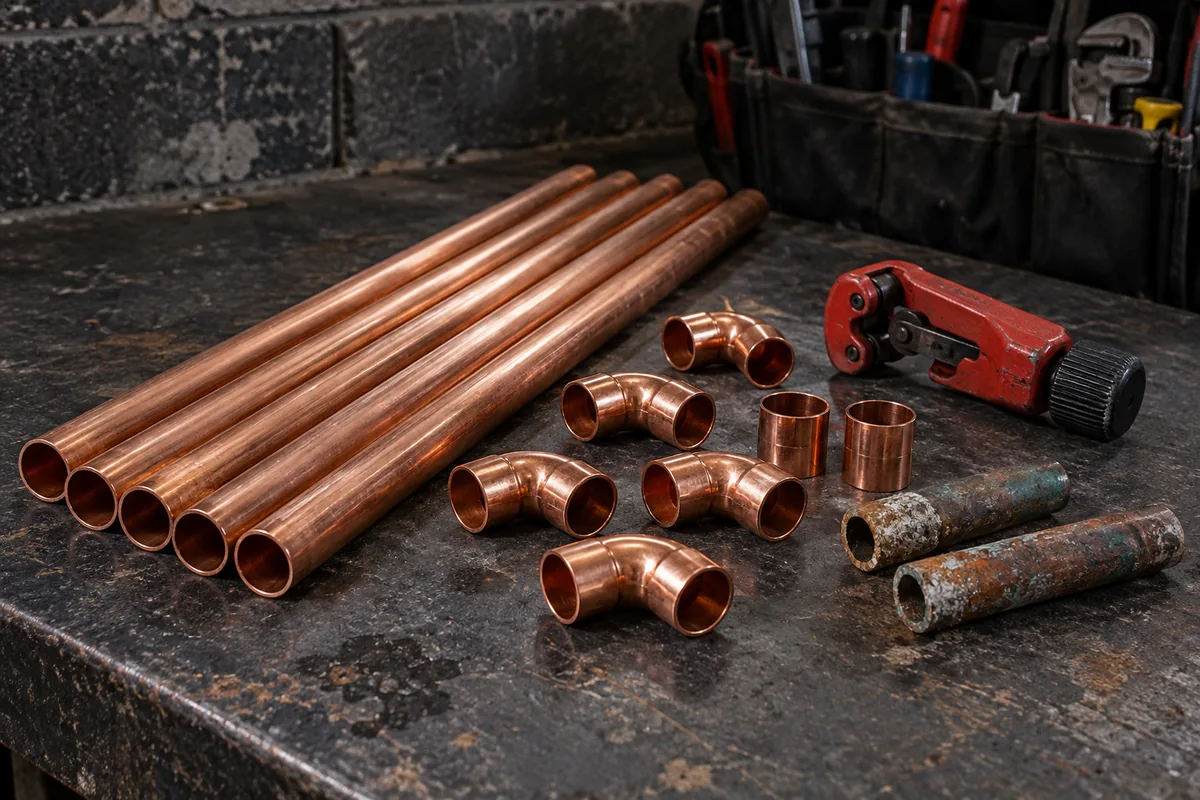
Pipe repair in Happy Valley concerns an identified defect. The proposal should identify the section being repaired and why. A finding at one section does not describe every concealed pipe in the room. Wider work needs evidence and an explained purpose of its own.
Openings Needed for Leak Assessment or Repair
A proposed opening should reach the connection or section that needs assessment or repair.
Explain restrictions on walls, cabinets or occupied areas before approving the work. If the source finding changes the access plan, review the reason and practical effect with the person approving that change.
Plumbing Repair and Surface Restoration
The agreement should distinguish opening the surface, repairing the plumbing and restoring the finish, including any cabinet work. That shows the expected result around the pipe as well as at the repair.
Correcting the source does not by itself restore existing water damage. Record any separate surface assessment or finish work still needed.
Your Commercial Plumbing Repair Visit
If staff provide entry while someone else approves added access, identify both contacts and share the same work description.
Keep a record of the section repaired, relevant checks, changes to the access plan and any surface work still needed. Share it with the staff responsible for the affected area.
Contact HVAC & Appliance Repair Guys for commercial plumbing repairs in Happy Valley and describe where the leak or fixture problem appears.
Frequently Asked Questions
Is wall or cabinet restoration part of every plumbing task?
Check the actual agreement. Opening, pipe work and later finish work need clear scope so the expected result does not rely on assumptions.
Request Commercial Plumbing in Happy Valley, OR
For commercial plumbing in Happy Valley, OR, call HVAC & Appliance Repair Guys or submit a service request through the form on this page.