



Commercial Plumbing Repairs and Fixture Upgrades
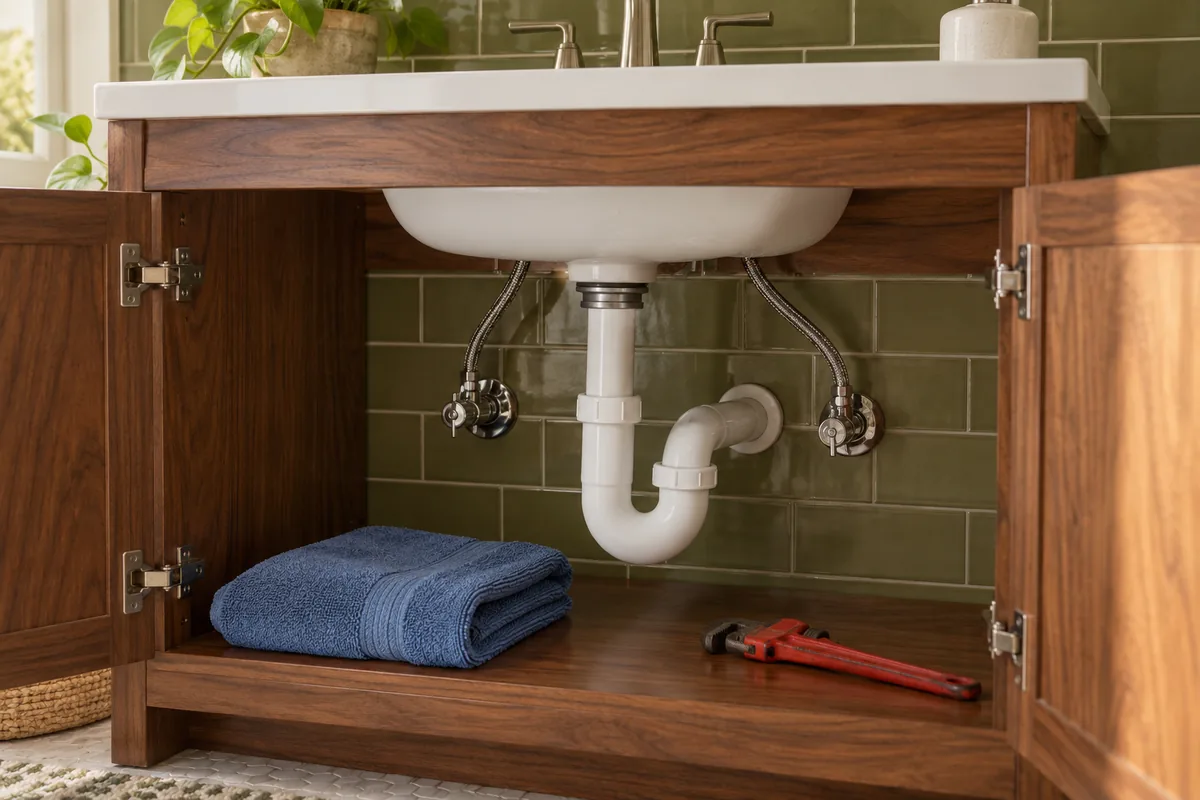
HVAC & Appliance Repair Guys provides commercial plumbing in Hillsboro for current faults and planned changes. A leaking faucet or running toilet may need component repair, while a new fixture can change mounting or connection requirements. Drain, piping and hot-water concerns need assessment of the relevant system.
For a list of repairs and improvements, identify which item prevents normal use and which changes the equipment or layout. This makes it easier to compare restoring a current fixture with installing a different one.
Repairing Fixture Components or Replacing the Fixture
A suitable replacement component may restore a fixture while retaining its current mounting and connections. Choosing a different fixture can create additional fit or connection questions. A new appearance alone does not describe how much plumbing work the change requires.
Provide the model or details of a proposed new fixture when available. If the choice remains open, keep it open in the proposal. A later selection may change the mounting, connections or work required, so the final plan should reflect the chosen fixture and existing installation.
Faucet and Toilet Repairs
For faucet repair in Hillsboro, describe dripping at the spout, water near the handle or connections, or poor flow. Similar fixtures in the same room can have different faults.
Toilet repair in Hillsboro may address filling, flushing or a leaking connection. The assessment helps compare restoring the current fixture with replacing it.
Water Heater Faults Alongside Fixture Upgrades
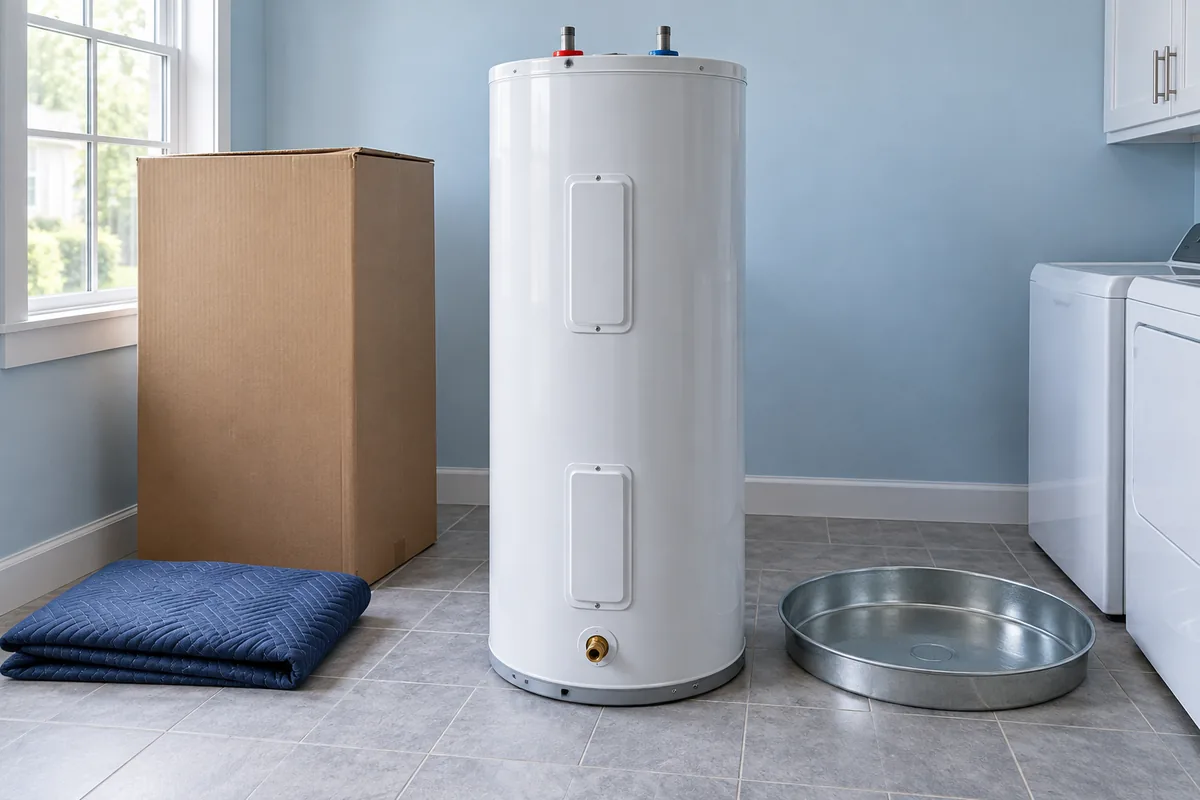
If the list also includes a water heater concern, identify the unit and affected outlets. Do not let a fixture-upgrade discussion stand in for an equipment assessment. A hot-water fault and a preferred new tap can involve the same room while requiring different work.
Connection Changes and Interruptions During an Upgrade
An optional fixture change can affect mounting, water connections, drainage or access. The proposal should explain how that work differs from repairing the current unit and identify which surrounding tasks are included or separate.
Access and operating restrictions still matter to either option. Tell us when the area is available and who can decide on a revised plan. Discuss ways to limit disruption without assuming all fixtures can stay in use. The selected task and actual arrangement determine the practical interruption.
Selected Repairs, Upgrades and Remaining Options
The agreement should identify the repairs and upgrades selected for each item. Repairing one fixture and replacing another can be appropriate even when they share a room.
Record the work completed, relevant checks and any remaining tasks. Unselected improvements remain options for a later decision.
Request commercial plumbing service in Hillsboro from HVAC & Appliance Repair Guys for the repairs or fixture changes you are considering.
Frequently Asked Questions
Can a different fixture change more than its appearance?
Yes. Its mounting or connections may differ. Review the actual model and related work before comparing the option with a repair.
Request Commercial Plumbing in Hillsboro, OR
For commercial plumbing in Hillsboro, OR, call HVAC & Appliance Repair Guys or submit a service request through the form on this page.