



Commercial Plumbing Repairs in Keizer
HVAC & Appliance Repair Guys provides commercial plumbing in Keizer for leaks, fixture faults, drain restrictions and hot-water concerns. Repair depends on the affected component or system. For a moisture problem, the first decision is whether water is still escaping and where it comes from; the visible damage alone cannot define the pipe work needed.
Name each affected business area and describe any change during normal use. A mark left after earlier work and new water appearing today are different observations; share both when they apply.
Visible Moisture and the Source of a Leak
Water may appear away from the connection or pipe that releases it. Describe the visible location without assuming the nearest fixture caused the problem. The assessment needs to establish the relevant water path before selecting the corrective task.
If several areas show moisture, give the location and timing for each. Those details help establish whether the reports share a source or need separate investigation.
Leak Detection Before Pipe Repair
Leak detection in Keizer addresses uncertainty about the source. The finding should explain which connection or section needs attention and help guide access for the repair.
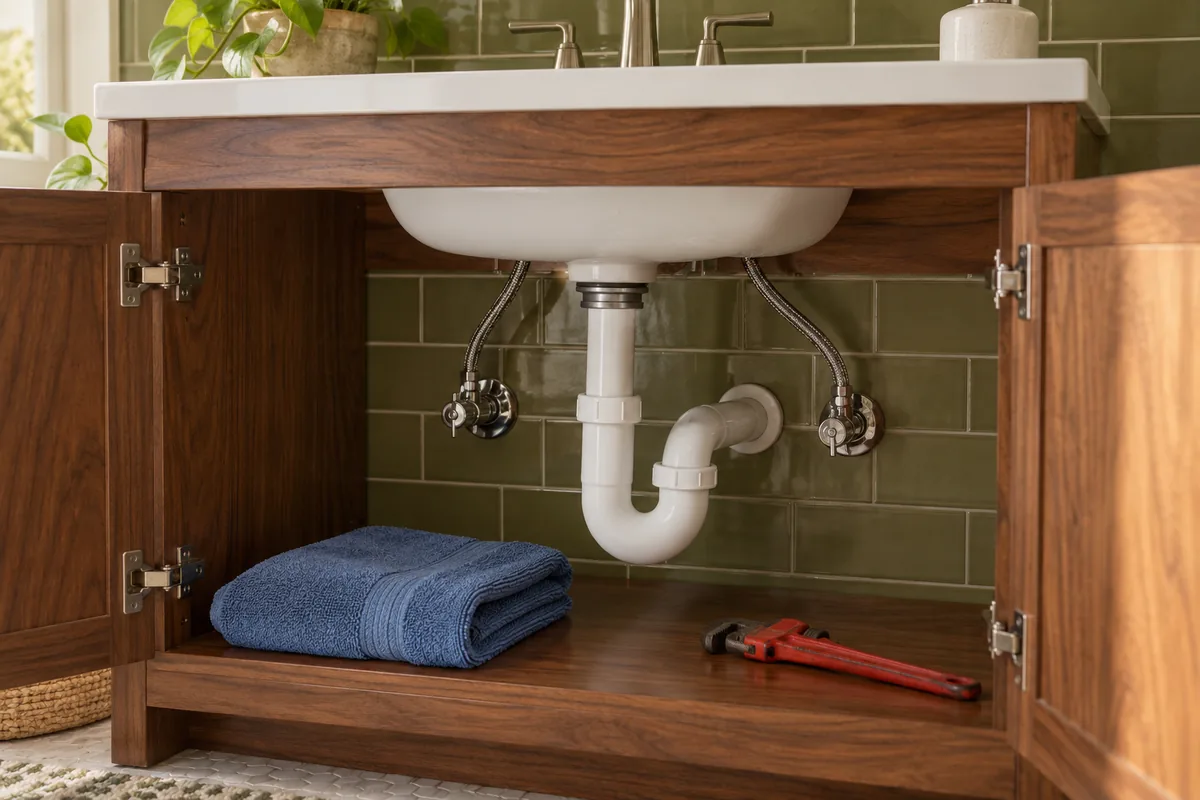
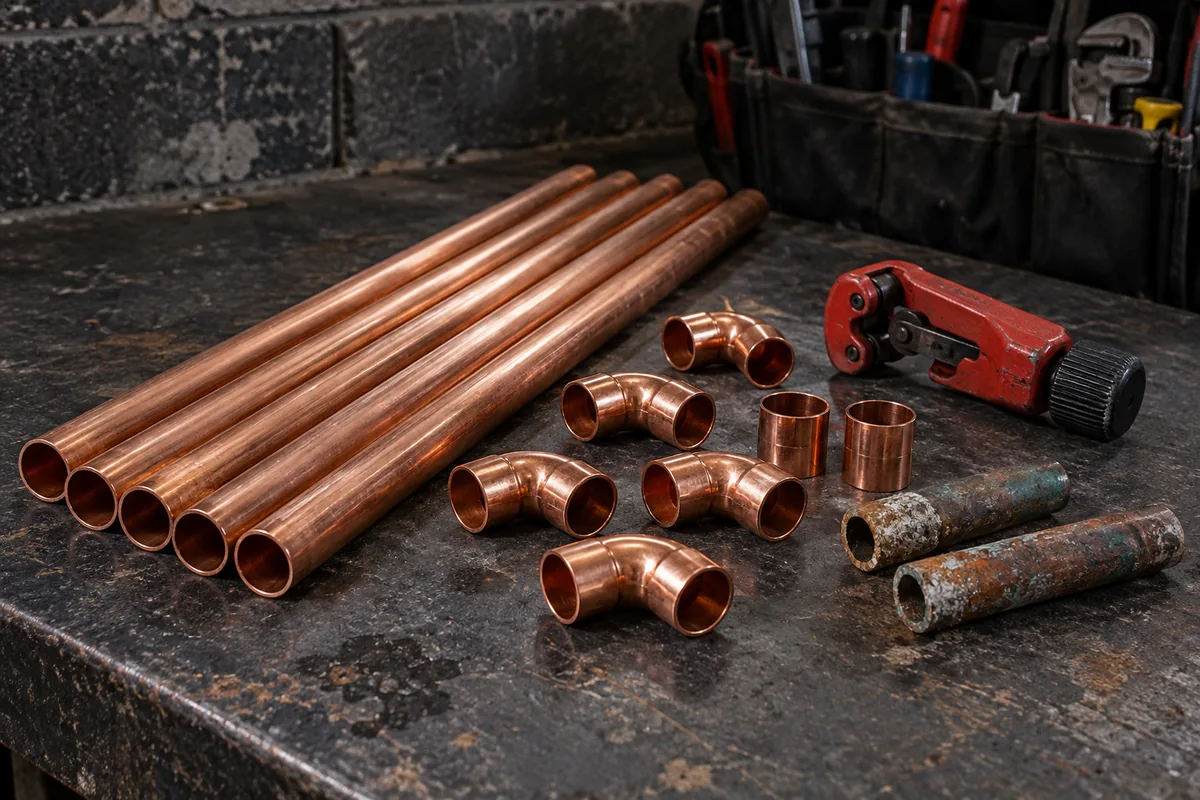
Pipe repair in Keizer addresses an identified damaged section. The proposal should specify the section that changes and any piping retained; wider work needs findings that support it.
Repair Checks and Remaining Moisture
Correcting a source does not make wet material dry at once. The repaired connection or pipe needs relevant checks for continued release. Existing moisture in nearby material remains a separate concern. Source repair and room restoration need separate results in the record.
A mark that persists does not alone prove the repair failed. New water or a changing condition still needs assessment, and staff should report it clearly. Do not rely on the age or appearance of a stain to dismiss a current concern. The comparison needs the original finding, completed work and present observations together.
Access and Surface Restoration
Identify who can provide entry to affected rooms and any limits on opening surfaces. The source finding should guide the relevant access. Staff should leave concealed piping and fittings intact while the work is under review. A guessed opening may not reach the part that needs attention.
Locating the source, repairing it and restoring damaged surfaces are separate tasks. Check which the agreement includes and what wall, cabinet or other restoration work remains.
Completed Leak Repairs and Remaining Damage
Keep the source finding, section repaired, checks and assessment limits with the work record. Note any damaged-area work that remains so the plumbing result is clear.
Request commercial plumbing service in Keizer from HVAC & Appliance Repair Guys and describe any new water as well as damage from an earlier leak.
Frequently Asked Questions
Can a surface remain wet after the source repair?
Yes. Existing moisture does not disappear at once. The repair result and the condition of surrounding material are separate matters to identify.
Request Commercial Plumbing in Keizer, OR
For commercial plumbing in Keizer, OR, call HVAC & Appliance Repair Guys or submit a service request through the form on this page.