



Commercial Plumbing and Concealed Pipe Repairs
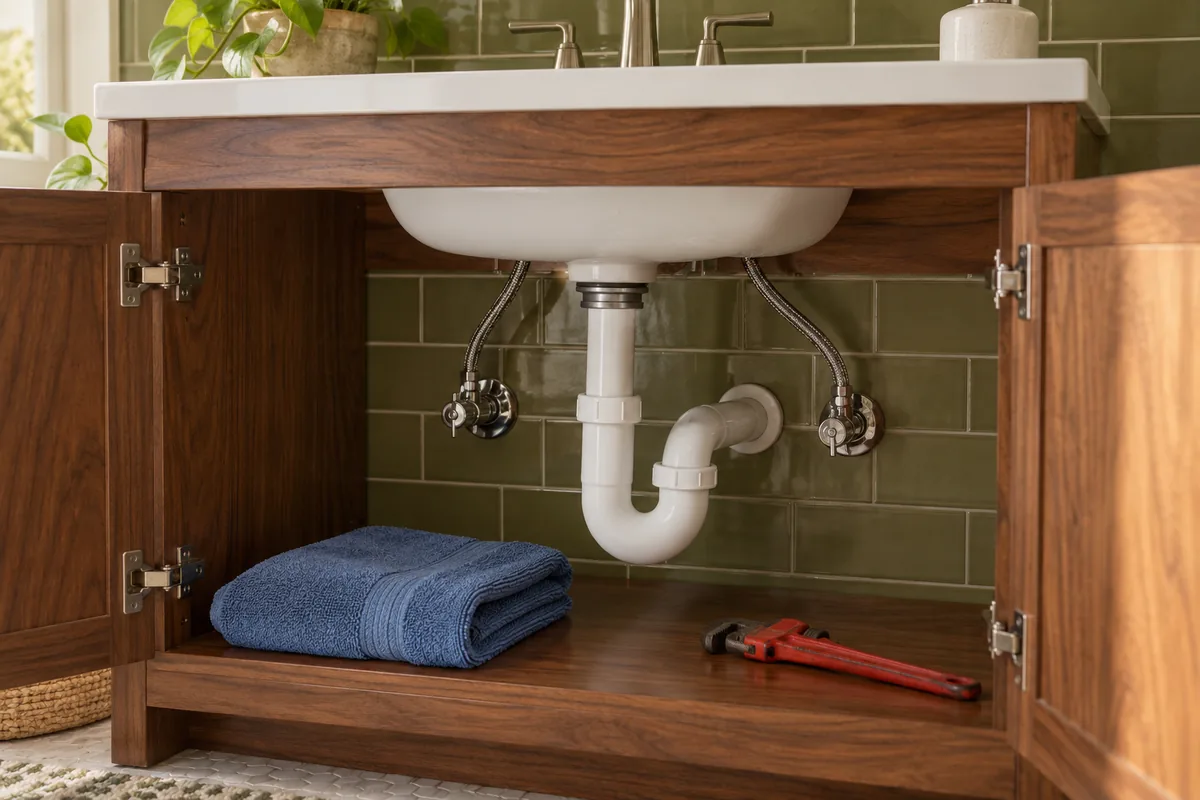
HVAC & Appliance Repair Guys provides commercial plumbing in Oregon City for fixture, piping, drainage and hot-water concerns. A visible leak may need source detection before repair, while a known fixture fault or drain restriction calls for its own assessment. With concealed piping, a ceiling mark or water beside a wall shows where moisture appeared, not the full repair route.
An earlier drawing can help explain the property, but it may not show later changes. Share its date and known limits if it relates to the affected area. Staff do not need to expose piping to confirm the drawing themselves. Our review should confirm the route details needed for this task.
When Water Appears During Normal Use
Water during drain use can raise a different source question from water appearing between uses. Explain the ordinary-use pattern you have noticed. Timing helps describe the problem; it does not prove which pipe has failed. We still need to identify the relevant supply, drain or connection.
Report symptoms in other rooms separately and include their timing. Do not run fixtures or open fittings to test a guessed source; the assessment must establish how the reports relate.
Leak Detection and Access to Concealed Pipes
Leak detection in Oregon City helps locate an uncertain source and guide access. An opening beside the visible mark may not reach the connection that needs work.
Describe entry rules and rooms that people use around that area. Access may involve a different room from the one where water first appeared. Identify who can arrange entry and who approves a changed work area. Permission to enter one room does not automatically settle access through another occupied space.
The Damaged Section and Piping That Remains
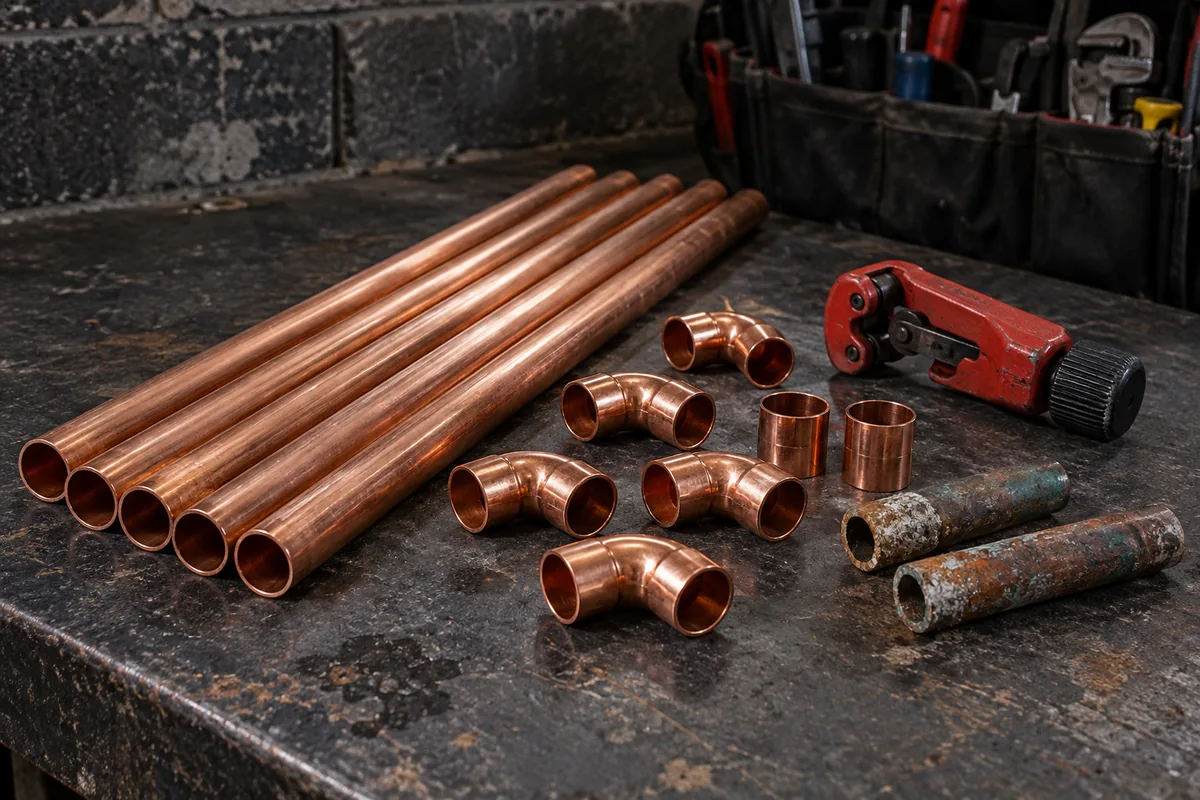
Pipe repair in Oregon City addresses an identified damaged section. The recommendation should define what changes and which connected piping remains. Wider replacement needs findings that support its extent.
If the source differs from an earlier assumption, we explain the changed repair area, access and price before revising the work.
Plumbing Repairs and Remaining Surface Work
The agreement should identify access openings and any included restoration. Pipe repair does not automatically include every nearby wall, ceiling or cabinet task. Existing damage also needs to remain distinct from the result of correcting the source.
Keep a completion record of the section repaired, relevant checks, access changes and any unfinished surface work.
Contact HVAC & Appliance Repair Guys for commercial plumbing in Oregon City and describe the fixture problem or visible leak.
Frequently Asked Questions
Why describe whether moisture appears during or between uses?
That timing helps frame the investigation. It gives context without proving a particular supply or drain failure.
Request Commercial Plumbing in Oregon City, OR
For commercial plumbing in Oregon City, OR, call HVAC & Appliance Repair Guys or submit a service request through the form on this page.