


Beverage-Air Commercial Refrigeration Repair
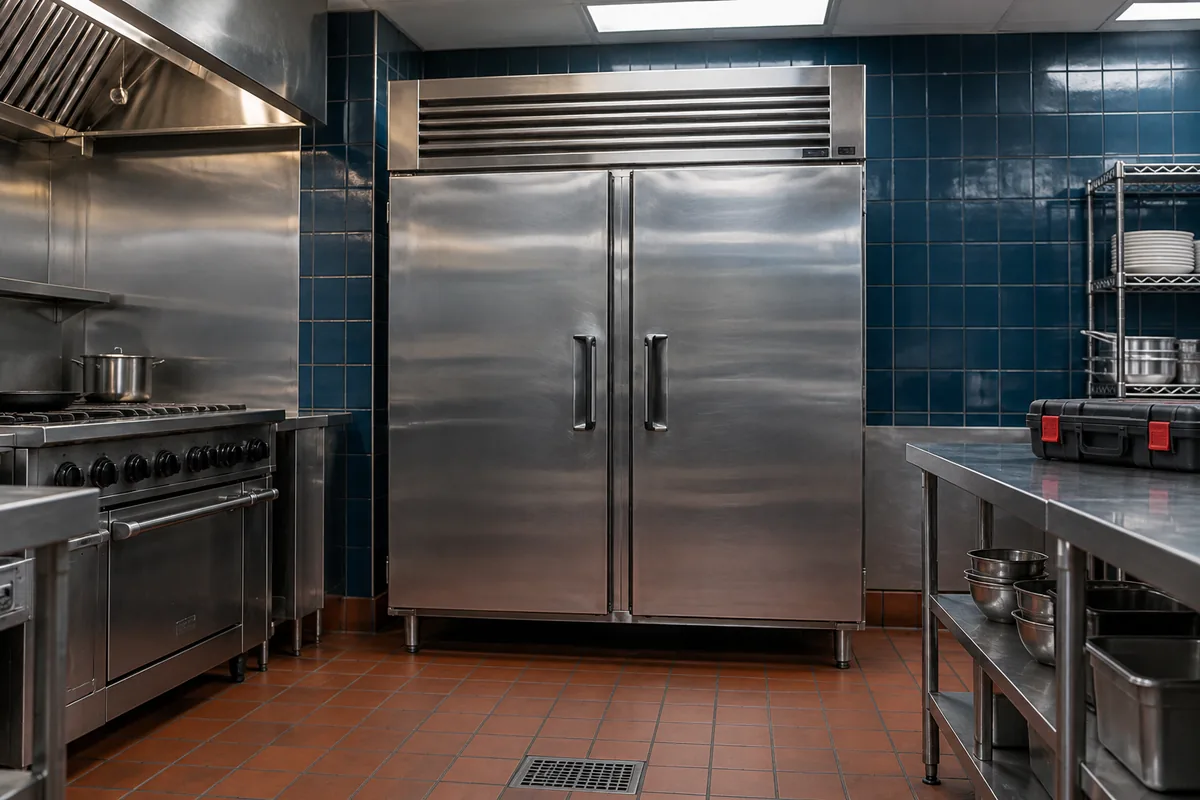
HVAC & Appliance Repair Guys provides Beverage-Air commercial refrigeration repair in Portland Metro. Tell us whether the request concerns a storage cabinet, display unit or prep station. The role of the unit helps explain the complaint. We review the complete model and affected area before confirming the service scope.
Beverage-Air model families include HBR refrigerators, HBRF dual-temperature cabinets and SPE sandwich prep tables. Those names describe different equipment roles. They do not establish that every model needs the same checks or parts. Share the full label through safe access and explain how staff use the unit.
If the unit contains separate cold sections, identify which one has changed. Describe an open prep area and a closed cabinet separately when both are affected; calling the whole station warm can obscure the fault location.
Affected Storage Areas and Temperature Readings
Describe where staff first noticed a change. It may involve a display area, a lower compartment or another section of the unit. Keep readings tied to their actual locations. A number from one section should not stand in for a reading from the whole piece of equipment.
Our Beverage-Air freezer repair service covers supported frozen-storage models. Identify the unit’s intended use and full model rather than choosing service from the brand name alone.
Describe the condition of each affected section. A working area does not rule out a fault elsewhere, and one warm area does not establish failure of the whole unit.
Loading and Normal Equipment Use
Describe how staff use the unit and when the problem appears. Prep-station access differs from storage-cabinet use; this context helps assessment without assigning the cause to staff.
Mention relevant changes to the layout, stock arrangement or nearby equipment and when they occurred. The sequence provides context but does not establish the cause of the fault.
Do not alter internal controls or run unusual loading tests to prepare for service. Report normal-use behavior and any adjustments already made, with their results.
Doors, Lids, Water and Frost
Describe doors or lids that no longer close normally, visible seal damage or obstructions, alongside any cooling change.
For visible water or frost, describe the location and when it appears. A safe photo can help identify the area. Do not pull the unit out, remove a cover or chip at frozen material to improve the view. The technician can discuss suitable access for the actual task.
For a new sound, identify the machine and when it occurs. Say if nearby equipment makes the source unclear.
Station Access and Surrounding Equipment
Describe fixed surfaces, connected items and any limited approach to the unit. A prep station may sit within a larger work area whose parts need separate handling. Do not assume equipment repair includes changing counters or moving every connected appliance. We review the access and the work it requires before approval.
Provide the person who can clear the agreed work area and the person who can approve repairs or additional work.
Use your site’s established procedures for stock decisions. A normal display in one area does not establish the condition of items elsewhere, and a repair appointment is not a stock assessment. Keep equipment findings separate from the site’s handling decisions.
Repair Scope, Price and Parts
After testing, review the task, price and any parts needs. Ask how the proposed work relates to the affected section and which concerns remain outside it. Repairing one area does not mean every part of the station has received service.
For other equipment types, see our commercial refrigeration repair service. Keep this Beverage-Air unit’s model, completed work and any unfinished task together in the service record.
Contact HVAC & Appliance Repair Guys to request Beverage-Air commercial refrigeration repair and provide the full model, affected section and current symptoms.
Frequently Asked Questions
Can you review more than one Beverage-Air unit during a request?
Identify each item and its own complaint when arranging service. We review support, access and scope for the group. One unit’s diagnosis should not automatically become the repair plan for the other equipment.
Request Beverage-Air Commercial Refrigeration Repair in Portland Metro
For Beverage-Air commercial refrigeration repair in Portland Metro, call HVAC & Appliance Repair Guys or submit a service request through the form on this page.
Before your visit
Commercial Refrigeration Repair details for Beverage-Air
Use the Beverage-Air checklist below to prepare for commercial refrigeration repair. The $99 service call covers diagnosis and is applied toward the total when the repair is approved. The finding and price are reviewed first.
Identify the exact product configuration
For Beverage-Air commercial refrigeration repair, describe how the equipment is installed and powered. Include the exact model number when it is safely visible; models from the same brand can use different configurations.
Include the relevant controls
For Beverage-Air commercial refrigeration repair, share the affected control, display message, or temperature setting.
Keep purchase and service records available
If available, keep the Beverage-Air purchase date, installation record, prior invoice, and warranty information for reference. Check the warranty documents to confirm coverage, who may carry out the work, and how to submit a claim.
Compare the next step after testing
After diagnosis, review the recommended repair, price, access needs, and the equipment’s condition and repair history before deciding.