



Drain Cleaning for Local and Shared Restrictions
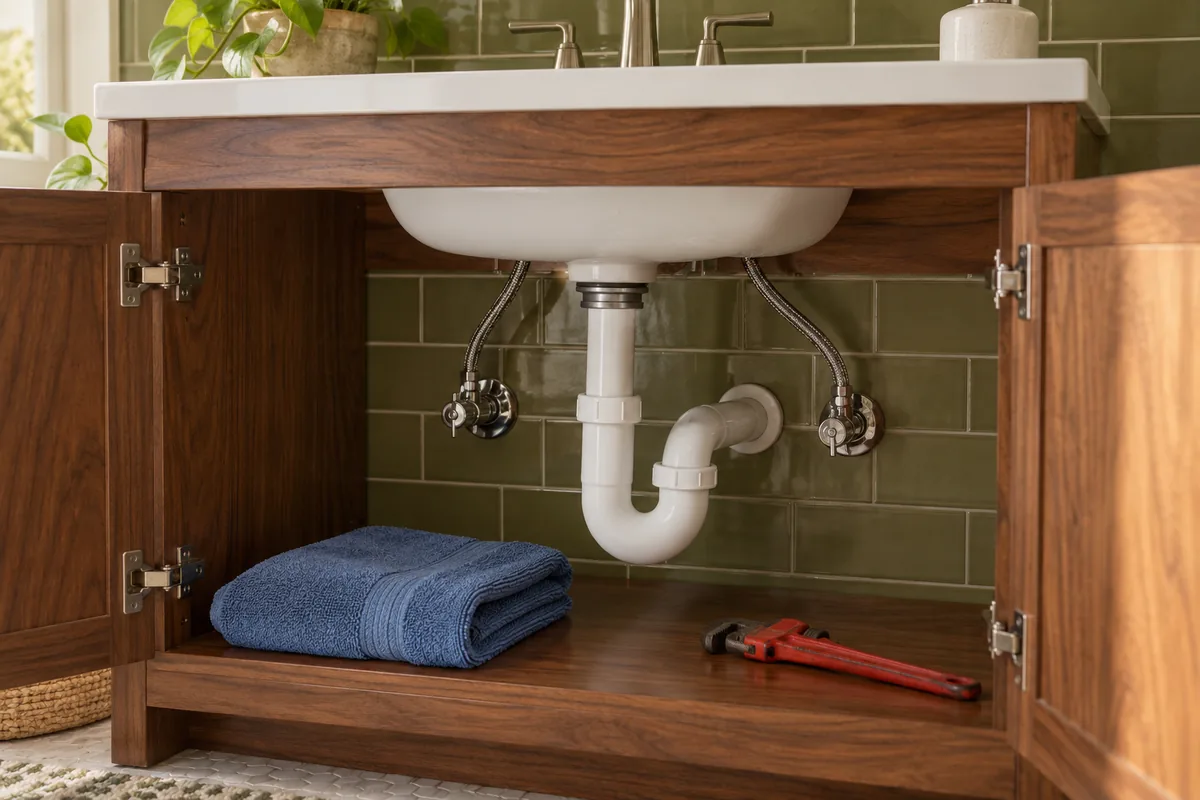
HVAC & Appliance Repair Guys provides drain cleaning in Clackamas for slow, stopped or backed-up drainage. Assessment of the fixtures, line condition and access determines the clearing task. Water appearing in one fixture when another drains can point to a shared restriction rather than a separate blockage at every opening.
Report where the water first appeared and which fixtures were in use. Note whether the problem continues or has changed since that event. A clear sequence helps explain the current concern without asking you to identify a concealed pipe route.
A restriction downstream of several connections can affect fixtures that otherwise work normally. The assessment needs to consider that shared path. A symptom in one room may therefore relate to drainage beyond that room.
Safe Reporting of Shared-Drain Backups
Use observations from ordinary use. Do not run water repeatedly or flush again to prove that another opening will rise. The initial account is useful without creating another overflow.
If some fixtures still drain normally, mention them as part of the pattern. Their behavior can help describe the complaint’s extent. It does not, by itself, prove the condition of every shared or separate branch.
Keep reports from different people tied to their time and location, especially when an older slow-drain complaint differs from the current backup.
Shared Drain Sections and Access
Clearing a shared route may restore flow from several fixtures without treating each branch separately. The proposal should identify the section addressed and available access.
Describe accessible rooms and any entry limits; the shared path may extend beyond the room where water first appeared.
Do not take apart fixtures or piping as assumed preparation. Share the observations and access limits you already know. The agreed service task should account for the physical work needed to reach the relevant drainage.
The appropriate method depends on the line conditions, fixtures and access. A multi-fixture complaint does not guarantee that one particular machine or procedure will fit. The recommendation should explain the purpose of the chosen clearing work.
Earlier Clearing and Recurring Problems
If the shared drainage has caused trouble before, describe the result of the earlier visit. Note whether all affected fixtures returned to normal or one remained slow. A partial improvement and a later recurrence are different histories.
Report any cleaning product or treatment already used. Do not add more chemicals to prepare for service. The work needs an accurate account of the line’s current condition and recent attempts.
A partly open path may pass water while material remains, so brief improvement does not establish that the shared route is clear.
Camera Inspection and Structural Sewer Repair
A continuing concern may support camera inspection in Clackamas. It can add views of accessible interior pipe. The findings need to identify coverage and any limit on the view.
Inspection documents visible pipe condition; clearing removes a restriction. If both are included, the agreement should identify each task.
A confirmed pipe defect may lead to structural sewer work. Opening flow does not repair a broken section or failed connection. A multi-fixture complaint alone does not establish that replacement is necessary.
We explain any added inspection or repair before expanding the work.
Drainage Results and Remaining Fixture Problems
After work on a shared path, drainage needs a check. If an individual fixture still empties slowly, keep that concern separate in the result. Improvement in the common section may leave a local question that needs further review.
Retain the section addressed, drainage result and any unresolved fixture symptom in the service record.
If the pattern changes, note the affected fixtures and timing. One clearing cannot guarantee permanent drainage through every connected line.
Request drain cleaning in Clackamas from HVAC & Appliance Repair Guys using the service form below. Identify the affected fixtures and describe the order in which water backed up.
Frequently Asked Questions
Does trouble at several fixtures require replacement?
No. The cause and condition need assessment before proposing structural work.
Request Drain Cleaning in Clackamas, OR
For drain cleaning in Clackamas, OR, call HVAC & Appliance Repair Guys or submit a service request through the form on this page.