



Drain Cleaning Methods for the Line and Restriction
HVAC & Appliance Repair Guys provides drain cleaning in Gresham for local and shared-line restrictions. The affected fixtures, access, pipe condition and history guide the clearing method. You can describe the problem without choosing a machine.
Some problems involve a local restriction. Others involve material farther along a shared drainage path. A method that suits one line may not suit another. The recommendation should explain what the work aims to address and why the proposed approach fits.
A slow sink is a symptom, not an equipment specification. Describe whether it empties gradually, holds water or receives water during other fixture use. Include any related problem at a shower, toilet or floor drain. You do not need to repeat an overflow to provide that information.
Mechanical Clearing and Access to the Restriction
Mechanical clearing uses an appropriate tool through an available entry to work on an obstruction. The useful question is whether that route and method can address the relevant restriction. Tool choice needs to reflect the line and the task, not just the size of the visible fixture.
An available entry may reach some sections but not others. The service plan should identify the drainage path it covers.
Opening a flow path and removing material throughout a line are different results. Ask what the proposed work includes and how drainage will be checked.
If earlier clearing helped only briefly, share that result. It may affect the next assessment, but it does not automatically establish that the earlier method was wrong. The cause, extent and condition still need a supported explanation.
Hydro Jetting Suitability
Hydro jetting in Gresham uses high-pressure water to clean suitable drainage lines. Its scope depends on access, pipe condition and the material to be removed; it is not automatically the right method for every slow sink or blocked toilet.
Greater force alone does not make a cleaning method appropriate for the line.
No clearing method replaces a damaged pipe section. A restriction and a structural problem may occur together, but cleaning addresses a different task from repair. The service plan should keep those purposes distinct.
Camera Inspection Coverage and Limits
Clearing aims to improve drainage. Inspection aims to gather observations about a line. A review of the route or pipe condition may call for sewer camera inspection in Gresham. Define that task separately in the proposed work.
Inspection gathers usable observations; it does not clear buildup or restore a broken connection. Its report should identify visible sections and any limits.
Water, debris, access and line conditions can limit what an inspection shows. A partial view does not establish that the entire drainage system is sound or damaged. Ask which findings relate to the original symptom and which questions remain open.
If inspection leads to a repair recommendation, the proposed section and supporting finding should be clear.
Earlier Symptoms, Clearing and Chemical Use
Share the sequence of the problem. A sink that has slowed gradually for months differs from several fixtures backing up during one event. Both need assessment, but the starting questions may differ. Keep older symptoms separate from changes noticed today.
Describe whether earlier work restored normal drainage, improved it briefly or left it slow, including the approximate timing.
Mention any cleaner or chemical already used in the line. Give the product and timing when known, and do not add another product before the visit. The person doing the work needs that information when reviewing the conditions.
Known objects entering a drain also matter. State what you saw and what you only suspect. Do not push an object farther into the opening or reach into concealed piping to confirm it. A useful account does not require a risky investigation.
Access, Approval and Separate Work
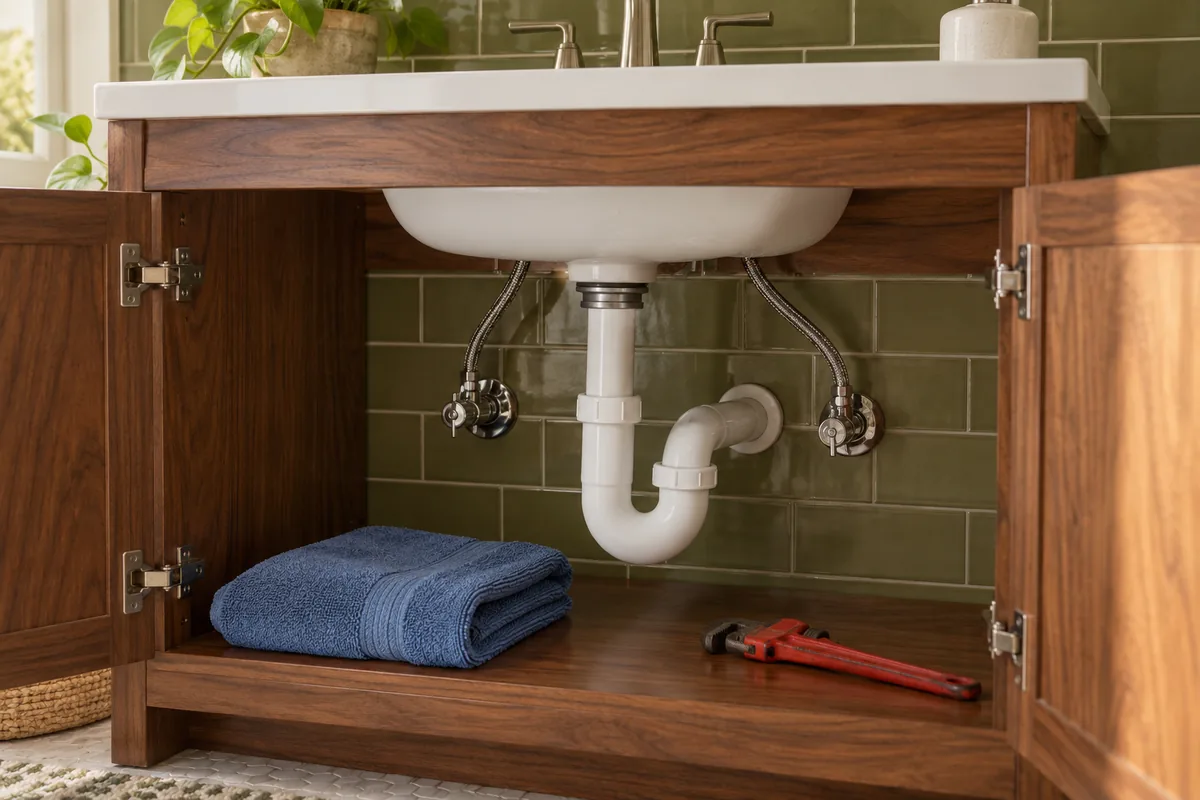
The clearing entry may be separate from the fixture that shows the symptom. Tell us about any known cleanout, locked utility space or shared area. Arrange permission with the person who controls access so the visit does not depend on a room no one can enter.
Do not remove cabinets or open walls as preparation. Any change to access belongs in the agreed work, with its purpose and added cost explained.
If inspection or repair is recommended after clearing, we explain the finding that supports the new task before adding it.
Report water damage, visible pipe leaks and cleanup needs separately. Restored flow does not repair a leak or clean the affected room; confirm which work, if any, is included for each concern.
Drainage Results and Unresolved Symptoms
The relevant flow check should match the drainage that the service addressed. Water leaving one fixture does not prove that every line on the property is clear. If the original symptom involved another fixture, that concern needs its own clear result.
Record partial improvement and any symptom that remains. Further assessment should address that unresolved question.
Keep the service date, entry point, section addressed and result. If the issue returns, these details can guide the next assessment and any care recommendations for the line.
Request drain cleaning in Gresham from HVAC & Appliance Repair Guys through the service form below. Describe the affected fixtures and earlier clearing results; you do not need to choose a machine.
Frequently Asked Questions
Is hydro jetting always the best choice?
No. The line, access and cleaning task determine whether it fits the need. A more intensive method is not automatically appropriate.
Request Drain Cleaning in Gresham, OR
For drain cleaning in Gresham, OR, call HVAC & Appliance Repair Guys or submit a service request through the form on this page.