



Drain Cleaning and Access to the Affected Line
HVAC & Appliance Repair Guys provides drain cleaning in Happy Valley for slow drains, standing water and backups. Clearing targets the affected fixture drain or shared section using a method suited to the line. The best entry point may differ from the fixture where the problem appears.
Describe each affected fixture and whether water empties slowly, remains in place or arrives during another fixture’s use. That pattern helps identify the route to assess.
A cleanout may provide access to a relevant section, but its presence does not settle the entire plan. Its position, condition and connection to the affected line still matter. You do not need to open it or test the route yourself.
Share a reliable earlier work entry or record when available; leave an uncertain pipe route open for assessment.
Safe Access to Fixtures and Cleanouts
Mention locked rooms, stored items and access controlled by someone else. The fixture and a separate cleanout may need different entry arrangements.
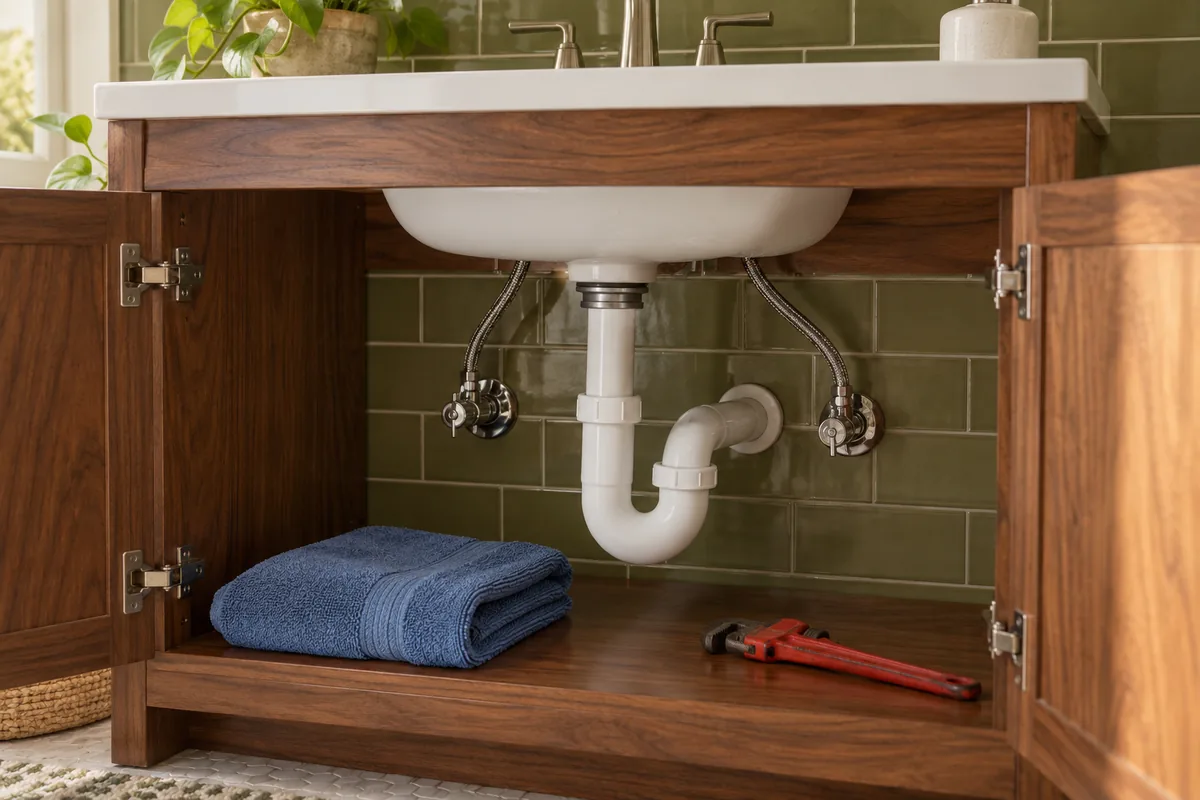
Do not remove a cabinet, open a wall or dismantle drain piping as a routine booking step. Describe what you can already see. Any need to expose a line or change the entry belongs in the proposed work, with clear approval before it begins.
You can move ordinary dry items out of a safe path if practical. Keep away from wastewater and do not handle wet electrical items. If water has reached the route to the work area, report that condition from a dry location.
No one needs to repeat an overflow to prove that a drain has trouble. Tell us what happened during normal use and which fixtures showed the problem. Another test can add water to an area that already has an access problem.
Clearing Area and Method Selection
The proposed service should identify the drain or shared section it aims to clear. One clogged sink does not automatically call for cleaning every drain; several affected fixtures may warrant assessment of a common path. If the kitchen sink’s disposal will not operate, ask about garbage disposal repair as a separate appliance concern.
When drains clog again after earlier work, describe the result and timing. Did normal use return fully, improve for a short time or never recover? That history is more useful than assuming the same cause or method applies again.
The approach should fit the restriction, access and line condition. If hydro jetting is proposed, ask why it suits this section and what the work includes. A known cleanout does not make every method suitable.
Tell us which product was already poured into the drain and when, if known. Do not add more cleaner before the appointment.
Access Changes, Pipe Repair and Restoration
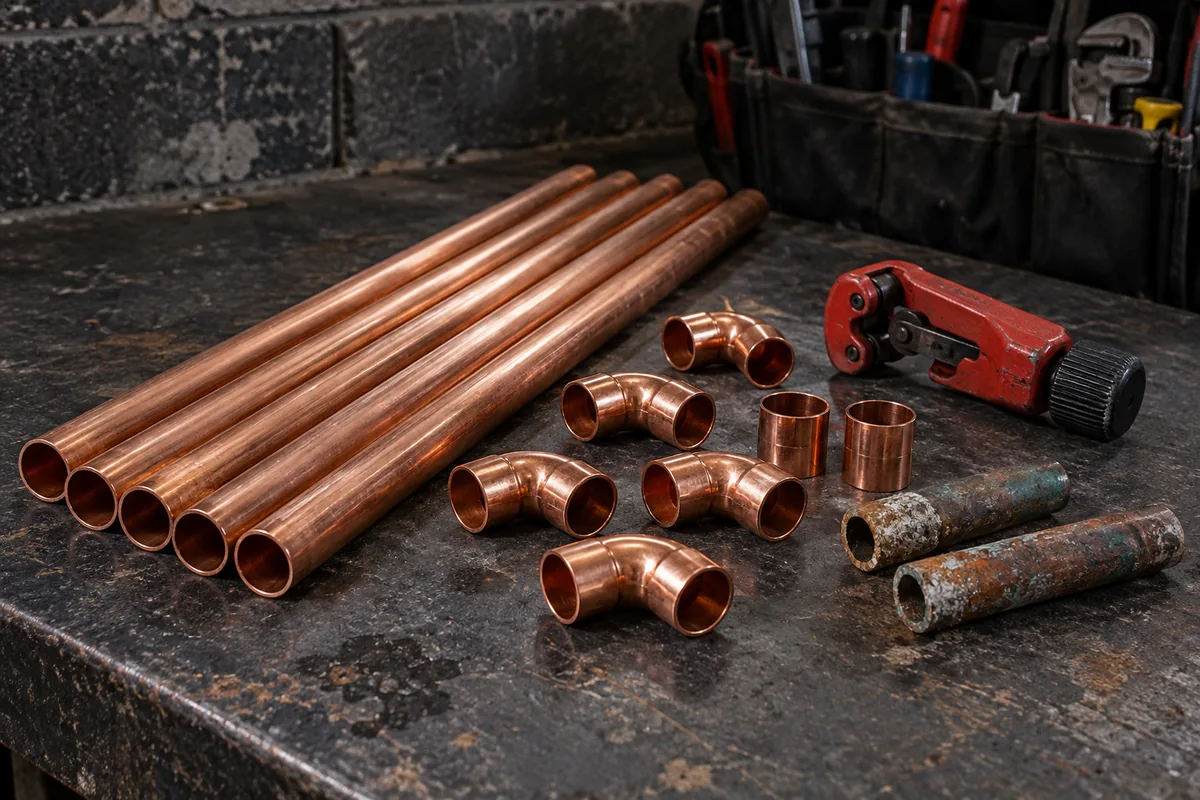
Clearing and repairing piping have different purposes. If findings show a leak or damaged section, pipe repair in Happy Valley needs a defined scope. Better drainage alone does not mend a failed connection.
The same principle applies to sewer-line repair or replacement. A proposal should connect that work to evidence about the relevant section. A backup does not, by itself, prove that a whole line needs replacement.
The agreement should identify any added access work, surface restoration or room cleanup. We explain changes before expanding the task.
When access limits the work, the service notes should identify the section covered and what remains unknown.
Drainage Results at the Affected Fixtures
The result should address the original symptom. If a shower held water, normal flow at a nearby sink is not the whole answer. The relevant drainage needs a check that matches the task and the conditions of the visit.
Keep any remaining symptom in the discussion. A fixture that still drains slowly may need further assessment, even if another drain now works. Record the completed task separately from any proposed next step.
Keep the date, work entry, section and result for future service, including any unresolved fixture symptom.
Request drain cleaning in Happy Valley from HVAC & Appliance Repair Guys using the service form below. Describe the affected fixtures and known access points or entry limits without opening the plumbing.
Frequently Asked Questions
Does an existing cleanout guarantee access to the blockage?
No. Its route and the actual line conditions still matter.
Request Drain Cleaning in Happy Valley, OR
For drain cleaning in Happy Valley, OR, call HVAC & Appliance Repair Guys or submit a service request through the form on this page.