



Drain Cleaning in Scappoose
HVAC & Appliance Repair Guys provides drain cleaning in Scappoose for slow sinks, standing water and backups. The affected fixtures and drainage pattern help identify the section to clear; a sink, shower and toilet do not always share the same restriction.
You do not need to identify a buried pipe before asking for help. Describe the fixtures affected and how they behave during normal use.
Tell us which fixture showed trouble first, whether water leaves slowly or returns, and what was in use at the time. A sink filling during its own use differs from a floor drain backing up when another fixture runs.
Mention previous clearing, plumbing work and drain products used. Earlier records may identify the access point or section addressed, but a returning symptom can have a different cause.
One Slow Fixture or Several Affected Drains
One slow sink may involve its fixture drain or branch. Several fixtures backing up together can call for assessment of a shared path. The findings determine the work; neither pattern alone establishes a need to replace the whole sewer.
Compare what happens at nearby fixtures without trying to force more water through a backed-up system. For example, note whether the shower was already slow before the toilet changed. Explain whether the kitchen and laundry drains still work as usual.
A simple account of what you have seen is enough; you do not need to run a stress test or open the pipe yourself. An existing photo may show the opening and water level. You do not need to recreate the problem.
Water may emerge at a low opening while the restriction lies farther along a shared line. The connected fixtures and access guide the entry point needed to reach that section.
Report gurgling and changes in drain speed with their timing. A sound during another fixture’s use adds context without locating the blockage by itself.
Kitchen, Bathroom and Laundry Drain Concerns
For a kitchen sink, describe whether both bowls are affected and whether water rises during a particular task or appliance discharge. Grease and food buildup can contribute to restrictions, but the findings should guide the cleaning method.
Bathroom concerns can involve a sink, tub, shower or toilet. Hair and soap residue can collect in some fixture drains, while other faults lie beyond the visible opening. If a toilet is the only affected fixture, describe what happens during a flush. If water rises in a shower at the same time, include that detail because it changes the question we need to investigate.
Laundry discharge can reveal a restriction that is less obvious during a smaller flow of water. Note whether water appears near the standpipe, in another drain or on the floor. Do not assume that a puddle proves the washing machine itself has failed. The source and the point in the cycle both help distinguish a drain concern from an equipment or supply leak.
The accessible condition and layout determine the clearing plan.
Drain Access and Suitable Clearing Methods
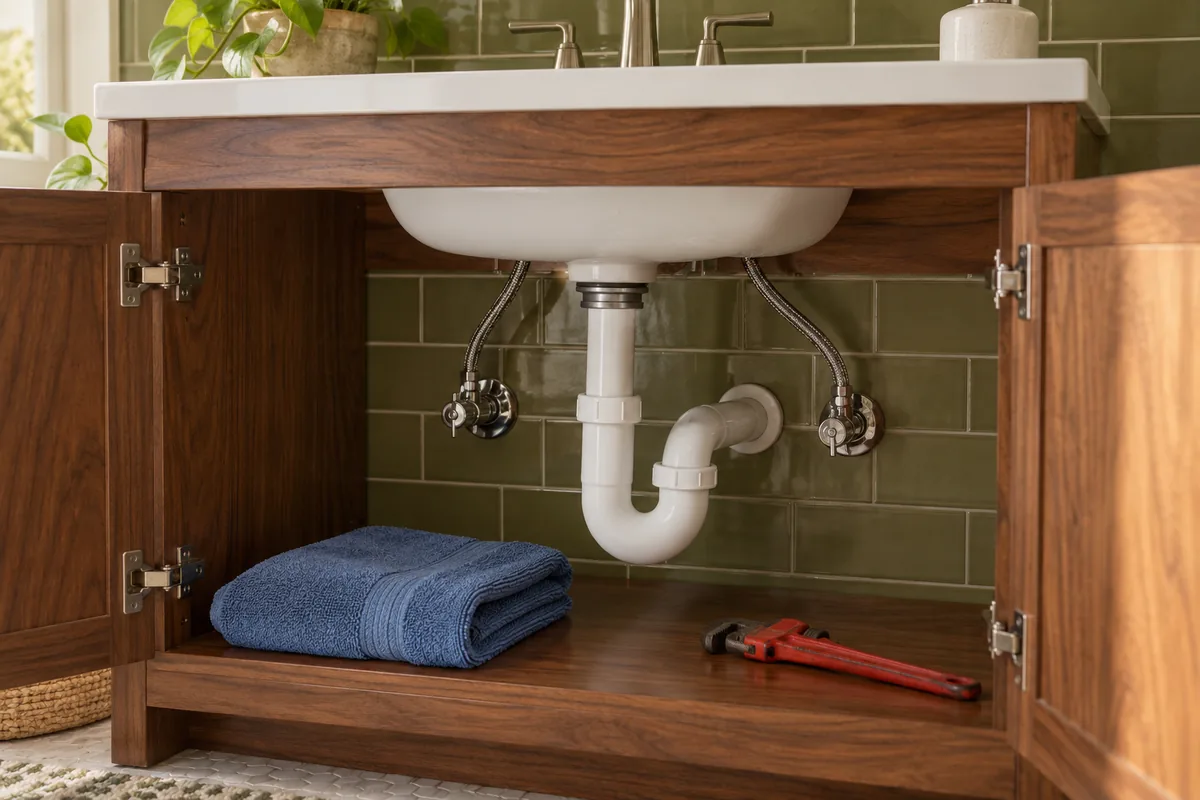
Drain cleaning needs an entry point that can reach the affected section. A service opening, often called a cleanout, may provide a better route than the fixture where water appeared. Let us know about any known access point and whether it sits behind stored items or in a room with limited entry. Do not remove a cap from a backed-up line to prepare for the visit.
The route, pipe size and known condition guide equipment selection. A cable-based method can address certain obstructions; other approaches suit different tasks. A more forceful method is not automatically better.
Ask which section the planned entry can reach and how it relates to the symptom. Clearing through one opening does not establish the condition of every connected branch.
If access or pipe condition limits the first task, we explain whether a different entry, inspection or repair is needed before changing the work.
Ask whether the aim is to restore flow through a blockage or clean buildup along a defined section. Those goals can involve different work. The proposal should explain the intended result of the selected approach.
Recurring Blockages and Earlier Results
For a recurring blockage, describe how long improvement lasted, which fixtures are affected and any change in use. The cause may be a remaining restriction, another section or a condition cleaning cannot resolve.
Share earlier records of the entry, method or section reached when available, leaving unknown details qualified.
Inspection may help answer a specific question once access and visibility allow it. Ask what the inspection would establish and how its findings would affect the next step; it is not automatically included in every clearing visit.
If findings identify a damaged section, pipe repair in Scappoose or sewer-line work may be needed. The proposal should explain the affected section, repair purpose and scope separately from further cleaning.
Safe Preparation and Property Access
If a fixture backs up, stop using that drain. Adding more water to test it can cause further overflow.
Keep children, pets and personal items away from overflow. If several fixtures appear connected to the backup, describe that pattern when arranging service. The condition may affect which areas can remain in use before the assessment.
Clear a practical route to the affected fixtures and any known access point. Move loose items from under a sink or near a drain where it is safe to do so.
Leave connected pipes, traps and equipment in place. We discuss any removal the work needs. Taking things apart beforehand can hide the original symptom or create another leak.
Tell us about drain chemicals or other products already used, including the name if you know it. Do not mix products or add more chemicals to a drain that remains blocked. That information matters for the person working on the line. You do not need to handle standing water or attempt another treatment to make the visit useful.
For rented or shared space, identify who arranges access and approves work. The useful entry may lie outside the room with the affected fixture.
Drain-Cleaning Costs and Included Work
Drain cleaning costs depend on the task, access and findings. A single fixture concern can involve different work from a shared-line backup.
Compare the section, method and any related work included. We explain the task and price before approval.
The price should identify any inspection or repair separately from clearing. We explain additional findings and proposed work before expanding the task.
After the work, flow checks should address the original fixtures and section. Normal flow at one sink does not establish that every hidden branch is clear or sound.
Keep the entry point, section, result and open recommendations. A returning symptom’s timing and location help the next assessment.
Reduce Avoidable Buildup after Cleaning
What enters a drain affects the conditions inside it. Keeping food scraps and grease out of a kitchen drain can reduce avoidable buildup. In bathrooms, a suitable hair catcher can help limit what enters the fixture drain. These habits support routine use, but they do not repair a damaged pipe or guarantee that a line will never block again.
If a slowdown returns, note whether it resembles the earlier pattern or affects a different fixture. Avoid adding a strong drain product in response; the next task should follow the condition.
Keep any recommended follow-up with the service record. The timing and type of future care should reflect the line’s condition, use and findings from the visit.
Request drain cleaning in Scappoose from HVAC & Appliance Repair Guys using the service form below. Identify the affected fixtures and describe the result of any earlier clearing.
Frequently Asked Questions
Is a camera inspection included with every cleaning?
Do not assume it is. The agreed scope should state any inspection it includes and the question that inspection aims to answer. Cleaning and inspection serve related but different purposes.
Request Drain Cleaning in Scappoose, OR
For drain cleaning in Scappoose, OR, call HVAC & Appliance Repair Guys or submit a service request through the form on this page.