



Drain Cleaning for Occupied Homes and Work Areas
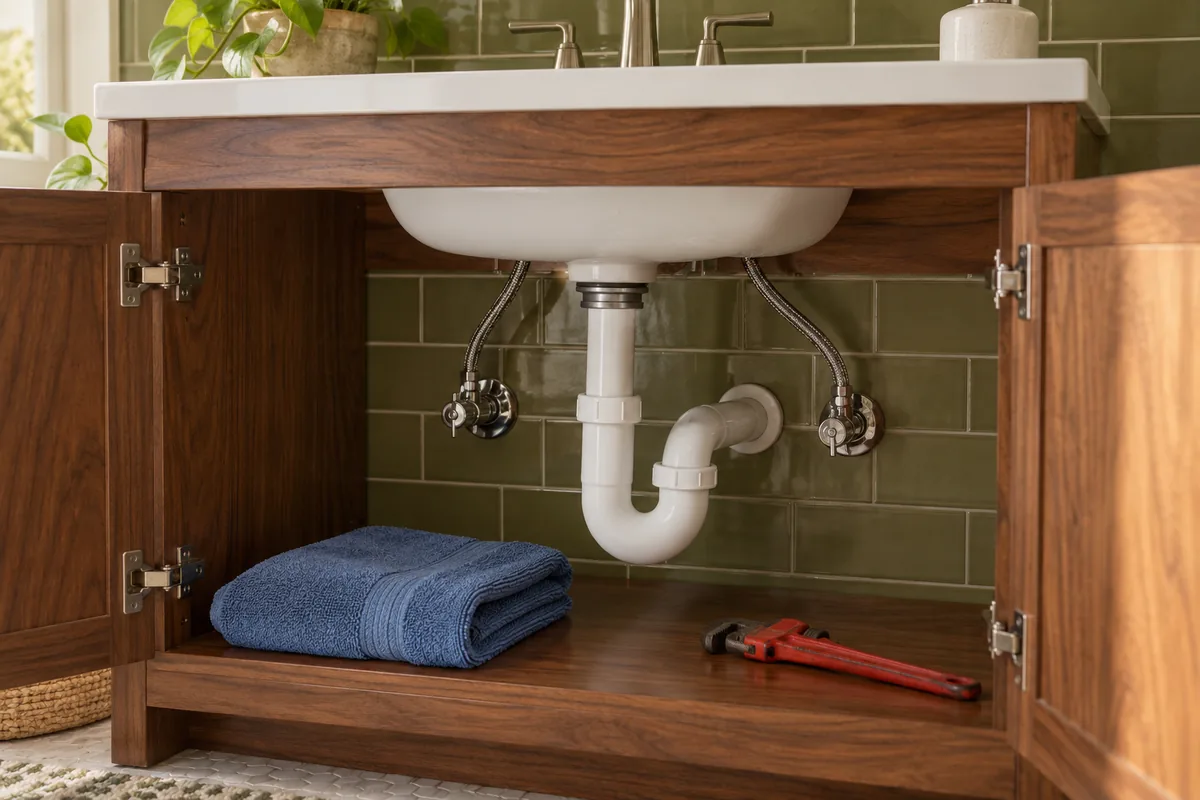
HVAC & Appliance Repair Guys provides drain cleaning in Wilsonville for slow drains and backups at individual fixtures or shared lines. The affected section, condition and access guide the work. Describe the fixtures involved and any restrictions on reaching them while the property is occupied.
The work may involve a line that serves fixtures in more than one room. Normal use elsewhere can then send water toward the section receiving service. The visit should clarify which fixtures need to stay unused while that task proceeds.
Nearby fixtures may need different restrictions on use. The relevant connections and work determine which fixtures must remain unused and for how long.
Drainage Patterns and Property Access
Name the fixture where you first noticed the problem and what happened during normal use. Slow emptying, standing water and water returning through another opening are different observations. Include other affected locations without assuming they all have one cause.
Give the timing of other occupants’ reports and any limited access windows. A symptom alone cannot establish a fixed service duration.
Identify who controls entry and who can approve work if those roles differ.
Mention a known cleanout or earlier work entry. You do not need to expose hidden piping or remove fixtures before the visit. Any access change should be part of the proposed task and approval.
Clearing, Camera Inspection and Separate Repairs
The plan should identify the drain or section and the intended result. If hydro jetting is proposed, ask how it fits the line condition and access. One restricted fixture does not automatically require work on every branch.
Sewer camera inspection in Wilsonville serves a different purpose from clearing. It gathers observations about accessible piping. If the request needs both tasks, the proposal should explain the reason and sequence.
For broader business-property needs, see commercial plumbing in Wilsonville. A toilet tank that keeps refilling needs a separate toilet repair assessment; drain cleaning does not address its tank mechanism.
Any inspection, structural repair or room cleanup should have a stated purpose, scope and approval before it is added.
Fixture Use and Backup Safety
Follow the instructions for which fixtures must remain unused during the work, and share them with everyone using the area. Do not infer the affected fixtures only from the room where the backup appeared.
Before the visit, do not run another cycle or fill a basin to demonstrate an overflow. Describe the event already observed. Keep people away from wastewater and report unsafe access from a dry location.
Share any cleaner or other product already added to the drain. Include earlier service and whether normal flow returned. Do not add another treatment as preparation.
Drainage Results and Return to Fixture Use
The relevant check should address the original complaint and section included. A fixture flowing again does not prove that every connected pipe is sound. Keep any remaining symptom or separate condition visible in the service record.
Clarify the return to normal use with the person completing the work. Do not assume that progress at one point means every paused fixture is ready at the same time. The answer should follow the actual task and any open concern.
Save the work entry, section addressed and result. Keep any follow-up recommendation separate, with its purpose and scope.
Request drain cleaning in Wilsonville from HVAC & Appliance Repair Guys through the service form below. Identify the affected fixtures, occupied work areas and any limits on access.
Frequently Asked Questions
Can a symptom alone establish the exact visit length?
No. The required work, access and actual conditions can change the time involved.
Request Drain Cleaning in Wilsonville, OR
For drain cleaning in Wilsonville, OR, call HVAC & Appliance Repair Guys or submit a service request through the form on this page.