


Air Duct Cleaning in Hillsboro
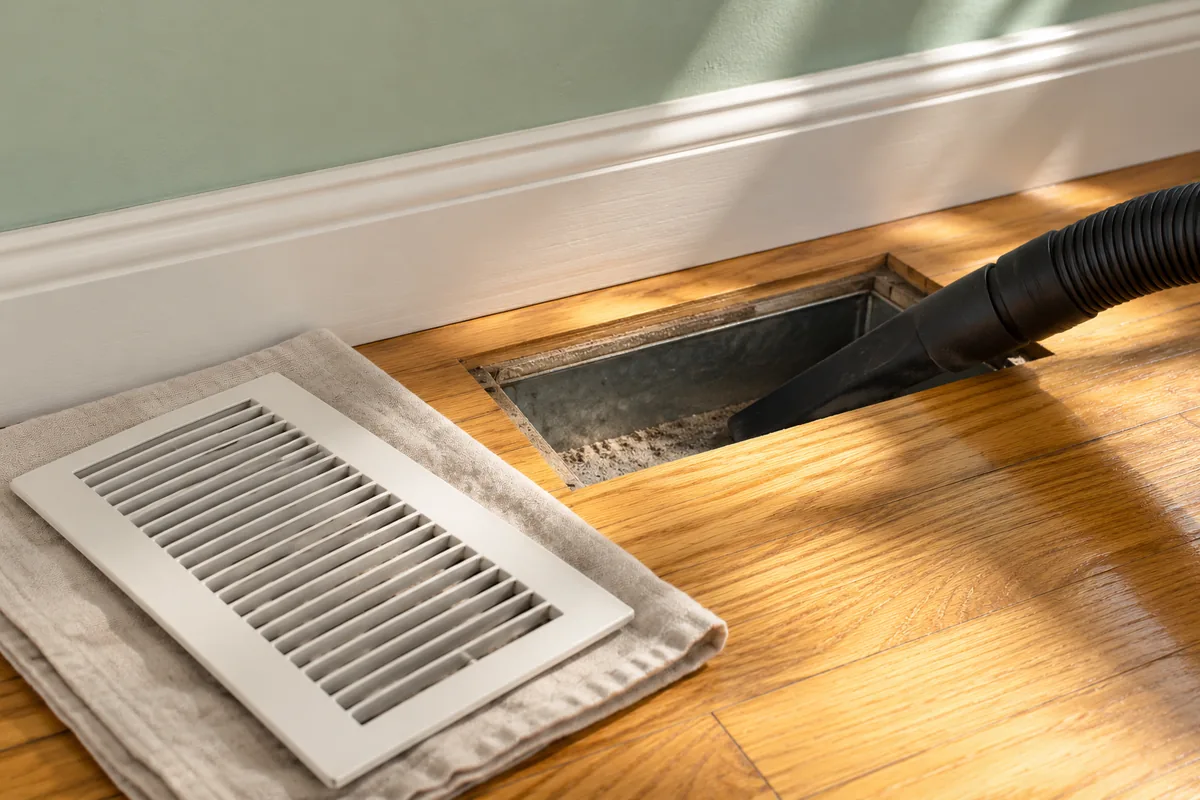
HVAC & Appliance Repair Guys provides air duct cleaning in Hillsboro, OR. Cleaning targets debris in the agreed heating-and-cooling air path. In a home with several systems, the affected rooms and equipment determine which paths need review. Describe the concern first; the assessment can establish the system, condition and access before the scope expands.
There is no need to know every hidden connection before you contact us. A clear room list and the locations of known equipment can provide a useful start. Keep uncertain links open for assessment. The plan should follow the actual setup instead of assuming that all visible vents connect to the same unit.
If the concern affects the whole home, describe what that means in observable terms. Several dusty surfaces may look alike without proving a single source. Note where material appears and when you notice it. Those details help define which systems and areas need review before cleaning goes ahead.
Affected Rooms and Air Paths
Use familiar room names to describe where the concern occurs. Note any floor or area with a different condition; the observed pattern does not establish the hidden duct route.
Tell us whether debris appears at a vent during normal use or collects on nearby surfaces over time. Include any area that still seems unchanged. A consistent-looking grille does not establish that every branch has the same condition behind it.
Keep photos and notes under the same room names. A series of close vent photos can be hard to sort without a wider view or label. Do not remove fixed parts for a better image. Safe views from normal room access are enough to explain what prompted the question.
Separate Systems and Service History
Keep each system’s service dates and tasks together. Work on one unit is not the service history of another.
Mention any recent filter change, repair or indoor work that relates to the affected area. State the timing without treating it as proof of the cause. Several changes may occur during one period.
If you have a past cleaning record, share the original description of the systems and areas covered. We can compare that history with the current concern.
Duct Cleaning or Equipment Repair
Some room differences concern the system’s function rather than debris in ducts. Describe an equipment stop, weak heating or cooling, or a change in airflow as its own symptom. Our HVAC repair service in Hillsboro covers assessment of those faults. Cleaning should not stand in for repair work whose cause remains unclear.
If only one system has a fault, identify it as closely as you can from normal access. Keep observations from the other equipment separate. A working unit can provide context without proving that the entire home is free of concerns. The technician reviews the actual equipment and air path involved in the agreed request.
We explain when a cleaning proposal addresses only part of what you reported. Ask which concern the work aims to address and which needs another step. A broader service discussion does not mean every task forms part of one approval.
Access Across Multiple Systems
Different parts of a home may have different access needs. Describe equipment closets, high grilles, fixed storage and any locked room. Identify who can provide entry to each area. Access to one room may not reach every relevant section.
Do not enter a tight space or open a wall to trace a route for the request. Tell us what you can see safely and which parts remain hidden. We discuss the access suitable for assessment and the proposed work. An unknown branch should remain a stated limit until its role is clear.
If work can only occur in stages, explain the reason before booking. Household timing or room access may affect the plan. Ask how the scope records each stage and any section still pending. Work completed in one stage does not cover sections still pending.
Included Work and Separate Repairs
Our air duct cleaning overview covers the service category. For your Hillsboro home, the proposal should identify the relevant air paths, areas and tasks. Ask about any part excluded because of access or a different work need.
We discuss separate repair findings and proposed changes before adding work. Tell us who can approve those changes and how to reach them during the visit.
Retain the final scope under the correct system. If a concern returns in a different room group, identify that location so the follow-up addresses the current air path. Contact HVAC & Appliance Repair Guys to request air duct cleaning in Hillsboro.
Frequently Asked Questions
Can I request work for one system without cleaning every system in the home?
Describe the concern and the areas you want reviewed. We confirm the actual air path and proposed scope. One request should not automatically include unrelated systems or tasks that lack a clear reason for cleaning.
What if two thermostats do not tell me which rooms share ducts?
Record the control and equipment locations you know, plus the affected rooms. Do not trace hidden routes or change settings just to map them. We can review the setup before defining the work.
How should a staged cleaning appear in my records?
Keep each completed area and any pending section clear. Include the relevant equipment and reason for an access limit. A future visit can then start from the actual work history instead of assuming the whole home received the same service.
Request Air Duct Cleaning in Hillsboro, OR
For air duct cleaning in Hillsboro, OR, call HVAC & Appliance Repair Guys or submit a service request through the form on this page.
Before your visit
Air Duct Cleaning details for Hillsboro, OR
For Hillsboro, OR duct cleaning, describe the system layout, accessible areas, and the concern that prompted the request. The cleaning work depends on inspection and safe access; an indoor-air-quality or health result is not guaranteed.
Name the on-site contact
Confirm who can meet the technician, approve the visit, and discuss any recommended work at the Hillsboro, OR address. If an owner, tenant, manager, or facility contact is different from the person submitting the request, share the correct names and telephone numbers before the visit.
Prepare a safe work area
Before service in Hillsboro, OR, provide ordinary safe access and move loose storage only when it can be done without risk. Keep children and pets away from the work zone. Leave panels, built-in equipment, piping, wiring, and refrigerant components in place for the technician to evaluate.
Describe what is working
Describe what is unusable, what remains operational, and whether the issue affects one unit, one area or several pieces of equipment. This helps distinguish an isolated air duct cleaning request in Hillsboro, OR from a broader utility, access, or system condition.
Note testing conditions
Some air duct cleaning checks depend on the equipment being safely operable and on current site conditions. Tell us if the system has been shut down, drained, disconnected, emptied, or unavailable for testing at the Hillsboro, OR property because these conditions can limit the checks that can be completed.