



Air Duct Cleaning in Tualatin
HVAC & Appliance Repair Guys provides air duct cleaning in Tualatin, OR. Cleaning removes debris from the agreed air path; the current duct condition determines whether more work is appropriate. Describe the concern and any earlier cleaning or equipment service. A new event, an unfinished area and an unchanged symptom may require different next steps.
Keep the original work description and any later observations together. You do not need to decide which explanation is right before contacting us. The assessment can then define whether more cleaning or another type of service fits the actual concern.
Earlier Cleaning and Unfinished Areas
Share the earlier description of equipment, rooms and tasks. Leave details unstated by the record open rather than assuming every hidden section was cleaned.
Distinguish a completed job from an estimate or an option someone discussed. A proposed return visit is not proof of further work. The same applies to an item listed as pending because of access. Keep each task’s status clear so the next request begins from what actually happened.
If the record mentions a separate filter or equipment task, preserve that distinction. Work at a filter, blower area or visible grille does not describe every duct in the home. We review how those tasks relate to the current concern. A single general service date can hide differences that matter to the next decision.
Returning Dust and Changed Symptoms
Describe the concern that prompted the first visit, then what you notice now. Use the same room names where possible. Say whether dust appears in the same place, at a different vent or at a different stage of system use. A change in location or timing can matter even when the material looks similar.
Keep observations of surface dust separate from seeing particles leave a vent. A photo after an event may not show how the material arrived. Explain what you witnessed during normal use.
If the original concern improved for a time, include that period and when the new change began. The interval matters even if the symptom later returned.
Work and Access Changes Since the Visit
Tell us about remodeling, a filter change or equipment service that occurred afterward. State the timing without assuming that the latest event caused the problem. New conditions may provide context while the source still needs review. Keep the original cleaning history and later events in separate parts of the record.
Mention changes in room use, furniture or storage that affect access today.
Do not run repeated cycles, shake a grille or disturb material to prove that the concern remains. Existing observations from normal use are enough to start the request. Tell us which areas you cannot see safely.
Previously Inaccessible Duct Areas
Identify any earlier area left unfinished and whether its access has changed. The current condition still needs review before the next task is defined.
Describe high vents, equipment spaces, locked rooms and fixed storage that affect entry now. Identify who can open each relevant area. A return visit needs its own workable access plan. A note that the home was accessible before does not establish that every section will be reachable this time.
If reaching a route could require an opening in a finished surface, discuss that need before any preparation. Do not cut an opening or dismantle ductwork based on an old note alone. We review the actual task and access. The proposal should distinguish service work from any finish restoration.
Duct Cleaning and Equipment Service
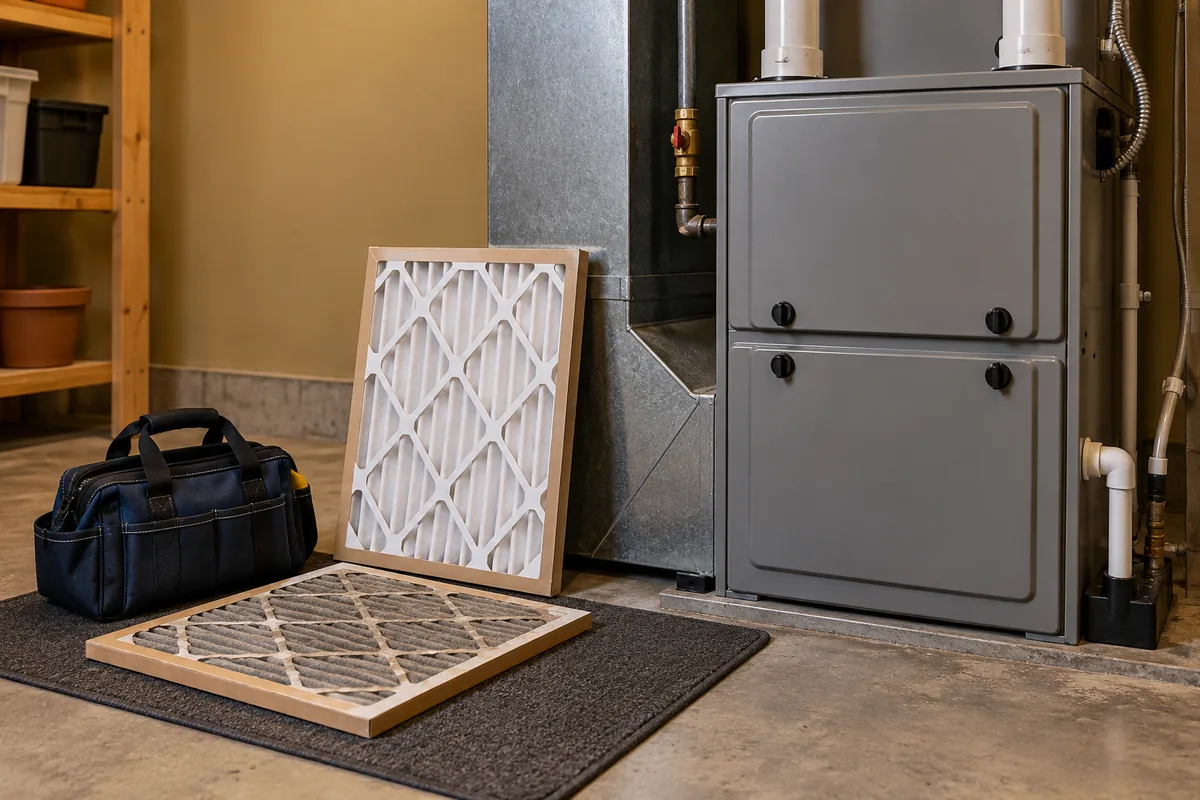
Our HVAC maintenance service provides a route for equipment-care questions that extend beyond a duct cleaning task. Explain any filter or blower concern with its own observations. A cleaning request does not cover every maintenance task. The work needs to match the relevant finding.
If heating, cooling or airflow has also changed, keep that symptom visible. Cleaning alone does not address every cause of weak performance. The earlier cleaning date should not hide a current equipment fault. We explain which part of the request needs a different service scope before work proceeds.
Our air duct cleaning overview describes the general service. For a follow-up visit, share the earlier work description and explain what changed afterward.
Proposed Work and Separate Approval
Ask which areas the new proposal covers and which concern each task addresses. Keep an open section from the earlier visit distinct from work prompted by a new condition. Both may belong in the plan, but the estimate should explain why.
If assessment identifies a different source or repair need, record it before expanding the scope. A cleaning approval is not permission for every added task. We explain the finding and proposed change. The person approving the work should receive the same description as the contact providing access.
For staged work, identify the task and access needed at each visit. A scheduled return is not a completed task.
Completed Work and Later Concerns
Retain the current findings, completed areas and any task still open. Include dates and the equipment or room group involved.
If another concern appears later, describe the event in its own terms. Note what changed since the most recent work and what remained the same. Do not automatically assign the old cause to the new observation. The service history is context for assessment, not a substitute for it. Contact HVAC & Appliance Repair Guys to request air duct cleaning in Tualatin.
Frequently Asked Questions
Does returning dust prove that the previous cleaning was incomplete?
Not by itself. Compare the actual earlier scope, present location and timing of the dust. A new event or a different source may also need review. We assess the current condition before choosing the next task.
What if the old record only says duct cleaning?
Keep that record and explain any tasks you know took place. Leave uncertain areas open instead of assuming the label covers every system part. The current assessment can define the relevant condition and work boundary.
Should the next visit automatically include a section you could not reach?
Discuss its current access and the reason it needs attention. An earlier open item is useful context, but the next scope still needs review. We confirm the actual task before treating it as ready for work.
Request Air Duct Cleaning in Tualatin, OR
For air duct cleaning in Tualatin, OR, call HVAC & Appliance Repair Guys or submit a service request through the form on this page.
Before your visit
Air Duct Cleaning details for Tualatin, OR
A useful Tualatin, OR duct cleaning request identifies the system, accessible areas, observed debris, and the reason cleaning is being considered. The cleaning work depends on inspection and safe access; an indoor-air-quality or health result is not guaranteed.
Share the service address
For Tualatin, OR, include the street address, building or unit number, room, and the equipment involved. Mention gates, elevators, building check-in, loading restrictions, or another access step before the appointment so the technician knows how to reach the equipment.
Confirm permission for the work
For rentals, managed properties, and multi-unit sites in Tualatin, OR, confirm who may approve the visit and any recommended work. If building management controls a utility room, roof, mechanical space, shutoff, or common area, arrange that access before the appointment whenever possible.
Share prior service history
Recent maintenance, earlier repairs, replaced parts, renovations, and recurring symptoms help explain the equipment’s service history. Share relevant records and any current concerns for the Tualatin, OR visit.
Use safe interim steps
Stop using equipment that is leaking, smoking, overheating, damaging the property, or repeatedly tripping protection. For the Tualatin, OR request, describe the safe steps already taken. Do not bypass controls, reach into moving equipment, or handle energized, fuel, or refrigerant components.