


Air Duct Cleaning in Wilsonville
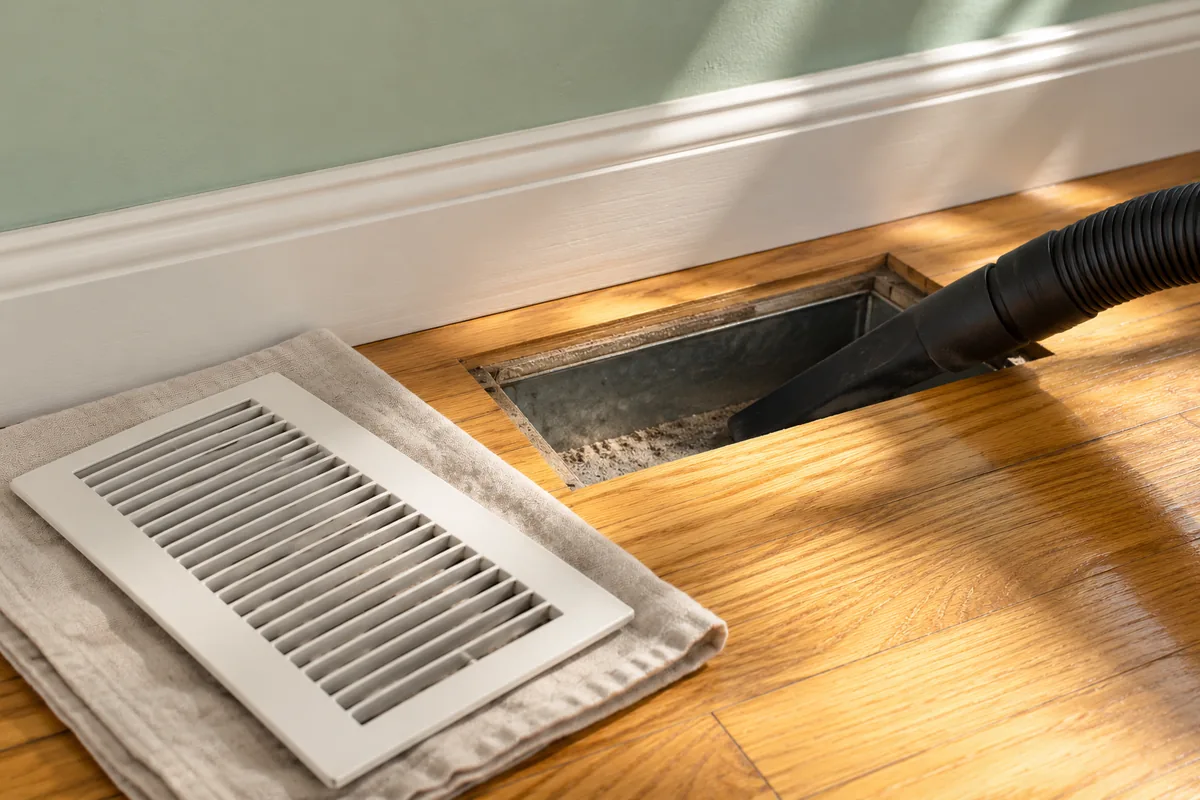
HVAC & Appliance Repair Guys provides air duct cleaning in Wilsonville, OR. Cleaning addresses debris in the agreed heating-and-cooling air path, with the duct condition and access guiding the work. Describe the visible concern before planning the rooms and timing the visit requires.
Supply ducts carry air to rooms, while return paths bring it back toward the equipment. A light coating on one grille cannot show the condition of every hidden section. Identify where material appears and whether it moves out of a vent during normal use.
Entry Contacts and Work Approval
Identify who will provide entry and who can explain the concern. Share a short description if those are different people.
Discuss who can approve a change if the finding calls for different work. Entry to the home does not by itself answer that question. Knowing how to reach the person making the decision helps us explain a finding and its effect on the scope. We should agree on added work before extending the task.
If a room needs a key or has a restricted access time, include that detail early. The technician needs access to the actual work areas, not just the front door. A plan that states those limits can identify what the visit can cover. It can also show where a separate stage may need discussion.
Safe Room Preparation
Describe furniture, stored items or other belongings near the areas of concern. Ask what space the proposed task needs before moving large items. Preparation should follow the plan for the actual visit. You do not need to clear unrelated rooms or dismantle a fixture to make an initial request.
Keep children and pets away from active work areas according to the visit arrangements. Discuss any route through the home that needs special care or cannot remain open. These details help define practical access. They do not replace the technician’s review of the system or establish a safe method for a concealed area.
Do not remove fixed covers, enter tight service spaces or reach inside ducts to prepare them for cleaning. A clear description of the access limit is enough for the request. We can assess the route and discuss any further step.
Visit Timing and Staged Work
Mention office hours, closed rooms or other timing constraints when booking.
Confirm whether the available window suits the assessed work; a preferred time does not establish the task’s duration.
If work must pause or proceed in stages, discuss the areas covered at each visit and retain any remaining area and agreed next step. Completing part of a route does not complete the whole job.
Ask how the proposed work affects normal use of the system during the visit. Follow the directions given for the actual job. Do not turn equipment on to test progress or change controls while the technician works.
Estimate and Repair Boundaries
Compare the estimate with the rooms and concerns you described. Look for the actual work areas, access needs and tasks included. A broad phrase such as whole-home cleaning may leave questions about particular sections or equipment. Clarify those questions before approval so the scope reflects a shared understanding of the work.
Check the boundary between cleaning and a separate repair. If the assessment finds damage or another issue, removing debris may not resolve it. The proposal should explain the finding and separate task before you decide on an added repair.
A system fault may need our HVAC repair service in Wilsonville. This includes a concern with heating or cooling.
Describe those symptoms along with the duct concern. That helps us review the right service path. It also avoids using cleaning as a general answer to a problem that needs diagnosis.
New Findings and Scope Changes
For a new finding, ask which area it affects and how it changes the cleaning task. Keep an observation distinct from a confirmed cause.
If the scope needs to change, discuss the work, cost and access implications before approval. State which original tasks will continue and which may remain open.
You may choose to leave an added task for later. If so, the record should identify that limit and any directions relevant to the system’s use. Do not assume that declining an extra task makes the original scope complete. Completion depends on the work actually performed and the areas it covered.
Completed Work and Returning Debris
Compare the completed areas with the approved scope and changes. Record unfinished work and remaining access limits.
Keep the record with the original observations. If debris appears again, note the location and timing instead of assuming the cause matches the earlier concern. We can review that new information alongside the completed work. A later observation deserves assessment rather than an automatic repeat of the same task.
Our air duct cleaning service overview explains the broader service. When arranging a Wilsonville visit, share the affected rooms, access limits and the contact who can approve any changes. Contact HVAC & Appliance Repair Guys to request air duct cleaning in Wilsonville.
Frequently Asked Questions
Do I need to empty every room before the visit?
Ask us which work areas need to be clear for your appointment. Describe nearby furniture or storage before moving large items. Leave fixed fixtures and duct components in place.
Will cleaning prevent all future dust buildup?
No. Keep the completed scope and report any later dust by room and timing. A returning concern needs assessment of the current condition rather than an automatic repeat cleaning.
What if the work cannot cover every area in one visit?
The scope and completion record should name the areas covered and those still pending. Discuss any later stage and its access needs separately. A partial visit does not complete the entire route.
Request Air Duct Cleaning in Wilsonville, OR
For air duct cleaning in Wilsonville, OR, call HVAC & Appliance Repair Guys or submit a service request through the form on this page.
Before your visit
Air Duct Cleaning details for Wilsonville, OR
For Wilsonville, OR duct cleaning, describe the system layout, accessible areas, and the concern that prompted the request. The cleaning work depends on inspection and safe access; an indoor-air-quality or health result is not guaranteed.
Name the on-site contact
Confirm who can meet the technician, approve the visit, and discuss any recommended work at the Wilsonville, OR address. If an owner, tenant, manager, or facility contact is different from the person submitting the request, share the correct names and telephone numbers before the visit.
Describe the observed condition
For air duct cleaning in Wilsonville, OR, describe visible debris, stale odor, renovation dust, airflow concern, or another observation that prompted the request. Describe what you can observe without assuming contamination. Inspection and safe access determine what can be cleaned; a health result is not guaranteed.
Prepare a safe work area
Before service in Wilsonville, OR, provide ordinary safe access and move loose storage only when it can be done without risk. Keep children and pets away from the work zone. Leave panels, built-in equipment, piping, wiring, and refrigerant components in place for the technician to evaluate.
Use safe interim steps
Stop using equipment that is leaking, smoking, overheating, damaging the property, or repeatedly tripping protection. For the Wilsonville, OR request, describe the safe steps already taken. Do not bypass controls, reach into moving equipment, or handle energized, fuel, or refrigerant components.