


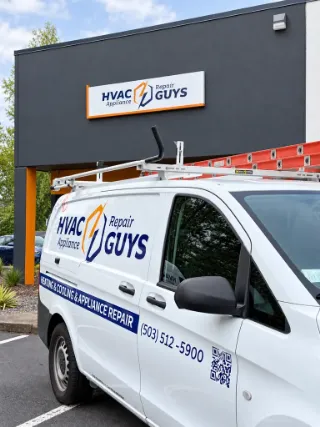

Furnace Maintenance in Keizer
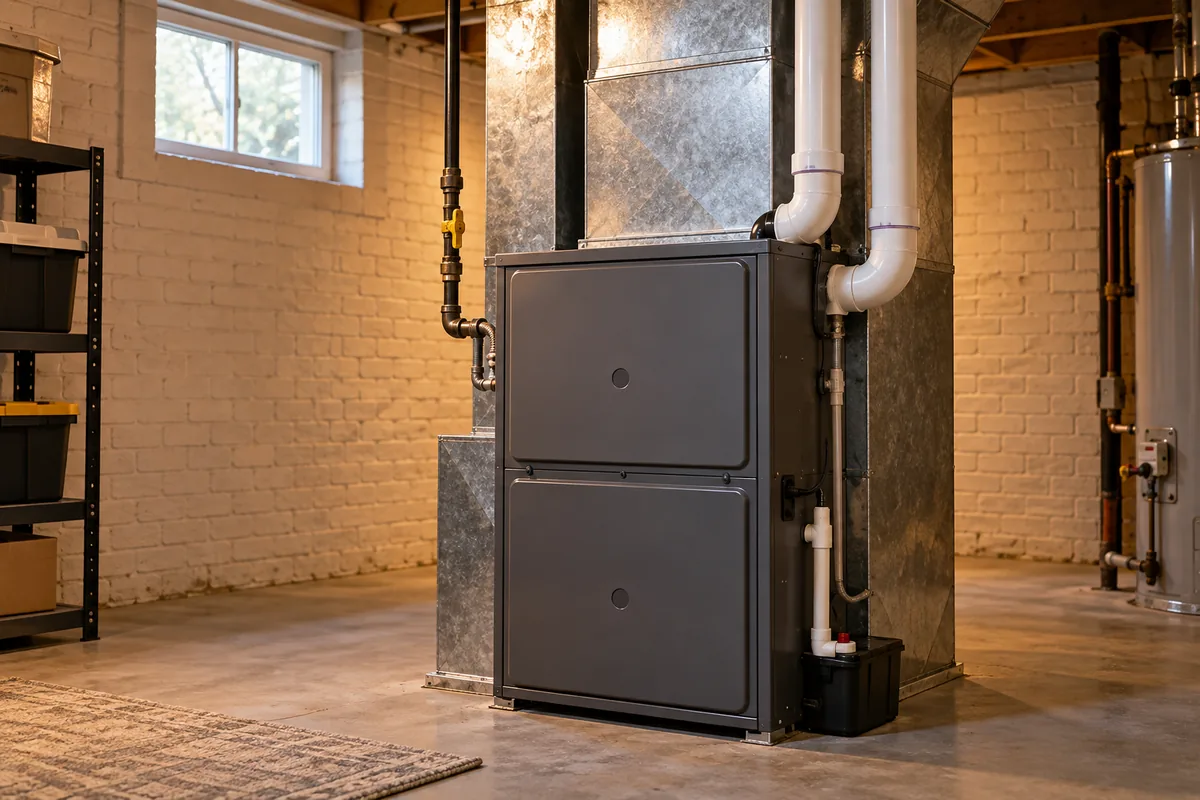
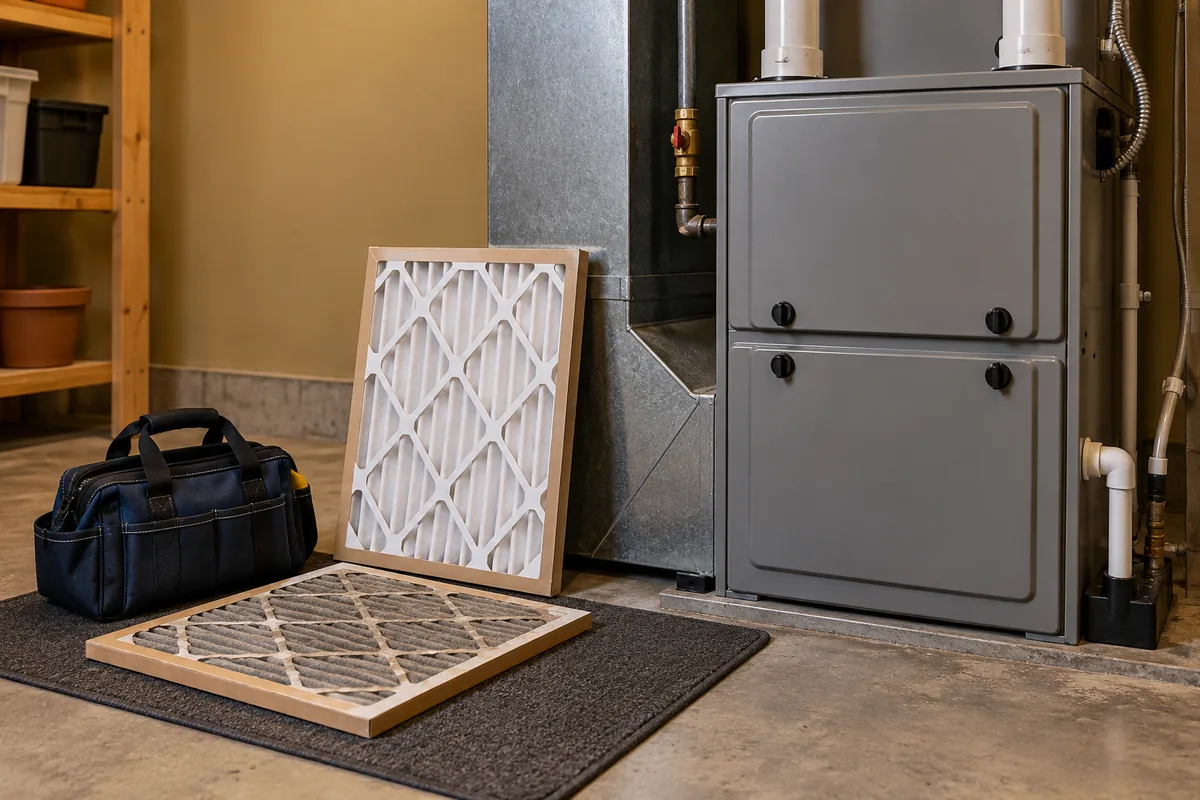
HVAC & Appliance Repair Guys provides furnace maintenance in Keizer, OR. Care considers airflow, the blower, controls and heating operation according to the unit’s requirements. Changes in run time, comfort or energy use help explain the request, but do not choose a repair by themselves. The findings should guide useful care without promising a specific saving.
Explain whether the furnace still reaches the temperature you normally want and whether its run time has changed. These observations help distinguish a comfort problem from a concern about energy use.
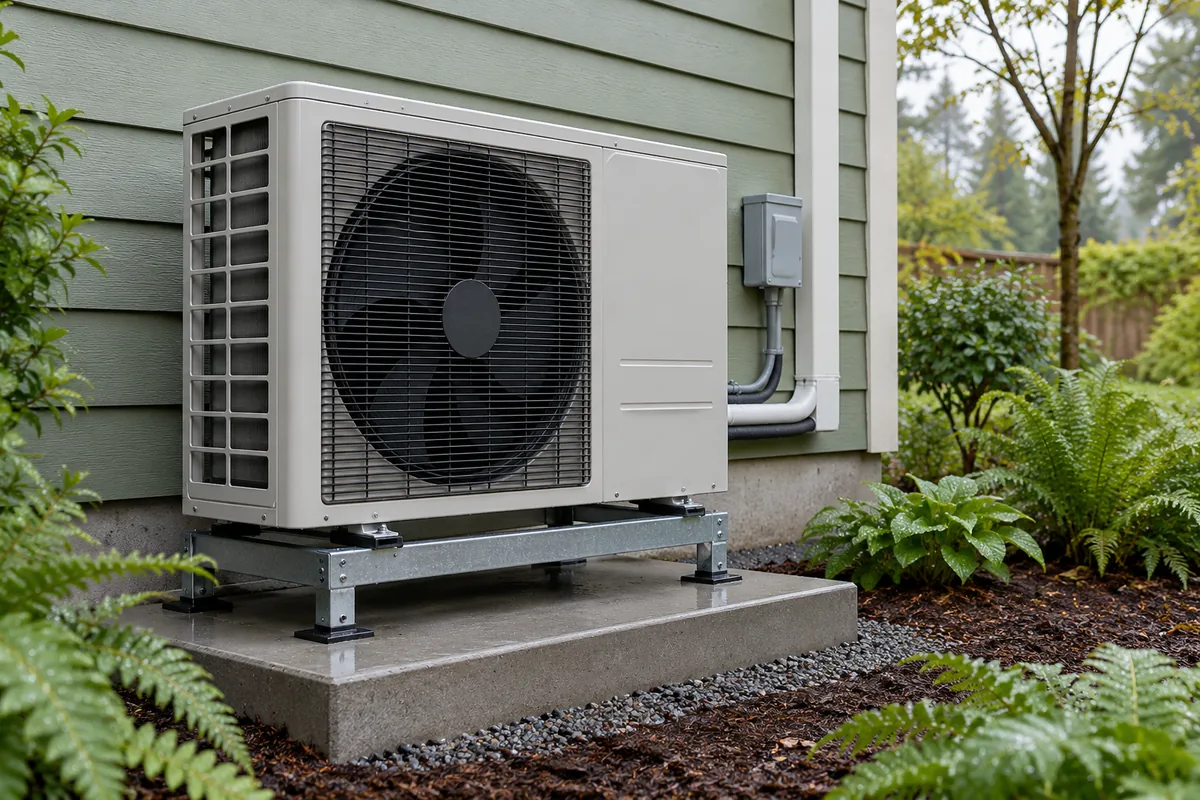
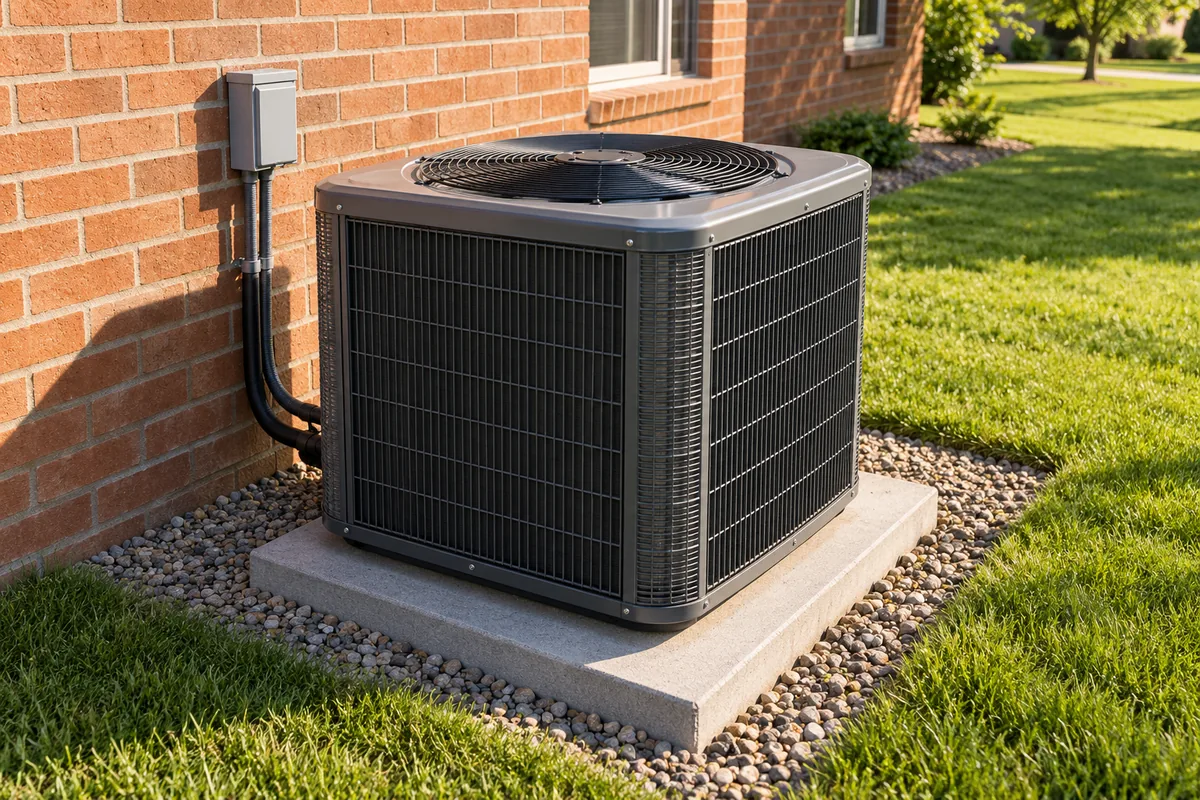
Our HVAC maintenance service in Keizer covers a wider equipment request. Mention other heating or cooling units if their use also changed. Confirm which equipment the visit includes; a change elsewhere in the home is not necessarily a furnace fault.
Changes in Heating Use and Energy Bills
Say whether the change began this week, after a control adjustment or over a longer heating period. Approximate dates are useful, but the sequence alone does not prove the cause.
Include known changes in room use or controls, such as a different daily schedule, additional occupied space or a new preferred setting.
If a bill raised the concern, note the period it covers and any change in warmth, airflow or operation. A bill alone cannot identify a faulty furnace part.
Routine Maintenance and Heating Faults
Our furnace repair service in Keizer addresses an operating fault. A unit that fails to heat or repeatedly stops needs that condition stated directly. Planned maintenance may also be relevant. The request should identify both needs without treating one routine task as a cure for every heating problem.
Share care tasks you know are complete, including their dates and the affected unit. Mention whether the current concern began before or after that work. Keep the timing as history rather than proof of a cause. The present equipment condition still needs review.
You do not need to time another heating cycle or change settings to prepare. Use observations from ordinary operation and messages already visible. Leave service panels and safety controls untouched. A stopped or suspect unit should not undergo another test just to make the account more detailed.
Maintenance Price and Additional Repairs
Review the included maintenance tasks and price. Any added repair should follow a stated finding and separate approval, rather than a general efficiency goal.
Ask what the proposed work can address and whether a room concern needs further checks. Maintenance cannot promise a fixed reduction in the next bill.
Completed Care and Remaining Performance Concerns
After service, review the completed tasks and the operating checks included in the visit. Keep the original change you reported alongside those findings. Ask which question remains open and what the next step would establish. A completed care visit and a resolved performance concern are not automatically the same result.
If you notice another change later, describe the current room result and settings again. Include anything that changed in household use after the appointment. Keep the maintenance record available for that discussion. The follow-up should use the present conditions rather than assume that a familiar pattern has the same cause. Contact HVAC & Appliance Repair Guys to request furnace maintenance in Keizer and describe the change in heating you want reviewed.
Frequently Asked Questions
Does a longer heating period prove the furnace needs a repair?
Run time alone does not identify a fault. Describe whether the home reaches the intended temperature and what changed from normal use. The actual setup and findings matter. Keep a clear loss of heat visible as a repair concern.
Can a tune-up guarantee that my next bill will be lower?
No. Heating bills also depend on weather, energy rates, thermostat settings and household use. Maintenance can address equipment care needs, but it cannot guarantee that the next bill will be lower.
Should I change the thermostat schedule to help with the assessment?
Describe the schedule you normally use and any change you already made. You do not need to create a different operating pattern for the visit. Keep earlier observations available. Avoid repeated tests on suspect equipment.
What if comfort improves but I still have a question about energy use?
Keep the improved room result and the remaining question separate. Share the work record and the period you are comparing. Explain any later change in use. The next discussion should address that specific question without erasing the result already observed.
Request Furnace Maintenance in Keizer, OR
For furnace maintenance in Keizer, OR, call HVAC & Appliance Repair Guys or submit a service request through the form on this page.