


Furnace Maintenance in Ridgefield
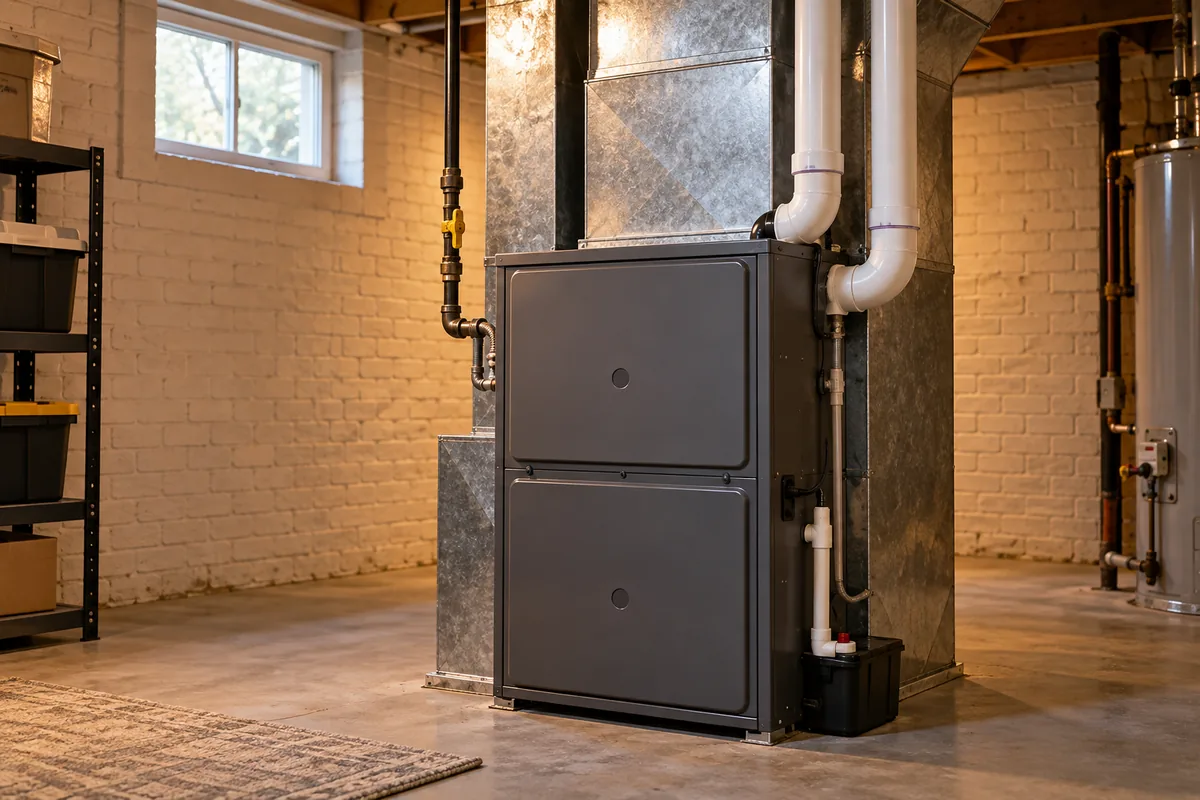
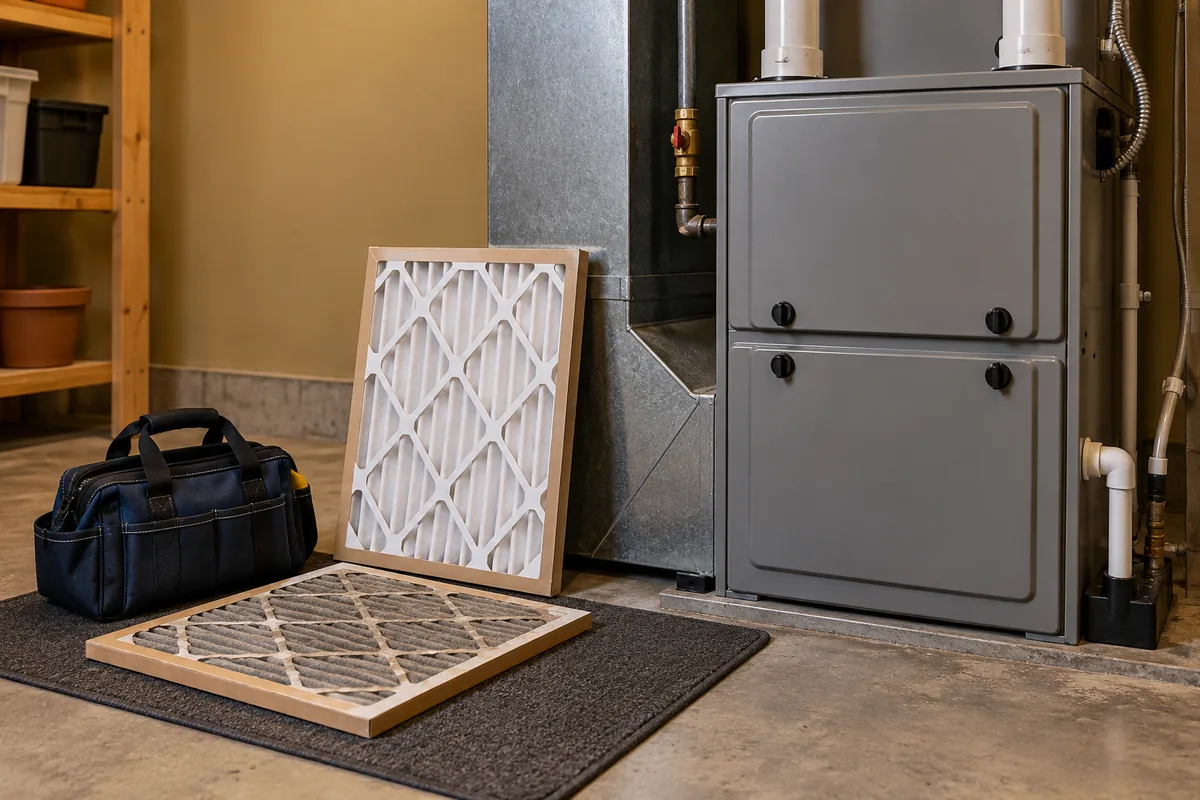
HVAC & Appliance Repair Guys provides furnace maintenance in Ridgefield. The visit should relate the furnace’s condition to appropriate care of the air path, blower, controls and heating operation. Share the service history and changes in room warmth. If someone else will attend, give them those observations and identify the person who can approve the proposed work.
A filter change is useful care, but it does not establish the condition of the blower or heating components. Report a loss of heat or repeated shutdown as an active problem so the appointment includes the needed assessment.
If an occupant supplied the observation, distinguish a cold room from a furnace that never started. Mark secondhand or uncertain details clearly rather than guessing a failed part.
Equipment Access and Work Approval
Explain how the technician can reach the furnace and the usual control. Mention a locked room or any known access limit before the visit. Keep the route available without moving installed equipment or removing panels. Someone who can open the door may still need another person to approve added work.
Agree who will review the scope and price of added work and how they can be reached. Being available for a call does not itself authorize a repair or expand the agreed maintenance.
Our HVAC maintenance service in Ridgefield can include broader heating and cooling needs. If another unit also needs care, identify it when booking and confirm which equipment the appointment covers.
Completed Care and Repair Recommendations
When sharing a finding, retain the equipment, task and proposed next step. Distinguish completed care from a repair recommendation or unanswered question.
Our furnace repair service in Ridgefield addresses a fault that needs diagnosis and corrective work. If the visit identifies that need, review its scope separately. Keep the proposed task and price together when discussing approval. Routine care does not automatically include every repair mentioned during the appointment.
If approval or access prevents a task, record what was completed, what remains open and what a return visit would address.
Service Record and Later Heating Changes
Give the person responsible for later care the service date, furnace details, completed tasks and any remaining heating concern.
If someone notices a change after service, note the symptom and when it occurred. Share that update with the work record when arranging follow-up. Contact HVAC & Appliance Repair Guys to request furnace maintenance in Ridgefield and arrange access with the person attending.
Frequently Asked Questions
Can someone else meet the technician for me?
Discuss the attendance and access arrangement when booking. Give that person the equipment details and original request. Make clear who can approve the work, especially if the findings lead to a separate proposal.
Does a working fan prove the furnace is heating?
No. Air movement and heat production are separate observations. Describe whether the rooms warm as well as whether air reaches them; the equipment checks must establish the heating response.
What should I send to the person attending?
Share the furnace location, known care history and any current heating concern. Add the access and approval arrangements. Mark uncertain or secondhand observations clearly instead of supplying a guessed diagnosis.
What if no one can approve a proposed extra task during the visit?
Keep that proposal separate from completed maintenance. Record the reason, suggested next step and any work still open. Discuss the later decision and scheduling through the company before treating the task as arranged.
Request Furnace Maintenance in Ridgefield, WA
For furnace maintenance in Ridgefield, WA, call HVAC & Appliance Repair Guys or submit a service request through the form on this page.