

Amana Furnace Repair in Portland Metro
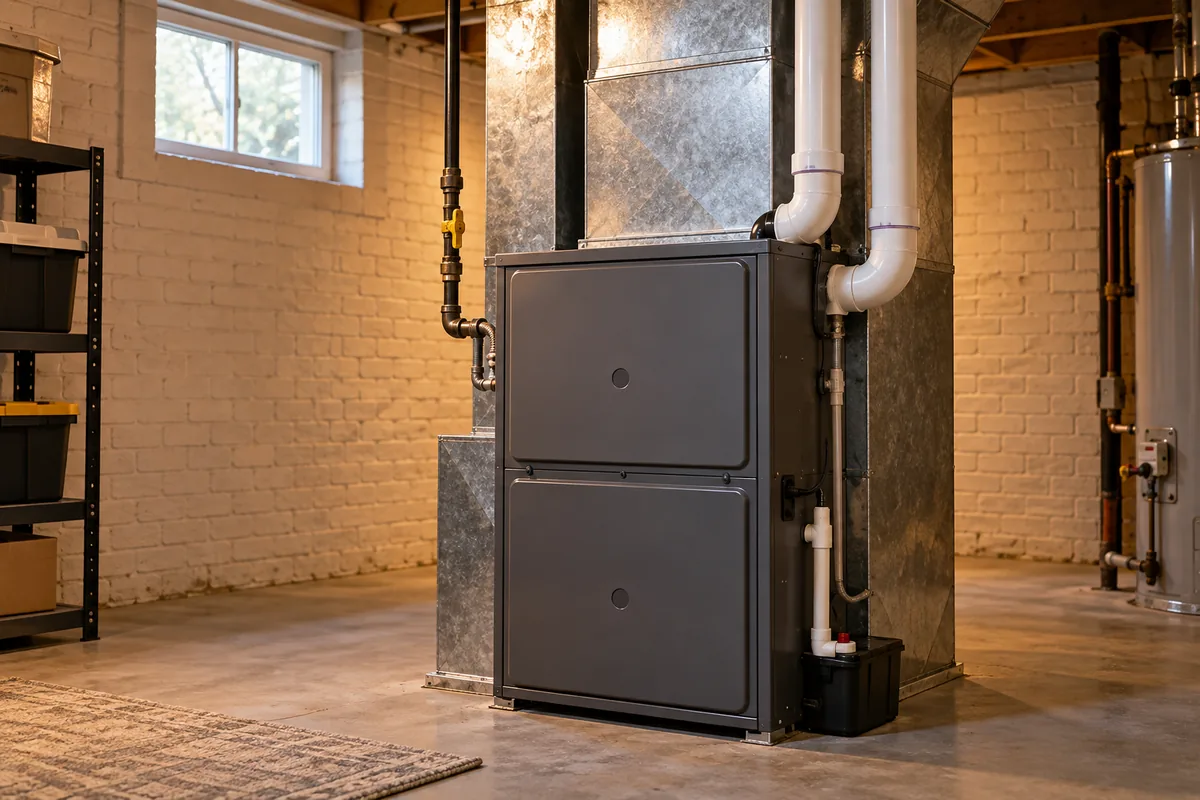
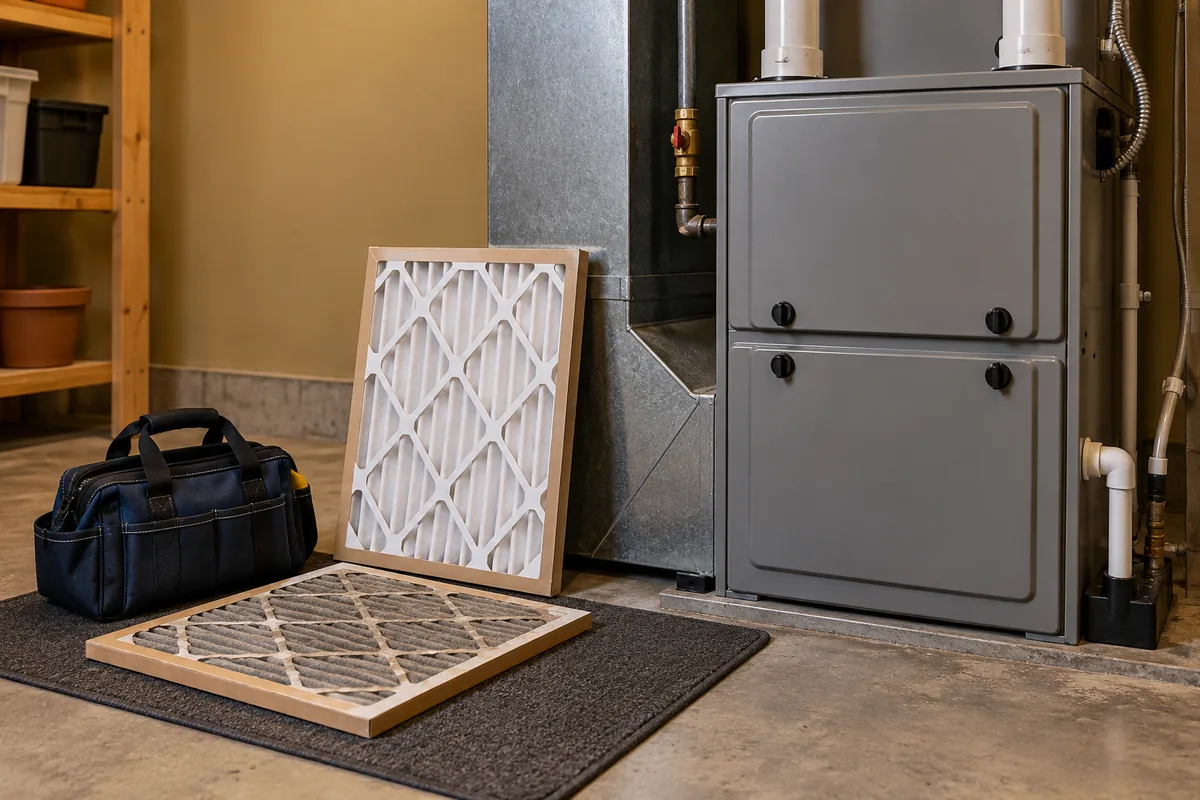
HVAC & Appliance Repair Guys provides Amana furnace repair in Portland Metro. Describe what the furnace no longer does as expected, whether it stays off, stops early or runs without useful warmth. The brand identifies the equipment family, but the actual model and setup guide the assessment. A repair recommendation needs findings that explain the current fault.
Compare the present behavior with normal use you have observed. A change in sound, airflow or run pattern can help describe the problem. Keep the room result with those observations. Quiet operation or a long run alone does not identify a failed part or prove that the furnace works correctly.
Our Amana HVAC repair service covers broader concerns involving other equipment. Identify the furnace and any separate heating or cooling unit that also has trouble so we can review each affected part of the system.
Single-Stage, Modulating and Variable-Speed Equipment
A single-stage furnace and a modulating furnace can have different heating responses. On a model designed for modulation, heating output can vary, and a variable-speed blower can change air delivery. These features depend on the equipment. Do not assume every Amana furnace should sound the same or follow one fixed run pattern.
Explain whether warmth never arrives, fades after a short period or fails in only part of the served space. Describe fan activity separately: moving air alone does not establish that the furnace delivers the requested heat.
Share model details from records or a label you can read safely. Mention a changed control or other unit without tracing connections yourself. Unknown details can remain for assessment of the installed setup.
Intermittent Heating and Fault History
Note when the problem first appeared and the normal setting in use. Keep any visible message in its exact wording. Include whether the furnace stopped completely or continued to move air. Those observations help define the checks without selecting a component before the assessment.
If heat returns before the appointment, describe the current state and the earlier failure, including any recurrence during ordinary use. One normal period does not explain the earlier fault.
Leave panels, gas parts, wiring and safety controls untouched. Do not change installer settings or repeatedly reset the furnace to produce a different response. Share any action already taken and what followed it. A useful service request does not require an internal inspection or a forced demonstration.
Model-Specific Repairs, Parts and Price
Review the diagnosed fault, proposed work and price before approval. Ask whether parts or further checks require another visit.
A component choice needs the actual model and the assessed requirement. Similar equipment names do not establish that every furnace uses the same part. Discuss the next step for any proposed item. Avoid assuming stock, coverage or a completion date before the service discussion confirms the plan.
When replacement is relevant, our Amana furnace installation service covers that separate project. A free estimator visit applies to installation or replacement, not repair diagnosis. Compare the defined equipment and work with the current repair proposal.
Repair Follow-Up and Planned Maintenance
Our Amana HVAC maintenance supports planned care. Explain the current heating failure first when arranging help. A care task and fault diagnosis have different purposes. Review any added routine work separately from the repair that addresses the lost heat.
After service, ask what heating checks were completed and whether any room concern needs follow-up. Keep the work details with the furnace model.
If the symptom returns, describe the current response and any new message rather than assuming the same part has failed.
Frequently Asked Questions
Should every Amana furnace follow the same heating pattern?
No. Features and control arrangements vary by model. Describe the change from the operation you know and the result in the rooms. The assessment should use the actual model and its heating response.
Does a quieter furnace prove that it is working correctly?
Sound alone does not establish the heating result. Explain whether the rooms warm and whether the behavior has changed. A quieter period may belong in the history, but it does not replace the checks needed to assess a current fault.
Can you select the repair from the brand and a display message?
Those details help frame the request, but the equipment and findings still matter. Preserve the wording and describe the failure that came with it. Leave the part choice open until the assessment connects the symptom with a confirmed condition.
Request Amana Furnace Repair in Portland Metro
Contact HVAC & Appliance Repair Guys to request Amana furnace repair and discuss your model and the change in its heating performance.
For Amana furnace repair in Portland Metro, call HVAC & Appliance Repair Guys or submit a service request through the form on this page.