


Furnace Repair in Forest Grove, OR
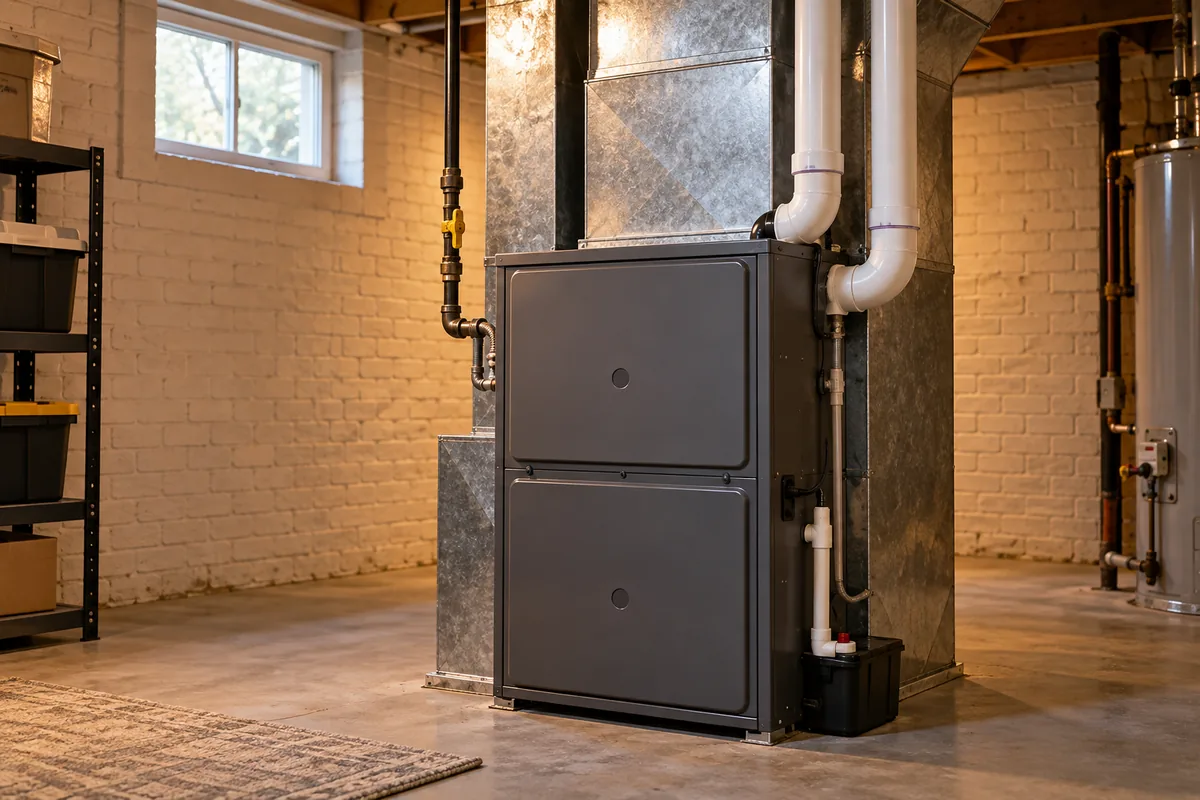
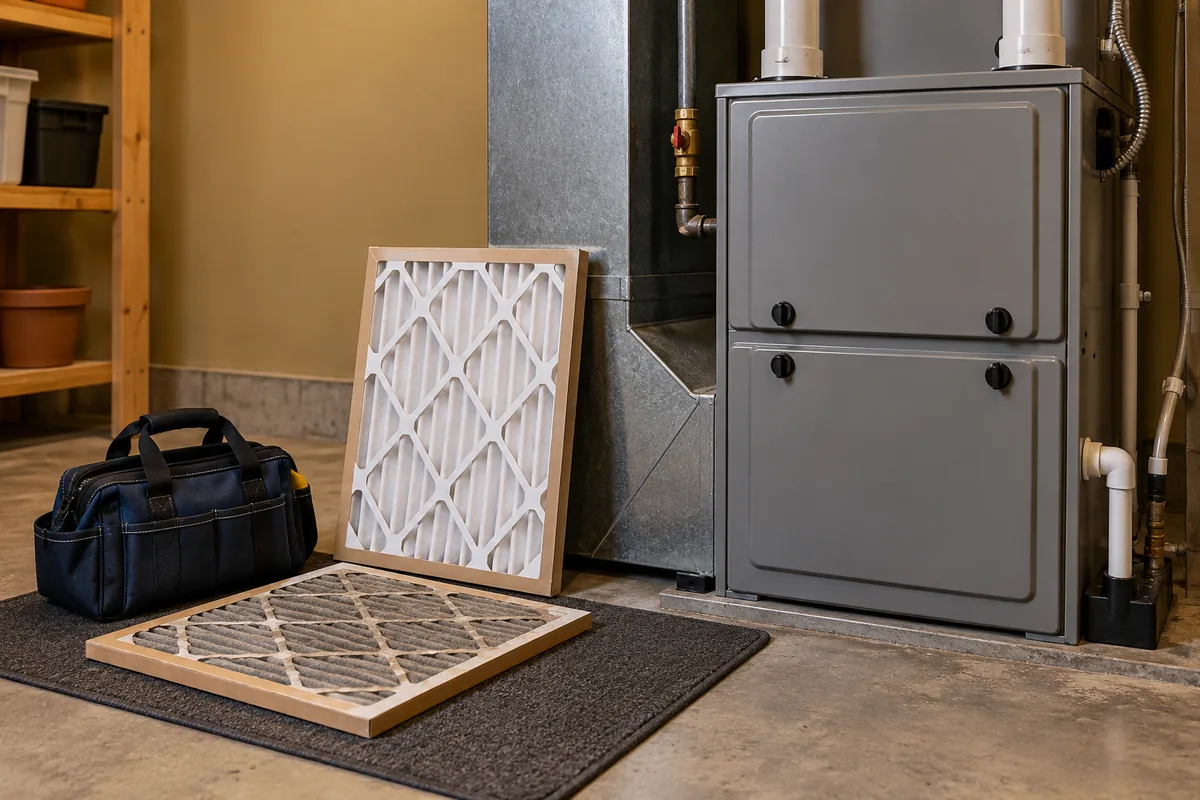
HVAC & Appliance Repair Guys provides furnace repair in Forest Grove, OR for no heat, repeated stops, weak airflow and water near the unit. We assess the equipment and explain repair options. Tell us whether heat never starts, ends too soon or fails to reach particular rooms.
A running blower does not establish that the furnace is producing heat. Describe air temperature and airflow separately, along with the thermostat request. Water adds another question: some condensing furnaces produce water during heating and need a drain, while nearby cooling equipment or another source may also be involved.
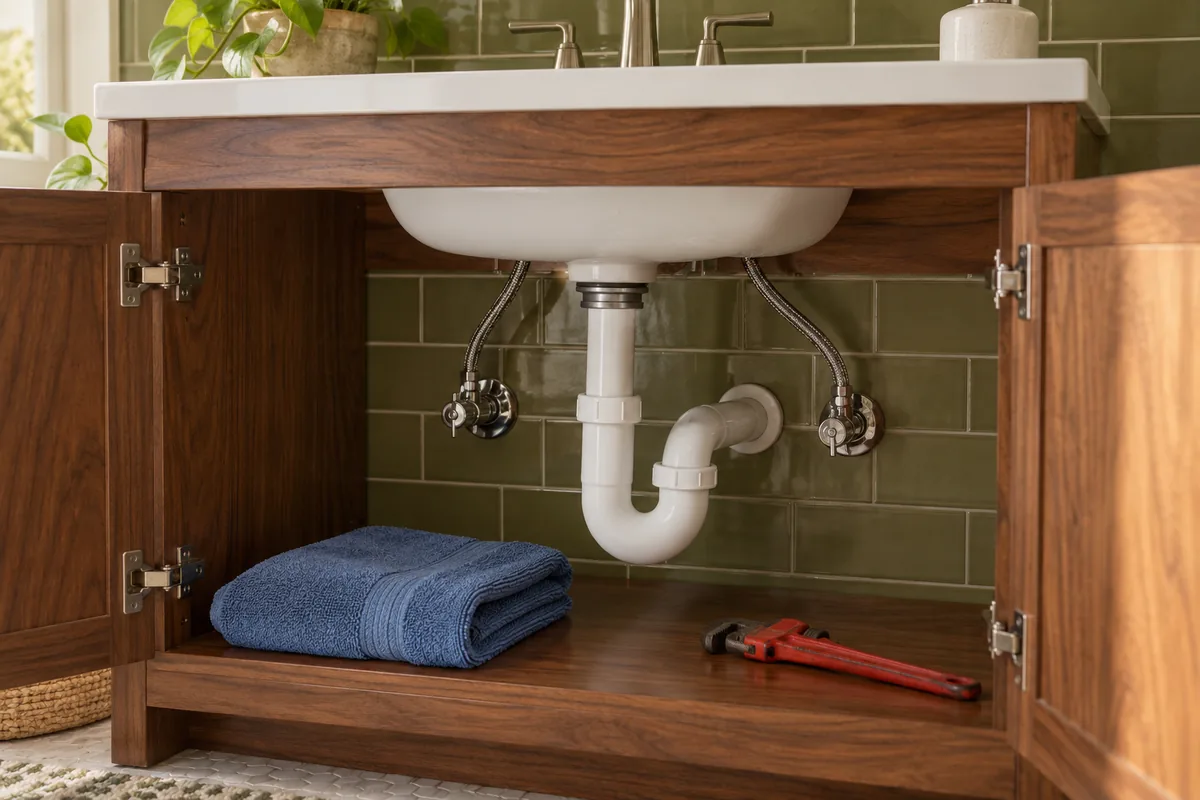
If water pools by the equipment, stop using the system and arrange help. Use the normal thermostat only if it is safe to reach. Stay clear of wet electrical parts. Do not open covers or restart the unit to see where another drop appears.
Water Location and Heating or Cooling Mode
Explain where you first saw the water from a safe, dry location. Note whether it was beneath the unit, beside it or near another item. Include when you noticed it and whether the wet area changed. You do not need to trace a hidden pipe or reach behind the cabinet.
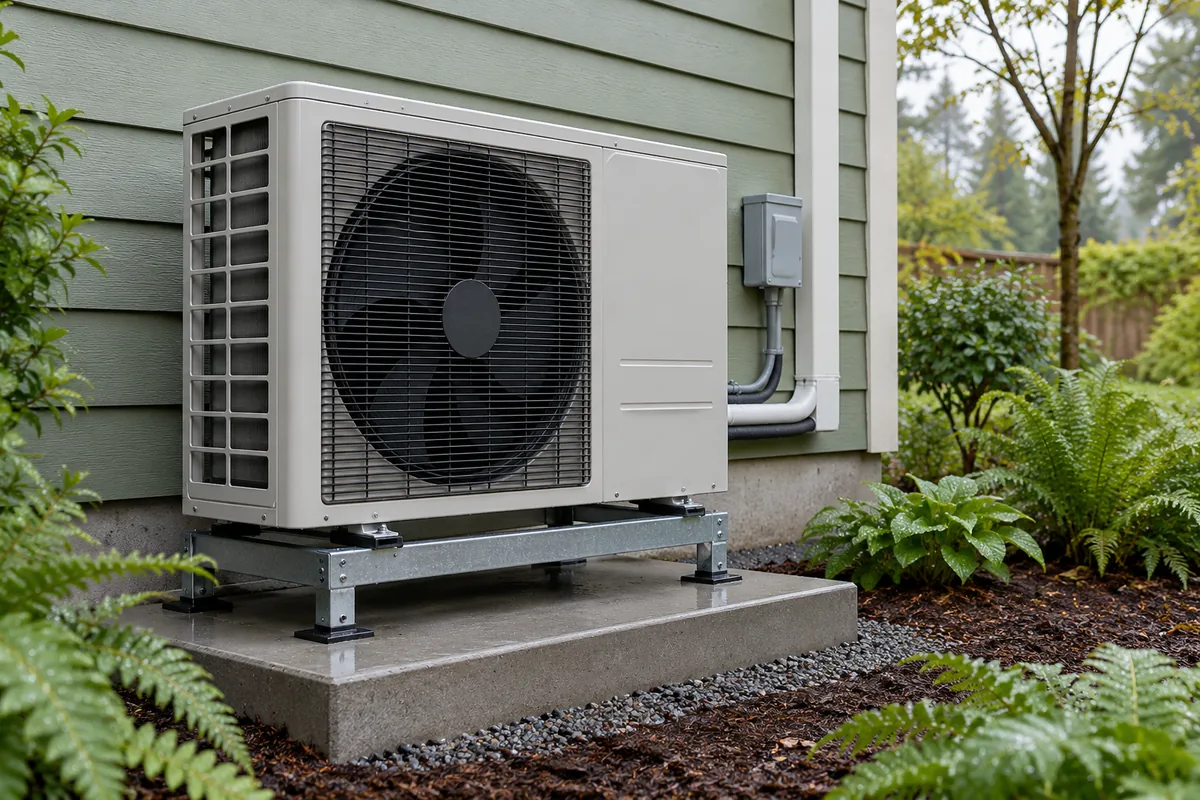
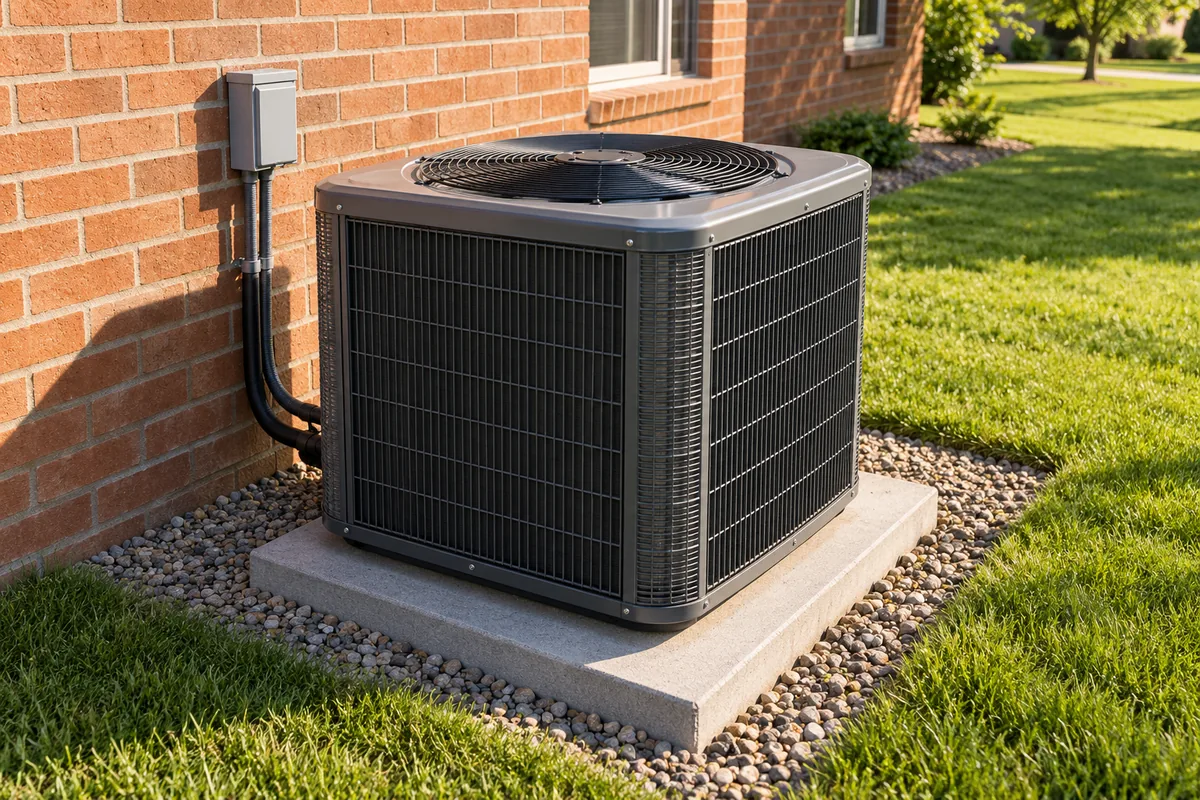
State whether the system was heating, cooling or off when you noticed the problem. If the furnace shares a setup with cooling equipment, water from that equipment may appear nearby. Our HVAC repair service in Forest Grove covers that wider equipment concern. Keep the mode clear instead of treating every nearby leak as a furnace-only fault.
Tell us whether heat failed before or after you found the water. A stopped system and a wet floor may occur together without sharing a cause. The assessment needs to establish any connection before recommending repair.
Leak Sources and Heating Repair Findings
The technician explains the water source and any heating fault the checks establish. Clearing the wet area alone does not correct its cause. Review which task addresses each concern.
Any drain or pump work needs to match the installed system. Do not assume every furnace has the same parts or that a common cleaning method suits them all. Leave that internal work to a qualified professional. Share a model or earlier service note already at hand without moving the equipment to find one.
Review the proposed price, included work and any needed return visit. Ask which task addresses the water, which addresses missing heat and whether any question remains open.
Leak Checks, Heating Checks and Routine Care
After the visit, ask what leak and heating checks were completed and whether any concern needs follow-up.
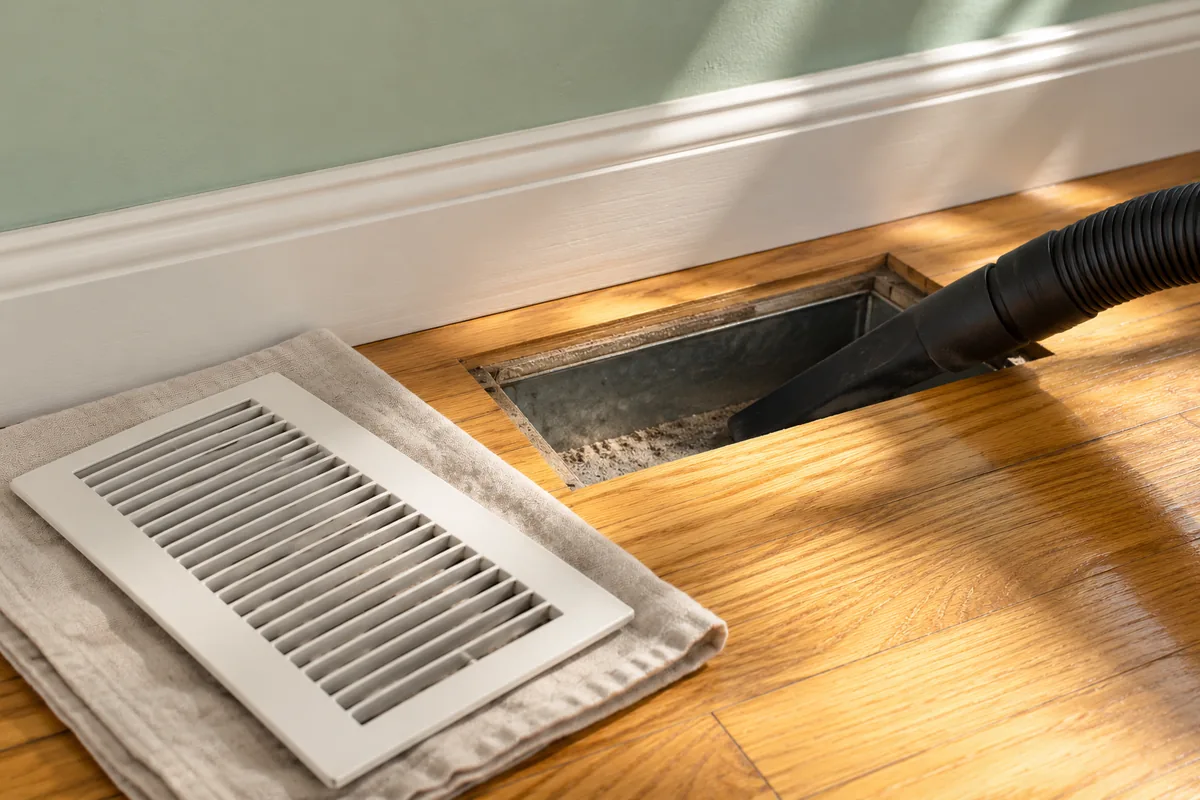
Our furnace maintenance in Forest Grove covers routine care after the fault discussion. It does not guarantee that no later leak will occur. Share the repair details when planning further care.
If water returns, describe where it appeared, the operating mode and whether heating changed again.
Frequently Asked Questions
Does water beside the furnace prove that the furnace is leaking?
No. Nearby equipment or another water source may be involved. Describe the location and the operating mode from a safe position. The assessment needs to confirm the source before recommending work on a particular part.
Do all furnaces produce water while heating?
Not every furnace does. Condensing models produce water during heating. The actual model and setup determine which components and drains need review. A puddle alone cannot identify the furnace type.
Should I restart the system to show where the leak begins?
No. Explain what you already saw and leave the system off while arranging help. Avoid wet electrical parts and internal inspection. You do not need a repeated leak or a close-up view inside the cabinet to make the request useful.
Will repairing the leak also restore heat?
That depends on the confirmed findings. Keep the lack of heat in the service request so the assessment addresses it. Ask whether the proposed repair covers both concerns or whether another fault or further check remains.
Request Furnace Repair in Forest Grove, OR
Contact HVAC & Appliance Repair Guys to request furnace repair in Forest Grove and describe the heating fault and any water observed from a safe, dry location.
For furnace repair in Forest Grove, OR, call HVAC & Appliance Repair Guys or submit a service request through the form on this page.