


Furnace Repair in Gervais, OR
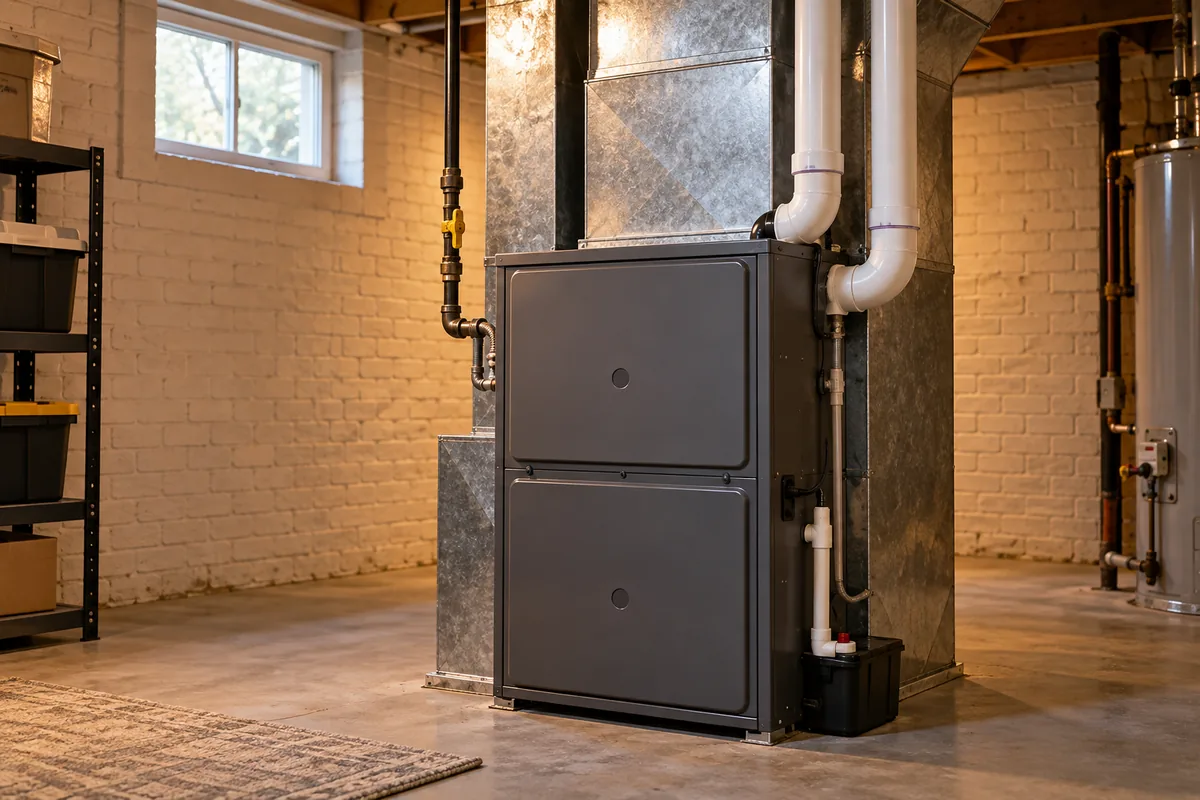
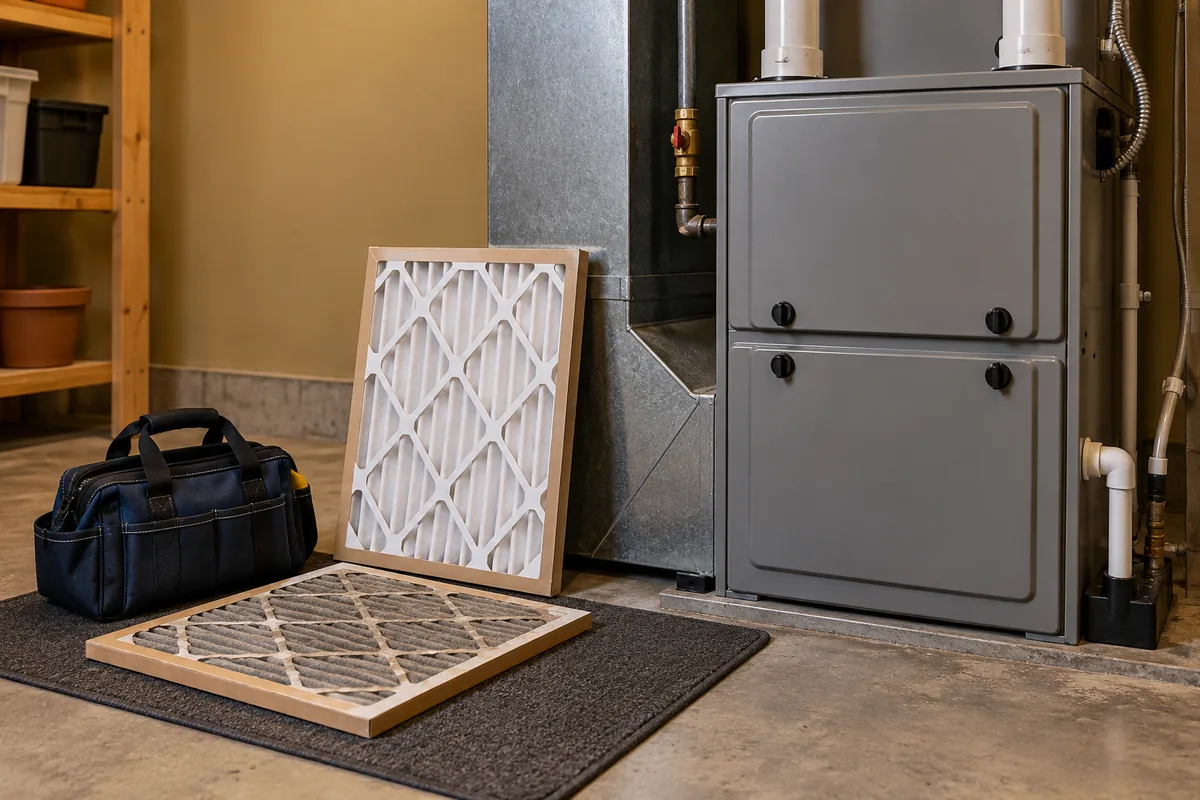
HVAC & Appliance Repair Guys provides furnace repair in Gervais, OR for no heat, repeated stops and weak airflow. We check the heating request, equipment response and result in the rooms before recommending work. If the property has several systems, identify the area lacking heat and the unit you believe serves it.
Gas and electric heating setups have different components, so share the furnace type or an accessible model if known. A location description is enough to begin. The number of thermostats alone does not establish how many furnaces the property has.
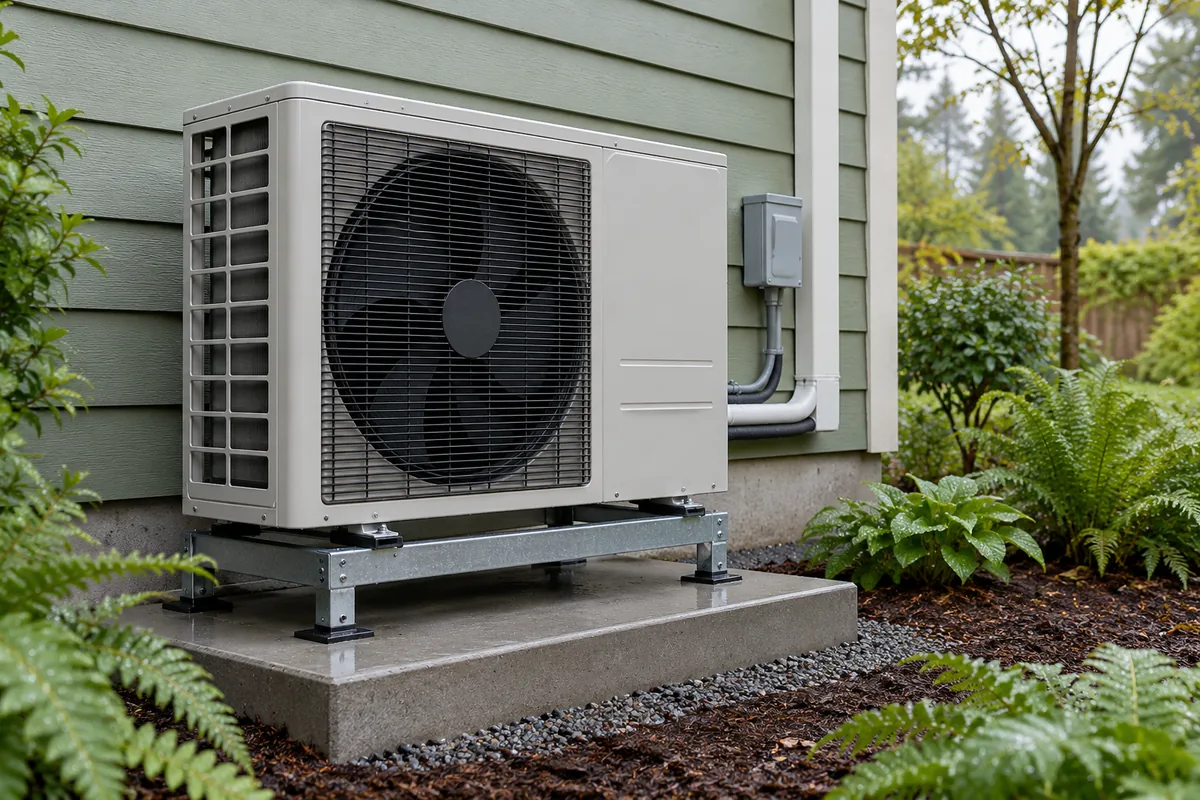
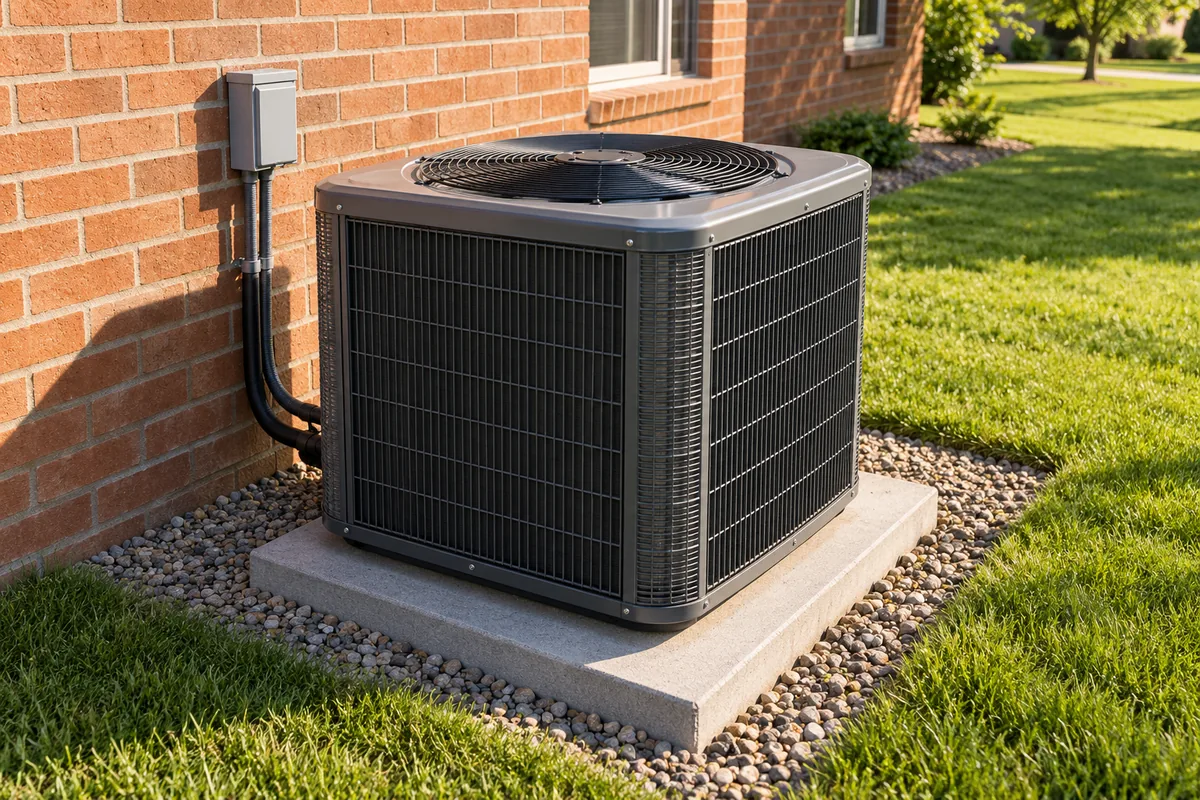
Our HVAC repair service in Gervais covers a broader request involving different heating or cooling systems. Name each concern you want the visit to address. A working area provides useful context, but it does not establish the condition of the furnace serving another space.
Heating and Airflow Symptoms to Report
Describe the affected furnace response in plain terms: no start, heat that stops or air movement without useful warmth. Keep the room result with that description. If another unit still heats normally, report that separately. Avoid combining two different patterns into a single account of the fault.
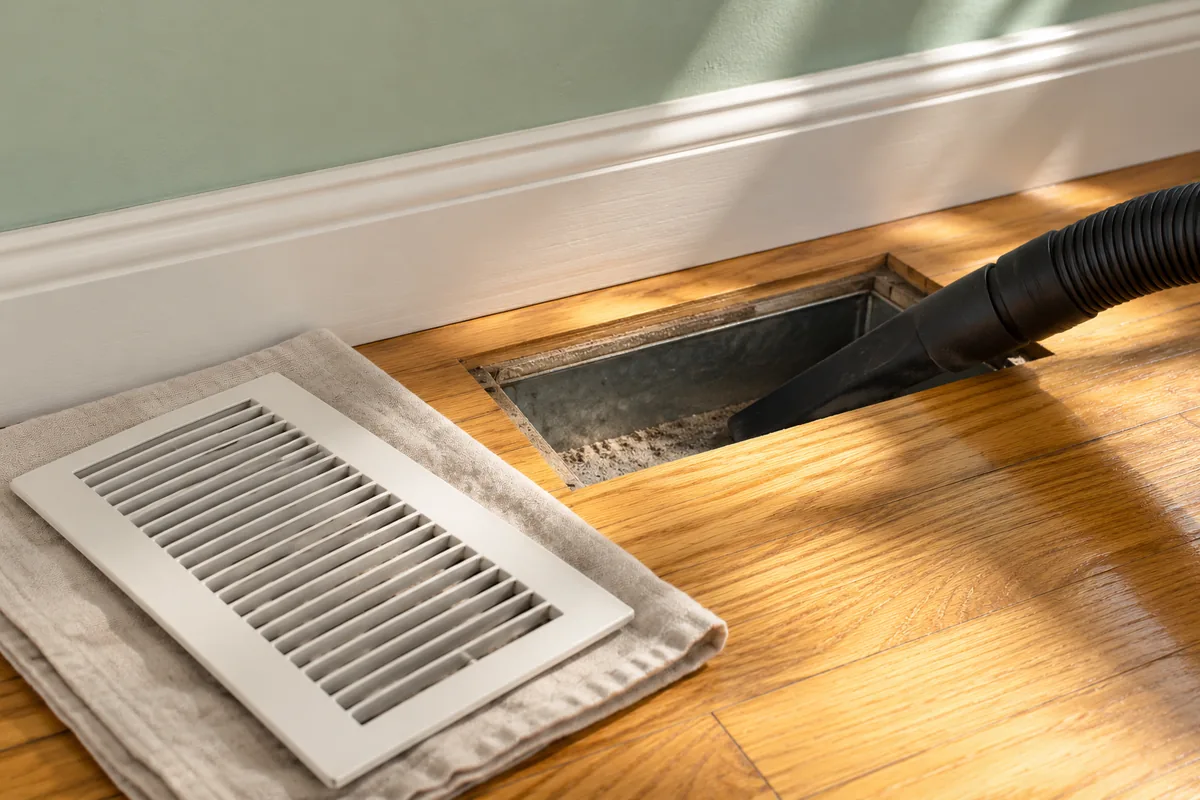
A running blower can circulate air while heating is interrupted. Tell us whether air stays cool or is warm but weak, and whether every room or only one area is affected. Mention recent filter work and relevant earlier repairs.
Our furnace maintenance in Gervais covers routine care. Identify which unit needs care and which has an active fault; maintenance does not automatically address the loss of heat.
Repair Findings and Approval for Each Furnace
Ask which furnace the proposed repair concerns and what finding supports it, then review the work and price before approval. If several units need attention, review each separately. Service on one unit does not imply assessment of every system.
Make the normal controls available and describe access to the affected equipment. If another person meets the technician, tell them which rooms lost heat. They do not need to trace wiring or inspect internal parts.
After the repair, ask what heating response was checked and whether any work remains. If another area later loses heat, identify that location when requesting follow-up.
Frequently Asked Questions
What if I cannot match the cold room to a particular furnace?
Describe the room, normal control and equipment locations you know. Mark the connection as uncertain. You do not need to trace ducts, open panels or inspect wiring to decide which unit belongs in the initial request.
Can the appointment address two furnaces with different problems?
Describe both problems when arranging service so we can review the work for each furnace. Confirm which equipment the appointment can cover and ask about any additional task or visit before approval.
Does a repair to one furnace confirm that the other system is sound?
No. The finding applies to the equipment and checks actually included. Request a separate review of another system rather than assuming the first furnace’s result establishes its condition.
Request Furnace Repair in Gervais, OR
Contact HVAC & Appliance Repair Guys to request furnace repair in Gervais and identify the rooms and heating equipment affected.
For furnace repair in Gervais, OR, call HVAC & Appliance Repair Guys or submit a service request through the form on this page.