



Furnace Repair in Newberg, OR
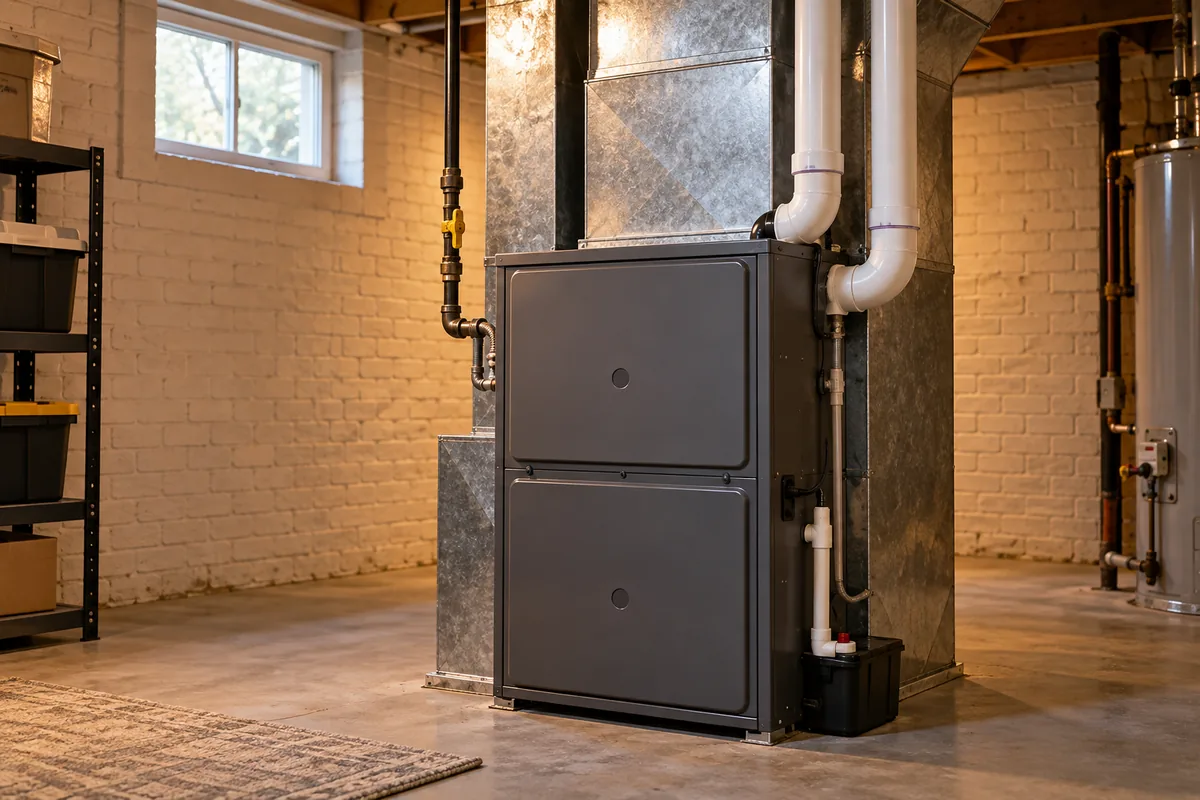
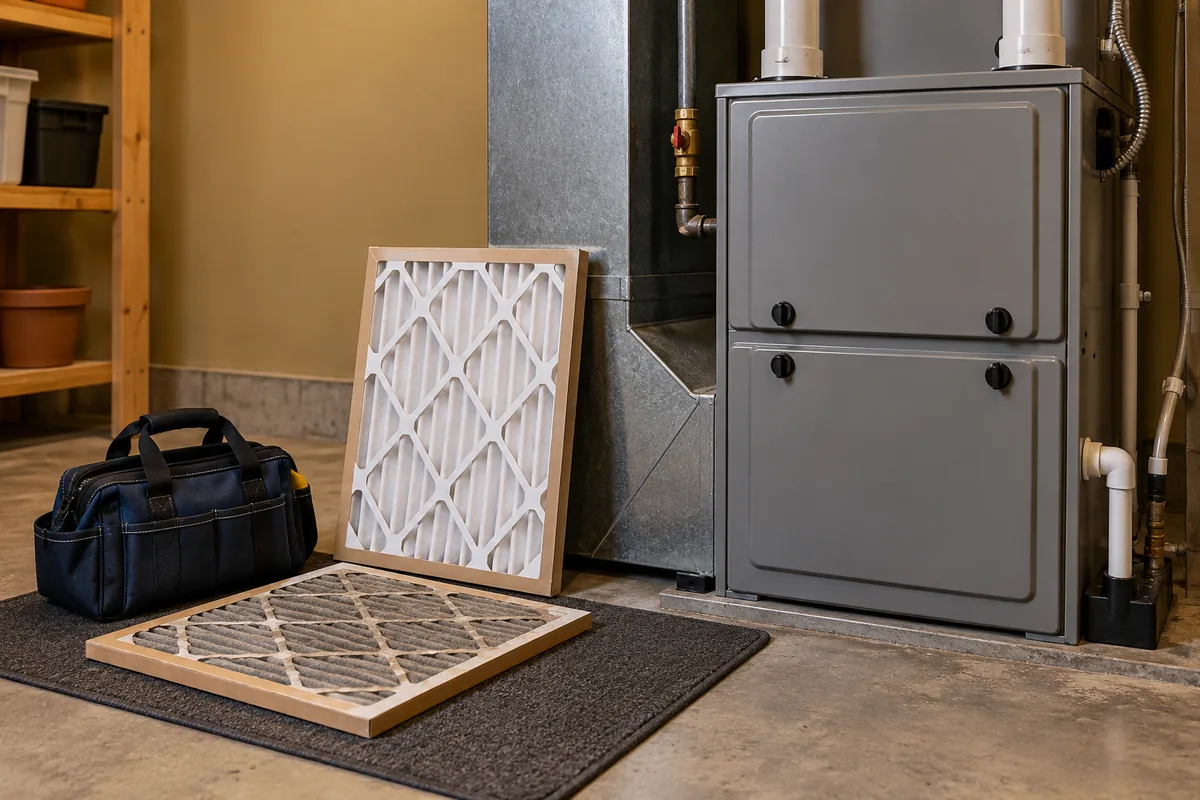
HVAC & Appliance Repair Guys provides furnace repair in Newberg, OR for no heat, weak airflow, repeated stops and unexpected continuous operation. We assess the fault and explain repair options. If the system seems unable to stop, tell us whether the fan keeps moving air or the rooms continue getting warmer.
Air movement does not always mean the furnace is still producing heat. A fan setting can allow circulation apart from a heating call. Continued heat and continued fan operation are different questions for the assessment. Neither should become an automatic thermostat or motor diagnosis based only on the sound.
Tell us whether the room reaches the requested temperature, stays below it or becomes warmer than intended. Include whether the behavior is new. A long run with a cold room gives a different account from warmth that continues after the room is already comfortable. The installed model and findings help interpret that difference.
Thermostat Settings and Room Temperature
Share the heating mode, fan selection and displayed temperatures from the event you noticed, plus any active schedule or temporary hold. These settings describe the request; they do not prove that the equipment followed it.
If a normal user setting did not produce the response you expected, explain what happened. Say whether air still moved and whether the room kept warming. Do not repeat changes simply to test the system. An account of the earlier response is useful without trying to reproduce a fault.
The Affected Furnace and Other Equipment
If there are several heating systems, identify the unit, control and area involved. An uncertain equipment connection can be clarified during the visit.
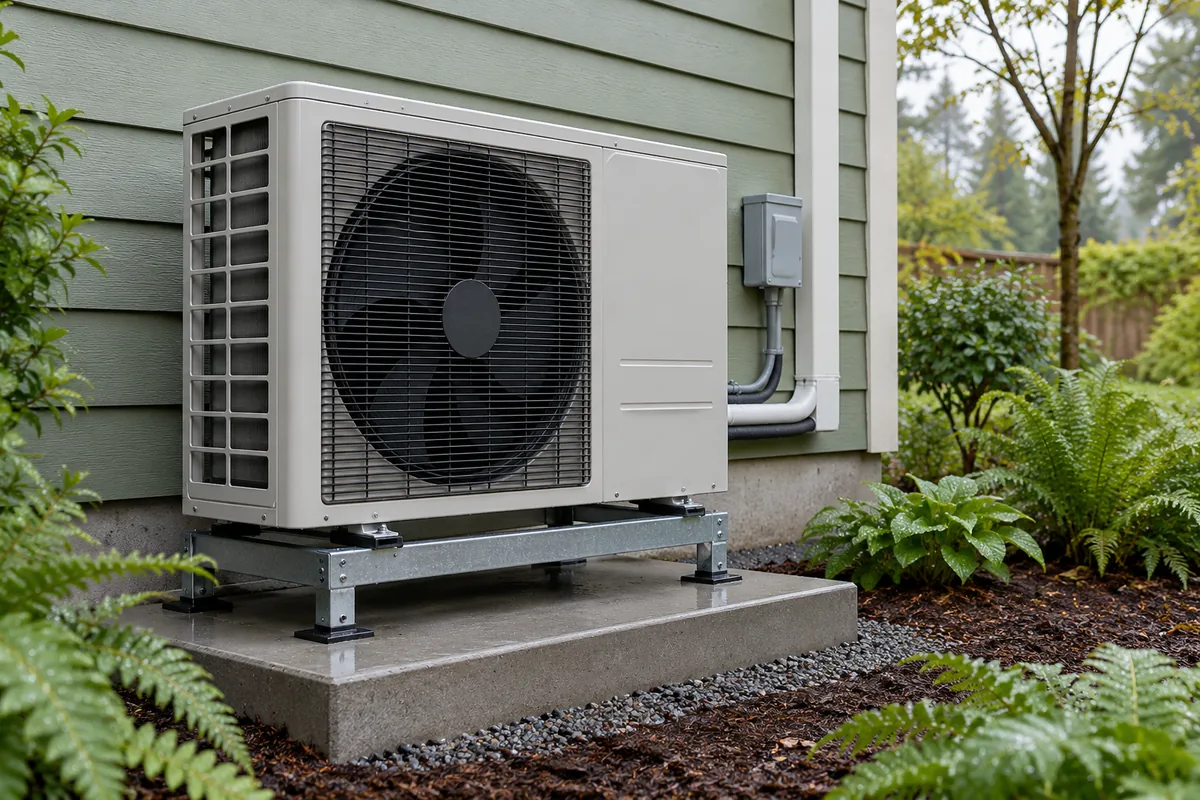
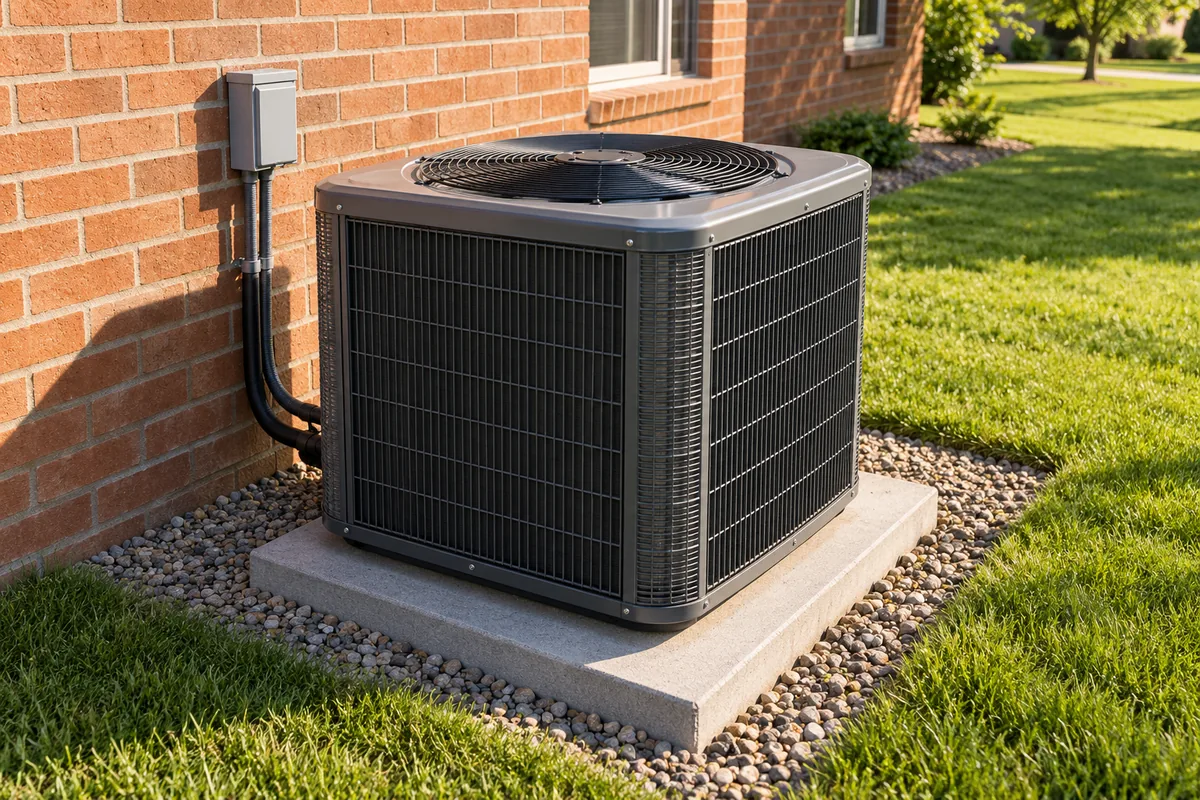
Our HVAC repair service in Newberg covers wider heating and air conditioning concerns. Identify any separate air conditioner fault so we can review that equipment individually.
Professional Diagnosis of Continued Operation
Persistent operation can involve control behavior, airflow conditions or another equipment issue. The assessment needs to establish the cause in the actual setup. A part name from a similar problem elsewhere is not enough. We explain the finding that supports the proposed work before you decide how to proceed.
If heating continues despite normal user controls, describe that current state when arranging prompt help. Do not disconnect thermostat wires, alter safety controls or open electrical covers. Avoid further tests on suspect equipment.
Mention earlier repair or care work and whether the persistent operation began before or afterward.
Repair Findings and Remaining Heating or Fan Concerns
Ask whether the recommended work addresses continued heat, continued fan operation or another confirmed condition. Review the price and included work before approval, and ask which concerns still need checking. If the finding concerns the wall control, discuss thermostat repair & installation as a separate task. Continued heating or fan operation alone does not identify the failed component.
Our furnace maintenance in Newberg covers routine care. It does not necessarily correct a control fault or prolonged operation. Report the active problem when arranging help and review care tasks separately.
After service, ask what heating and fan operation was checked and whether follow-up is needed. Report any returning behavior by its current setting and room result.
Frequently Asked Questions
Will a new thermostat always fix a furnace that seems to run nonstop?
The cause needs checking first. A control may be relevant, but another equipment or airflow issue can also affect the result. Review the finding behind a thermostat recommendation rather than replacing it solely because the system keeps running.
Should I remove thermostat wiring to see whether the furnace stops?
No. Leave wiring and internal controls untouched. Report how the system responded to normal user settings and describe its present state when arranging help. Internal testing belongs with the professional assessment of the installed equipment.
What if the furnace runs for a long time but the room stays cold?
Include both observations in the repair request. Explain whether the concern affects one room or all served spaces and whether airflow has changed. The visit needs to connect the long operation with the missing warmth. Run time alone does not identify the cause.
Request Furnace Repair in Newberg, OR
Contact HVAC & Appliance Repair Guys to request furnace repair in Newberg and explain whether the fan keeps running, heat continues or the rooms remain cold.
For furnace repair in Newberg, OR, call HVAC & Appliance Repair Guys or submit a service request through the form on this page.