



Furnace Repair in Woodburn, OR
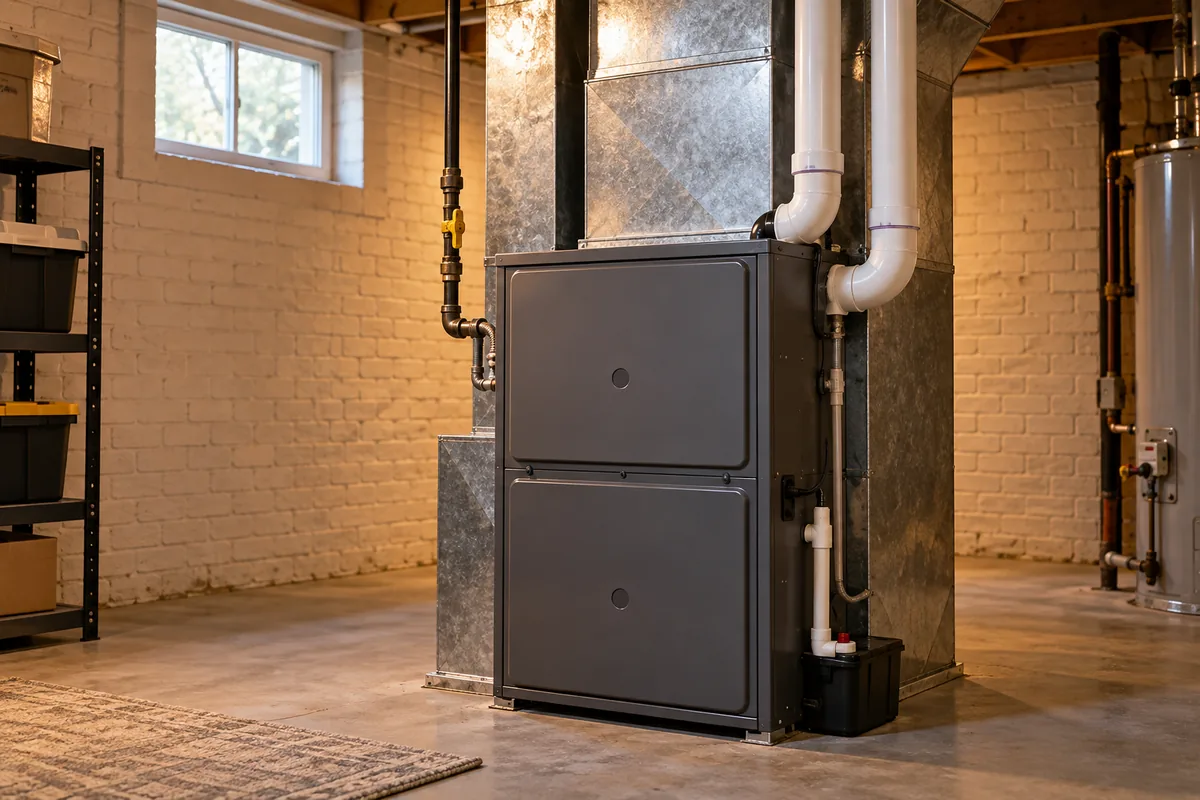
HVAC & Appliance Repair Guys provides furnace repair in Woodburn, OR for no heat, weak airflow and equipment that stops before the rooms warm. We assess the furnace and explain repair options. For repeated starts, describe whether heat arrives and whether the blower keeps running after warmth stops.
Short cycling describes repeated starts and stops within brief periods; it names a pattern rather than a failed part. A furnace that never starts differs from one that produces some warmth and then stops. Describe which pattern you observe.
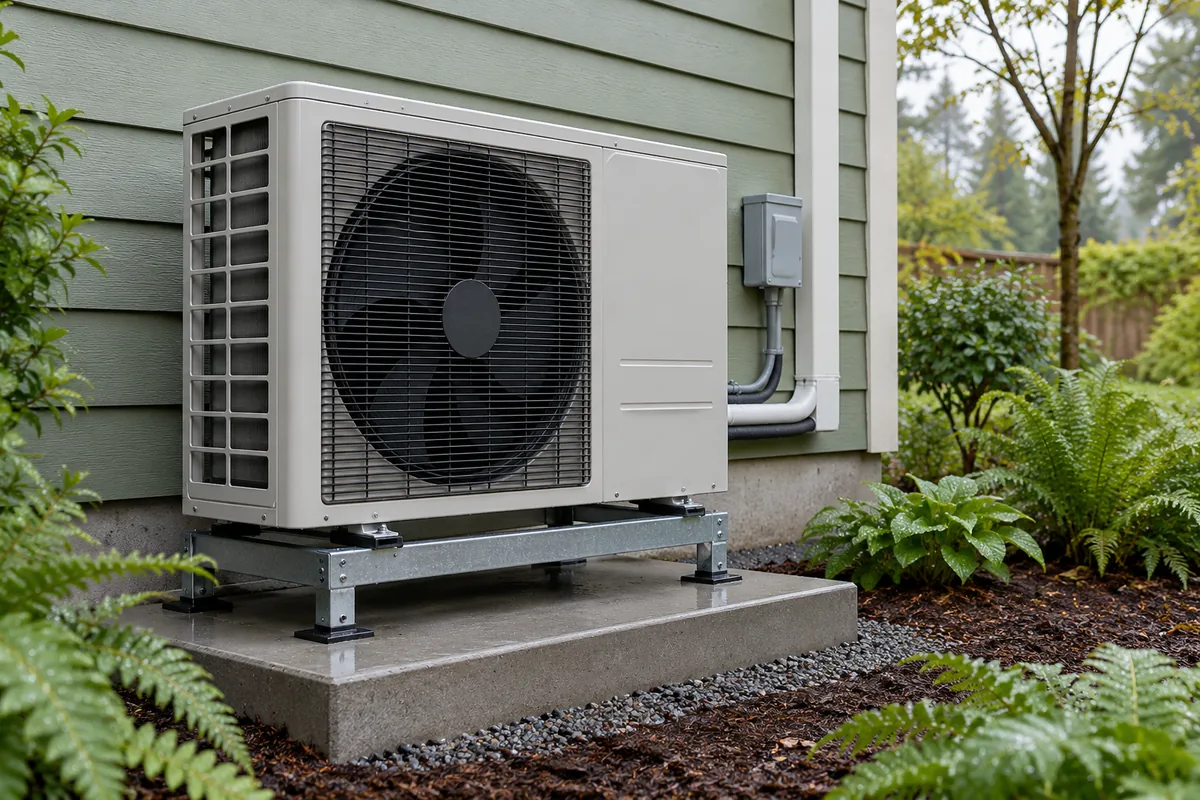
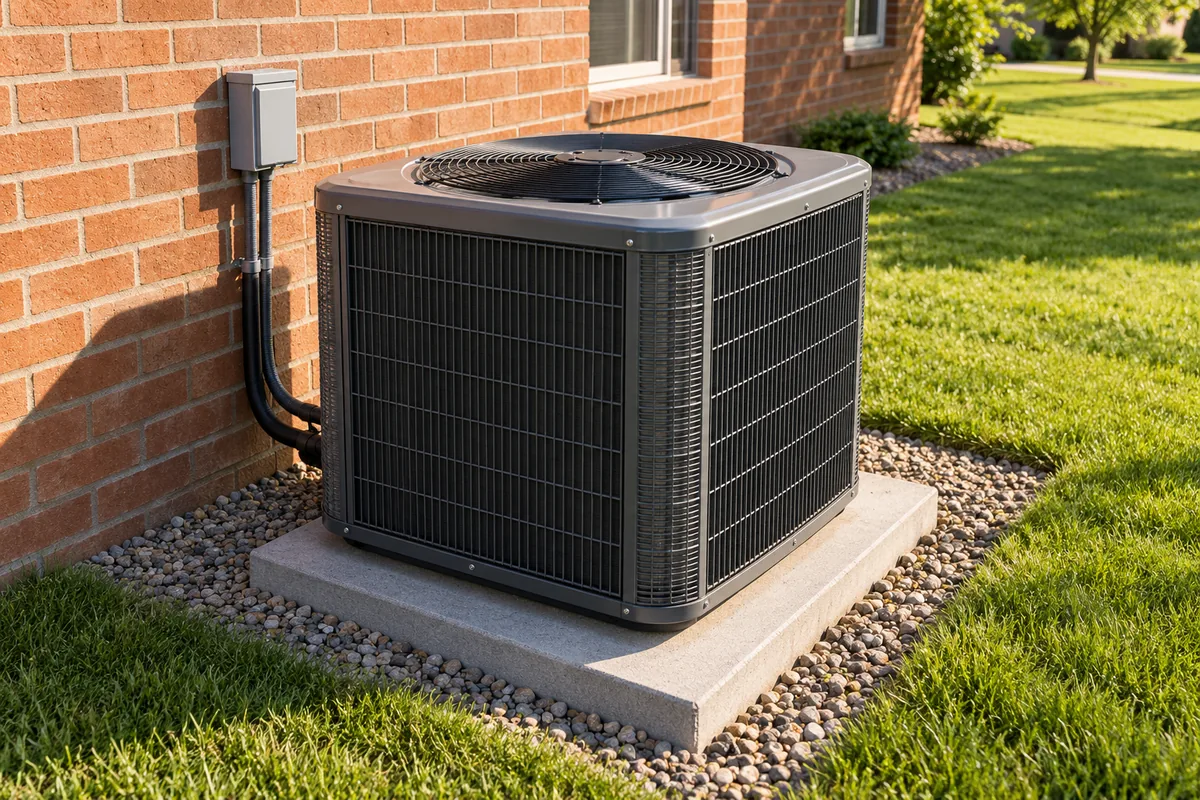
Our HVAC repair service in Woodburn covers concerns beyond the furnace. Identify any separate heat pump or air conditioner that also needs attention and confirm which equipment the visit will assess.
Repeated Stops and Room Heating
Use the behavior you have already observed during normal use. Note whether warmth briefly reaches the rooms and whether air continues after it fades. Include the room temperature and setting. You do not need to time another run or keep starting the furnace to collect a better account.
Include the setting in use and whether it changed before the complaint. Report a visible message exactly as it appears, without assigning a component to the wording. If the display and room result seem different, explain both. The technician can review that information against the actual controls and installed furnace.
Identify whether all rooms are affected or one space remains cold. A furnace shutdown and a room-distribution problem may need different work.
Airflow and Control Causes of Repeated Stops
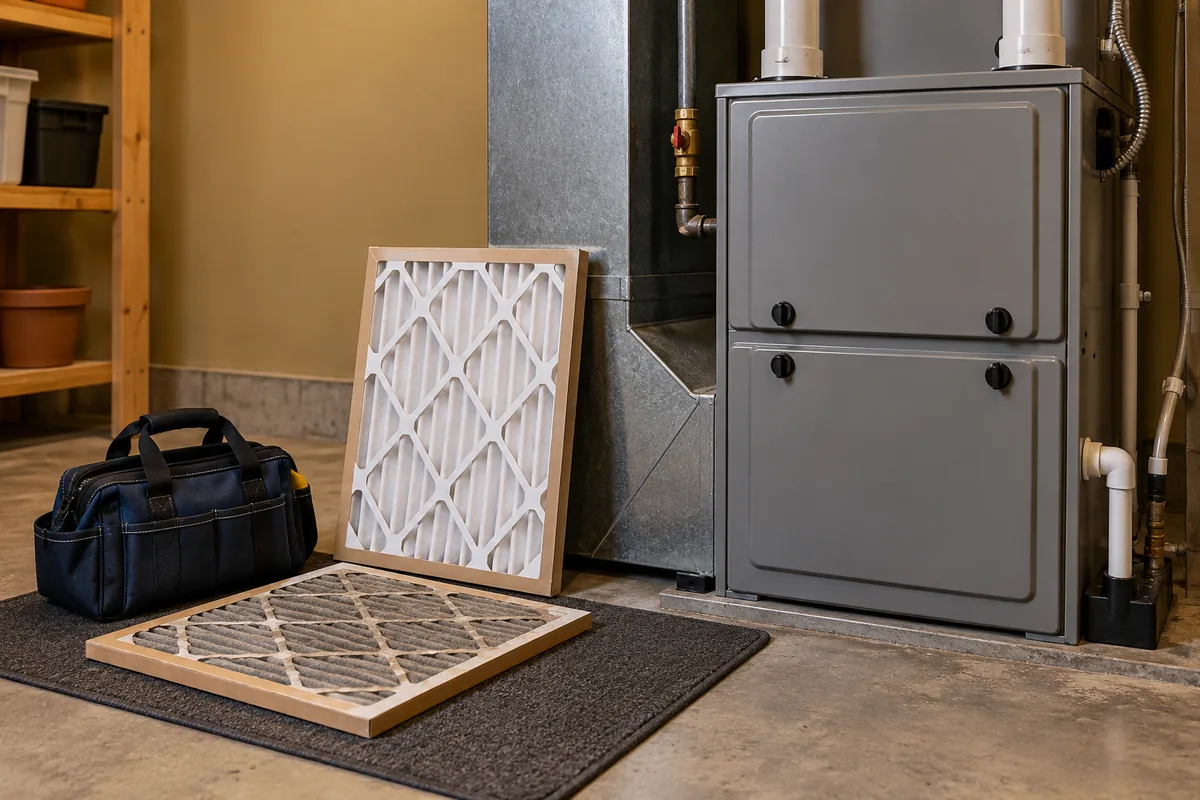
Airflow and control conditions can contribute to repeated shutdowns. Restricted airflow may allow excess heat to build inside a furnace and trigger a protective stop. A control issue can also affect the heating request. Those are possible explanations for a professional to assess, not proof of the condition in your equipment. If the concern centers on the wall control, thermostat repair & installation gives that device its own assessment; a room-temperature difference alone does not prove that the control has failed.
The technician explains the condition behind the stops before recommending a filter, thermostat or other component. Ask what the work addresses and whether further checks are needed.
Leave panels, wiring and safety controls in place. Do not bypass a switch or repeatedly reset the system to keep it heating. Mention any earlier action and whether the behavior changed afterward.
Recent Care and the Current Heating Fault
Mention recent filter or maintenance work and what changed afterward. A new filter does not establish that the rest of the air path or controls work correctly.
Our furnace maintenance in Woodburn covers planned care separately from diagnosis of interrupted heating. Describe the current failure when arranging help and review any added maintenance work before approving it.
Share prior repairs for similar symptoms and whether heating worked normally between visits.
Furnace Sizing and Replacement Options
Frequent starts alone do not establish that the furnace is too large or too small. Sizing and replacement require review of the actual setup and heating needs.
Our furnace installation service covers a replacement project when that option is relevant. A free estimator visit is available for installation or replacement, separate from repair diagnosis. The proposal should explain the equipment and work included. Compare that defined project with the work needed to address the present fault.
If energy bills concern you, describe the operating change as well. A bill does not identify the cause of shutdowns, and a repair does not guarantee a fixed bill reduction. Ask what the work will restore and how that result will be checked; broader efficiency goals need a separate discussion.
Repair Price, Parts and Completion
Review the diagnosed fault, proposed repair and price before work proceeds. Ask whether an access limit or further check affects completion.
Parts or further work may require another appointment. Confirm what remains and the next step; a visit does not guarantee completion that day.
After repair, ask whether the heating check addressed the repeated stops and what to report if they return.
Furnace Access and the Repair Contact
Identify the furnace and control used when the stops occur. Mention locked areas or other access limits before arrival and keep the route available without moving installed parts or removing a cover.
If someone else will meet the technician, share the heating problem, any saved message and the equipment details with them. Let them know whether the furnace has started working again since the problem occurred.
Make sure the person who approves repairs can review the findings and price during the visit.
Frequently Asked Questions
Is there one run time that proves every furnace is short cycling?
The installed equipment and conditions matter. Describe the repeated starts, stops and room result you noticed. Do not rely on a universal minute limit to decide the cause. The assessment needs the actual operating pattern and the furnace involved.
What if the furnace works again before the technician arrives?
Keep the earlier sequence and any saved message available. Explain what the furnace does now and when the last interruption occurred. A normal period helps describe the history. It does not erase the earlier complaint or prove a particular cause.
Request Furnace Repair in Woodburn, OR
Contact HVAC & Appliance Repair Guys to request furnace repair in Woodburn and describe the repeated stops and the heat reaching your rooms.
For furnace repair in Woodburn, OR, call HVAC & Appliance Repair Guys or submit a service request through the form on this page.