

Furnace Repair in Woodland, WA
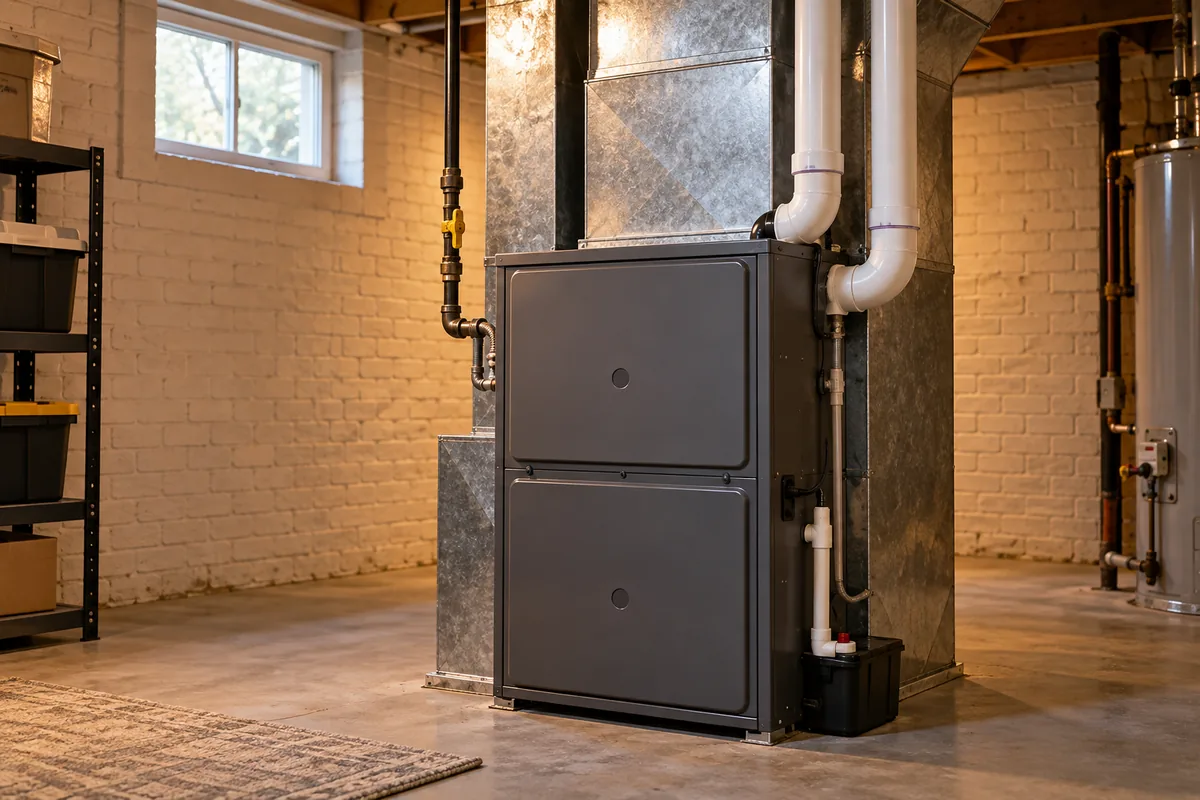
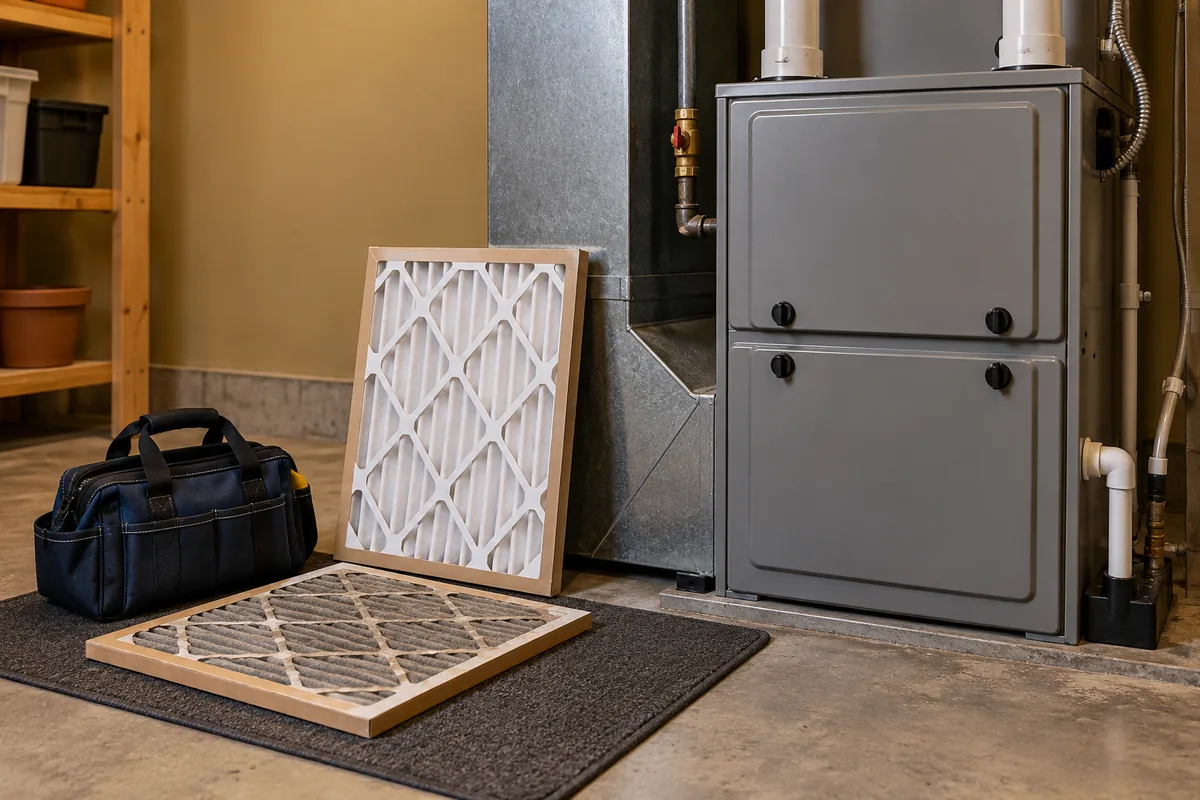
HVAC & Appliance Repair Guys provides furnace repair in Woodland, WA. You may need help before you know much about the unit or its history. Begin with what the heat no longer does. The request can start with a clear symptom instead of a guessed age or part name.
Tell us whether the furnace stays off, stops early or runs while the rooms stay cold. Name the rooms involved and the control you use. Share any message already visible. You do not need to remove a cover or reach a hard-to-see label to ask for help.
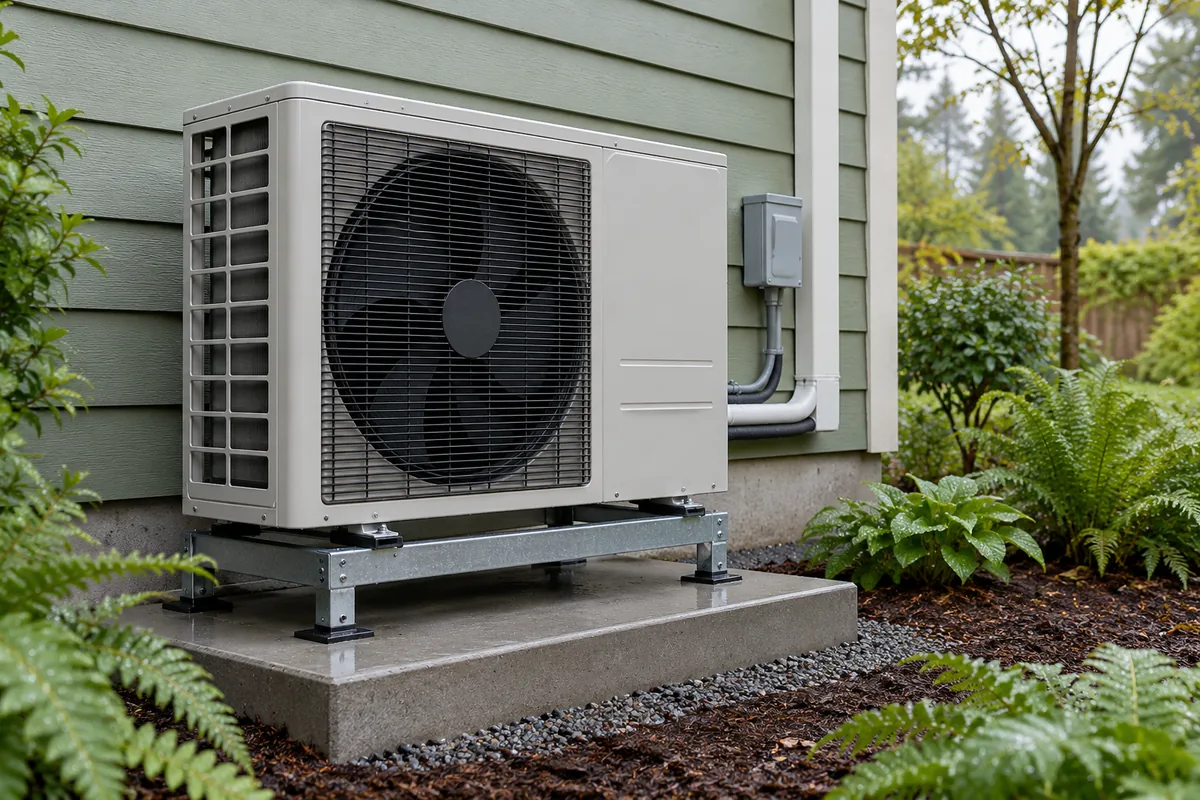
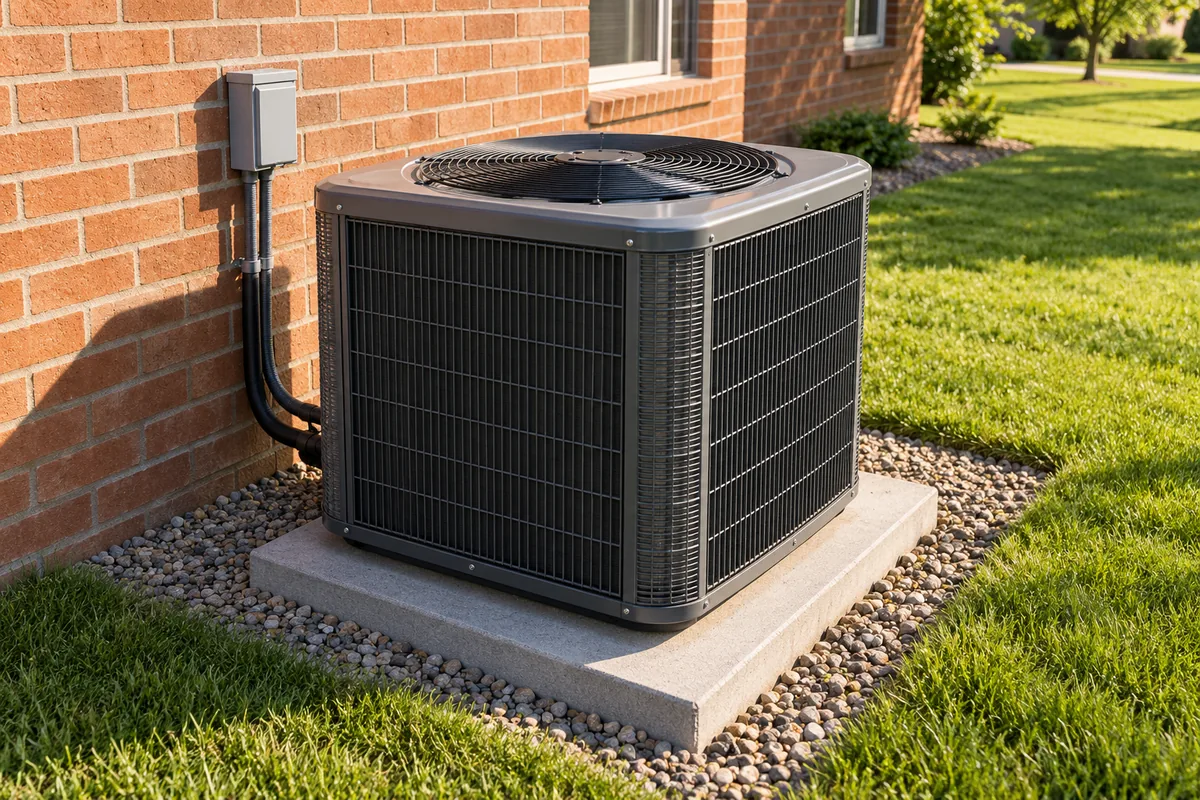
Our HVAC repair service in Woodland covers wider heating and cooling concerns. Identify any other unit that has trouble or whose role is unclear, including a separate air conditioner. The technician can assess the actual setup.
Heating, Airflow and Equipment Details
A running blower can circulate air without heat. Describe whether air stays cool, warms briefly or is warm but weak. One cold room may need an air-path review, while poor heat throughout the home calls for a broader furnace assessment.
Share the furnace type and any available model or service records. Gas and electric heating setups have different components. If age or earlier work is unknown, say so; the current equipment checks can guide the repair.
Our furnace maintenance in Woodland covers planned care. Missing records may raise a care question, but they do not establish the cause of no heat. Describe the current failure and discuss routine tasks separately from fault diagnosis.
Repair Findings and Heating Checks
Review the finding, proposed task and price before approval. Ask how the finding explains the symptom and whether anything needs further assessment. Missing history alone does not mean every part needs work.
After the repair, ask what heating checks were completed and whether further work is needed. Keep the findings with the equipment details.
If the problem returns, describe the current response and any new message alongside the earlier work. Similar symptoms do not establish that the same part caused both events.
Frequently Asked Questions
Can I request repair without the furnace model number?
Yes. Describe where the unit sits and what the heat does now. Share details already available and leave panels closed. The request does not require you to reach an unsafe label or inspect internal parts.
Does missing service history mean the furnace needs replacement?
No. Missing records leave a gap in the history. The actual condition and repair findings should guide the options. Any replacement proposal needs a clear scope of its own.
Should I run the furnace again to learn more about it?
Do not restart suspect equipment just to fill a gap in the history. Report its current state and what you already noticed. Leave safety controls untouched.
Request Furnace Repair in Woodland, WA
Contact HVAC & Appliance Repair Guys to request furnace repair in Woodland, even if the model or earlier service history is unknown.
For furnace repair in Woodland, WA, call HVAC & Appliance Repair Guys or submit a service request through the form on this page.