



Garbage Disposal Repair for the Unit and Connections
HVAC & Appliance Repair Guys provides garbage disposal repair in Keizer for operating problems and leaks. A connection repair may retain the unit, while damage within the housing can change the repair-versus-replacement choice. When water appears, identify its first location and timing; a wet exterior alone does not establish internal damage.
Describe what you noticed during normal use of the kitchen sink. Keep the leaking unit out of use and hands out of the opening. Do not loosen fittings to find the source before service. The assessment can begin with your observations and readily available model details.
Water on the Body May Have Traveled from Elsewhere
Water can run over the unit before dripping into the cabinet. The lowest drop may come from a higher connection, so describe the first wet area if known.
A leak confirmed at the housing needs assessment of the unit condition and available repair options.
Connection Repairs That May Retain the Disposal
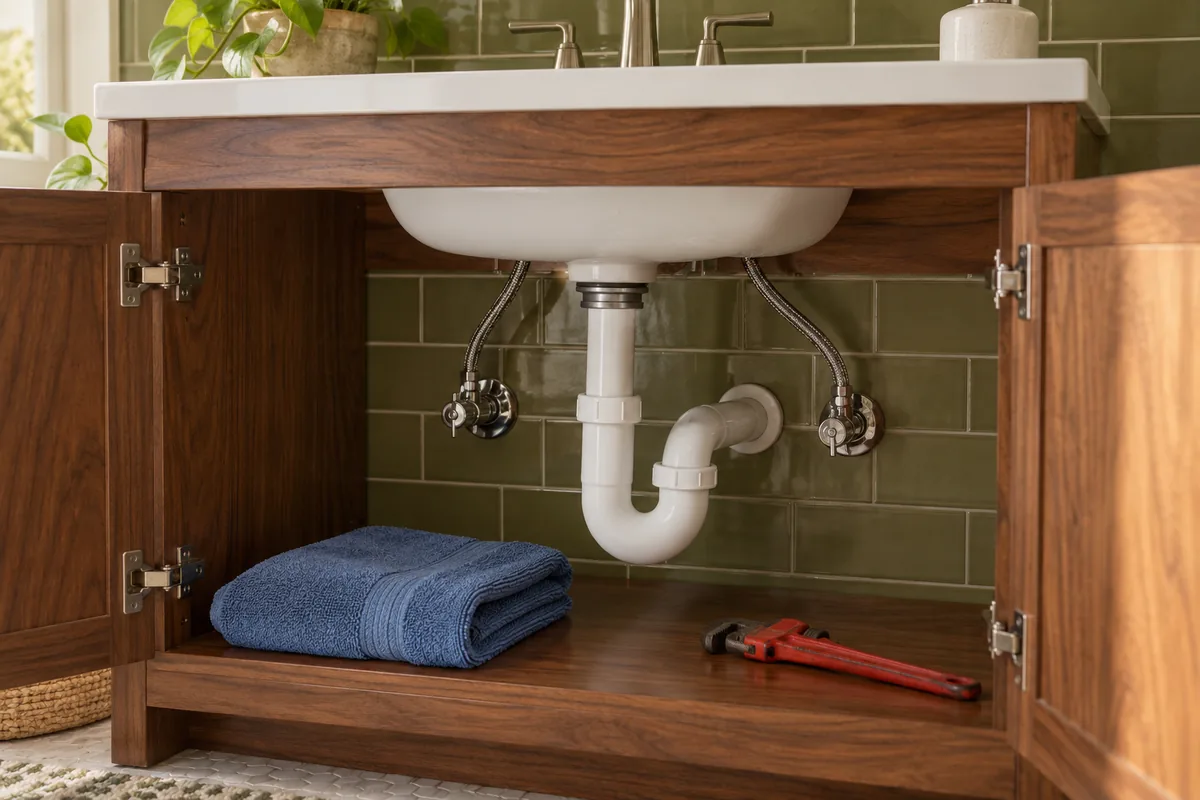
A mounting or discharge connection can need attention while the unit has a separate condition to assess. The installed design determines the relevant parts and access. A suitable connection repair may retain the existing disposal; a connection leak alone does not establish a need for full replacement.
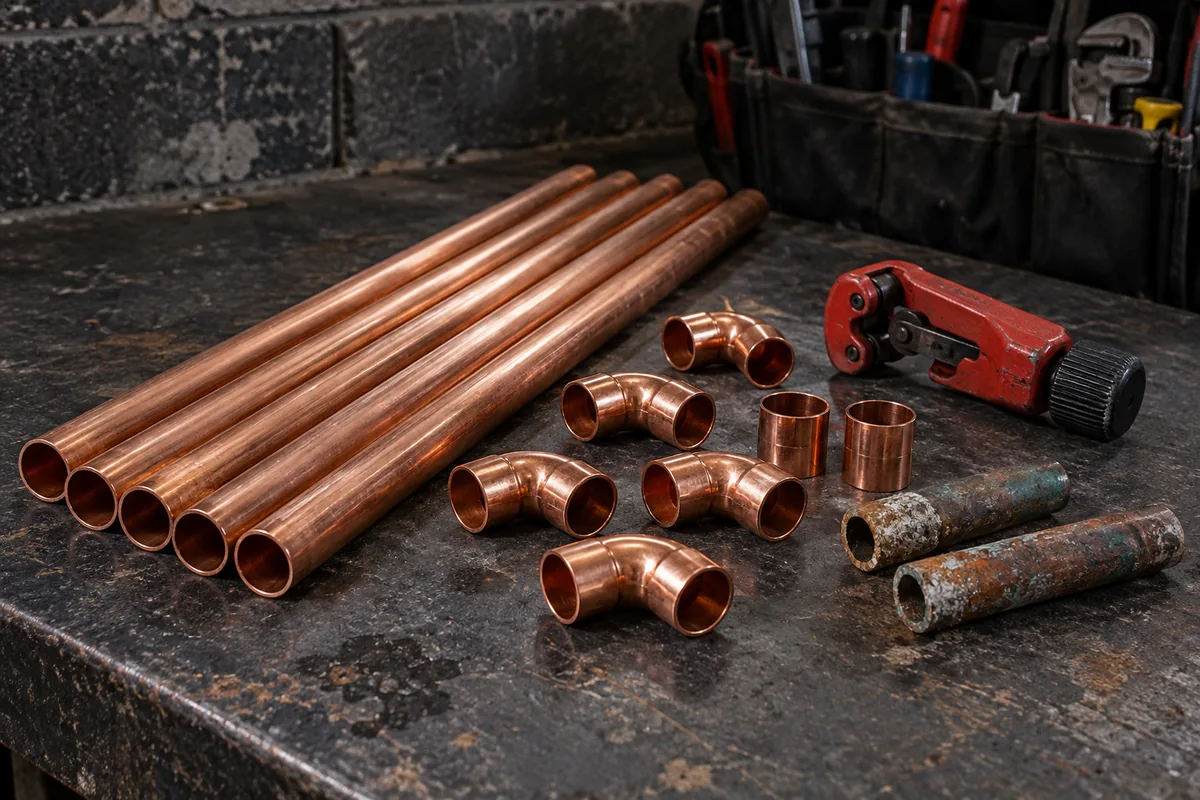
Pipe repair in Keizer addresses damaged connected piping or joints. The proposal should identify that task separately from equipment work.
Uncertain Water Sources and Earlier Leak Repairs
Leak detection in Keizer can help when the origin of moisture remains unclear. The assessment should distinguish nearby connections from the unit body. More than one source can also require more than one task. The request should keep separate wet areas identifiable.
Share earlier repairs and their results. A later wet area may have a different source from a leak previously stopped.
Full Repair and Replacement Work
A replacement decision should consider the unit condition, suitable parts and the existing sink arrangement. Different disposal units can have different mounting and discharge needs. A similar motor rating does not establish the full fitting task. The proposal should explain what stays in place and what changes.
For targeted repair, identify the component and access. Compare the full task with replacement without assuming either clears an unrelated drain restriction.
Cabinet Moisture, Restoration and Access
Stopping the source does not immediately remove moisture already in the cabinet. Damaged surfaces or finishes may need separate attention. Clarify which restoration the agreement includes and who handles work outside it. The plumbing correction and material repair have different purposes.
Mention any access limit around the unit when planning the visit. A narrow opening or nearby components can affect how the task proceeds. Leave removal and disconnection to the agreed process.
Leak Results and Remaining Concerns
The completion check should address the repaired source under relevant conditions. Equipment operation and a dry connection are distinct results.
Record any remaining operating, drainage or finish concern separately from the leak repair.
Request garbage disposal repair in Keizer from HVAC & Appliance Repair Guys using the service form below. Describe the first wet area, any operating fault and earlier repair results; leave a leaking unit out of use.
Frequently Asked Questions
Does a connection drip automatically require a new disposal?
No. The source, unit condition and practical repair options should guide that choice.
Can the cabinet remain damp after the leak stops?
Yes. Moisture already in surrounding material can remain. Stopping the source and restoring affected materials are separate concerns.
Request Garbage Disposal Repair in Keizer, OR
For garbage disposal repair in Keizer, OR, call HVAC & Appliance Repair Guys or submit a service request through the form on this page.