



Garbage Disposal Repair and Condition-Based Replacement
HVAC & Appliance Repair Guys provides garbage disposal repair in West Linn. The actual fault, suitable parts and work around the installed unit guide repair versus replacement. Age or a new sound alone does not determine the remedy.
Describe what changed now and any earlier work you know about. A hum, silence and water outside the unit raise different questions. Keep the faulty disposal off and hands out of the opening. The assessment can start with that account without another run to demonstrate the problem.
A Connection Repair Can Differ from an Internal Unit Problem
A repairable external connection may allow the disposal to remain. Internal damage can lead to a different choice. The source and design determine the options; a wet exterior alone does not establish housing failure.
Water can travel down the outside before it reaches the lowest point. Give the first wet area and timing if you know them. The equipment decision should follow the source finding rather than the puddle location alone.
Installed Parts and Earlier Equipment Changes
Suitable parts must fit the current design. Share earlier records of components or connections changed, with any uncertainty left clear.
Age and remembered work provide context; current condition and practical options determine repair or replacement.
Uncertain Leaks and Separate Pipe Sources
Leak detection in West Linn can help with uncertain moisture. A separate nearby pipe or joint can leak while the disposal has another condition. The assessment should distinguish those paths. A new unit should not serve as a substitute for finding where the water escapes.
The proposal should explain what the repair changes and retains, or which finding supports replacement and its connection work.
Separate Drain Restrictions
Drain cleaning in West Linn addresses a connected restriction. A disposal that runs can still sit above a blocked drain line. Changing the equipment does not clear that line by itself. Standing water deserves its own clear description in the request.
For a double sink, describe one or both bowls draining poorly and any other affected fixtures already observed. That pattern helps define drainage work without identifying an equipment fault.
Replacement Mounting and Connection Requirements
A new disposal must suit the sink mounting, cabinet space and discharge arrangement. A similar shape or motor rating does not establish a direct fit. The proposal should identify any connection changes. The work behind the equipment choice is part of the comparison.
Plumbing and electrical arrangements also need the appropriate review for the selected task. Do not open wiring covers or alter connections as preparation. Any required work there should have a defined scope.
Under-Sink Access and Separate Restoration
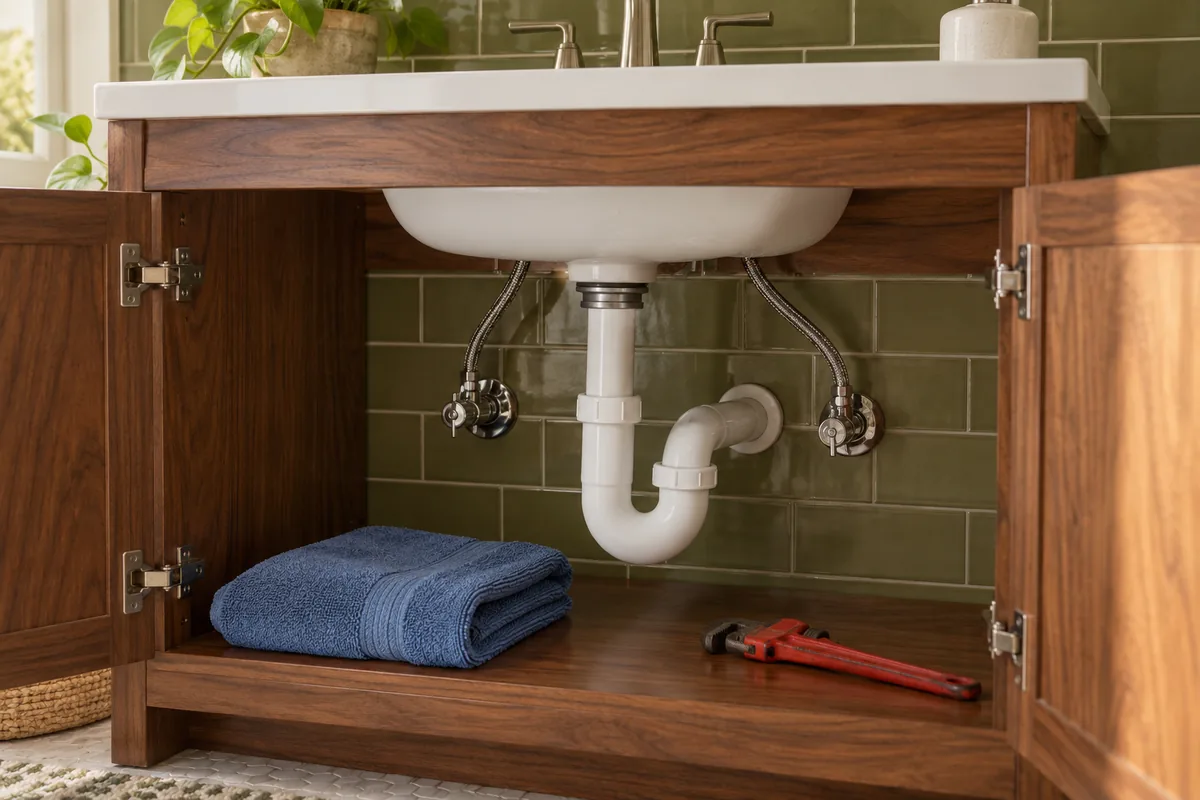
Mention restricted working room and nearby components. Targeted repair may need different access from removal and replacement.
Clarify any cabinet or finish work separately. Stopping a leak does not restore materials already affected by water. Identify what the agreement includes and who handles remaining restoration.
Results for the Repaired Function or Leak
Completion checks should address the repaired function or leak source and the relevant connections involved.
Record separate plumbing or drain concerns even after a new unit operates normally.
Unresolved Faults and Optional Upgrades
For any unresolved fault, record its location, current behavior and proposed next step. List optional upgrades separately from work needed to address an existing problem.
Keep the work record and unit details for future service, while describing any later symptom on its current evidence.
Request garbage disposal repair in West Linn from HVAC & Appliance Repair Guys through the service form below. Describe the current operating problem or leak and share known model or earlier work details without running the faulty unit again.
Frequently Asked Questions
Can replacement leave a separate pipe leak unresolved?
Yes. A source outside the unit needs its own task. The equipment change does not correct every nearby joint.
Request Garbage Disposal Repair in West Linn, OR
For garbage disposal repair in West Linn, OR, call HVAC & Appliance Repair Guys or submit a service request through the form on this page.