


Gas-Line Repair, Connections and Relocation in Canby
HVAC & Appliance Repair Guys provides gas-line repair, replacement connections, additions and relocations in Canby. The actual appliance model, intended fuel, connected demand and pipe route determine the work. Describe the present concern and the change you want before treating an existing connection as suitable. If you suspect an active gas leak, leave the area at once. Avoid flames, electrical switches and phone use nearby. From a safe location, call 911 for emergency help. Do not wait for a routine appointment or try to find the leak.
Provide reliable model details and state whether the project replaces, adds or moves equipment. Keep uncertain details open for assessment rather than borrowing requirements from an earlier appliance.
Fuel Type Is Part of the Equipment Choice
Natural gas and propane equipment requirements are not automatically the same. A piping connection cannot make an appliance suitable for a different fuel. The proposed unit must support the intended use in its actual setup. Confirm that question before treating a line extension or a fitting change as the complete solution to the project.
An appliance conversion, when suitable for the model, is a separate qualified task. Share reliable conversion records, but do not alter internal parts or controls to match a supply. Piping work alone does not establish equipment suitability.
Replacement Models and Fuel Demand
Two appliances that fit the same space can have different fuel demands. The new model’s requirements matter even when the old unit worked there for years. A product name alone may not identify the exact version.
If the final model is undecided or changes during planning, say so. The proposed line work needs to reflect the appliance you actually intend to install.
If purchase and service records show different fuel setups, share both with their dates. The current equipment and any gap in its history need confirmation before the proposal relies on those records.
Shared Gas Demand and Pressure Requirements
Identify other gas equipment served by the piping and planned additions. Shared demand matters to the assessment; do not operate several appliances as a test.
A connection that served an earlier appliance does not establish capacity for every addition. The assessment should explain whether the proposed change fits the existing piping or requires related work.
The selected model may also specify a gas pressure requirement. Include that detail with the supply review when it is available. A matching connection does not prove the required conditions at the appliance. Do not try to measure pressure yourself; leave that check to the qualified service work.
Relocation and the Gas Supply Route
If the unit will move, identify its current and planned positions. The route between the supply and the appliance can change in length and layout. The chosen path needs to suit the equipment and the property. Convenience alone does not establish that a nearby connection is the right starting point for the final plan.
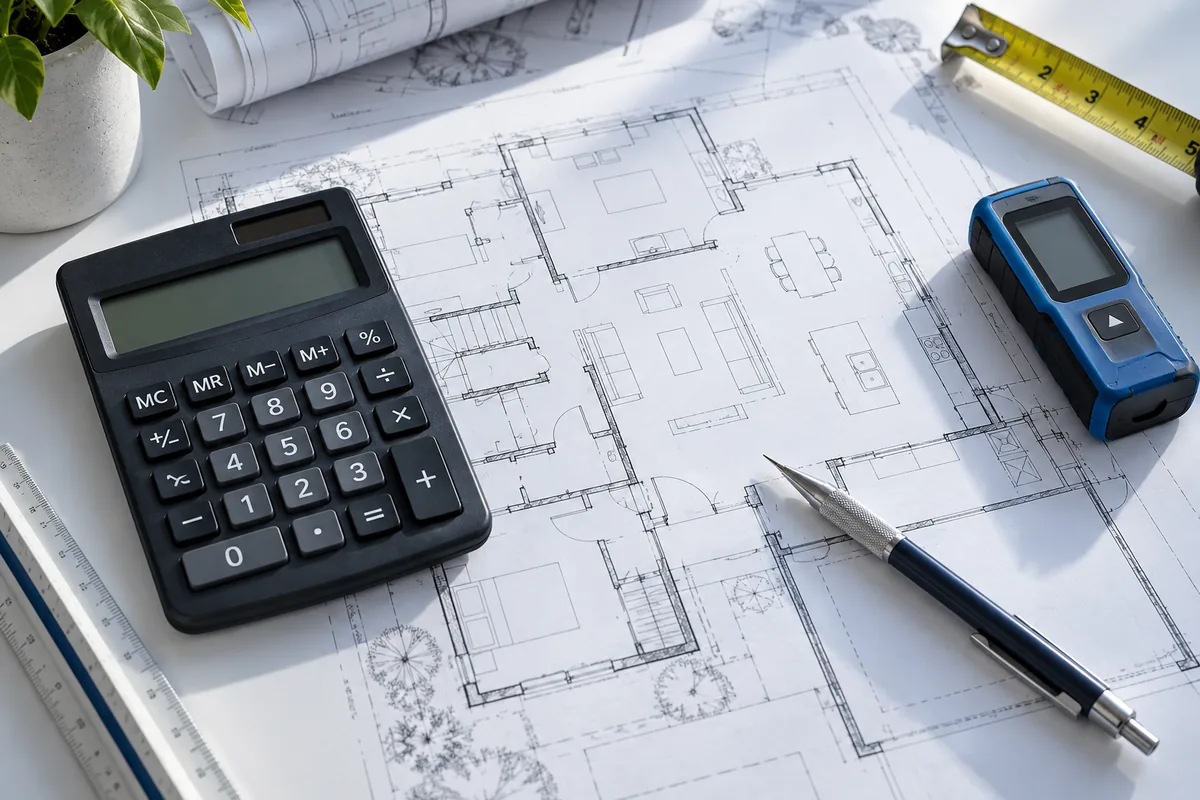
An existing sketch or room plan may help explain the destination. Note which choices you have made and which could still change. Do not open finishes or disconnect piping to trace the route yourself. The proposal should state any access work it needs and explain how a revised location affects that scope before the work proceeds.
Piping Work and Appliance Installation
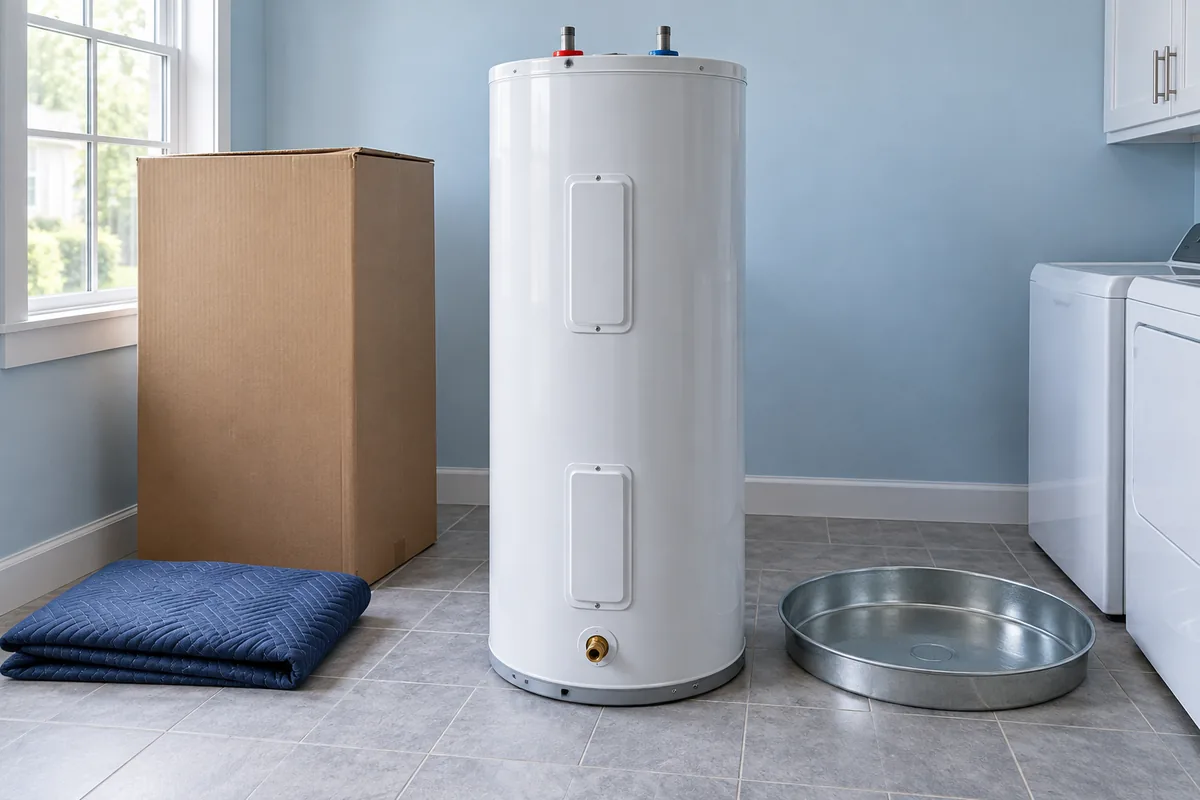
Water heater installation in Canby covers that equipment project when it forms part of the request. Gas-line work and installing the heater have distinct requirements. If both are needed, the proposal should define the work included for each.
The same distinction applies when planning another appliance connection. Clarify whether the request covers the line only, the equipment work or both. A proposal should identify the relevant connection tasks and the unit involved.
Access Openings and Surface Restoration
Describe accessible piping, restricted areas and who controls entry. Leave hidden sections for the planned assessment instead of exposing them in advance.
Confirm any access opening and its surface restoration separately. The proposal should identify included finish work so the gas-line task does not become an undefined remodel.
Separate Water and Drainage Work
A plumber in Canby can assess separate water or drainage changes. Identify their locations and purpose, particularly when an appliance move changes more than the gas connection. The proposal should state the work on each system.
Changes to the Model, Fuel or Location
If the model, fuel or destination changes, ask which parts of the assessment and scope need revision before work continues. The revised proposal should explain the change and its effect on the task and price.
Completed Work and Remaining Installation Tasks
At completion, confirm the equipment served, piping work, relevant checks and any remaining step. Completing a gas connection does not establish that the whole appliance installation is finished.
Keep the confirmed model and equipment changes with the work record. A later addition or replacement needs review against its own demand and route requirements.
Contact HVAC & Appliance Repair Guys for gas-line repair, a replacement connection, an addition or a relocation in Canby. Follow the emergency guidance above immediately if you suspect an active leak.
Frequently Asked Questions
Can I infer the fuel type from where the appliance sits?
No. The room and nearby fitting do not establish the equipment’s fuel requirements. Use reliable model and installation information rather than a guess based on the previous unit.
Does a gas-line request automatically include converting an appliance?
No. Conversion needs its own model-specific assessment and defined task. A piping connection alone cannot establish that the equipment is suitable for a different fuel.
What if the exact replacement model is still undecided?
Explain that early. The final choice may change the requirements behind the line plan, so the proposal should not assume that all options have identical needs.
Why does another gas appliance matter to my addition?
Equipment can share parts of a supply route. The review needs to account for the connected demand instead of assessing the new fitting in isolation.
Should I expose hidden piping to help prepare the proposal?
No. Share existing plans and known access limits. Any opening or disconnection belongs within the defined service process, not the owner’s preparation for a routine request.
Does completing the gas connection finish the whole appliance installation?
Not necessarily. Confirm the gas-piping task, any included appliance work and other agreed changes separately, including what is complete and what remains.
Request Gas Line Services in Canby, OR
For gas line services in Canby, OR, call HVAC & Appliance Repair Guys or submit a service request through the form on this page.