



Gas-Line Repair, Connections and Relocation in Happy Valley
HVAC & Appliance Repair Guys provides gas-line repairs, appliance connections and relocation work in Happy Valley. The piping must suit the selected equipment, intended fuel and shared supply demand. Where the route passes through finished areas, the plan also needs clear access and restoration requirements.
What should I do if I suspect an active gas leak?
Leave the area at once. Avoid flames, electrical switches and phone use nearby. From a safe location, call 911 for emergency help. Do not wait for a routine appointment or try to find the leak.
Describe restrictions on opening surfaces and distinguish preferences from confirmed conditions. An existing drawing or equipment record can help explain the layout. There is no need to expose a line to begin the discussion. Leave gas fittings and connections intact so the assessment starts from the actual installed arrangement.
Supply Requirements and Route Access
A concealed route needs review for its length, connection points, existing branches and equipment demand. Hiding the pipe is a design preference; it does not establish that the path suits the gas supply.
Identify surfaces you want to preserve and layout choices that remain open. The proposal should explain practical route options and any access work required.
Appliance Model, Fuel and Shared Supply
The selected gas appliance is part of the route decision. Share the exact model and intended fuel when known, especially if a new unit replaces one with different requirements. Do not assume natural gas and other fuel arrangements are the same. A nearby existing connection does not settle that equipment question on its own.
State whether the project moves, replaces or adds equipment, and identify other gas appliances sharing the supply. Update the plan if the selected model changes.
Existing Drawings and Concealed Piping
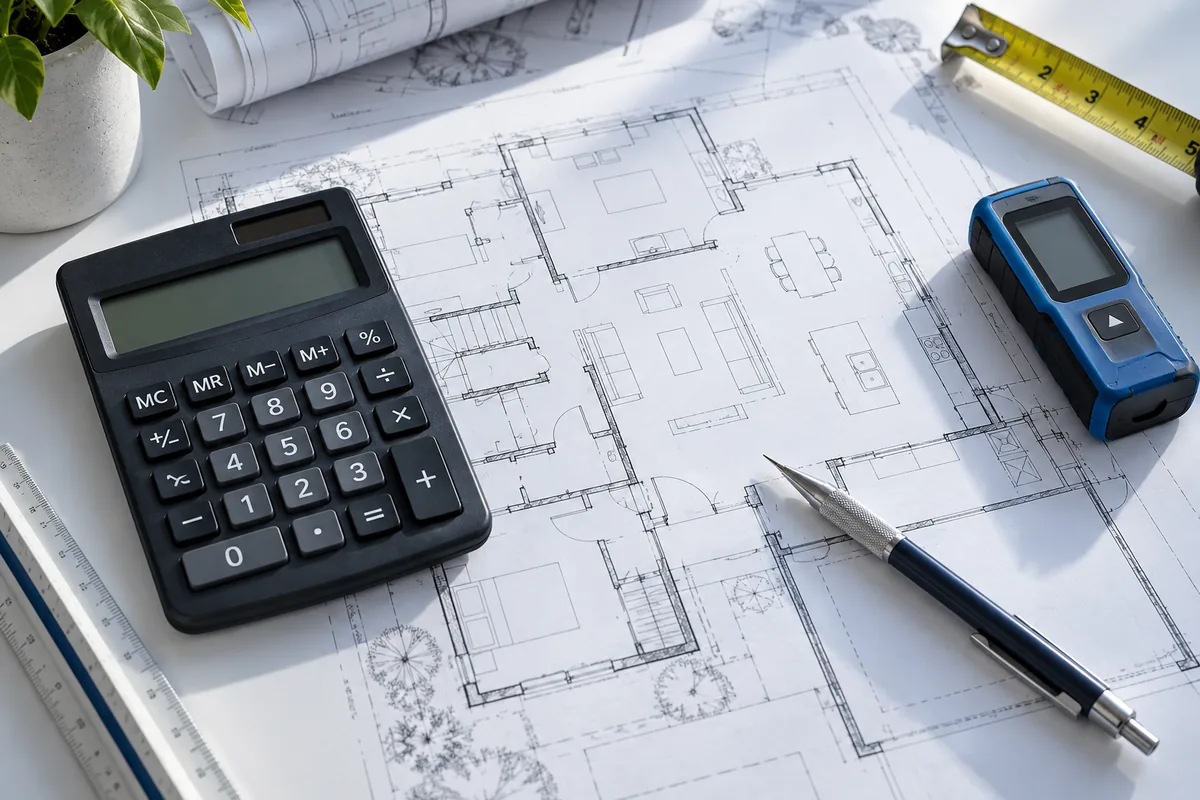
Share previous drawings or installation records with their dates and known later changes. They provide context for hidden piping but do not establish the current condition of every section.
Leave uncertain routes for assessment. Do not infer a complete layout from one fitting or open a finished surface to trace piping yourself.
Access Openings and Surface Restoration
Confirm any required access opening and which patching or finish restoration is included. Opening a surface and restoring it are separate parts of the project.
Piping Work Before Surfaces Are Closed
When the project includes an access opening, confirm which piping tasks, tests and inspections must be completed before it is closed. Coordinate that sequence with the finish work, and review any new conditions before proceeding.
Agree on any added piping or finish work before the next stage proceeds.
Mention access hours and rooms that must remain available. These limits affect scheduling, while the actual work and findings determine completion.
Piping Tests and Appliance Operating Checks
The proposed gas piping needs checks that suit the actual task. Discuss any required pressure testing and the stage at which the work can move forward. The service plan should make those requirements clear without asking the owner to test connections. Do not open a fitting, operate a valve or try to prove the line is sound yourself.
Piping tests and appliance operating checks cover different questions. Record what each assessment covers and any remaining equipment requirement; a result for one section is not a review of every hidden branch.
Gas Piping and Water Heater Installation
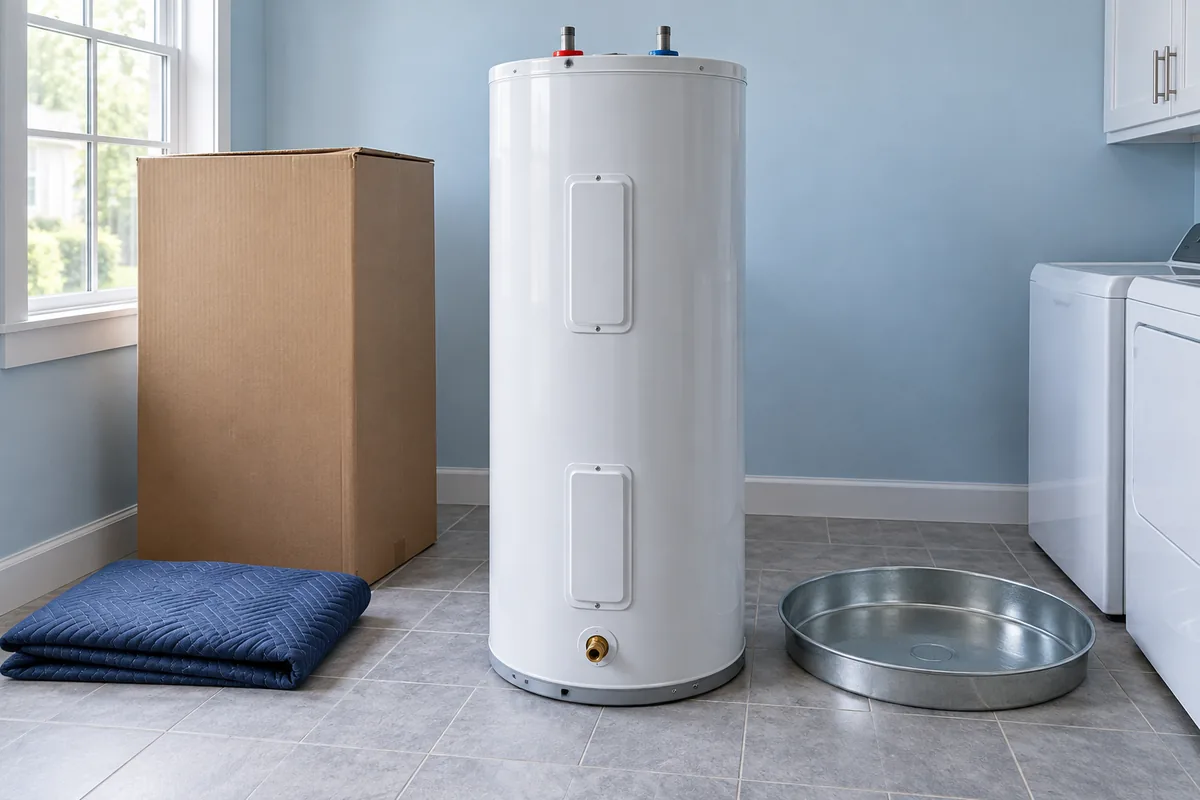
Water heater installation in Happy Valley covers that equipment project when relevant. If the scope includes a heater as well as the gas route, the proposal should define both tasks. The work may share an area, but a line installation does not by itself include the full equipment installation.
Water and Drainage Changes
A plumber in Happy Valley can assess additional water or drainage requests on their own findings. Describe their purpose and location; an appliance move may require separate work on more than one system.
If water, drain and gas tasks share an opening, identify that overlap and the included work on each system. Shared access does not make every nearby task part of one quote.
Route Options, Included Work and Price
Compare route options by supply suitability, connections, access and restoration. A concealed path and a shorter exposed path may involve different work, so compare the complete tasks alongside their prices.
Check whether each option includes the same equipment and surrounding work, and ask which concealed conditions remain uncertain. The plan should distinguish a required task from a preference.
Scope Changes and Unfinished Tasks
If the appliance, route or access changes, the revised proposal should explain the finding, affected tasks and effect on price or restoration before approval.
Before the next stage, confirm any unfinished piping, equipment or restoration task and who will complete it.
Completed Route and Future Equipment Changes
Retain the equipment served, actual piping route, completed work and relevant checks, including agreed changes from the initial drawing.
Record any remaining finish or equipment tasks. A later addition or route change needs its own assessment; today’s work does not establish suitability for unknown future demand.
Contact HVAC & Appliance Repair Guys to discuss gas-line repair, an appliance connection or relocation in Happy Valley. A suspected active leak requires the immediate action described above.
Frequently Asked Questions
When should I raise concerns about finished surfaces?
Before agreeing to the route and access plan. Describe the surfaces you want to preserve and any limits on openings so the proposal can address them explicitly.
Does gas-piping work automatically include rebuilding cabinetry?
No. Cabinet changes and restoration need an agreed scope. Nearby finishes do not become part of the job only because they surround the line.
Can I choose a route solely because it hides the pipe?
Visibility is one consideration. The selected equipment, supply arrangement and practical access still need review before the route becomes the final plan.
Should a piping test happen before a finish stage?
Confirm the checks and sequence required for the actual task. The work plan should identify when an affected area can proceed to its next agreed stage.
What if a hidden condition changes the original proposal?
The revised scope should explain the finding, proposed work and effect on access or restoration. Agree on those changes before the added task begins.
Do I need to remove surfaces before requesting the work?
No. Share existing records and describe known access. Any opening should follow the service plan rather than an attempt to investigate the gas route yourself.
Request Gas Line Services in Happy Valley, OR
For gas line services in Happy Valley, OR, call HVAC & Appliance Repair Guys or submit a service request through the form on this page.