


Gas Line Repair and Planned Connections in Troutdale
HVAC & Appliance Repair Guys provides gas-line repairs, replacement connections, additions and appliance moves in Troutdale. The selected model, intended fuel, shared demand and supply route define the work. You can request assessment without knowing every concealed pipe; identify the concern or planned change and leave unknown connections for professional review.
What should I do if I suspect an active gas leak?
Leave the area at once. Avoid flames, electrical switches and phone use nearby. From a safe location, call 911 for emergency help. Do not wait for a routine appointment or try to find the leak.
Leave fittings and appliance connections intact. Do not disconnect an old unit, expose piping or test an uncertain connection to prepare for a visit. Describe the planned change and what you already know; leave physical investigation and system changes to the professional work.
Replacement, Addition or Appliance Move
Say whether the project involves a replacement unit, an added appliance or a move to another location. These choices can create different supply needs. A unit that fits into an existing space may still differ from the old model. Its size alone does not show that the present gas arrangement suits the new equipment.
Provide the model from an existing manual, purchase or service record. If the selection remains open or changes, update the plan before finalizing the piping task.
Intended Fuel and Equipment Suitability
Confirm the appliance’s intended fuel. A gas-line change does not convert equipment to another fuel, and a similar-looking replacement can have different requirements.
Identify unclear fuel information for assessment. Do not alter parts or try an appliance on an uncertain supply; the equipment and piping tasks need the same confirmed details.
Existing Appliances and Shared Gas Demand
An added unit may share part of a gas supply path with existing equipment. Information about those known appliances helps define the review. The presence of a connection near the new location does not prove that the whole route can meet the planned demand. The shared portion can matter as well as the final connection.
Describe the equipment you know about without guessing at hidden pipe sizes or capacity. An older project record may help explain the arrangement, but it may not reflect later changes. Mark those limits clearly.
Appliance Location and Route Changes
Identify the current and intended appliance positions and known route restrictions. Relocation can change connections and access; a nearby fitting alone does not define a suitable supply path.
If the destination changes during a remodel, review the piping route and access again before relying on the earlier proposal.
Concealed Piping and Unknown Routes
Describe concealed routes from reliable records or ordinary observations and state what is unknown. Do not remove finishes, open fittings or disconnect equipment to investigate before the agreed work.
Tell us when the route is unknown. Any proposed opening should have a clear inspection or repair purpose, with its location and scope explained separately from surface restoration.
Access to the Work Area
Mention locked equipment rooms and restricted spaces, and identify who can provide access to each part of the work area.
Access Openings and Finished Surfaces
Describe cabinets, wall finishes and fixed features along the proposed route. They affect access but do not automatically require removal; the assessment should identify the opening actually needed.
Confirm which access and restoration tasks are included, and revisit that scope if the route changes.
Water Heater Installation and Gas-Line Work
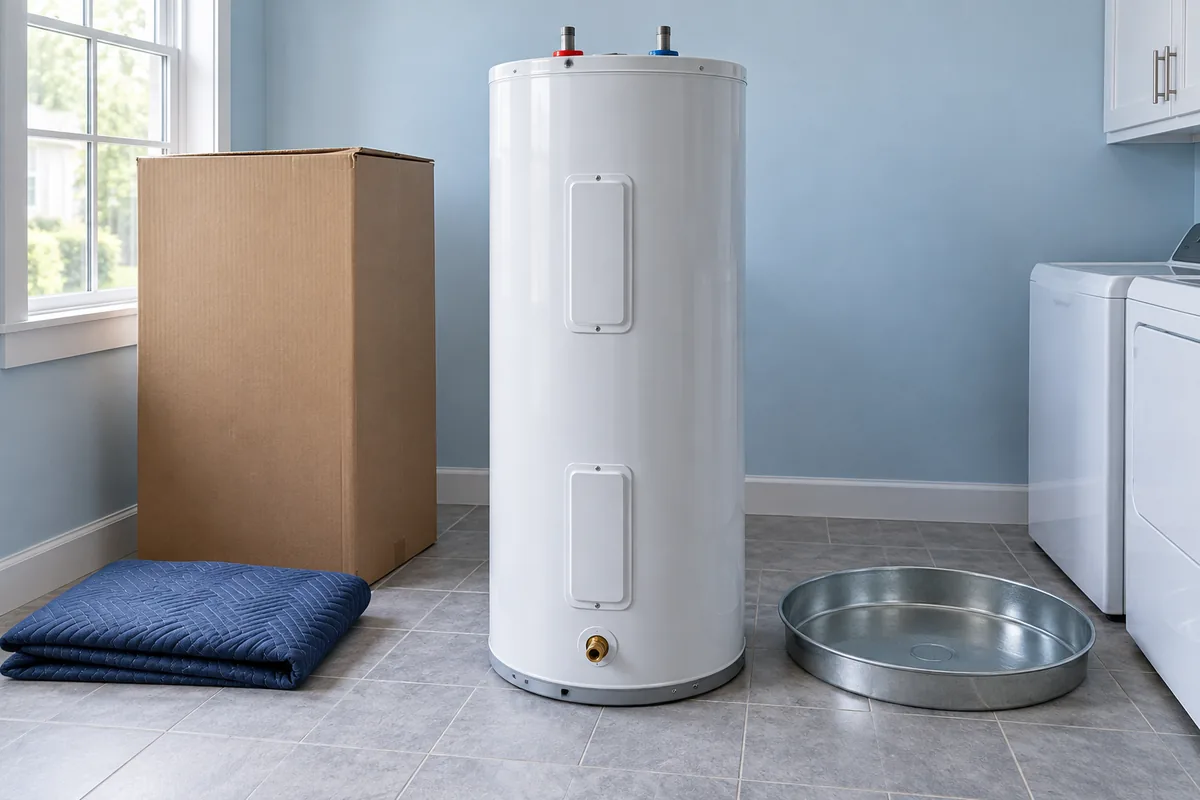
Water heater installation in Troutdale involves the equipment as well as any separate gas-line work. If both belong to the request, identify both. The selected heater supplies important model and fuel information for the line review. The equipment task still needs its own clear description.
A heater replacement does not establish which gas sections must change, and line work does not automatically include installing the heater. Confirm both tasks when both are needed.
Water and Drainage Requests
A plumber in Troutdale can assess related water or drainage work when the project includes it. Explain the location and purpose of each request. Several systems can pass through one work area without sharing the same fault or needing the same change.
For a project involving several systems, identify the gas, water and drain changes separately, even where access is shared.
Proposed Work, Price Changes and Completed Checks
Review the equipment served, affected supply section, route, retained piping and proposed changes. If the findings alter the task, the revised scope should explain why and how the price changes.
Retain the actual model, completed work, relevant checks and remaining project tasks. The result applies to this assessed scope; later additions need review against their own requirements.
Contact HVAC & Appliance Repair Guys for gas-line repair, a replacement connection, an addition or an appliance move in Troutdale. If you suspect an active leak, follow the emergency guidance above immediately.
Frequently Asked Questions
Should I disconnect the old appliance before the visit?
No. Leave the connections intact. Describe the replacement plan and let the defined professional task address any disconnection or piping change.
What if I do not know the route behind a finished wall?
Say that the route is unknown. Existing records may help, but do not open surfaces or the gas system to investigate it yourself.
Why does a locked equipment room matter when booking?
The visit needs access to the relevant area. Identify who can provide entry and who can approve work if those are different people.
Does an available connection prove the new unit will suit the supply?
No. The selected model, intended fuel and relevant shared demand still need review. The nearby connection is only part of that arrangement.
Can I discuss the project before choosing the final model?
Yes, but keep the choice open in the plan. The final piping scope needs to reflect the model and location you select.
Should water or drainage changes go in the same request?
Mention them if they belong to the project, with their own location and purpose. Their work scope should remain clear alongside the gas-line task.
Request Gas Line Services in Troutdale, OR
For gas line services in Troutdale, OR, call HVAC & Appliance Repair Guys or submit a service request through the form on this page.