

Gas-Line Repair, Connections and Relocation in Tualatin
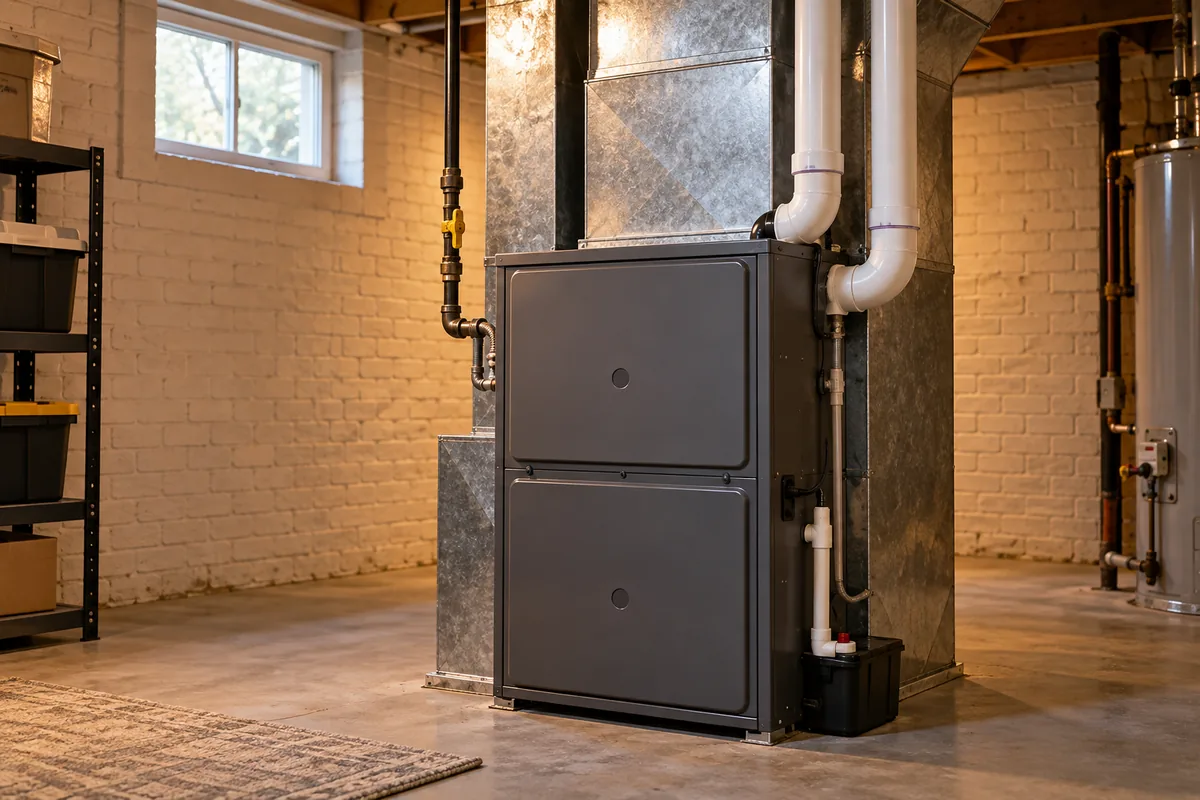
HVAC & Appliance Repair Guys provides gas-line repairs, new appliance connections and relocation work in Tualatin. The selected model, intended fuel, shared supply demand and route determine the proposed task. An existing fitting alone does not establish that the piping suits a replacement or added appliance.
What should I do if I suspect an active gas leak?
Leave the area at once. Avoid flames, electrical switches and phone use nearby. From a safe location, call 911 for emergency help. Do not wait for a routine appointment or try to find the leak.
Describe the affected section or planned connection and what equipment it serves. The proposal should identify piping work, relevant professional checks and any separate appliance or access task.
Selected Model and Intended Fuel
A new model can change more than the size of an appliance. Its gas needs or connection details may differ from the first choice. Send the current model information if the selection changes. Review the earlier piping plan against the new unit before relying on it.
Confirm the intended fuel. Equipment set up for natural gas may not suit another fuel, and piping work does not itself convert an appliance. Leave model-specific suitability questions for assessment.
Appliance Locations and Shared Supply
Identify the current and intended appliance locations. A move can change route and access, so replace outdated layout details before the piping plan is finalized.
Known existing gas appliances also help explain the wider supply arrangement. Several units can share a section of line. Adding a connection does not establish that the shared part suits the added load. The review needs the relevant equipment details, while any unknown route or capacity remains a question to resolve.
Changed Scope and Professional Checks
If a new finding, model or route changes the plan, review the added or removed piping, connections and access tasks, with their effect on price, before approval.
The scope should identify relevant professional checks, such as pressure testing when the task requires it. Do not attempt leak detection or tests to settle an unknown condition yourself.
Water Heater Installation and Other Plumbing Tasks
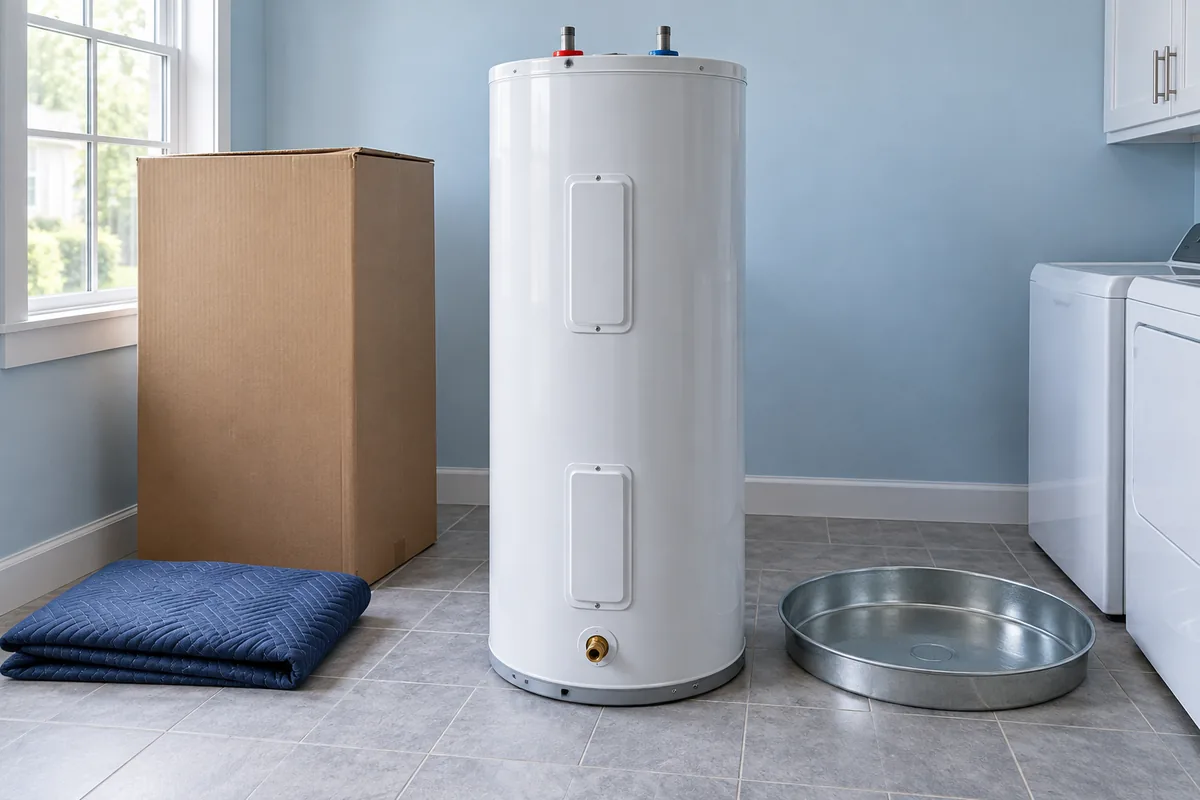
Water heater installation in Tualatin has its own equipment scope. If the heater belongs to the project, share its selected model and confirm whether the agreed work covers the unit, its gas supply or both.
A plumber in Tualatin can assess separate water or drain requests. Give each one its own purpose and location. Sharing access does not make those tasks part of the gas-line work.
Previous Work and Current Equipment Requirements
Share prior work records with their dates, affected sections and known later changes. They can explain history without establishing the needs of the current equipment.
A past connection task does not prove the line meets every new unit’s needs. Describe known changes and any gaps in the history. Do not open fittings or take apart equipment to obtain more information; the assessment should establish the details relevant to the current gas-line work.
Completed Gas-Line Work and Remaining Tasks
Retain the actual model, route, completed tasks, relevant checks and agreed revisions in the final work record.
Identify any remaining appliance, access or finish task so completion of the gas line is not mistaken for completion of the entire project.
Contact HVAC & Appliance Repair Guys for gas-line repair, a new appliance connection or relocation work in Tualatin. If you suspect an active leak, take the emergency steps above instead of waiting for routine service.
Frequently Asked Questions
What should the person attending the visit know?
Give them the current unit, intended location and approved tasks. Identify who can decide on a change so the visit does not rely on a guess about your approval.
Does choosing a new model require another look at the piping plan?
It can. The unit may have different fuel or supply needs. Share its details before proceeding with a plan based on the earlier choice.
Can an older work record replace assessment of a new addition?
No. It provides history within its stated limits. The current equipment and added demand still need review.
Does allowing entry authorize a new gas-line task?
No. Access and project approval are different roles. The responsible person needs the finding and proposed change before deciding on added work.
Request Gas Line Services in Tualatin, OR
For gas line services in Tualatin, OR, call HVAC & Appliance Repair Guys or submit a service request through the form on this page.