



Heat Pump Repair in Aurora, OR
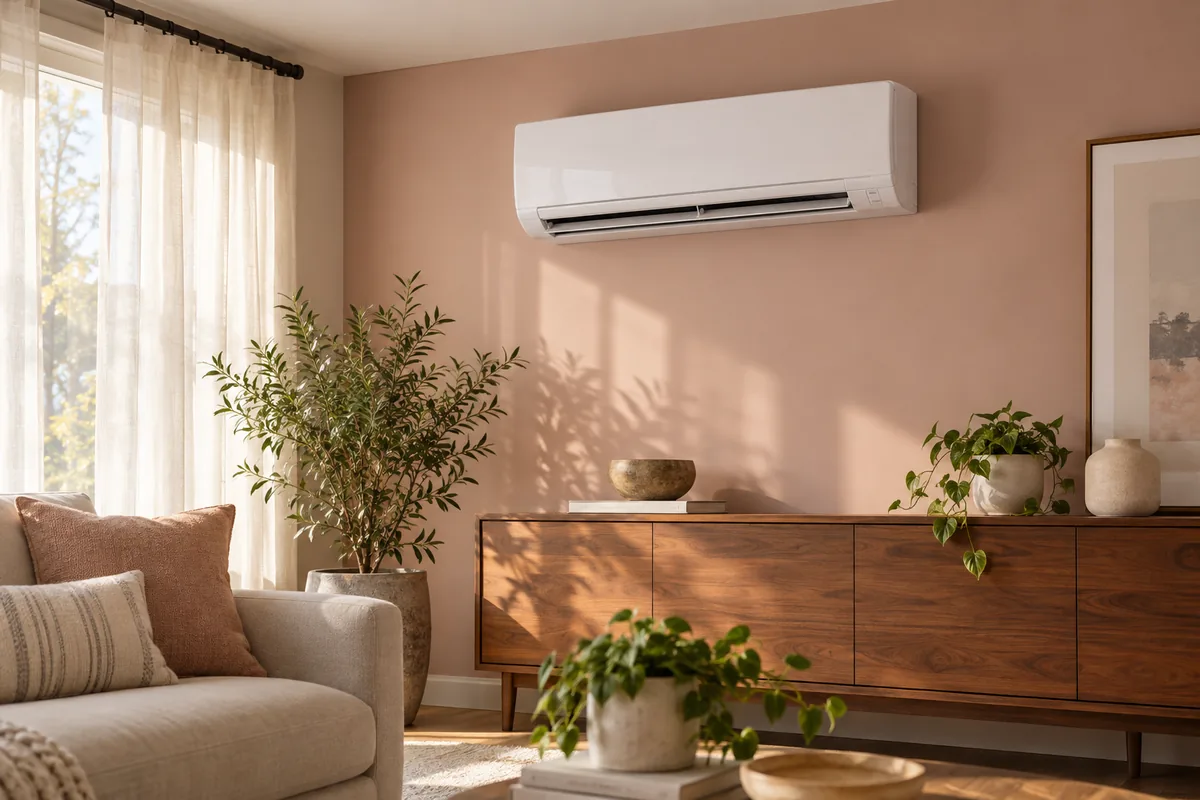
HVAC & Appliance Repair Guys provides heat pump repair in Aurora, OR for poor heating, lost cooling, repeated stops and persistent outdoor ice. We assess the equipment and explain repair options. Tell us whether the problem affects heating, cooling or both and whether the rooms reach the requested temperature.
Our heat pump repair service checks the controls, indoor unit and outdoor equipment together. Weak airflow differs from air that moves normally but feels wrong for the selected mode. For a pause during heating, include what happened outdoors and whether useful heat returned.
Defrost Changes and Persistent Outdoor Ice
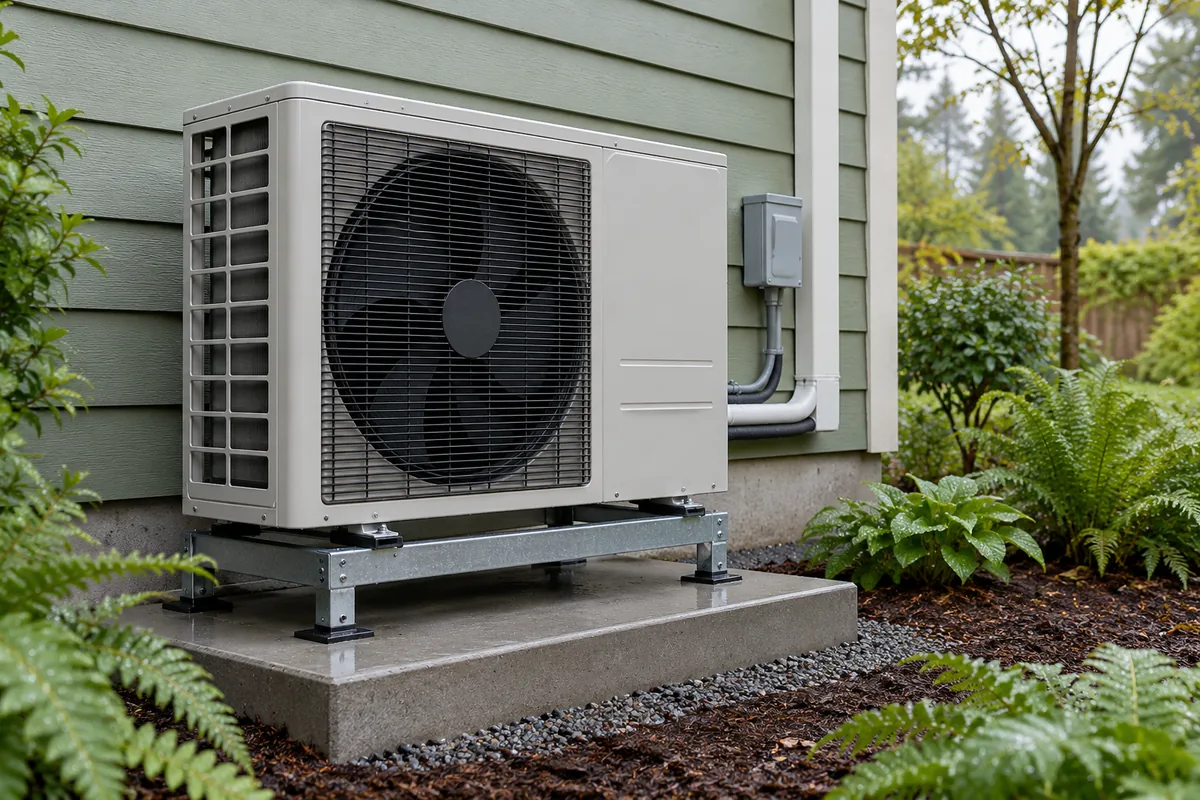
An air-source heat pump can collect frost on its outdoor coil in cold, damp conditions. A defrost cycle warms that coil to clear the frost before normal heating resumes. Steam or a brief change in outdoor fan behavior can occur. Those signs need context; they do not make every outdoor change harmless.
Note whether heat returns to the rooms and whether visible frost clears. Report ice that persists or a system that keeps losing useful heat. Do not chip the ice, pour hot water on the unit or try to force a defrost cycle.
Use observations from ordinary operation. You do not need to stand by the unit or repeatedly restart it to time an event. If you only saw part of the sequence, describe that part. The technician can review the equipment and explain which condition the visit confirms and which remains uncertain.
Indoor Warmth, Airflow and Affected Rooms
Include whether all rooms lose warmth or only one area feels different. Note if air continues to move while the temperature falls. Keep any control indication with the time you noticed it. These details describe the indoor result without assuming that an outdoor pause explains every comfort problem.
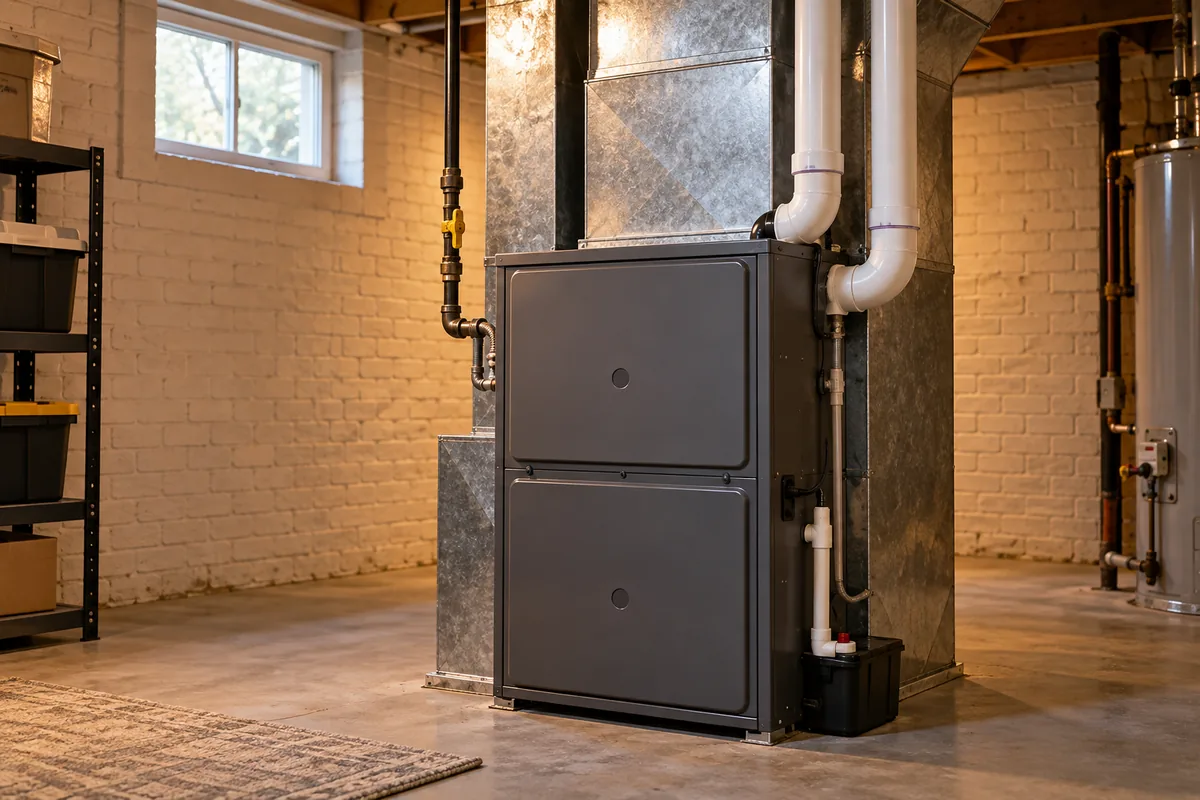
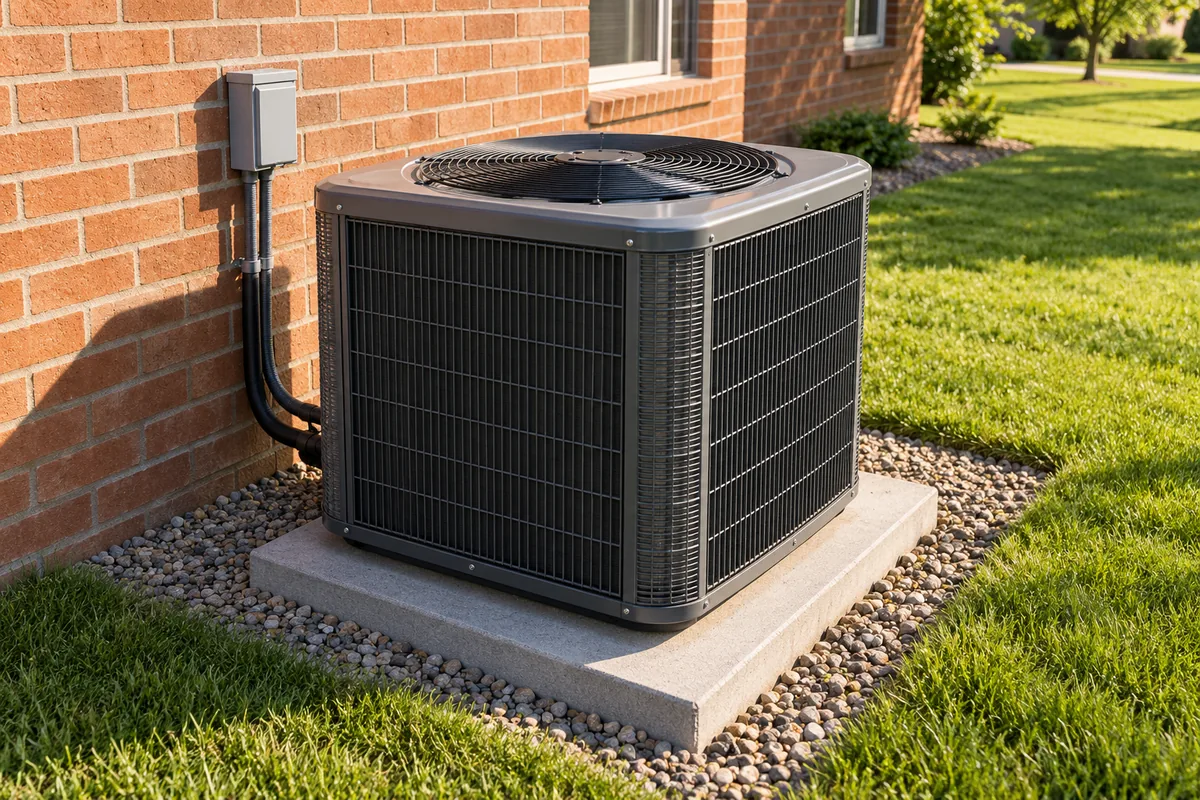
Our HVAC repair service in Aurora covers a wider request involving other heating and cooling equipment. Tell us if another system serves the affected rooms or if you are unsure of the setup. Keep each known concern separate. The assessment needs to connect the equipment with the space it serves.
Safe Equipment Access, Repair Findings and Costs
For the Aurora visit, identify the property and all equipment locations. Explain locked spaces or difficult access in advance. Leave internal covers and connections untouched. Existing model details and service notes can help without requiring you to climb or enter a tight space.
The technician explains the fault and proposed work. If the heating interruption does not occur during the visit, ask whether more observation or another check is needed.
Review the proposed task and price before approving a repair. Parts or access may affect whether the work needs another visit. Same-day service is subject to availability. The appointment time and the time needed to finish the repair are separate matters.
Heating Recovery and Later Maintenance
After the work, ask how heating recovery was checked and what to report if ice or the interruption returns.
Planned heat pump maintenance can follow the repair assessment when routine care is also due. Mention persistent ice or poor heat when arranging a tune-up, and keep any unresolved fault separate from planned maintenance.
Request heat pump repair in Aurora from HVAC & Appliance Repair Guys using the service form below. Describe the selected mode, any persistent outdoor ice and whether useful heat returned indoors, without forcing a defrost cycle or restarting repeatedly.
Frequently Asked Questions
Does steam from the outdoor unit always mean a fault?
Steam can appear as frost melts during defrost. Tell us when it appeared and whether normal heating returned. Persistent ice or an ongoing loss of heat needs assessment.
Can I judge defrost by a fixed number of minutes?
The equipment and conditions matter. Share the timing you noticed without using one time limit as a diagnosis. Repeated interruptions, persistent ice and poor heating recovery deserve review in their full context.
What if the outdoor unit looks normal during the appointment?
Keep your earlier observations and any safe photo of the visible condition available. Explain what changed indoors at the same time. The technician can state what the current checks show and whether the earlier event needs further review.
Should I remove the ice before service?
Do not chip, heat or reach into the unit to remove it. Describe where the ice appears from a safe position and arrange an assessment. Leave the equipment condition and the cause of the ice for the professional review.
Request Heat Pump Repair in Aurora, OR
For heat pump repair in Aurora, OR, call HVAC & Appliance Repair Guys or submit a service request through the form on this page.