


Heat Pump Repair in Brush Prairie, WA
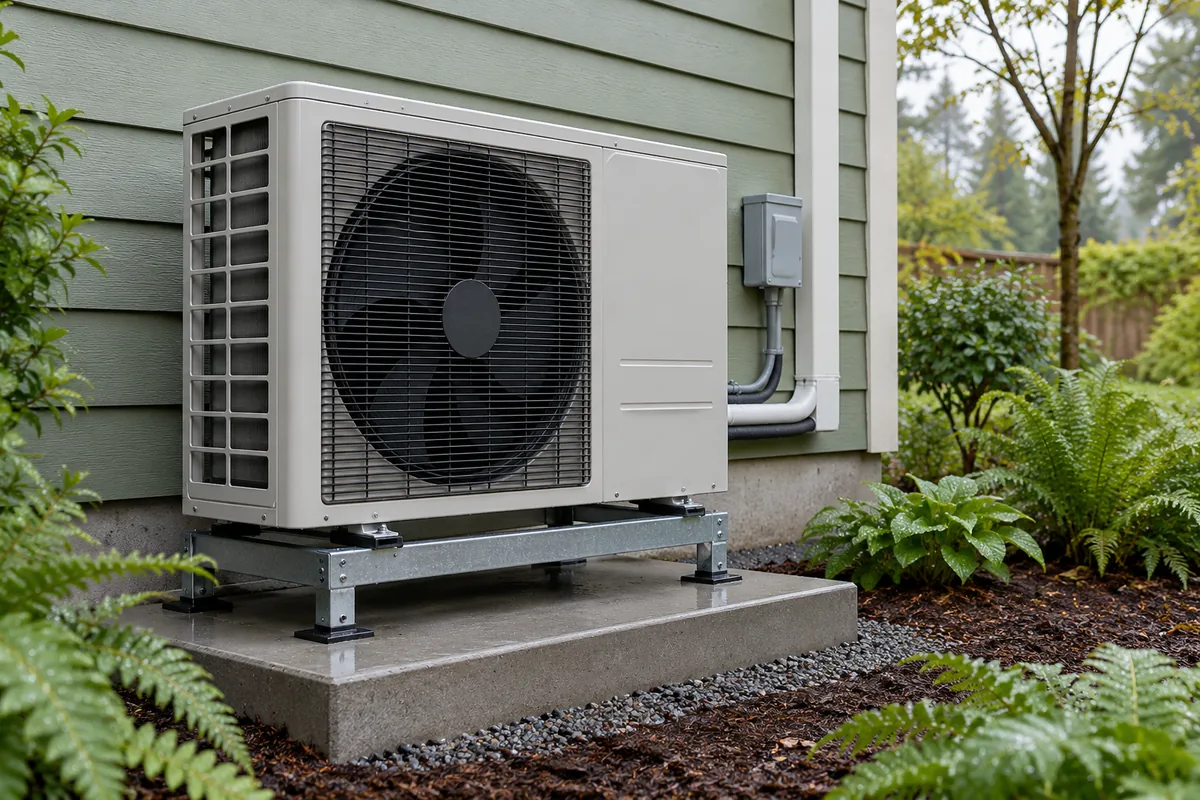
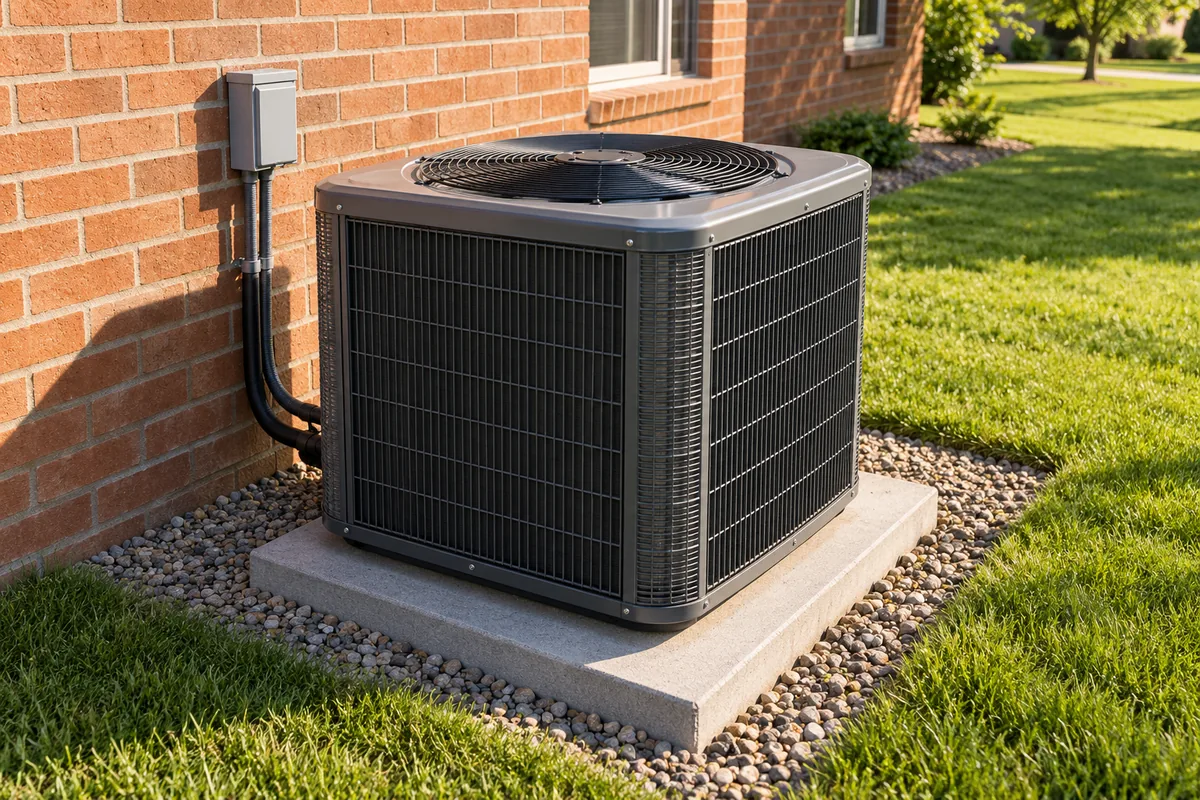
HVAC & Appliance Repair Guys provides heat pump repair in Brush Prairie, WA for heating loss, poor cooling and equipment that stops unexpectedly. We assess the installed system and explain repair options. If a gas furnace shares the heating setup, tell us what stops working and what still supplies warmth.
Identify the affected mode and whether air moves normally, feels wrong for the setting or reaches rooms weakly. The indoor and outdoor equipment work together, so a fan sound does not establish heating or cooling performance. You do not need to identify the failed heat source or component before arranging service.
Dual Fuel Heat Pumps and Gas Furnace Backup
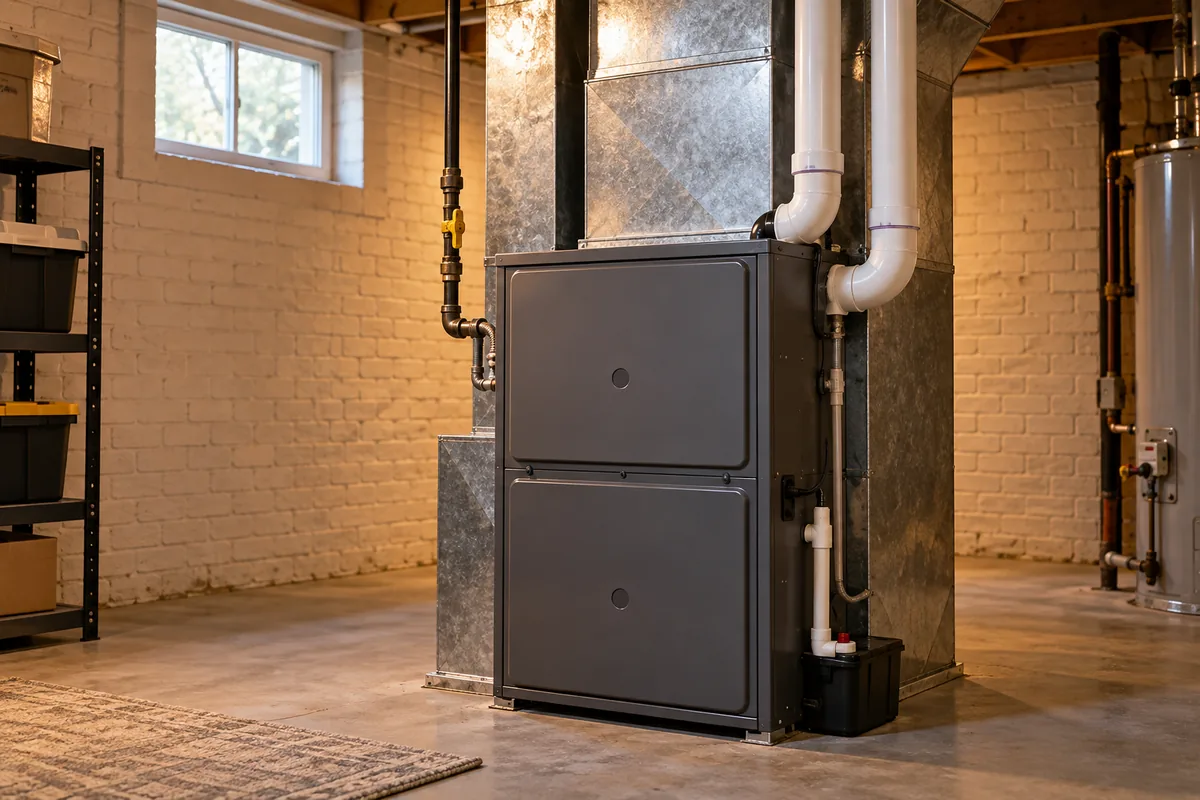
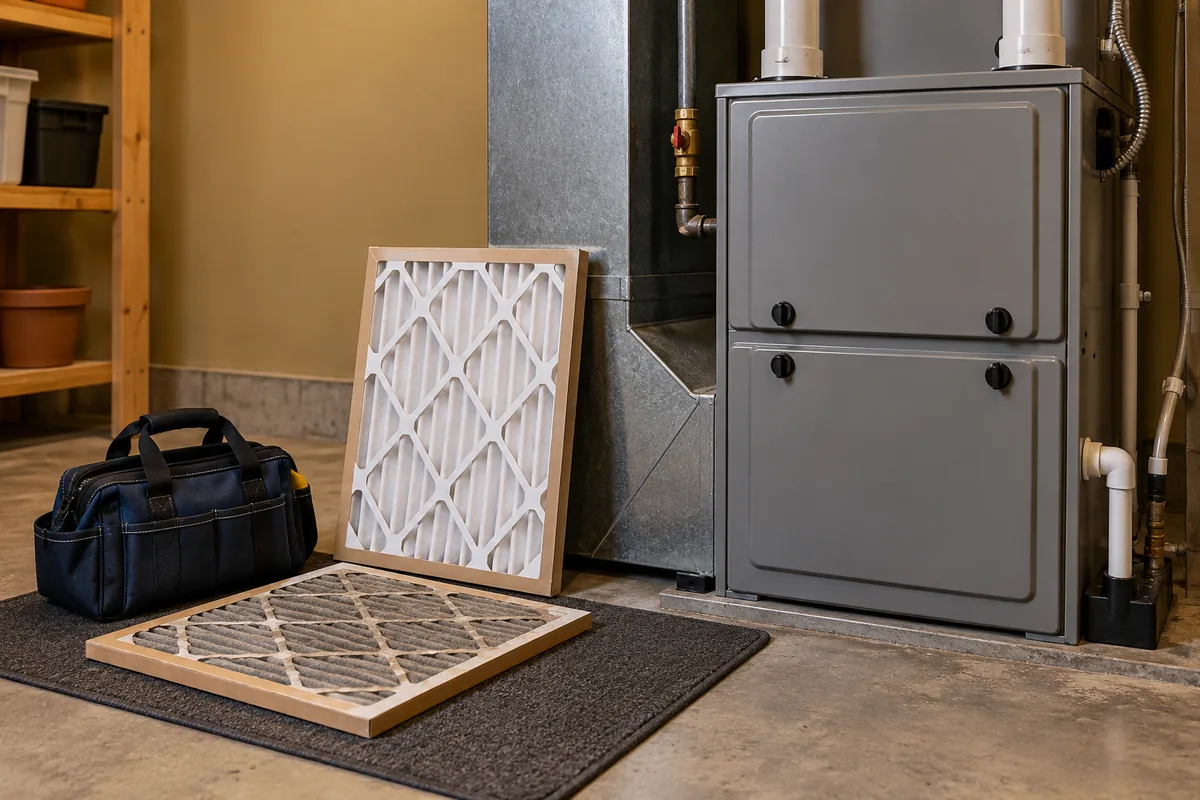
A dual fuel setup combines an electric heat pump with a gas furnace. Its controls manage the use of the two heat sources according to the installed arrangement and operating conditions. The furnace can take over heating when the system calls for it. That is a different setup from a heat pump with electric backup heat, so equipment identification matters.
Our heat pump repair service considers the equipment present at the property. Tell us if you know that a gas furnace forms part of the system. If you are unsure, share an existing model record or describe the visible indoor cabinet. We can clarify the arrangement rather than ask you to open it or trace connections.
Indoor Warmth during Heat-Source Changes
Describe whether the home stays warm, briefly loses heat and recovers, or continues getting colder when the operating pattern changes. Include any control-display change at the same time. The sequence helps connect the selected mode, equipment response and room result.
Do not apply a single outdoor temperature as the correct changeover point for every system. The installed equipment and control setup matter. Tell us whether the current pattern differs from the way this system normally heats the home. That comparison helps the technician assess the change without assuming a failed part.
Separate Heat Pump and Furnace Symptoms
If the home warms during one part of the sequence but not another, explain that difference. Also state how you identified the equipment that was running, if you know. A sound from an indoor cabinet may only confirm air movement. The technician still needs to establish which heat source operated and whether it supplied the expected warmth.
For a confirmed gas-furnace concern, see furnace repair in Brush Prairie. Mention the connected heat pump and confirm which equipment and functions the visit includes.
Control Messages and Their Diagnostic Limits
Copy a visible message or mode label as it appears and identify the control that shows it. The meaning depends on the model and installed setup; a label alone does not prove either heating unit has failed. Include the room-temperature change at the same time.
Leave installer menus, changeover settings, wiring and gas controls alone. Do not disable one heat source to test whether the other will take over. If you already changed a normal user setting, tell us which one and what happened afterward. That change alone does not confirm a repair.
Earlier Control and Equipment Changes
Mention recent work on the thermostat or either heating unit and which equipment changed. The sequence helps guide checks without establishing the cause.
If you do not know the earlier performance, describe what you have observed since first using the system and share any available records.
Shared Airflow and Separate Room Concerns
Tell us if indoor air movement changes when useful heating stops. Also identify whether the whole home loses warmth or only certain rooms feel different. Those observations help define the scope without naming a failed blower, control or heating component. A room issue may need attention alongside the question about which heat source operates.
For concerns involving several systems, see HVAC repair in Brush Prairie. Identify the controls and rooms for each system so the assessment addresses the equipment serving the affected area.
Diagnosed Faults, Repair Costs and Approval
Ask which unit or control has the diagnosed fault and how the proposed work addresses the lost heat. Two heat sources do not automatically require repairs to both.
Review the work, price and any parts or further visit before approval. If a later check depends on the first repair, ask what it will establish.
Safe Access, Operating Results and Visit Timing
For the appointment, arrange access to the outdoor unit, indoor heating equipment and controls. Tell us about locked areas or other practical limits before arrival. Leave cabinet covers, electrical parts and fuel connections in place. If someone else meets the technician, share the history and name the person who can approve repairs.
After service, discuss how the operating checks relate to the transition or loss of warmth you reported. Keep any limit on those checks in the record. Same-day service is subject to availability, and parts or further assessment may require another visit. Record remaining checks or repair work separately from any initial improvement.
Request heat pump repair in Brush Prairie from HVAC & Appliance Repair Guys through the service form below. Describe which heating or cooling function fails, what still provides warmth and any visible control message, without changing heat-source settings to test it.
Frequently Asked Questions
Does every heat pump have a gas furnace attached?
No. Heat pump arrangements vary, and some use another form of backup or a different indoor setup. Share the equipment information you already have. We can review the service scope without assuming a furnace is part of every heat pump request.
Does a stopped outdoor unit mean the furnace should always run?
Not in every operating state. The selected mode, control request and installed arrangement matter. Describe the heat request and equipment response, including what happened indoors.
Should I select Emergency Heat to test the furnace?
Do not use an emergency setting as a diagnostic experiment. The function and available equipment depend on the system. Report the current setting and symptoms, and leave the checks needed to distinguish the heat sources to the technician.
Can a repair visit address both heating and cooling concerns?
Describe both concerns when arranging service so we can define the scope. Include the mode linked to each symptom. A successful heating response does not establish that the heat pump’s cooling function works correctly, or the reverse.
Does the presence of two heat sources guarantee lower bills after repair?
No. The repair should address a supported operating fault. We do not promise a particular energy bill from the equipment arrangement or a symptom description. Ask which operating result the proposed work should restore.
Request Heat Pump Repair in Brush Prairie, WA
For heat pump repair in Brush Prairie, WA, call HVAC & Appliance Repair Guys or submit a service request through the form on this page.