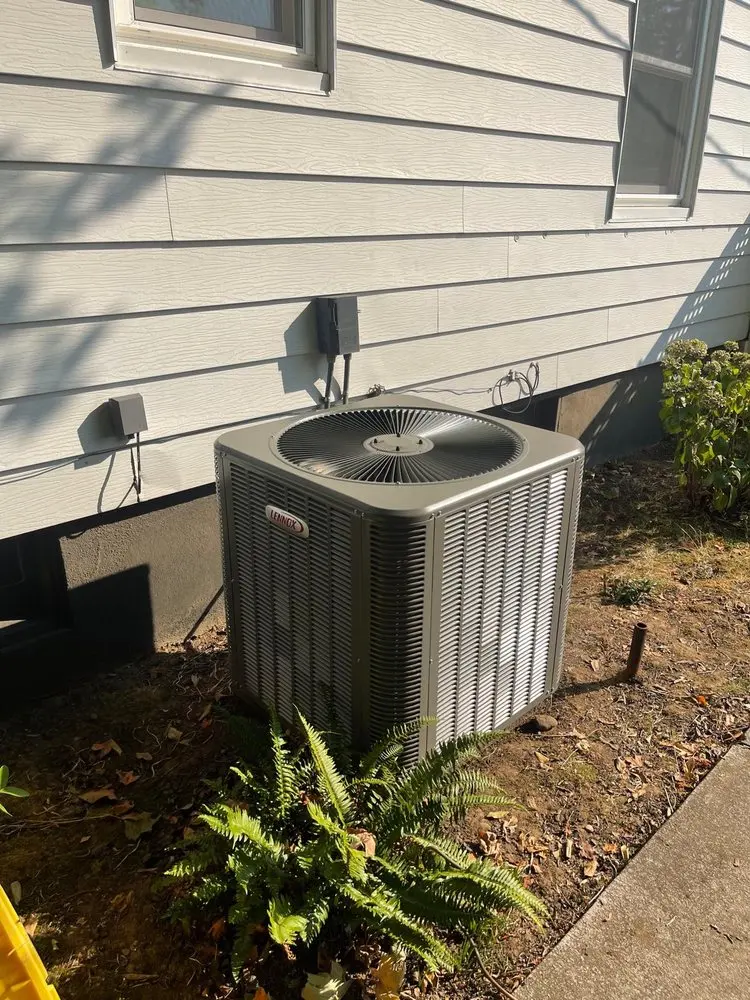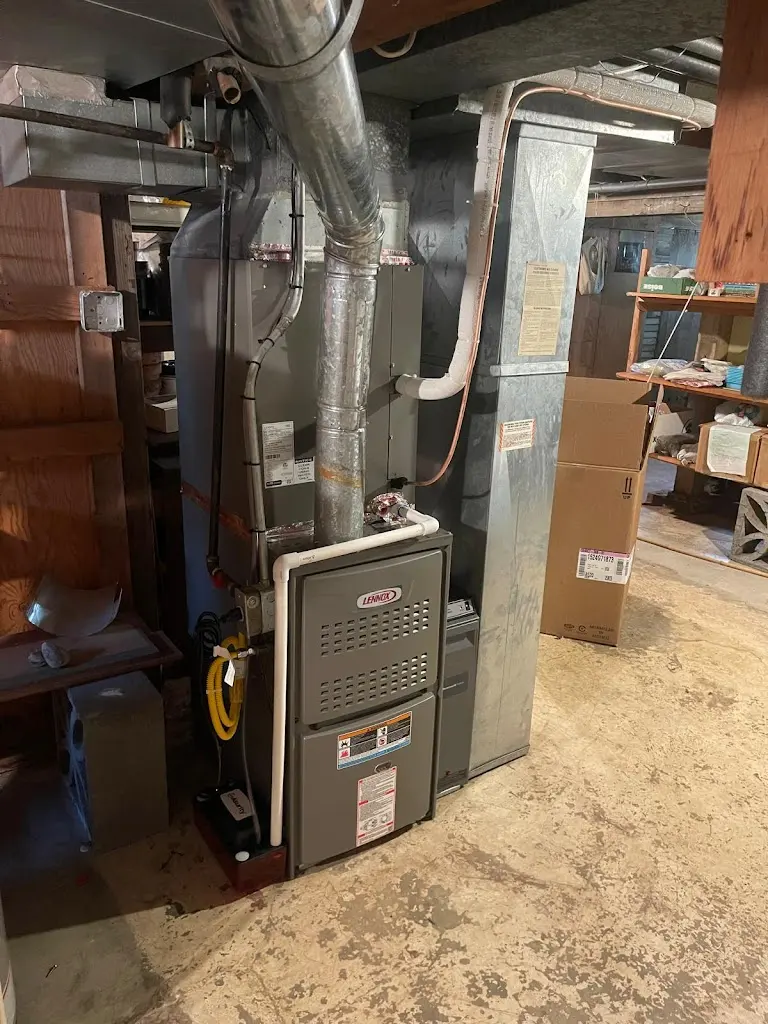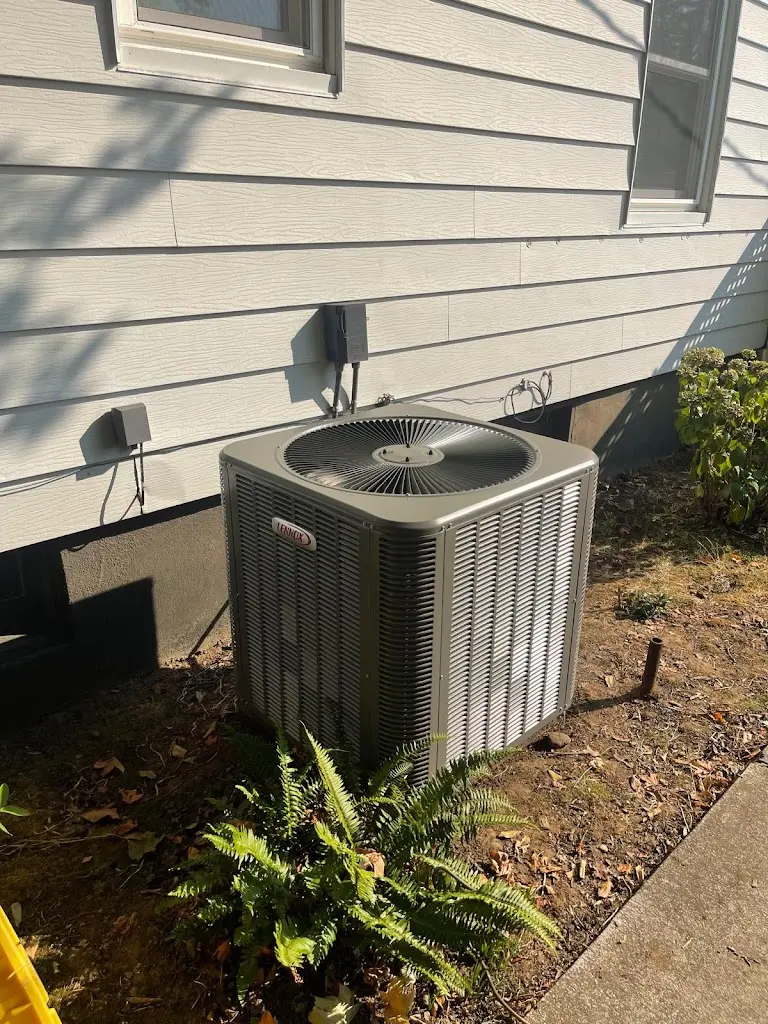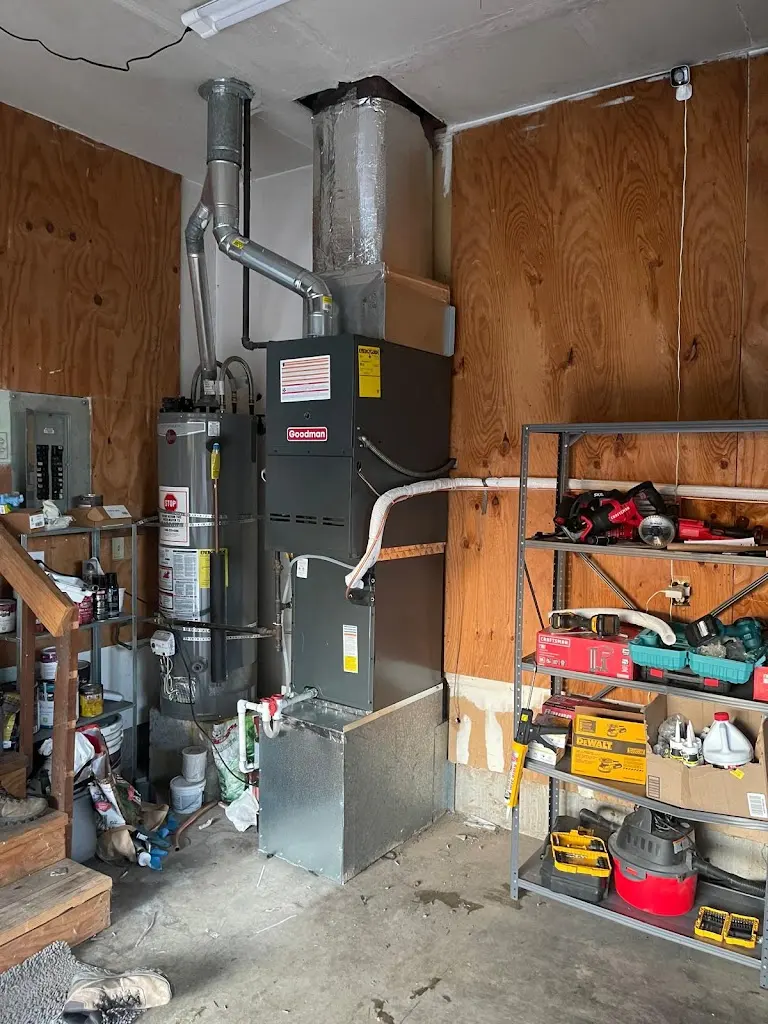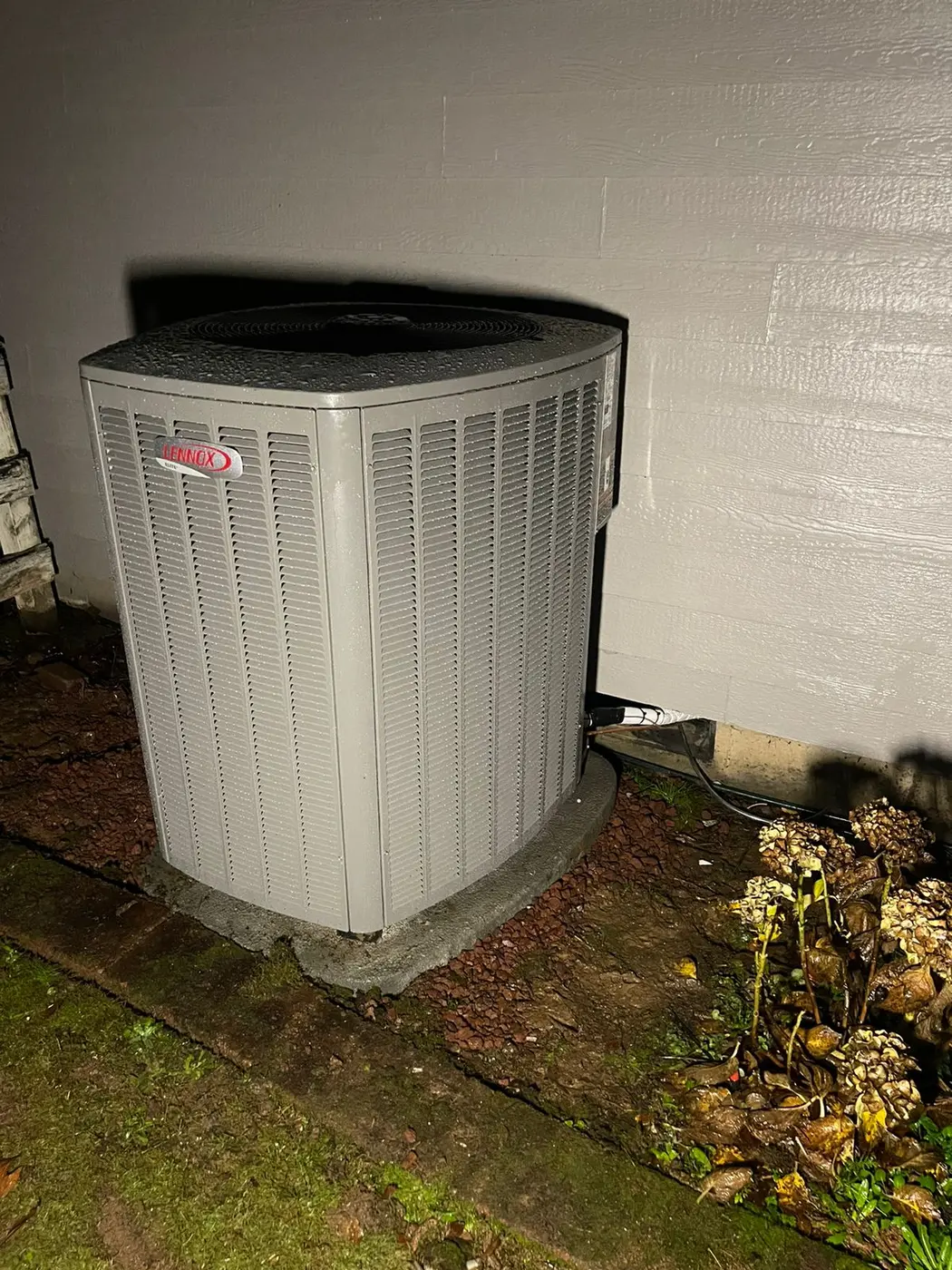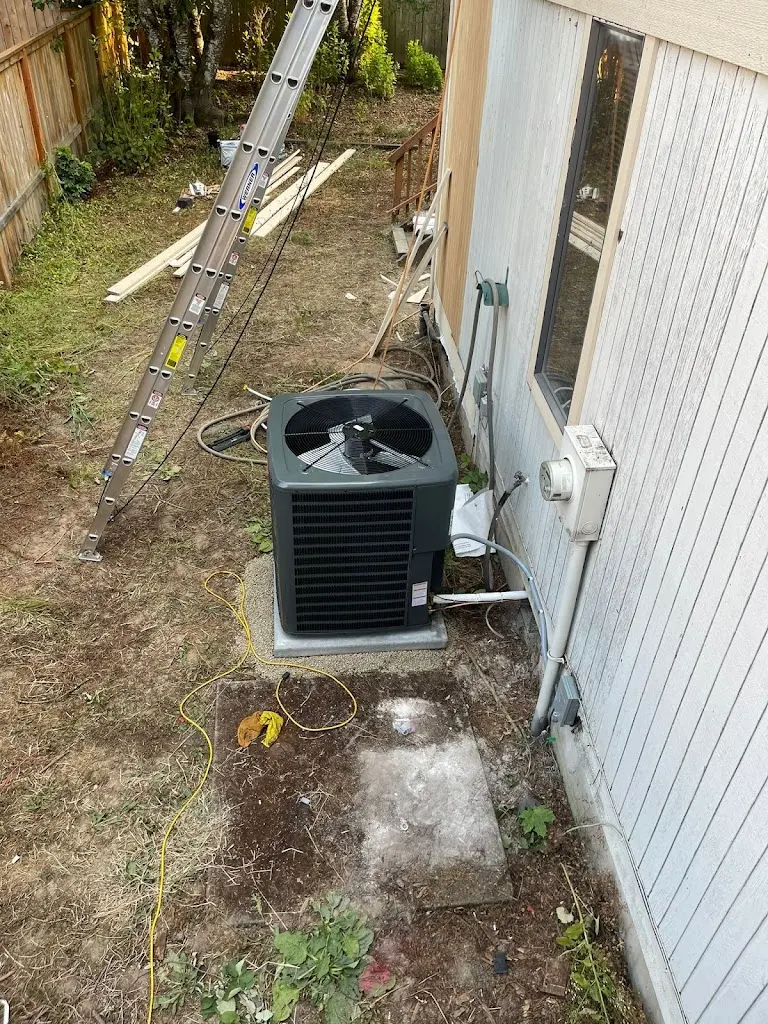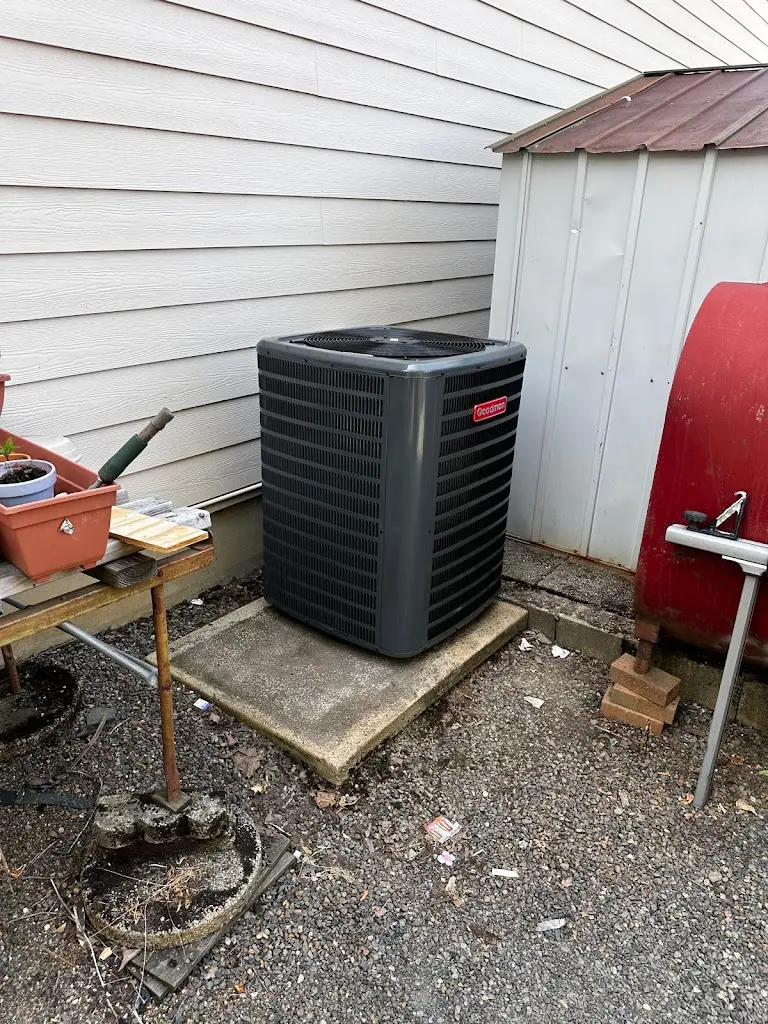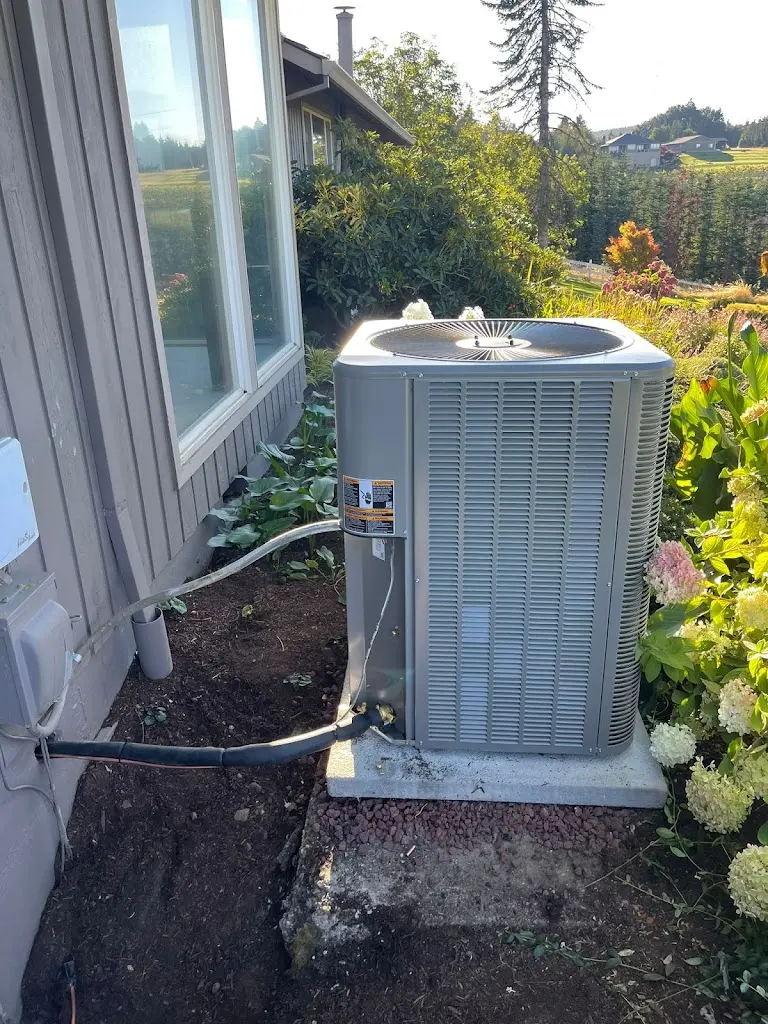



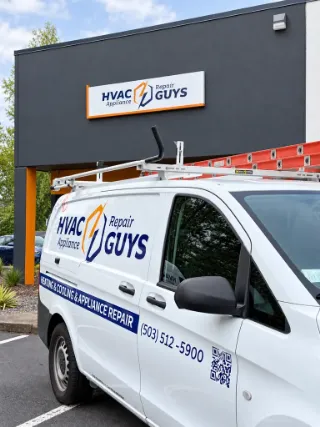

HVAC Installation in Woodburn
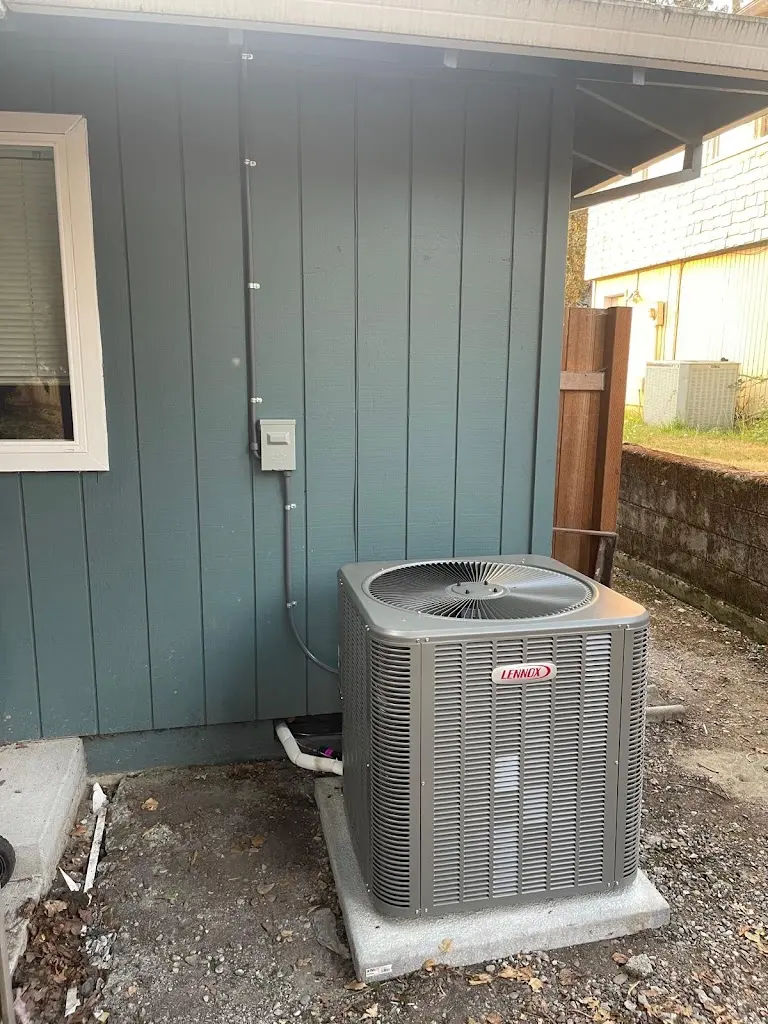
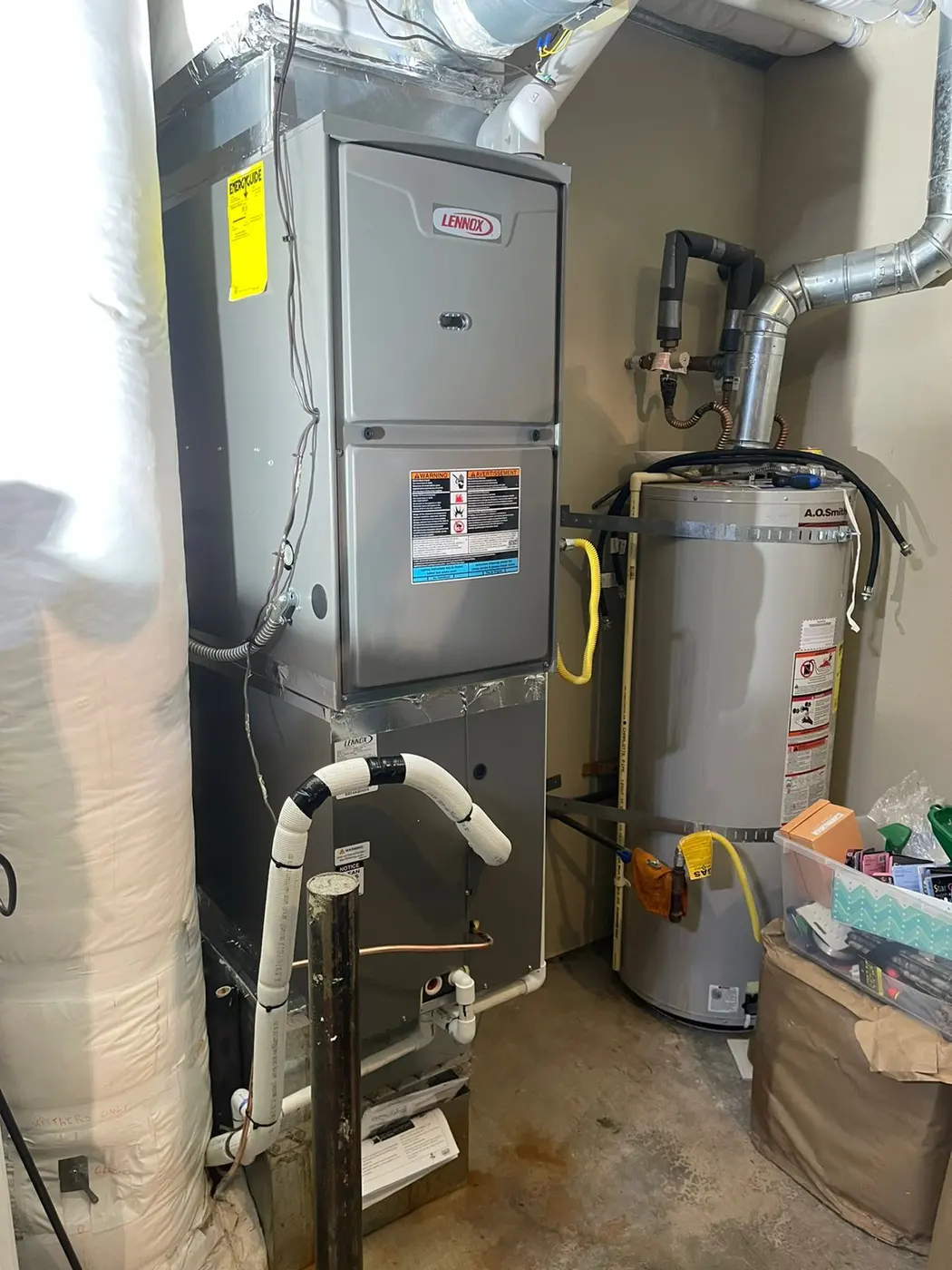
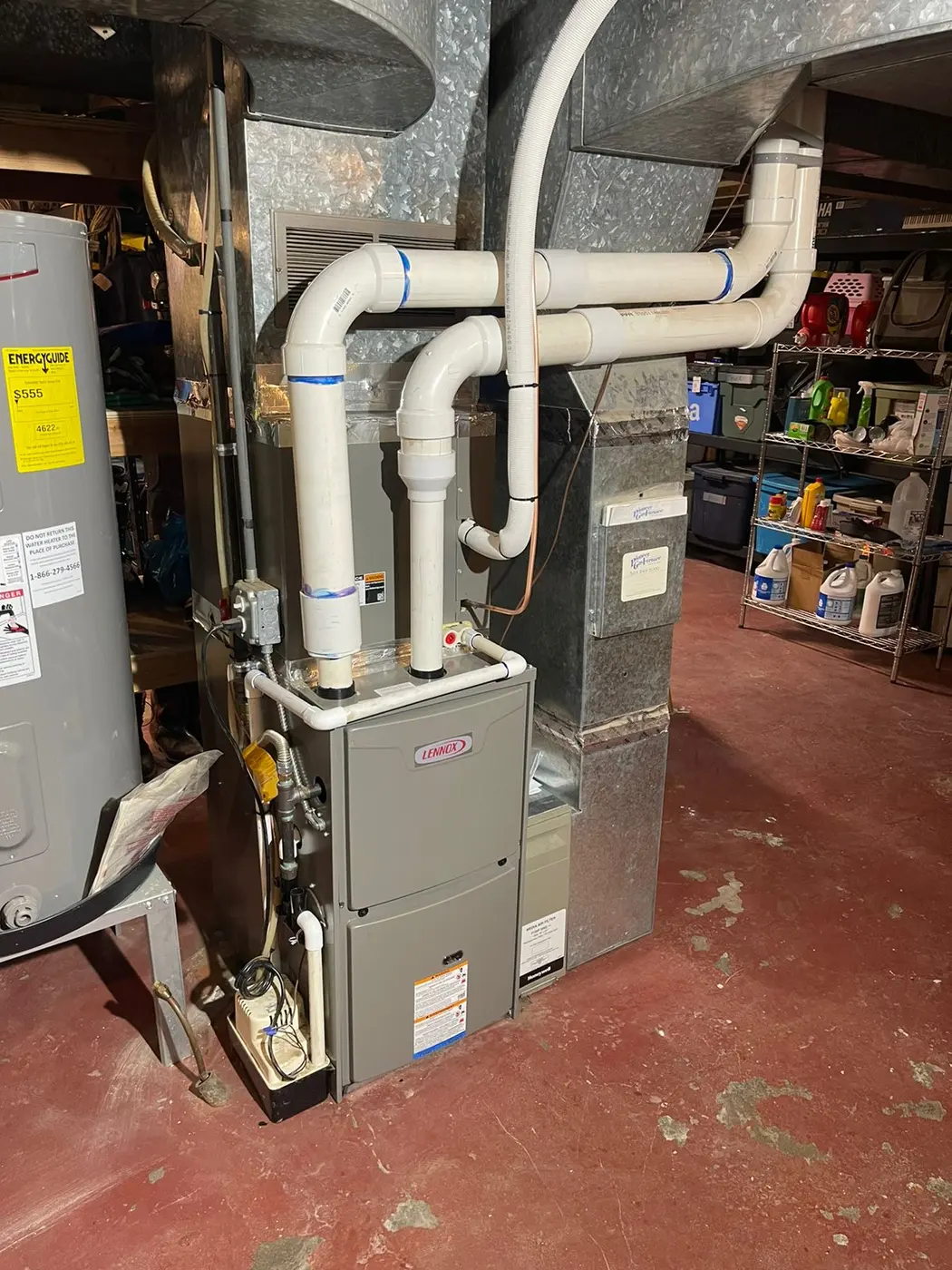
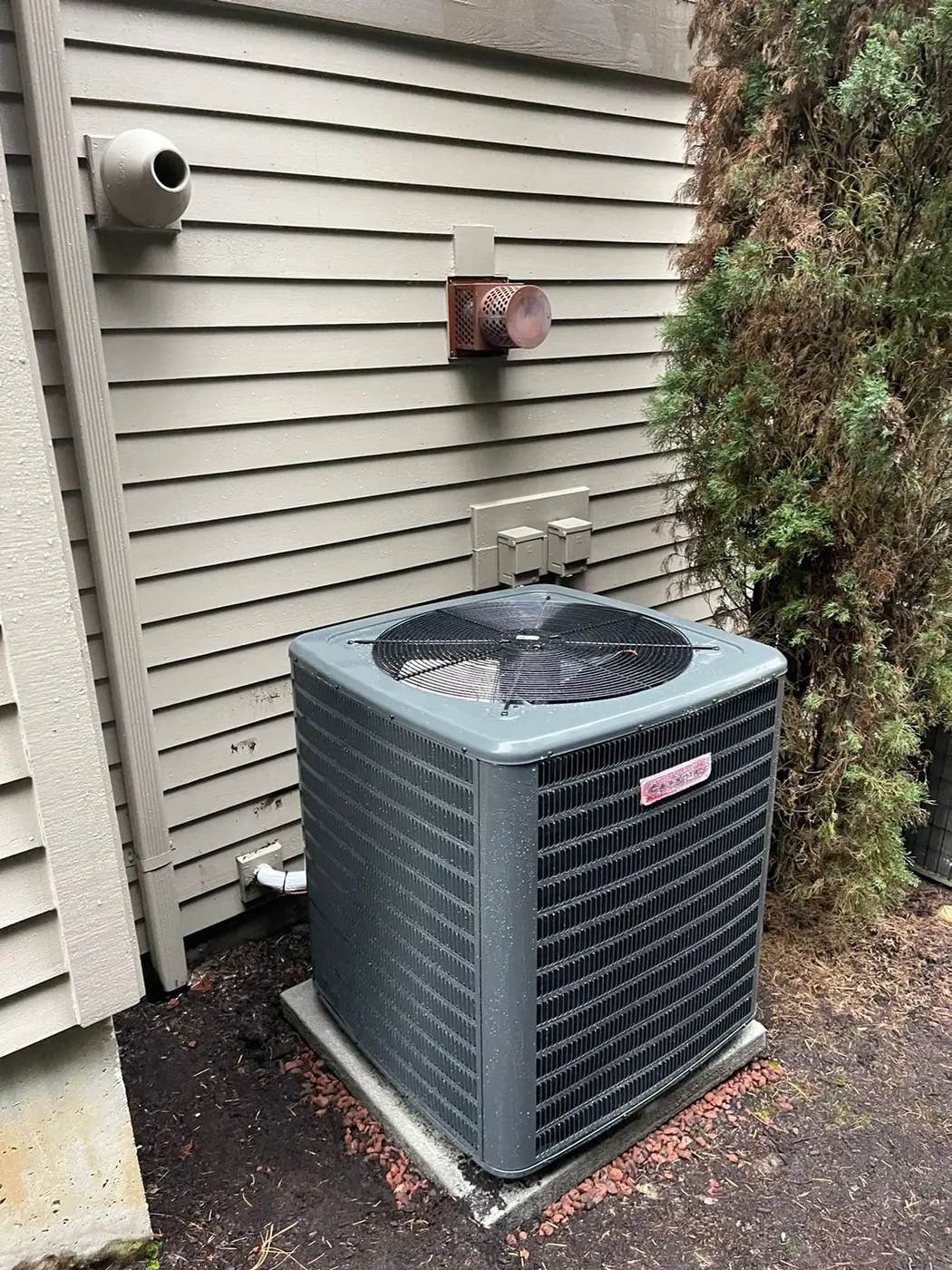
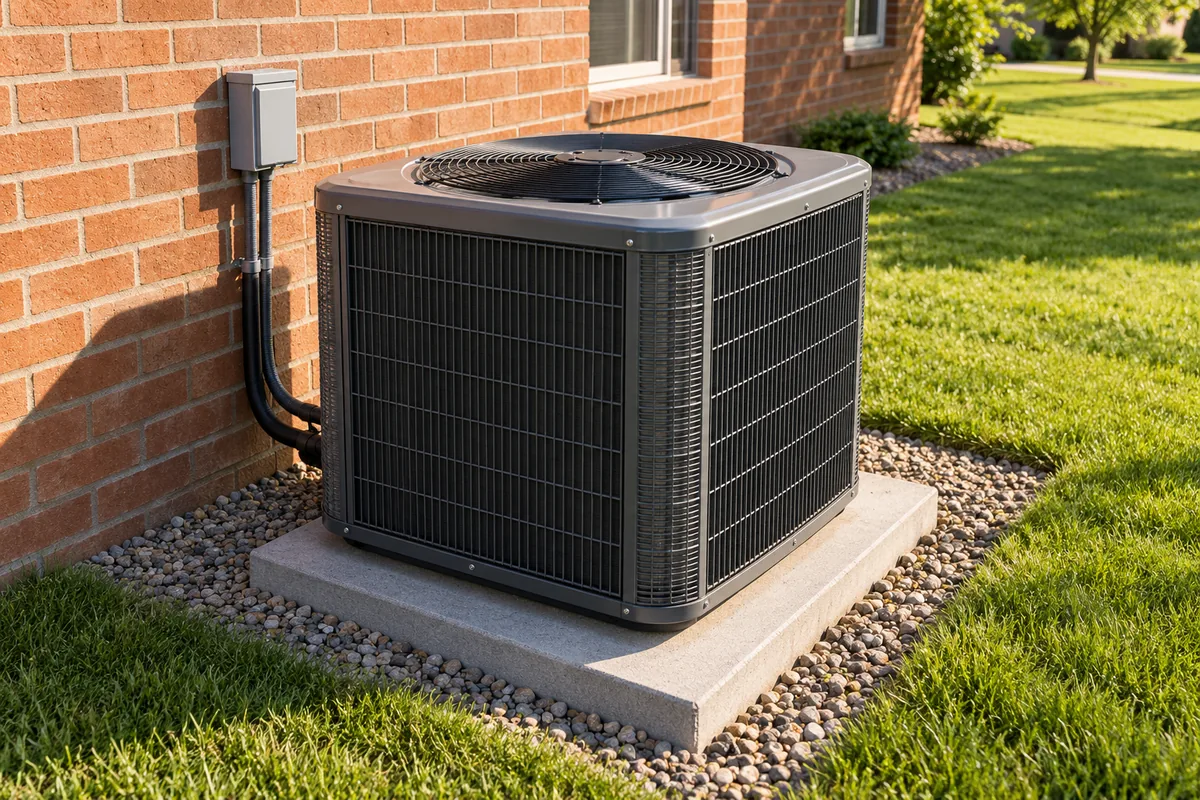
HVAC & Appliance Repair Guys provides HVAC installation in Woodburn, OR. Replacing equipment means planning how the home moves from the present setup to the new one. Explain which functions work now and which need to change.
We offer a free on-site estimator visit for installation and replacement. Use that visit to show the equipment locations and describe how the home uses heating and cooling. Mention rooms that have comfort problems as well as those that work well. This helps the estimate address the actual project instead of assuming that a new unit alone settles every concern.
Our HVAC installation service includes reviewing the intended system and work scope. Before approving the proposal, understand what the team will remove, install and retain. The price should relate to that defined work.
New Equipment and Components That Can Stay
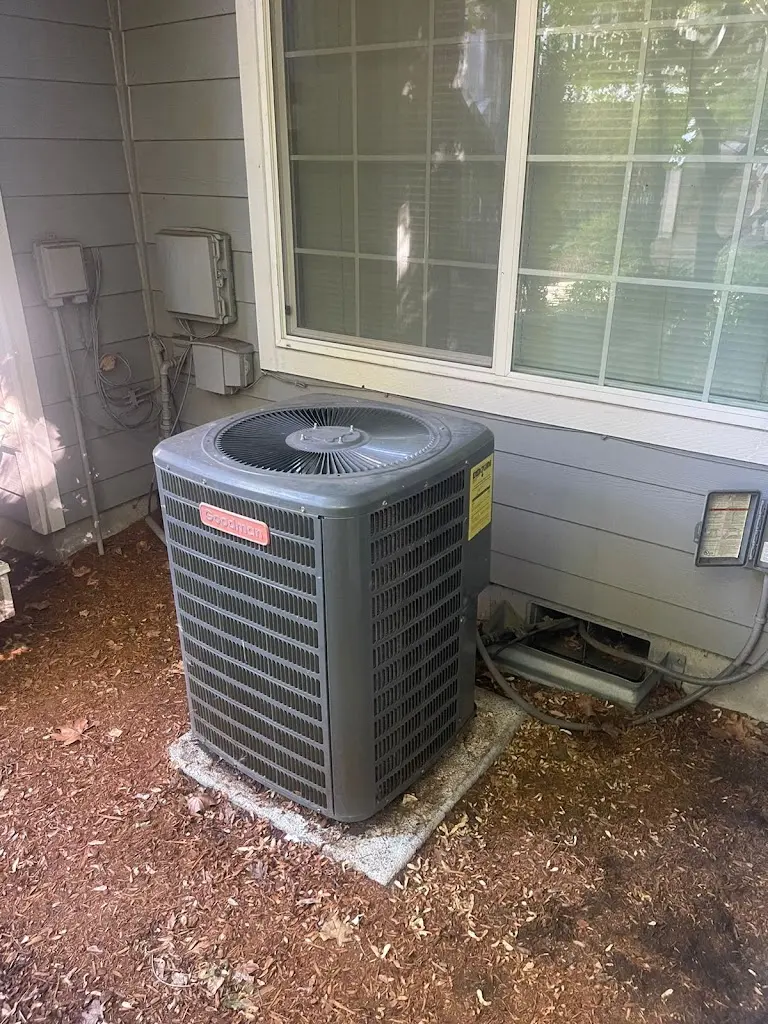
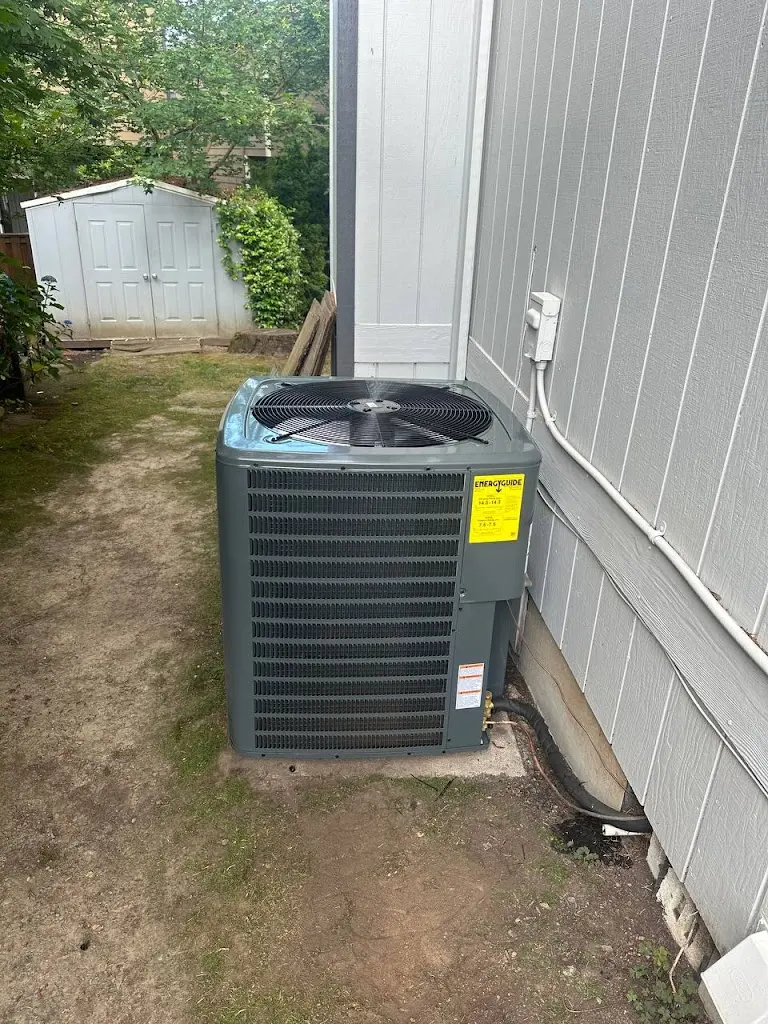
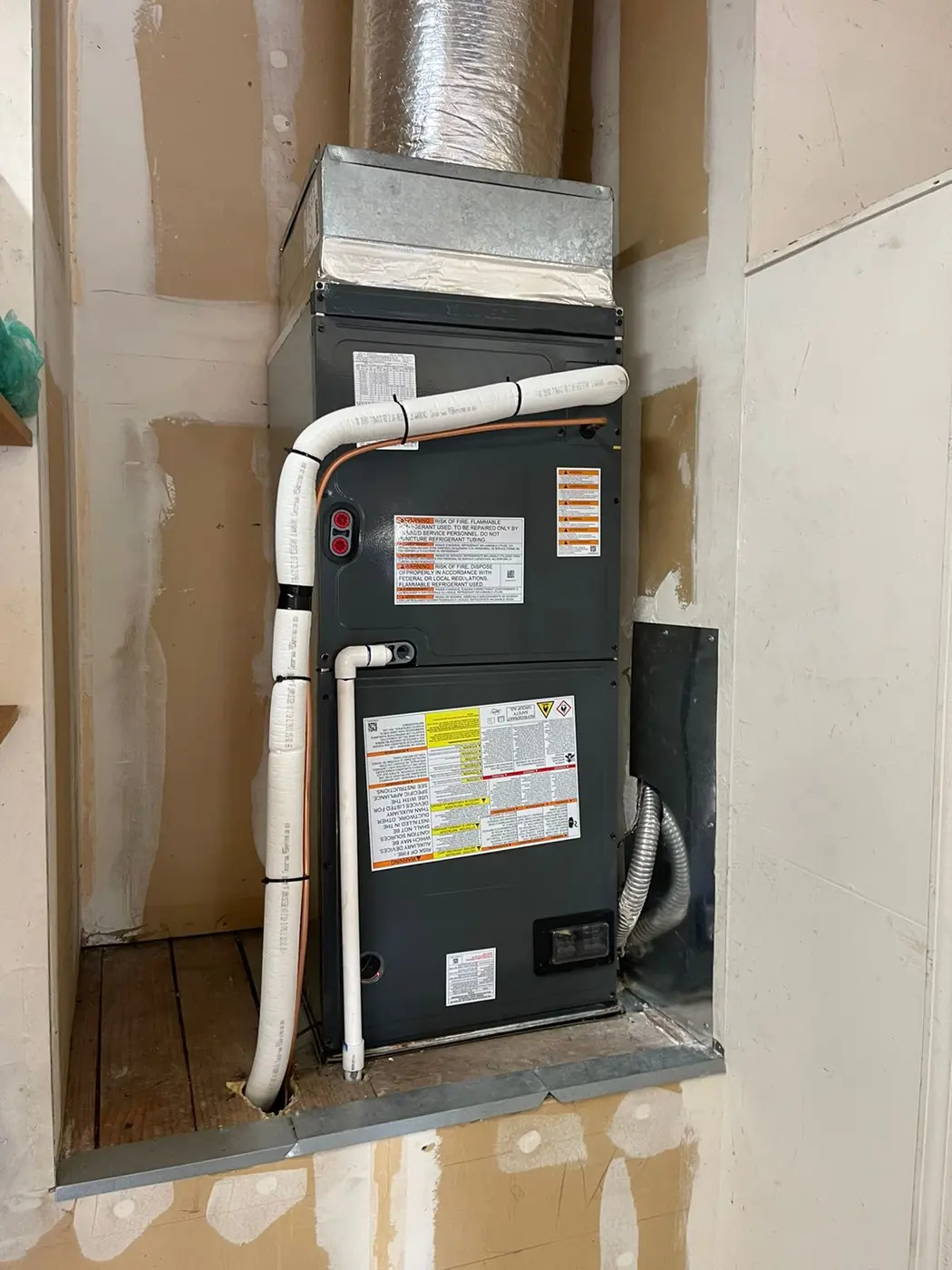
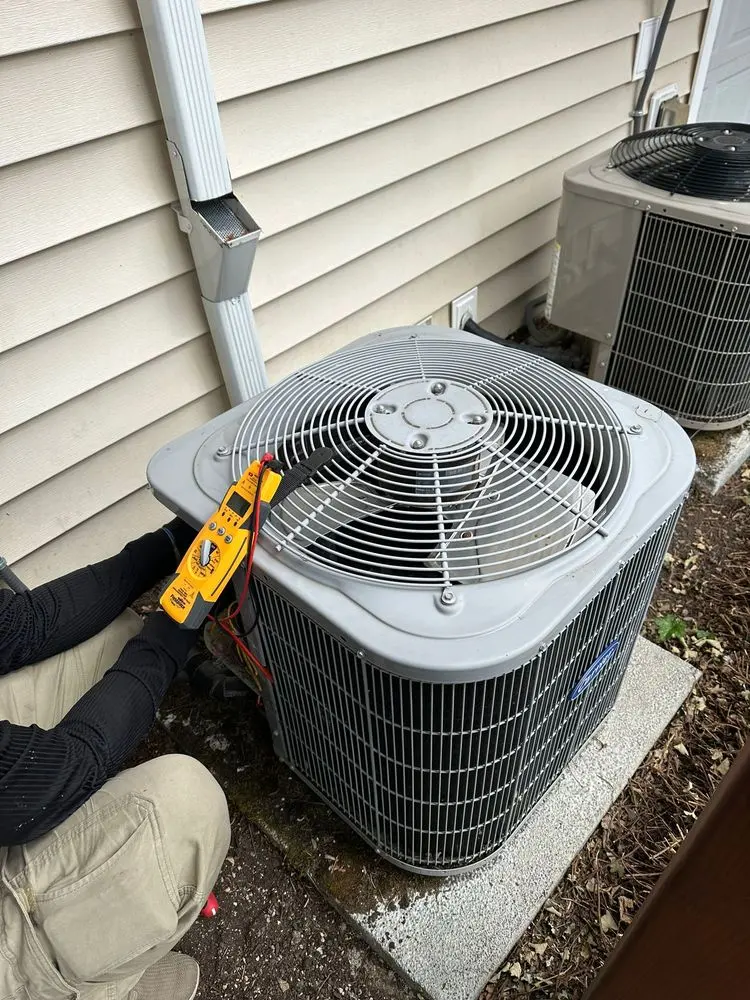
Indoor and outdoor equipment may have different work histories. An earlier replacement could have changed one component while leaving the rest in place. Share the model details and any records you already have.
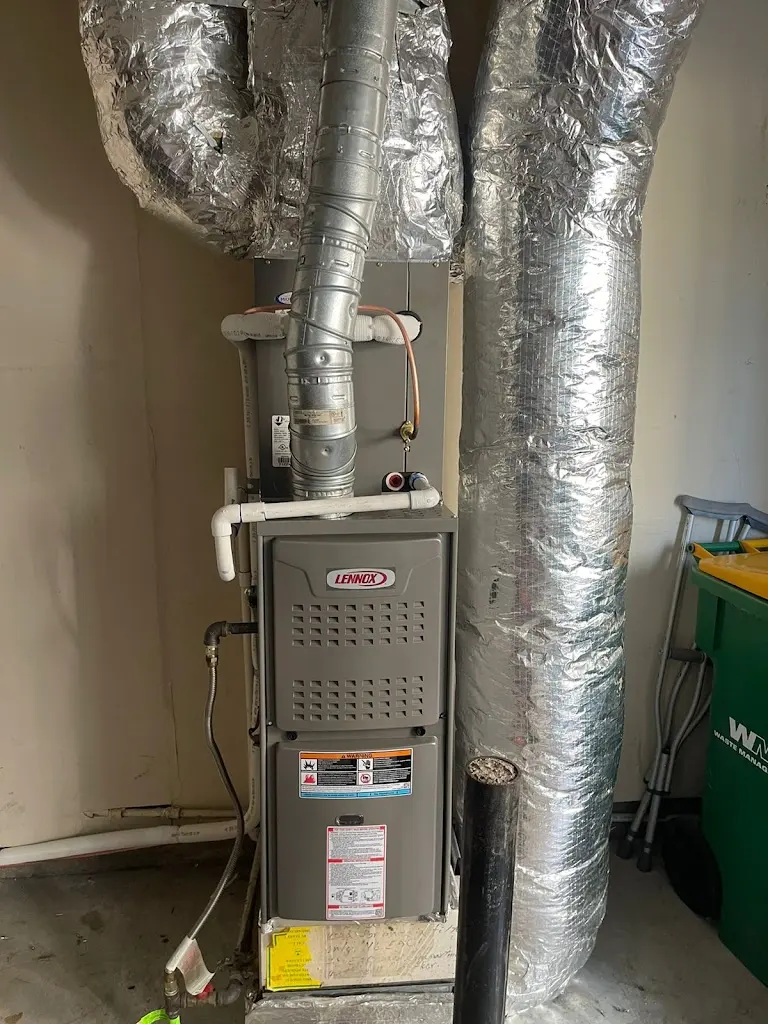
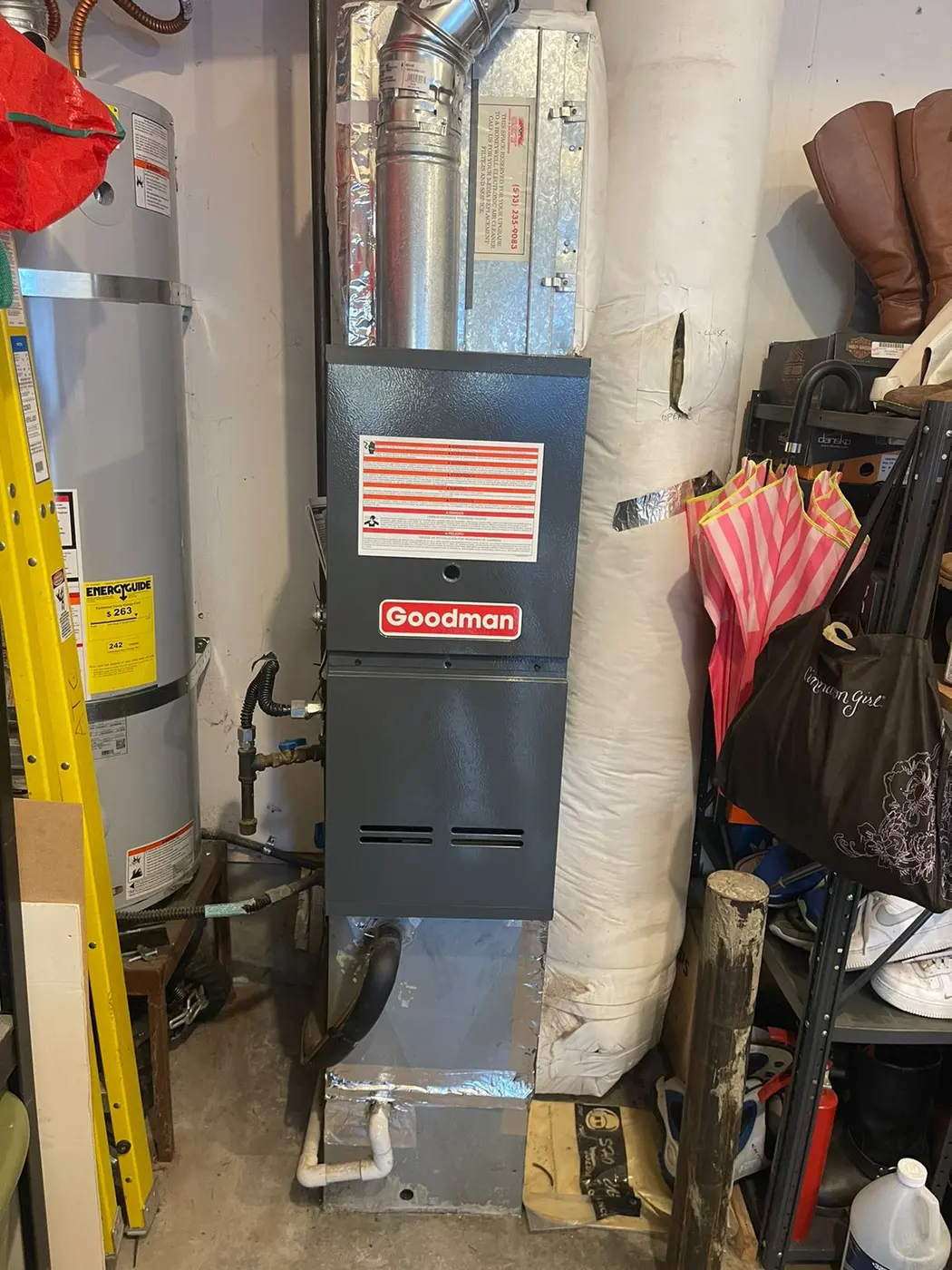
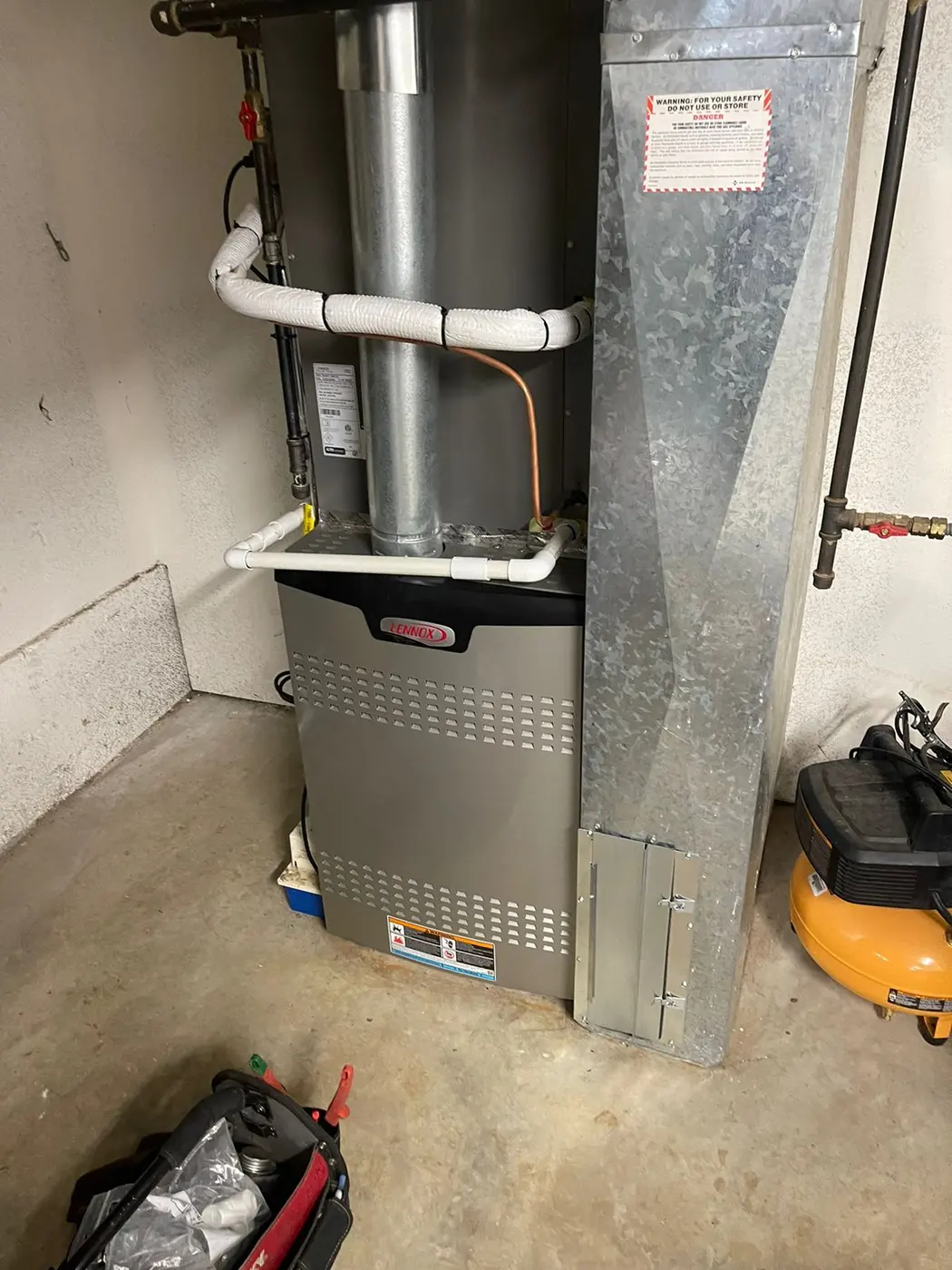
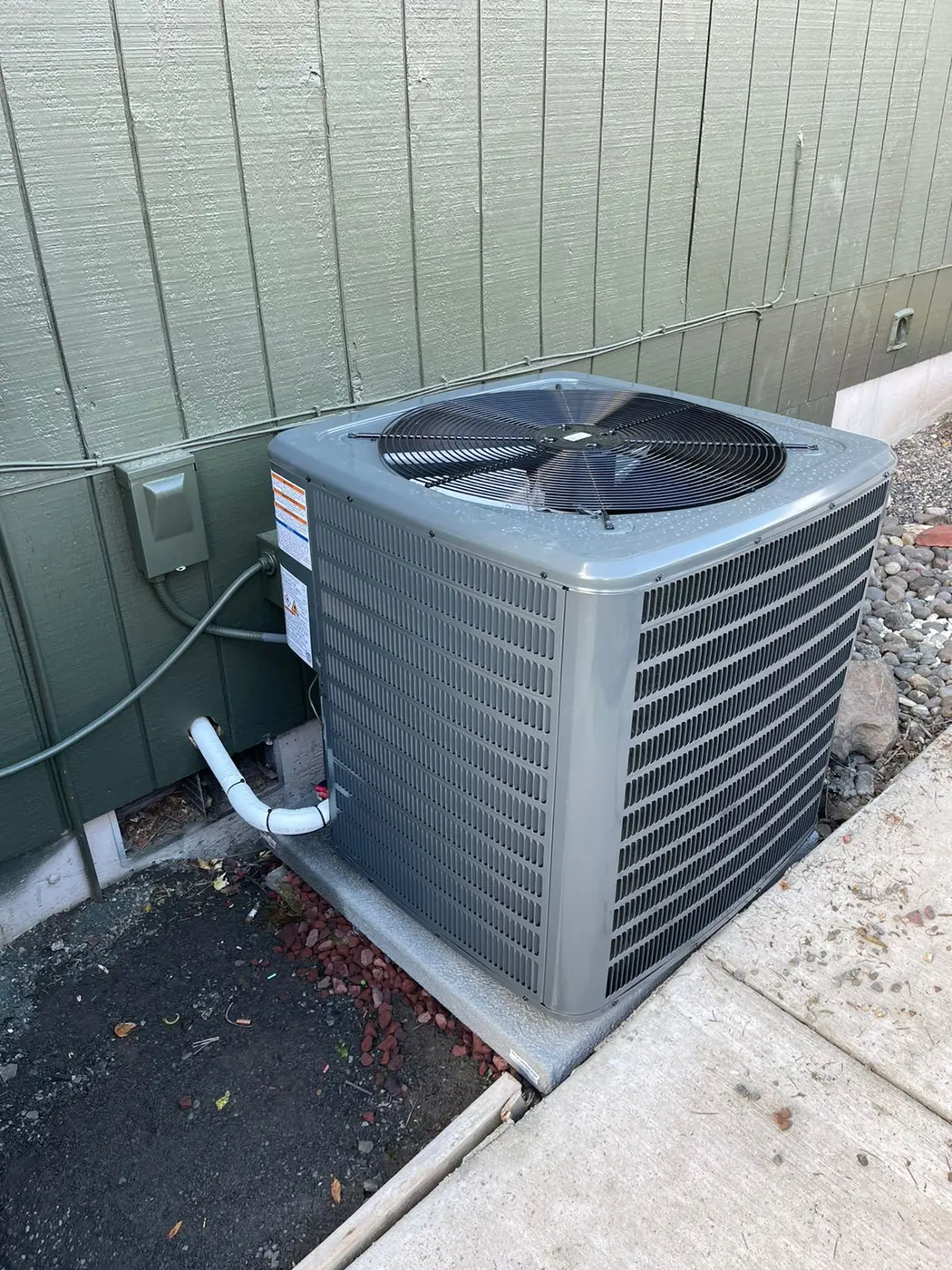
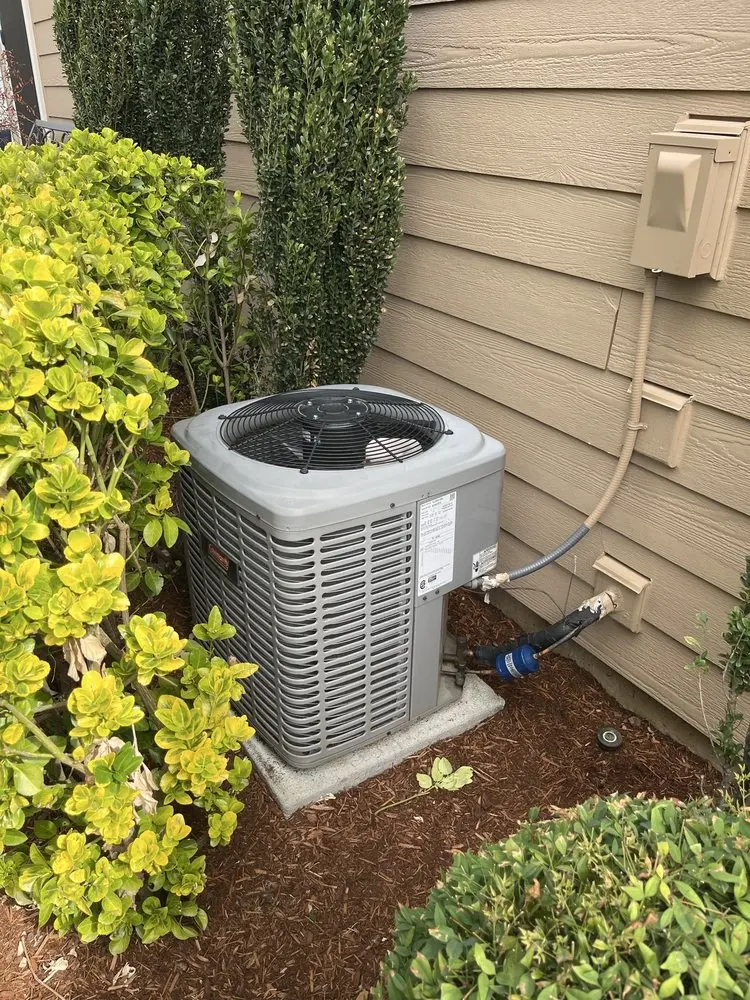
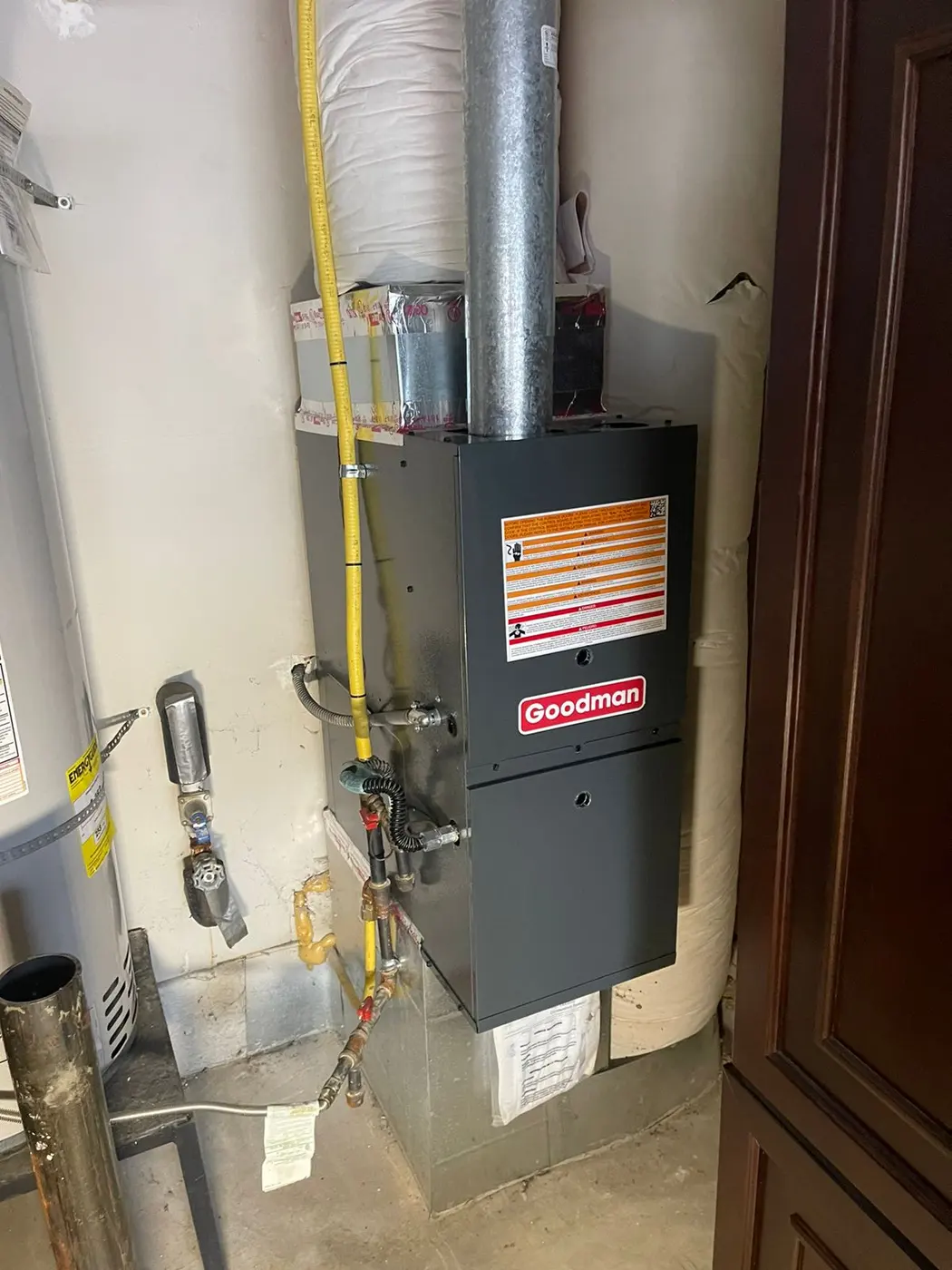
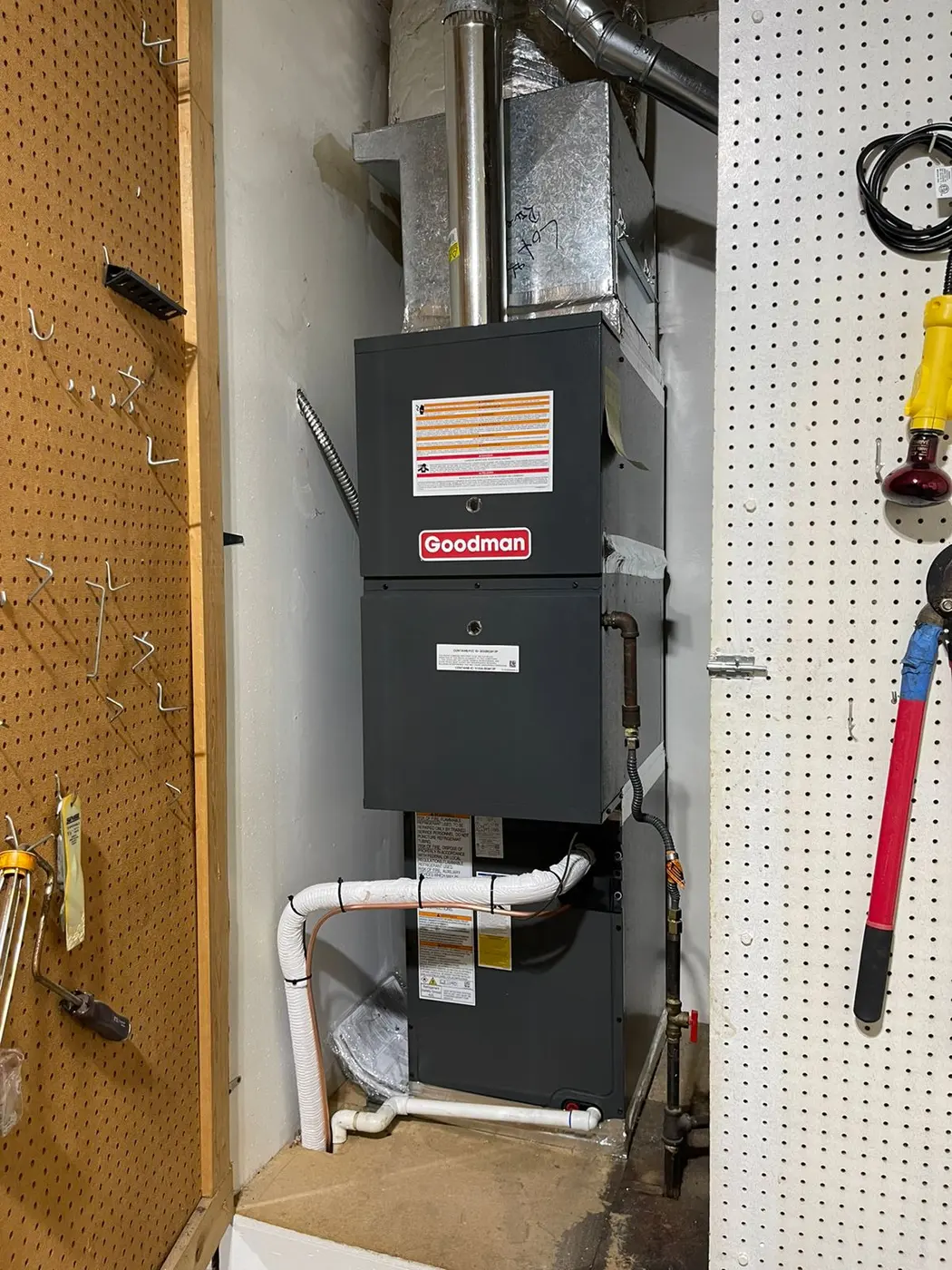
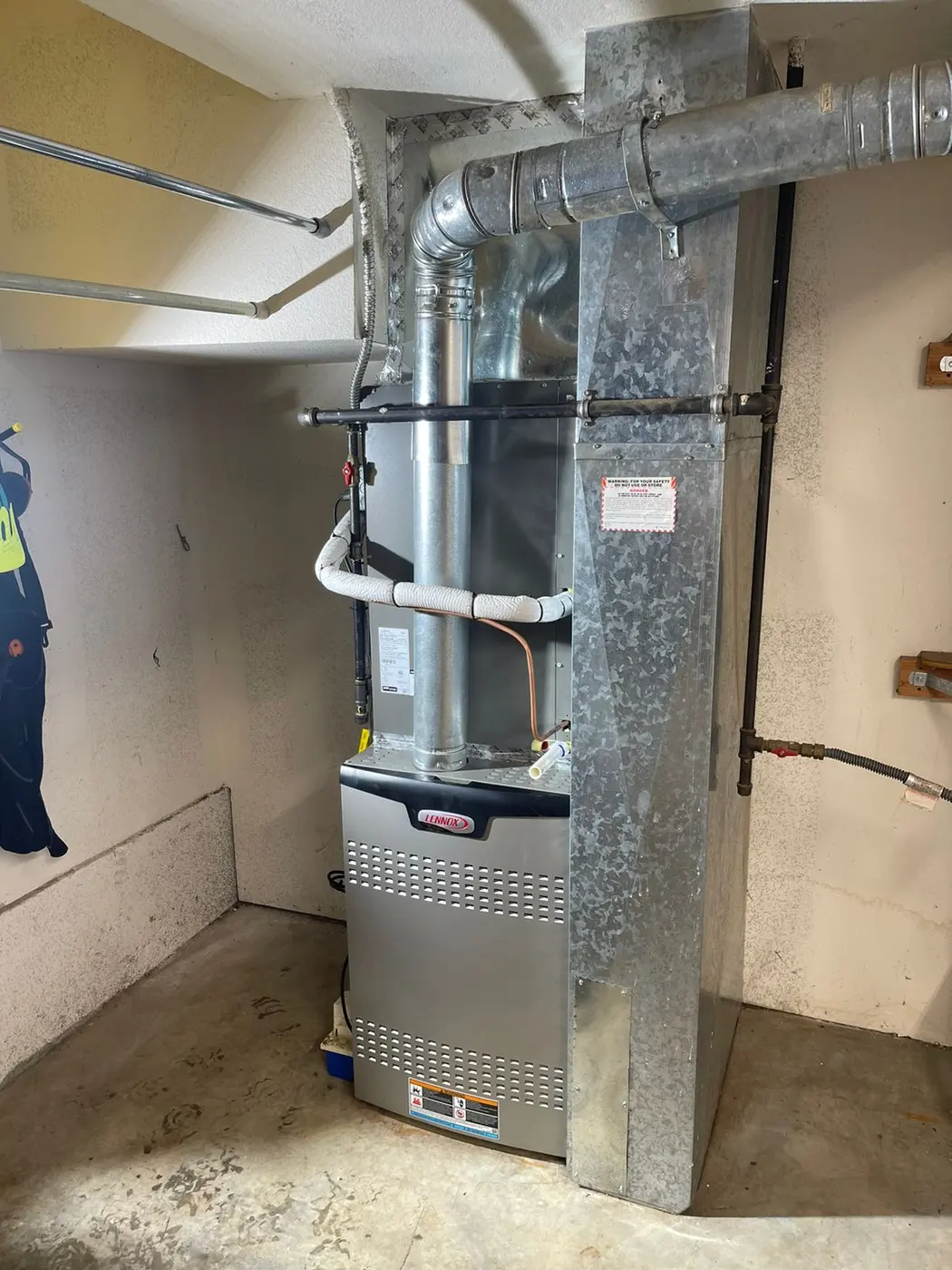
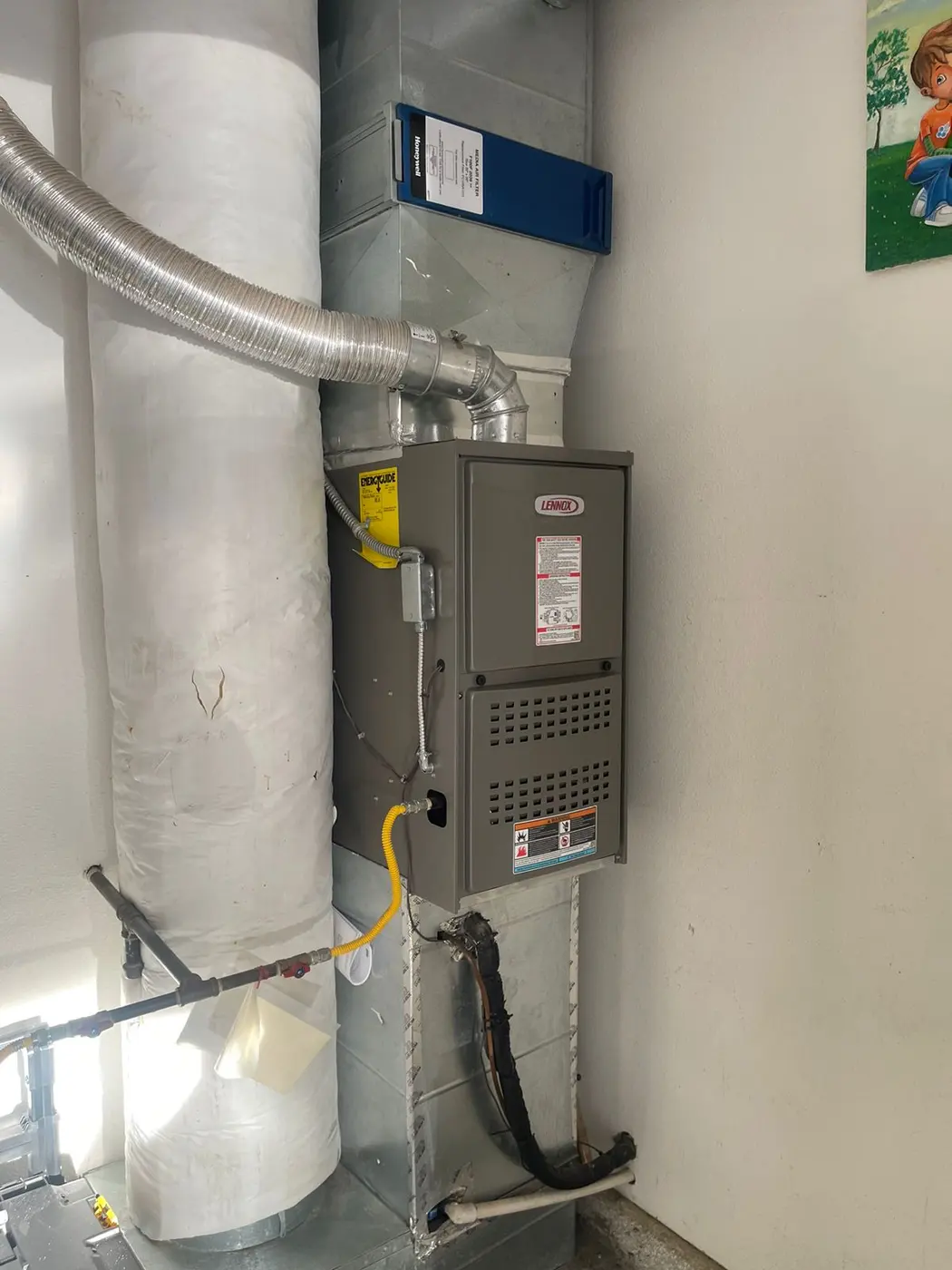
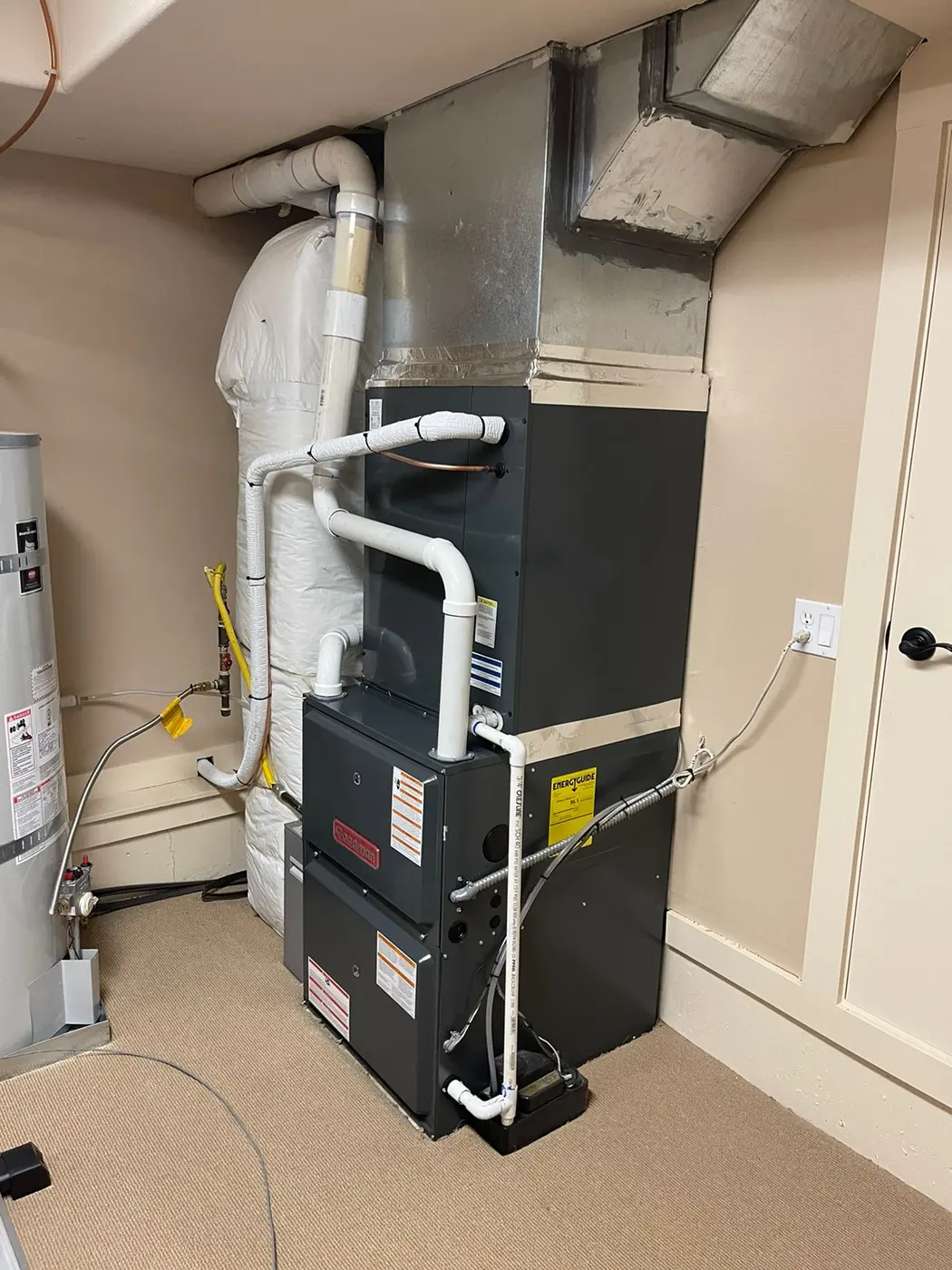
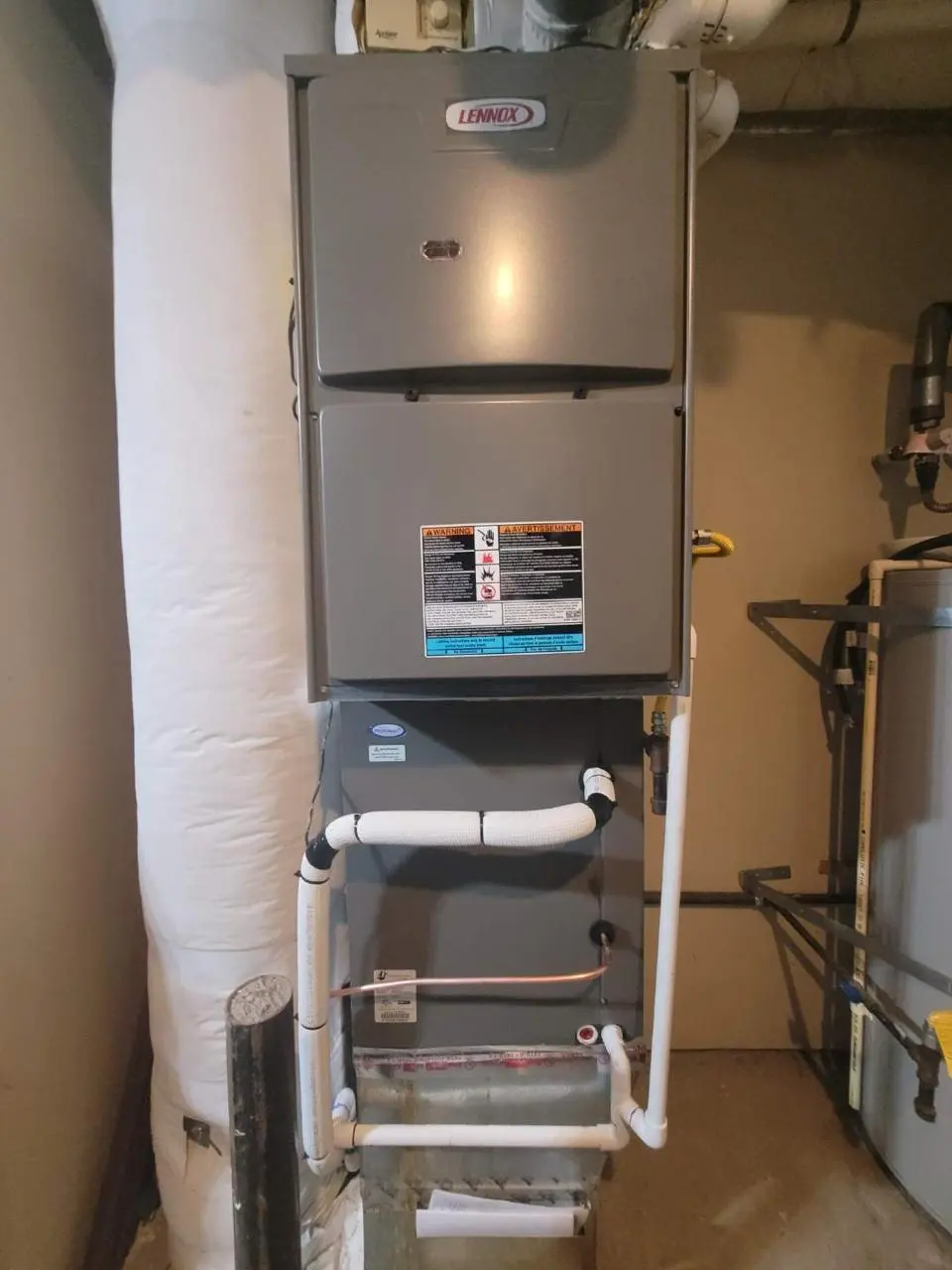
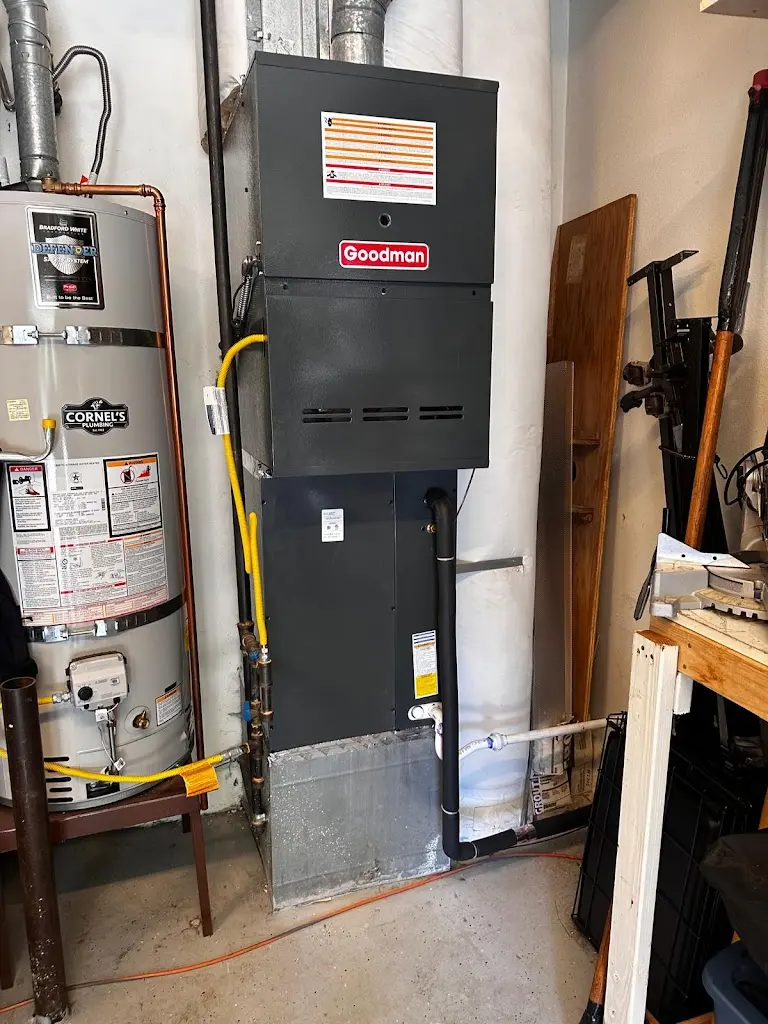
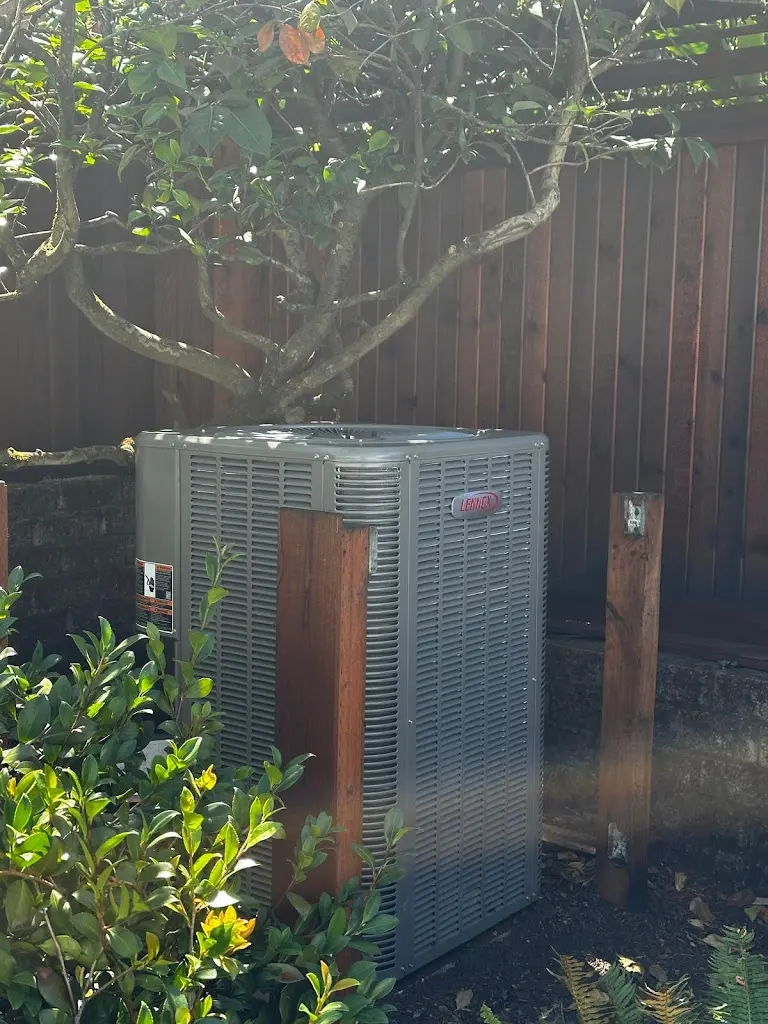
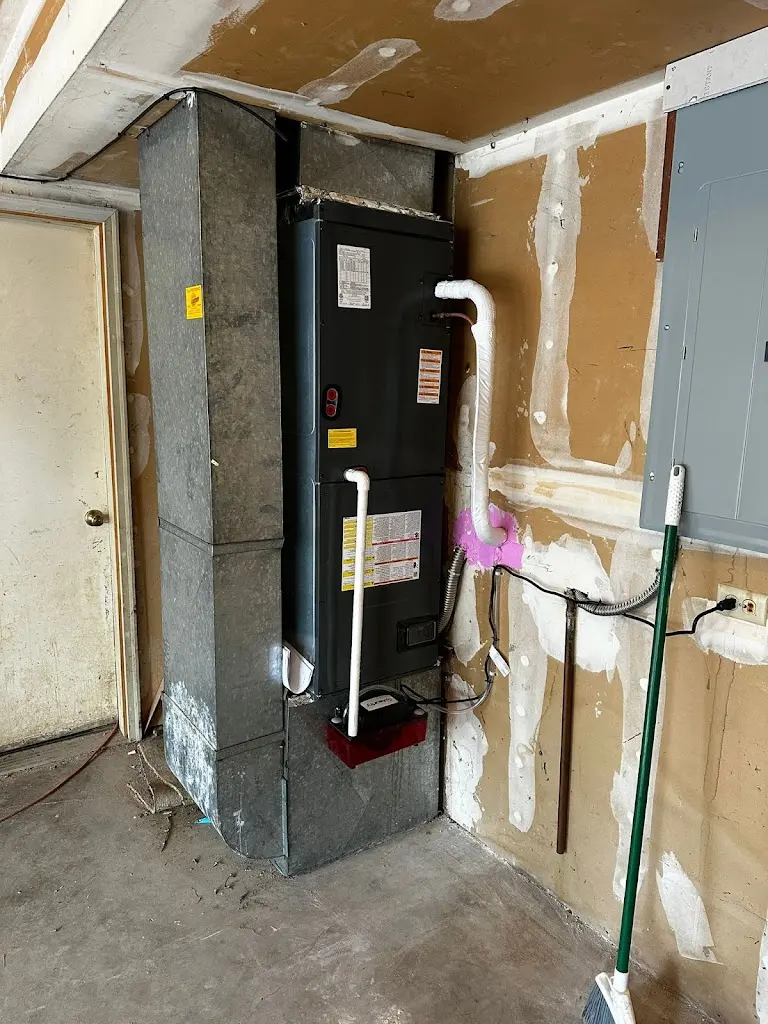
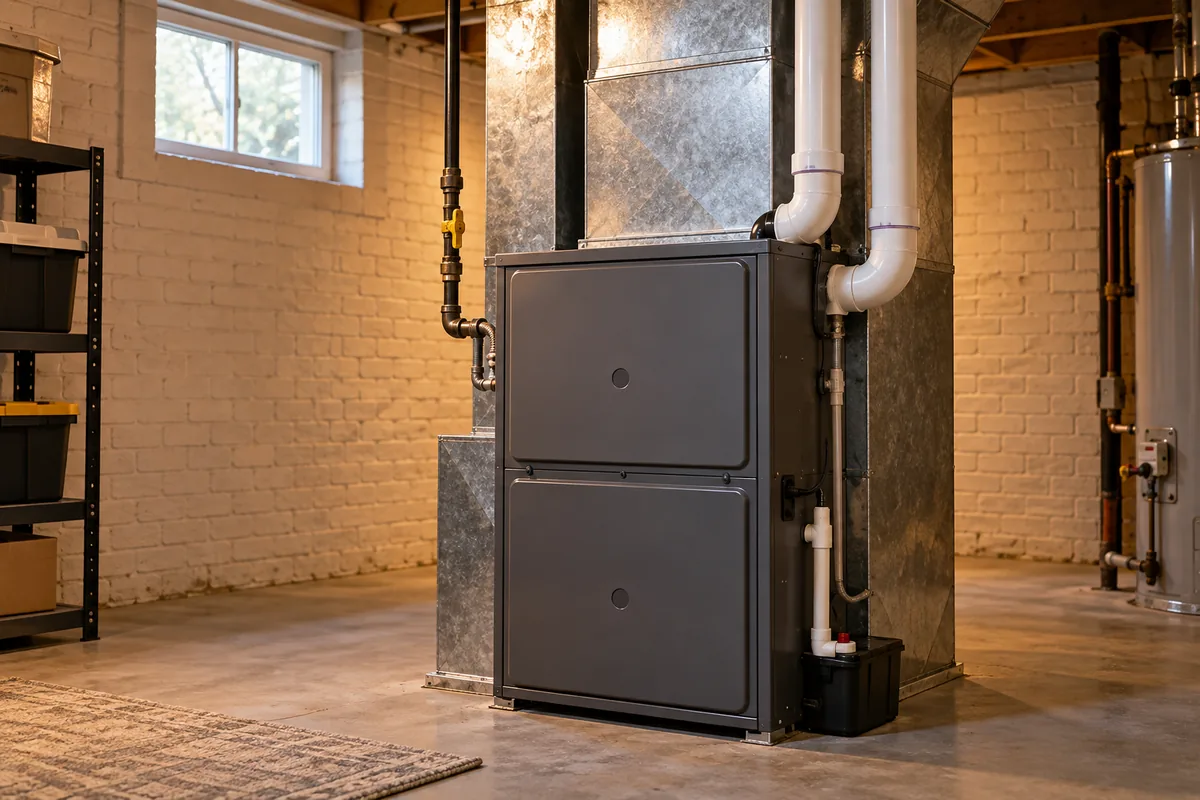
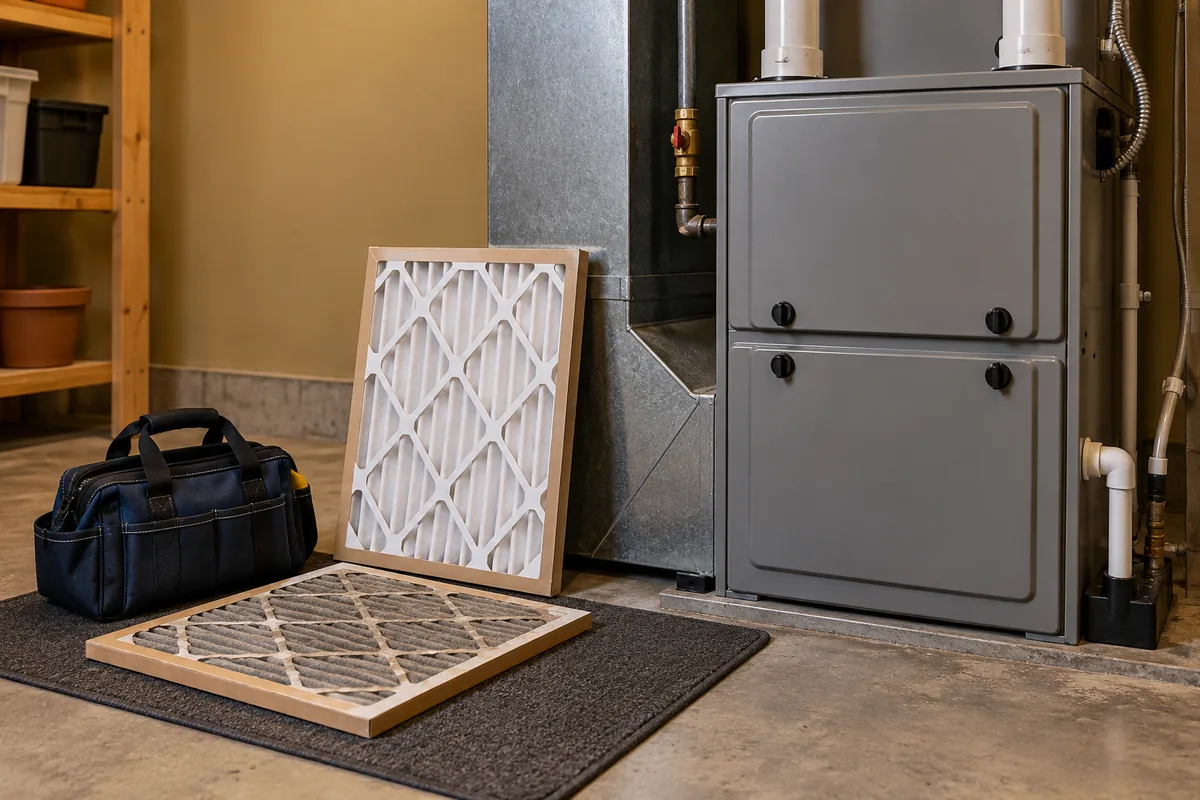
If the project centers on heating equipment, our furnace installation service covers that scope. Include any air conditioning components that will continue to share the setup. Ask how the new heating unit fits the retained equipment and controls. The proposal should explain the connection work involved, rather than leave the role of those components unstated.
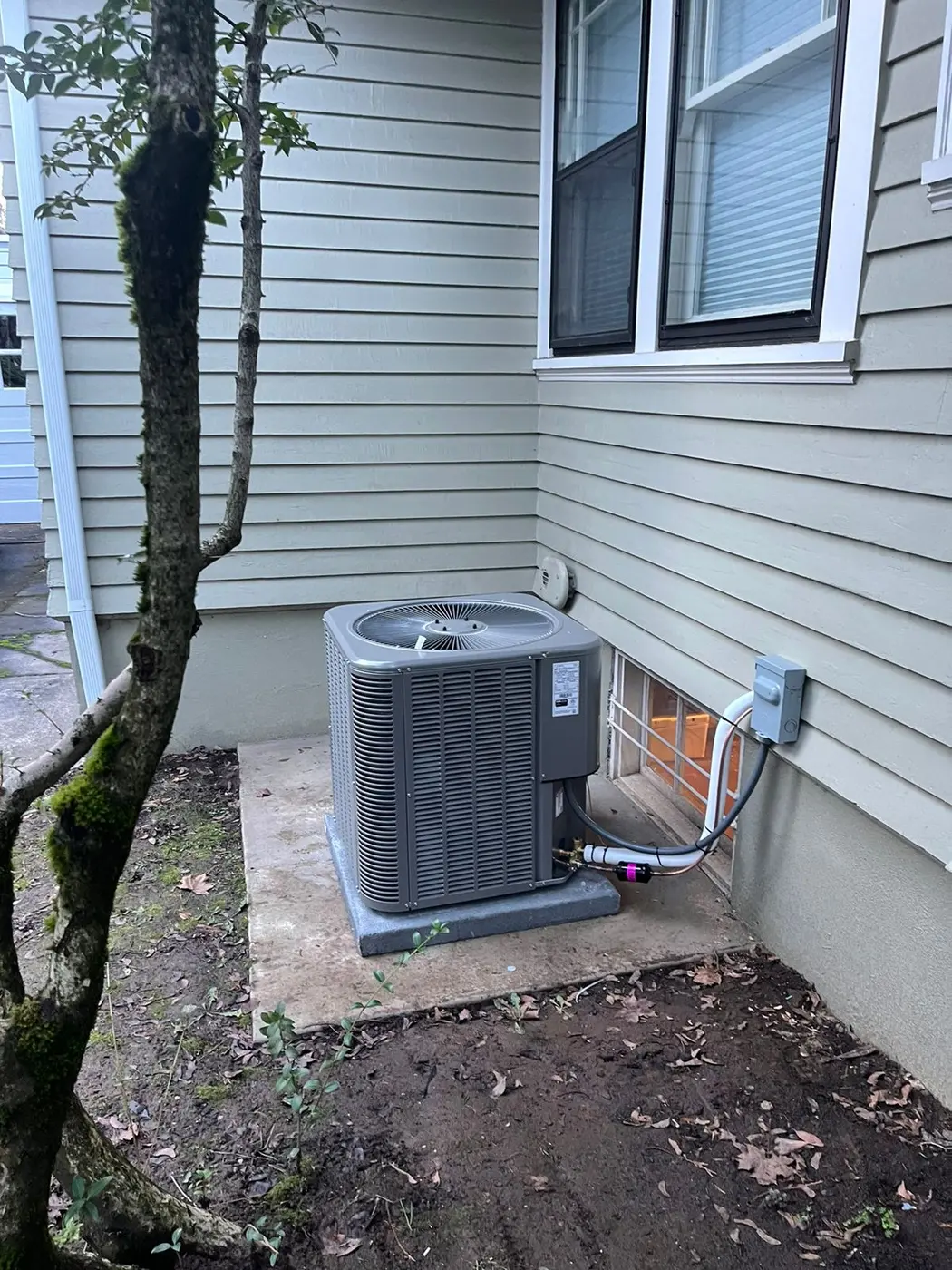
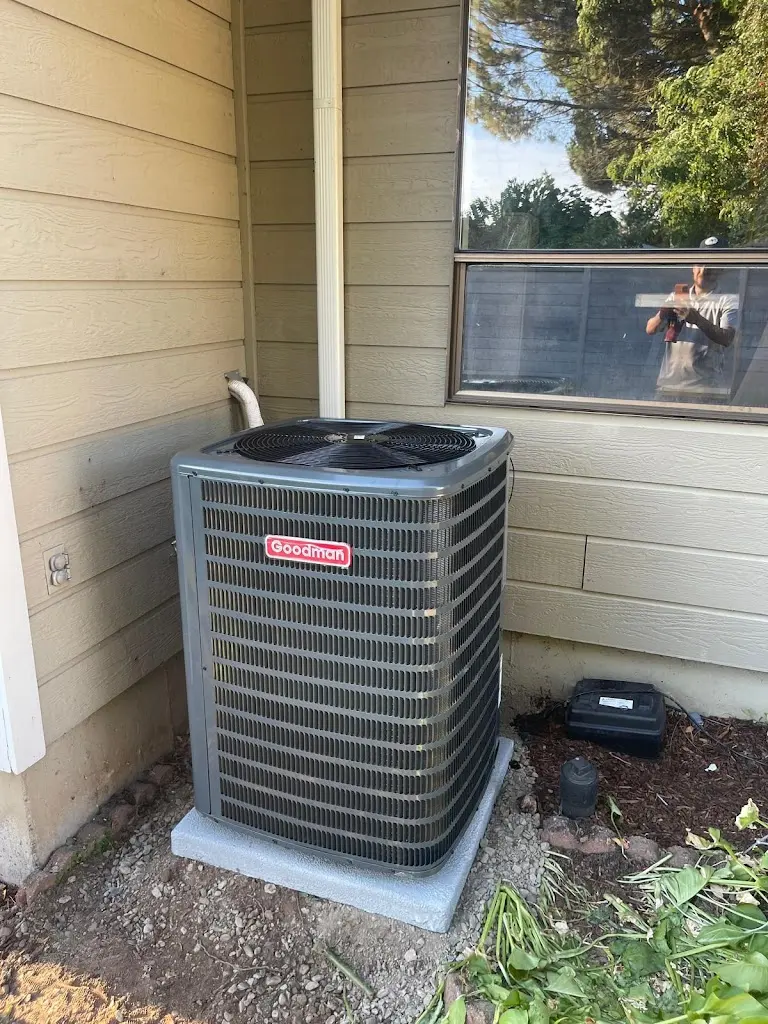
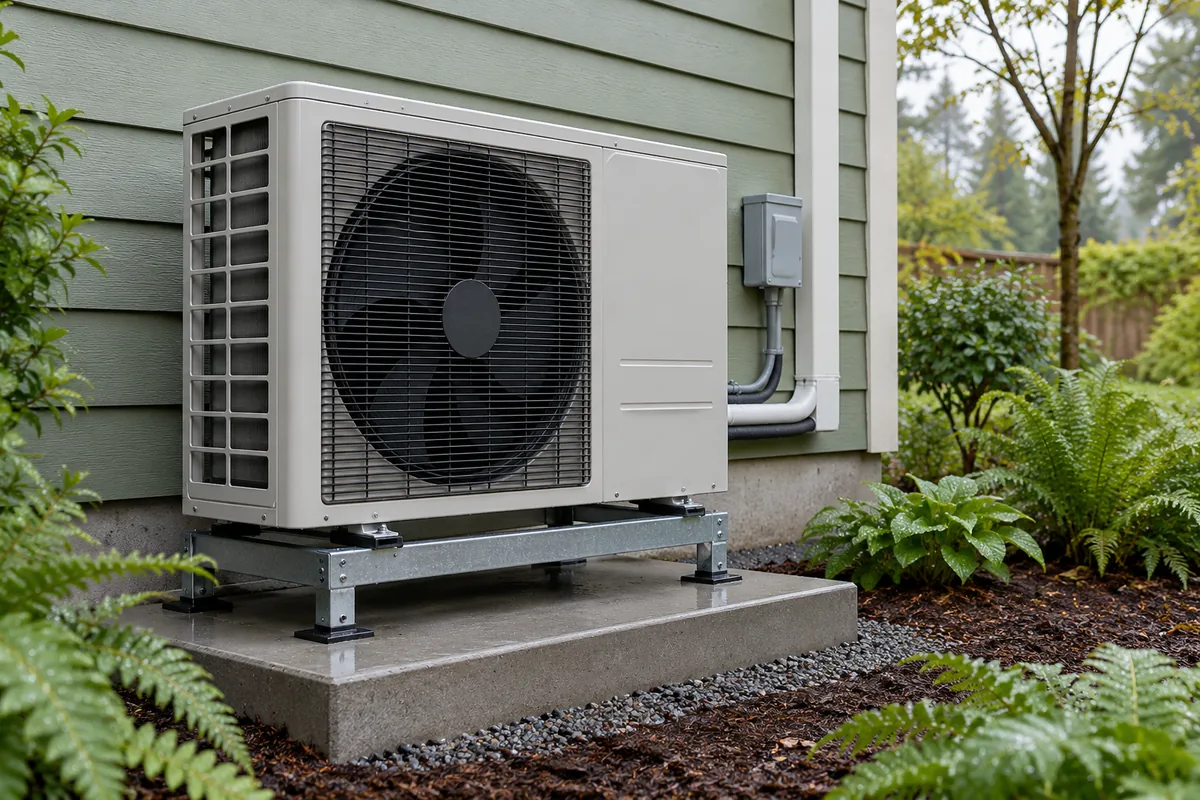
Our heat pump installation service covers equipment that can heat and cool the home. Discuss the role of any other heat source that may stay. The chosen combination affects the indoor equipment, controls and work sequence.
Equipment Locations, Access Routes and Room Coverage
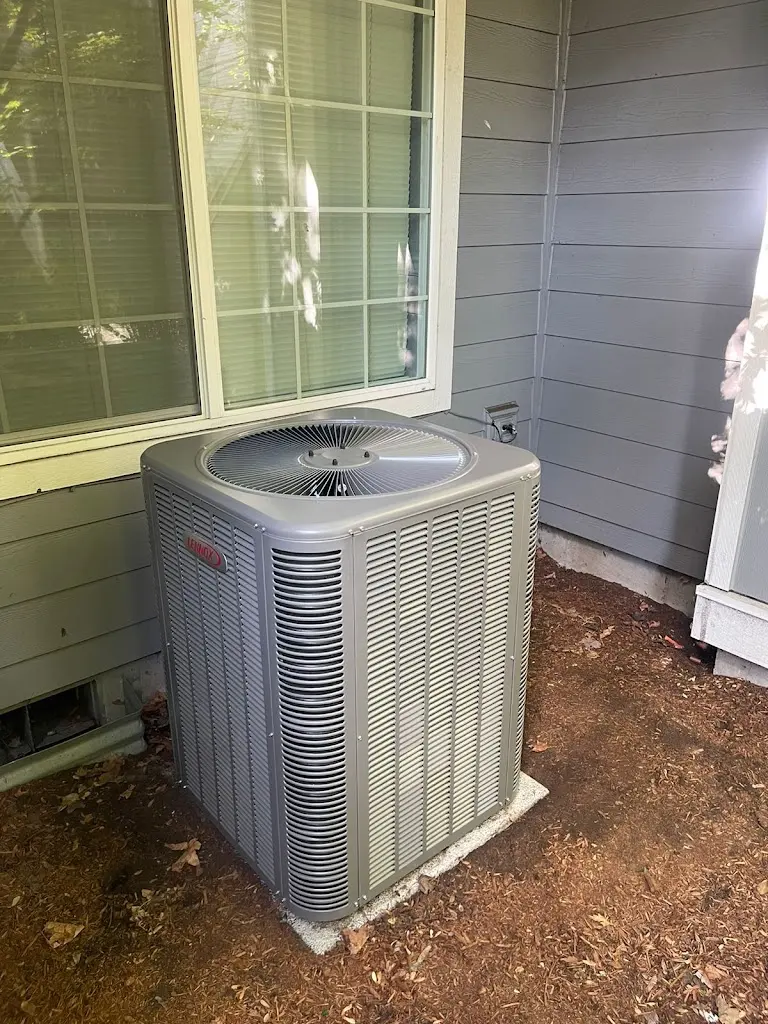
The final equipment position and the route used to reach it are separate planning questions. A cabinet may fit its intended space while the access route needs closer review. Describe stairs, gates or a narrow passage when those conditions apply. The estimate should establish the handling and placement work before you move equipment or change the surrounding area yourself.
Room coverage and airflow also belong in the layout decision. Explain which spaces the new system should serve and where the present setup falls short. Copying the old capacity is not a complete sizing method.
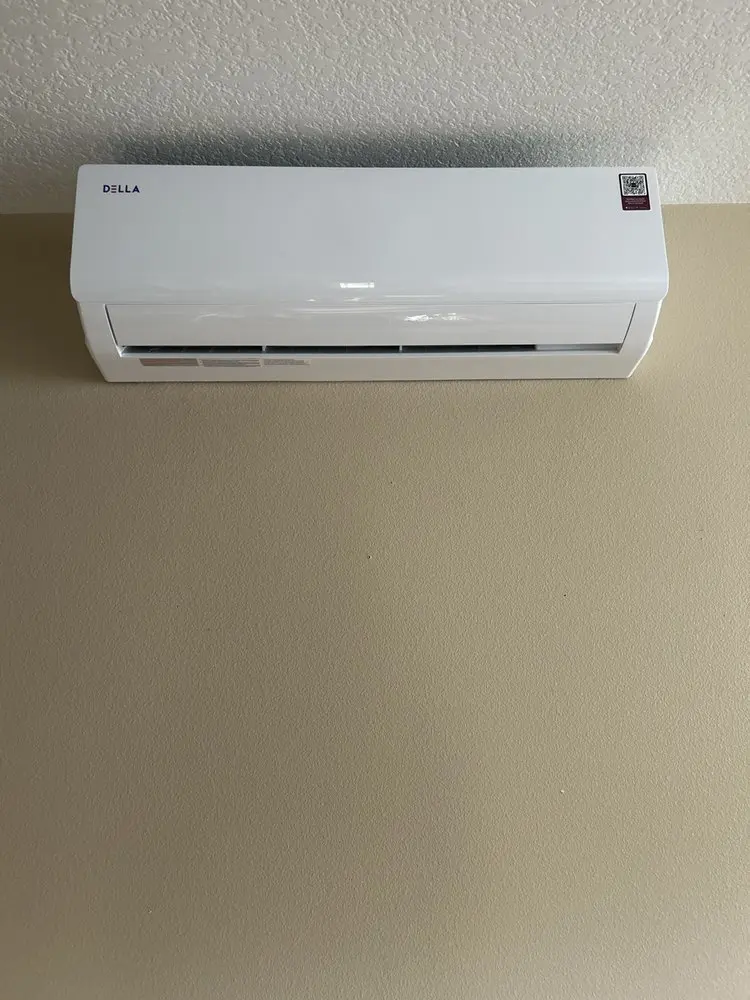
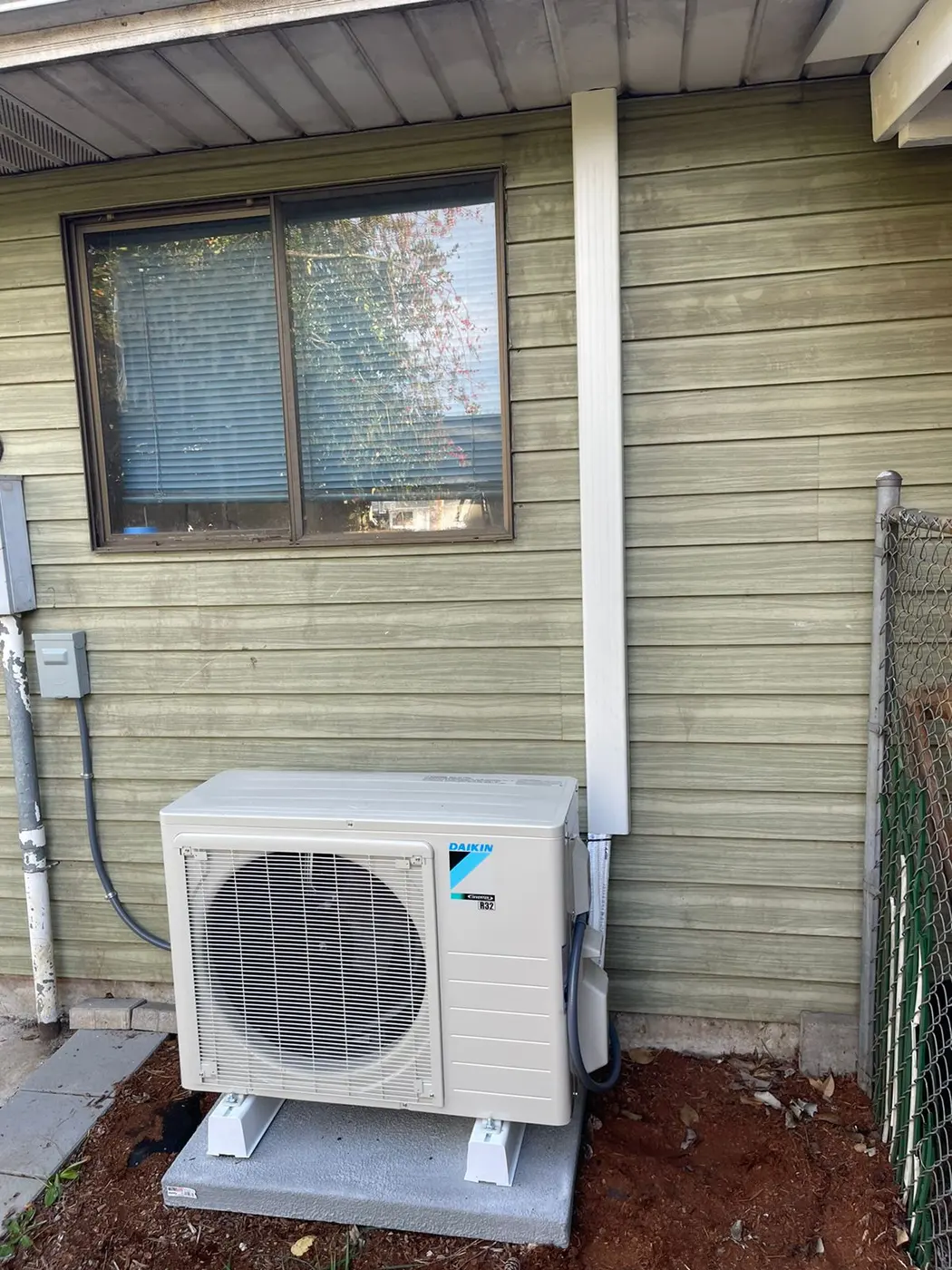
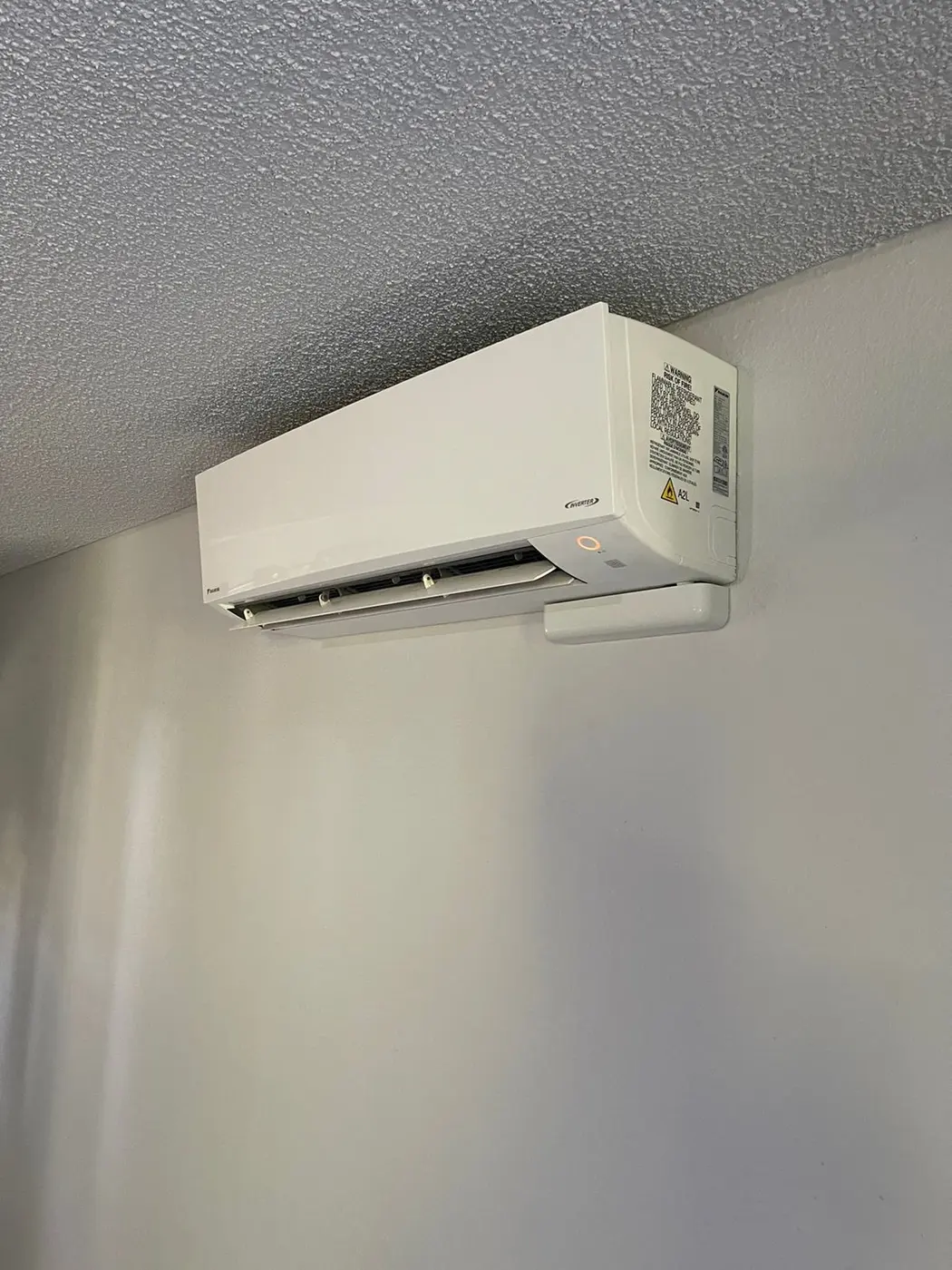
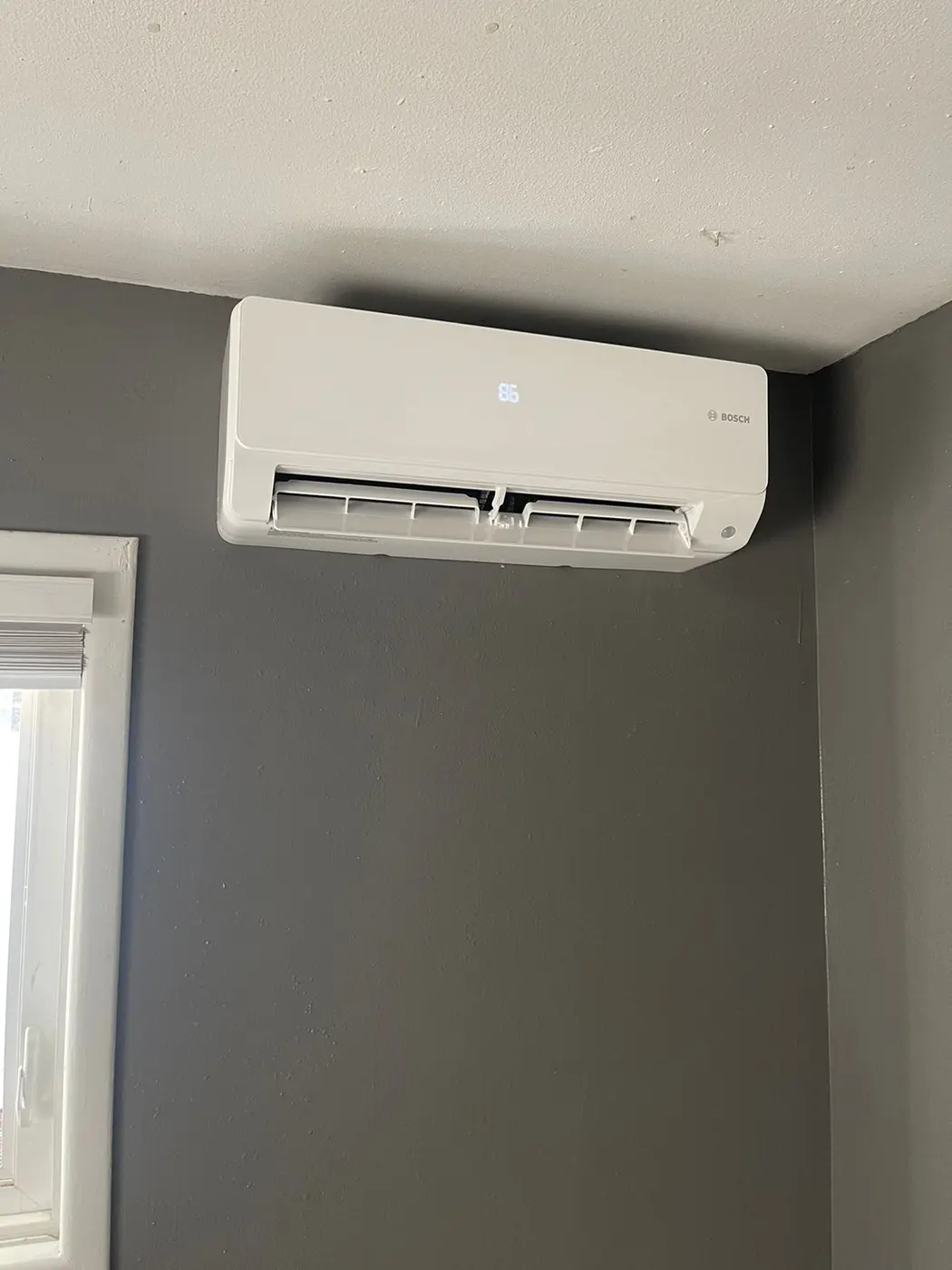
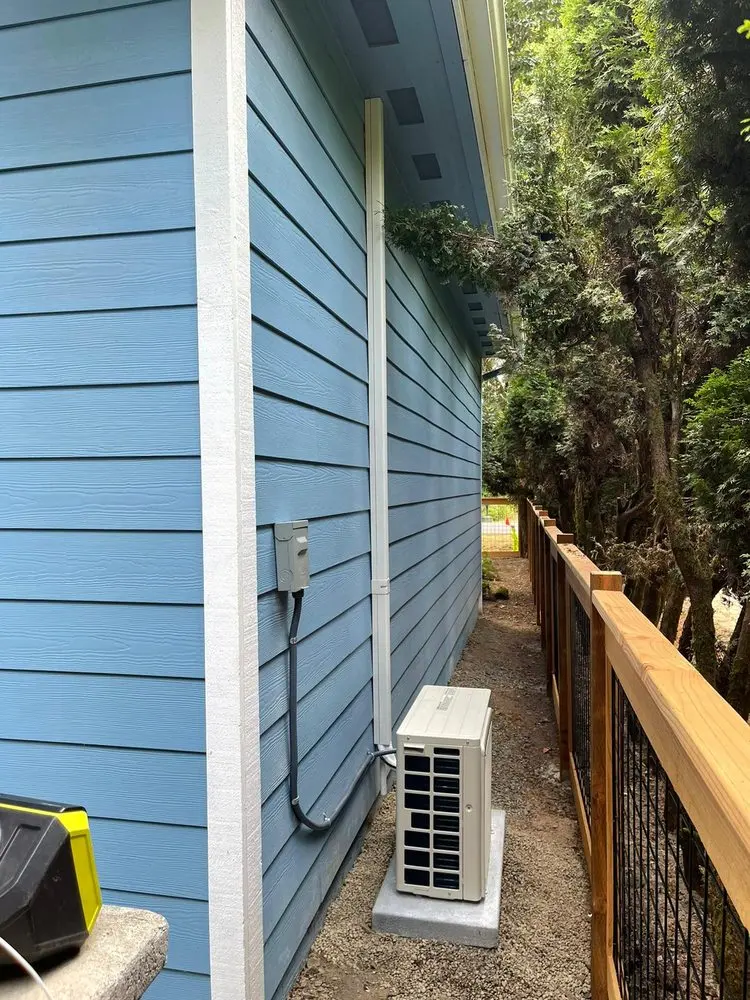
For a separate room or area, mini-split installation may be an option to assess. The scope should identify the indoor location, outdoor location and route between them. Ask how the new unit fits with the rest of the home’s heating and cooling.
Installation Price, Repair Needs and Timing
Review the equipment and tasks alongside the proposed price. Confirm which removal, control and connection changes the scope includes. Ask what the proposal assumes about retained components and what still needs review. A clear estimate helps explain a later change in scope, because you can compare the revised work with the conditions of the original plan.
If a current failure also needs attention, our HVAC repair in Woodburn service addresses that concern. The free installation estimate is separate from repair diagnosis. Tell us whether you need an assessment of the fault, a replacement proposal or both.
Once the scope is clear, review the expected installation sequence and any time without heating or cooling. Confirm how the team will reach the relevant areas of the property. A work date does not explain every timing detail by itself. The schedule should reflect the agreed tasks and equipment, with any unresolved condition identified before work begins.
Prepare Access Without Taking the System Apart
Keep the normal access route available and arrange entry to locked spaces. Mention stored items, rooms that must remain usable and preparation beyond ordinary access. Leave equipment disconnection, panel removal and hidden connections for the installation team.
If the room layout or work around the equipment changes after the estimate, review the affected scope before the appointment. Anyone meeting the team should have the current proposal, access details and questions to resolve, rather than an earlier option you did not select.
Operating Checks and Remaining Comfort Concerns
At handover, review the controls, areas served and role of retained equipment. Ask which operating checks confirmed the agreed functions and discuss any remaining room concern. If a follow-up step is needed, clarify what it will address.
Keep the installed model details and final approved scope for later service, including retained components and any changes from the first proposal. Describe any later symptom by room, setting and timing; it still needs its own assessment.
Request HVAC installation in Woodburn from HVAC & Appliance Repair Guys through the service form below. Ask for a free on-site estimator visit and describe which heating and cooling functions need to change, the equipment locations and any access or timing concerns.
Frequently Asked Questions
Does the installation price always include removal of the old equipment?
The proposal should state what it includes. Review removal and related handling work before approval, along with the new equipment and connection changes. Do not rely on a general assumption when comparing the price of two project scopes.
Can one part of the system remain while another part changes?
It may, if its condition and fit support the proposed combination. Ask which retained components the estimator has considered. Plan how the equipment and controls will work together. Include anything that stays from the earlier setup.
Will the home lose heating or cooling during replacement?
Work on the system can interrupt the affected function. Confirm the expected sequence and service interruption for your project before the installation date. The equipment and scope determine those details; a general appointment time is not a complete changeover plan.
Will matching the old capacity give the right replacement size?
The old label alone does not establish current needs. Heating and cooling demand depends on the rooms, windows, insulation and use of the home. Review the air paths too: a larger unit does not automatically correct weak airflow in one area.
Does a new efficiency rating guarantee a specific bill reduction?
No. A product rating describes equipment performance under defined conditions, not a fixed outcome for every home. The installed combination and household use also matter. Compare the actual scope and intended operation without treating a rating as a promised dollar saving.
Request HVAC Installation in Woodburn, OR
For HVAC installation in Woodburn, OR, call HVAC & Appliance Repair Guys or submit a service request through the form on this page.