



HVAC Maintenance in Canby, OR
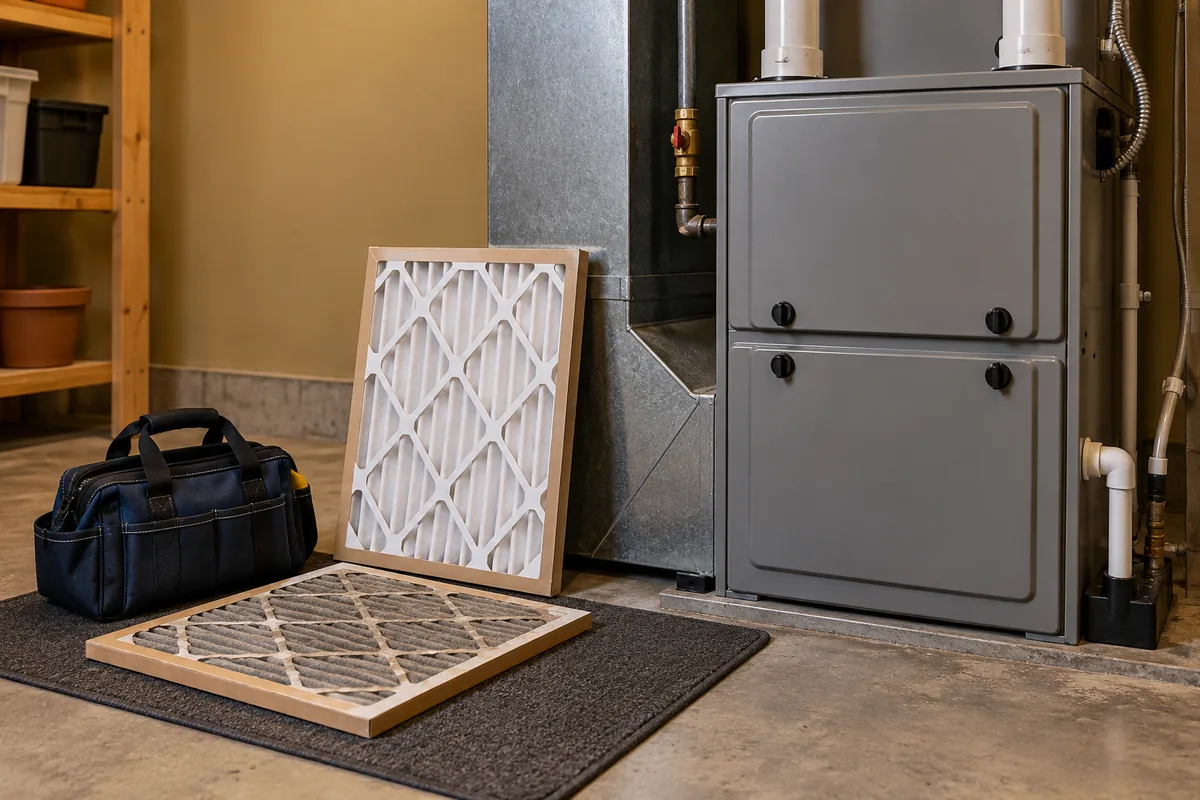
HVAC & Appliance Repair Guys provides HVAC maintenance in Canby, OR. Filters collect particles and can restrict airflow as they load, but filter care is only part of maintaining the system. Coils, drainage, controls and other parts of the air path may need their own review. Mention a recent filter change and any dust, airflow or comfort concern that remains.
Our HVAC maintenance service covers heating and cooling care according to filter, airflow and other equipment conditions. Discuss the included work before it begins; one cleaning task does not guarantee correction of every comfort concern.
Share the filter date, available label details and the unit it serves, if known. Do not open service panels or reach an unsafe location to gather more information.
Dust, Airflow and Room Comfort
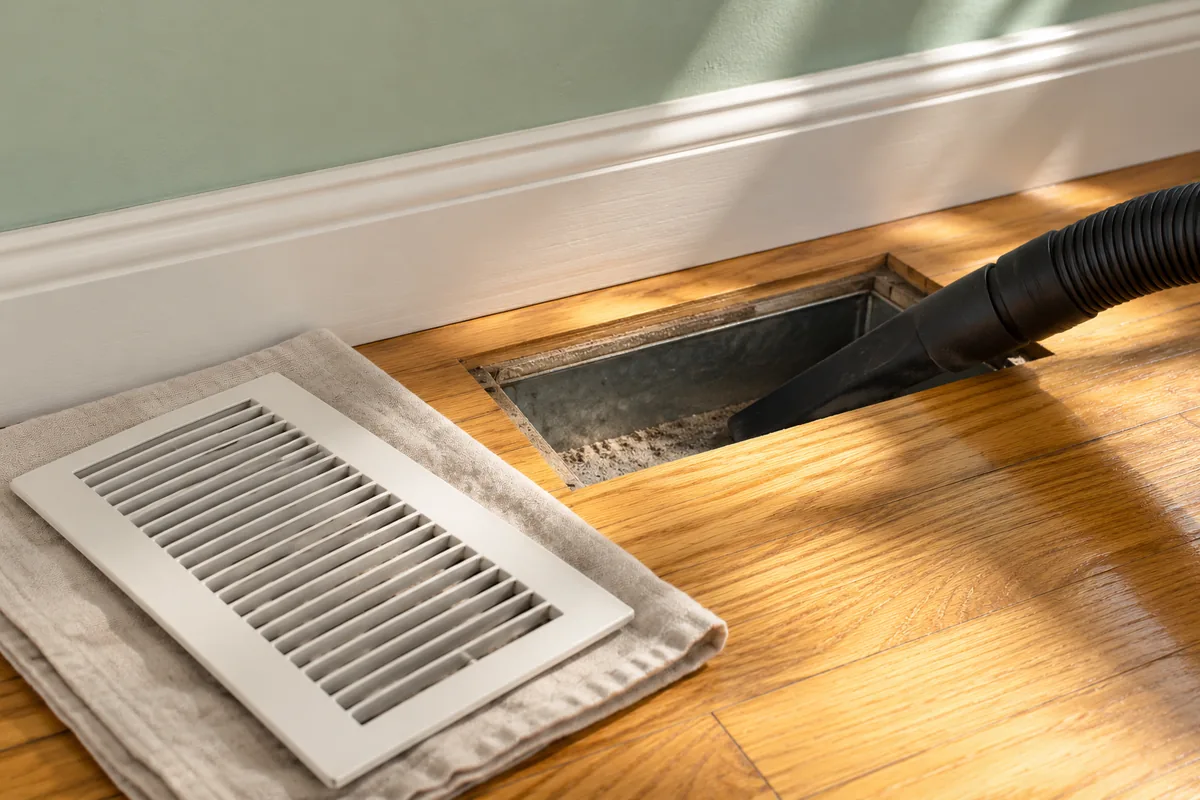
Visible dust and weak air at a vent describe different concerns. Report each one in its own terms. Note where you see dust and whether the airflow change affects one space or several. Those details help define the question to review without naming an assumed source or failed part.
Include what happened after the most recent filter change. Perhaps the room still feels the same, or the concern appears only in one operating mode. That history helps describe the result of the task you completed. It does not prove that the filter caused the problem or that a different filter will resolve it.
For a concern about indoor conditions, our indoor air quality testing service covers a separate assessment. Explain what you want reviewed when arranging help. Routine equipment maintenance does not establish the condition of the indoor environment.
Heating and Cooling Equipment Beyond the Filter
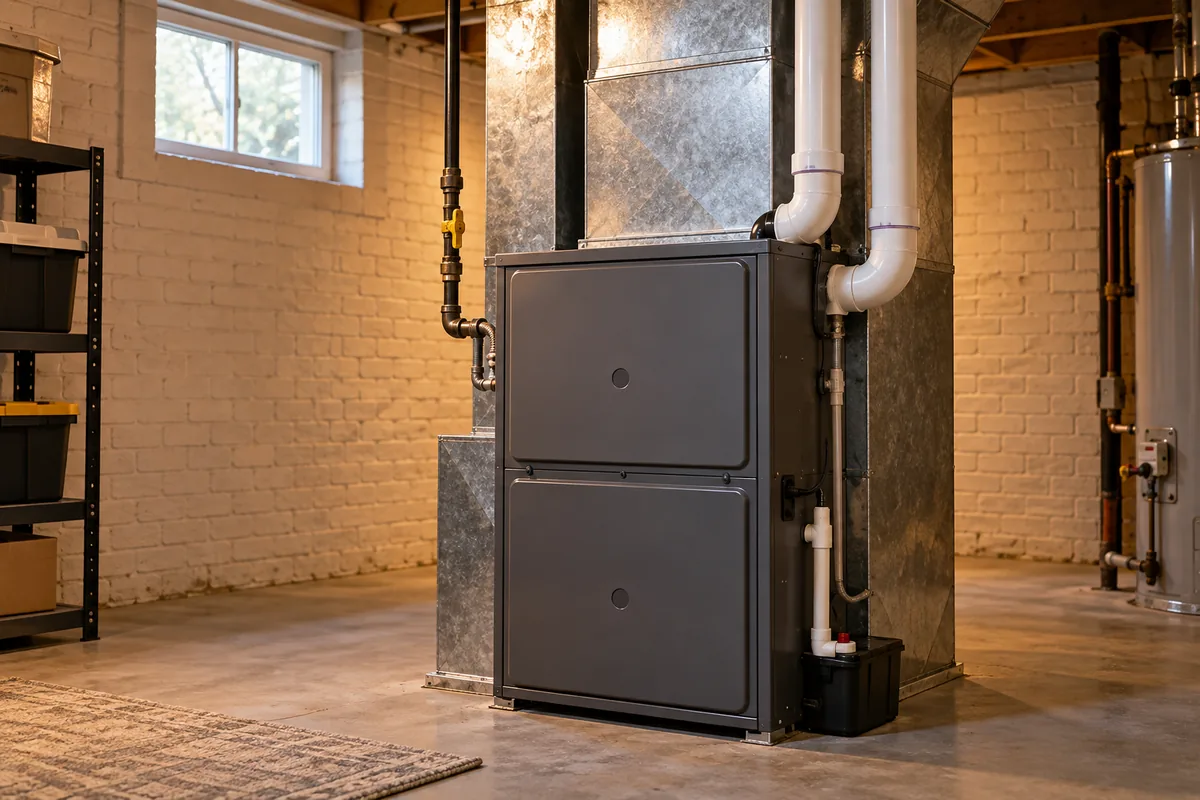
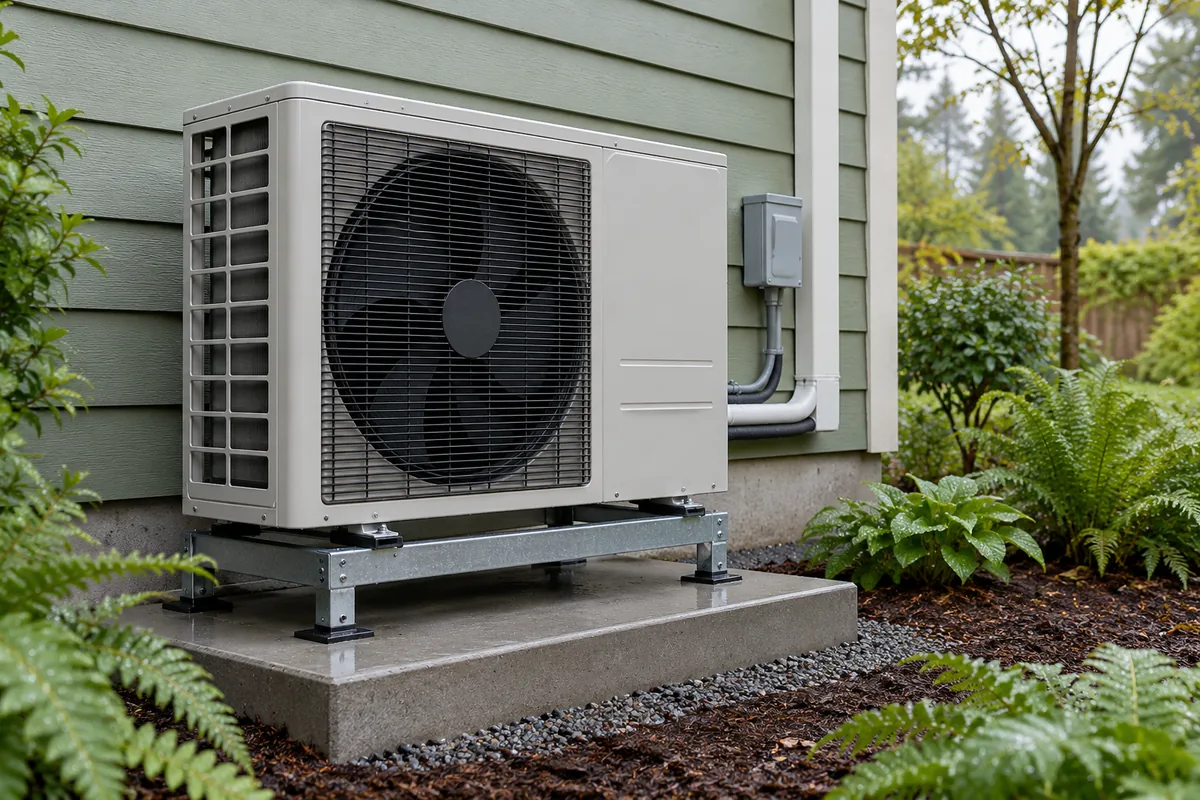
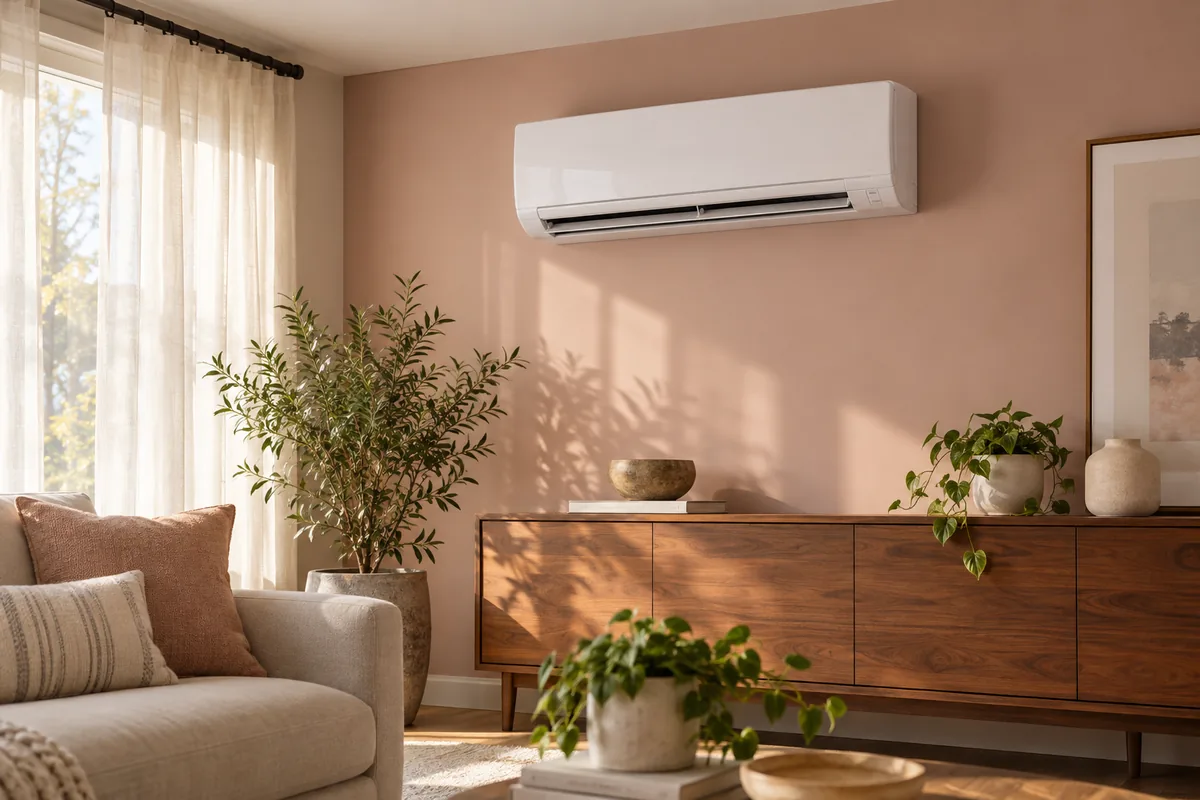
Identify any furnace, air conditioner, heat pump or ductless units, including equipment separate from the main system. A wall control or filter label may describe only part of the setup; confirm which units the visit includes.
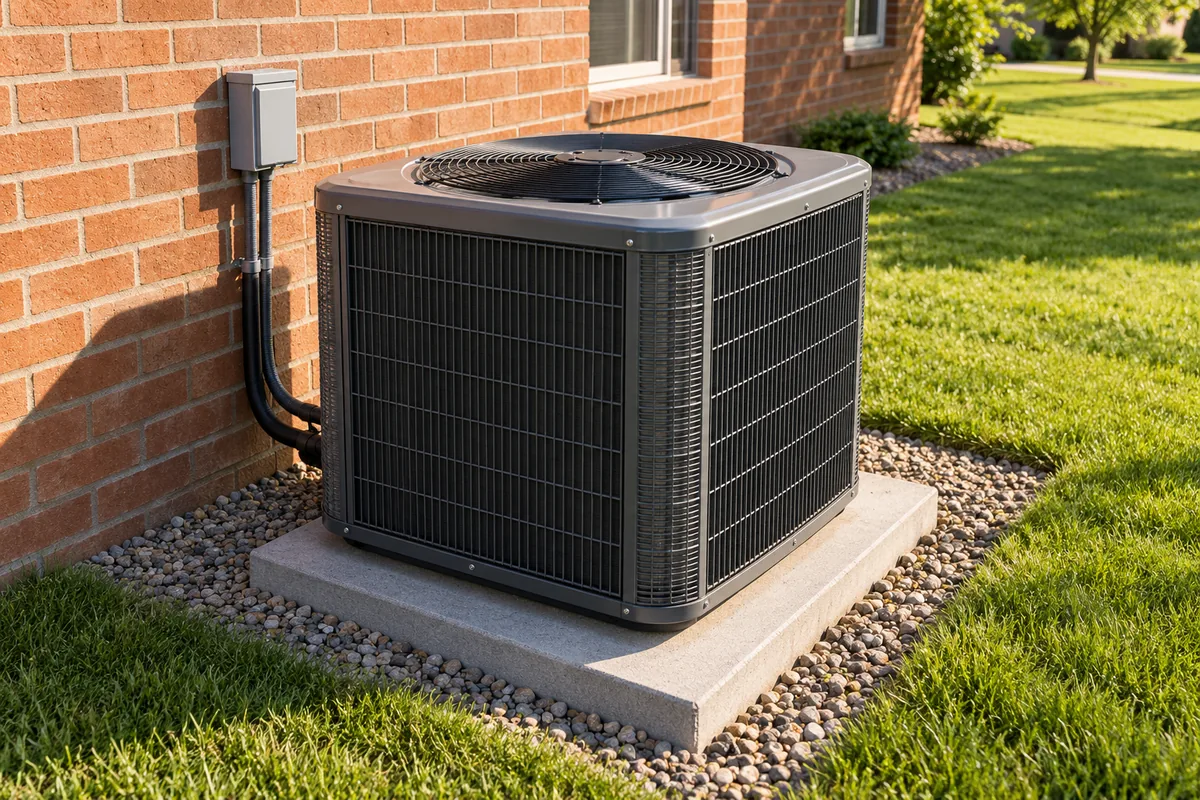
For cooling equipment, see our air conditioning maintenance service. Tell us about cooling performance, airflow changes or moisture near the system, and include the date of the last filter change.
For several indoor units, identify the room and filter task for each. Care of one filter does not document every unit or component.
Use the care guidance for the actual installed equipment when discussing filter upkeep. If the filter type or access is unclear, raise that question during service. Avoid treating a different filter label as an automatic upgrade for the system. The chosen part needs to suit the equipment and its intended use.
Active Faults and Routine Maintenance
Report any failure to heat or cool when booking. Our HVAC repair service in Canby addresses operating faults separately from routine care.
Describe the mode, affected area and timing of any recurring problem. Include earlier repairs or a display message you already noticed. Share these details from normal use; do not restart suspect equipment just to produce the symptom again. The service plan should reflect its current state.
Confirm scope and price before approval, reviewing any repair separately. Keep completed care and unresolved findings distinct.
Completed Care and Remaining Concerns
Keep the service date, equipment covered, filter details, completed tasks and follow-up items together.
If dust, airflow or comfort concerns remain, describe each one again after service. Explain what changed and what stayed the same. A remaining concern may need a more specific next step. The follow-up should address that question rather than repeat a task merely because it belongs to routine care.
Frequently Asked Questions
Should I mention a filter change when booking maintenance?
Yes, share when you changed the filter and which unit it served. Include the filter details you already have, and mark uncertain information as unknown. This records one completed task without implying that all system care is complete.
Does recurring dust mean the HVAC system needs a repair?
Visible dust alone does not establish a failed component or its source. Describe where and when you notice it. Keep any separate operating problem clear as well. The next step should match the concern instead of assuming every dust complaint requires the same service.
What if only one room still feels wrong after filter replacement?
Identify that room and explain whether the issue concerns temperature or air movement. Include the operating mode and any recent change in room use. Those details help frame the remaining concern. The filter change should stay in the record as one completed task.
Request HVAC Maintenance in Canby, OR
Contact HVAC & Appliance Repair Guys to request HVAC maintenance in Canby and discuss filter care alongside any remaining airflow, dust or comfort concern.
For HVAC maintenance in Canby, OR, call HVAC & Appliance Repair Guys or submit a service request through the form on this page.