


HVAC Maintenance for Multiple Units in Clackamas
HVAC & Appliance Repair Guys provides HVAC maintenance in Clackamas, OR. Filters and airflow, coil condition, drainage and controls can each need attention. Where a property has several units, care should follow the equipment and its condition rather than the number of thermostats. Identify the systems you want included and any current operating concerns.
Describe known indoor and outdoor units and any separate system. Leave unclear connections for review; do not trace hidden lines or open panels to complete an equipment list.
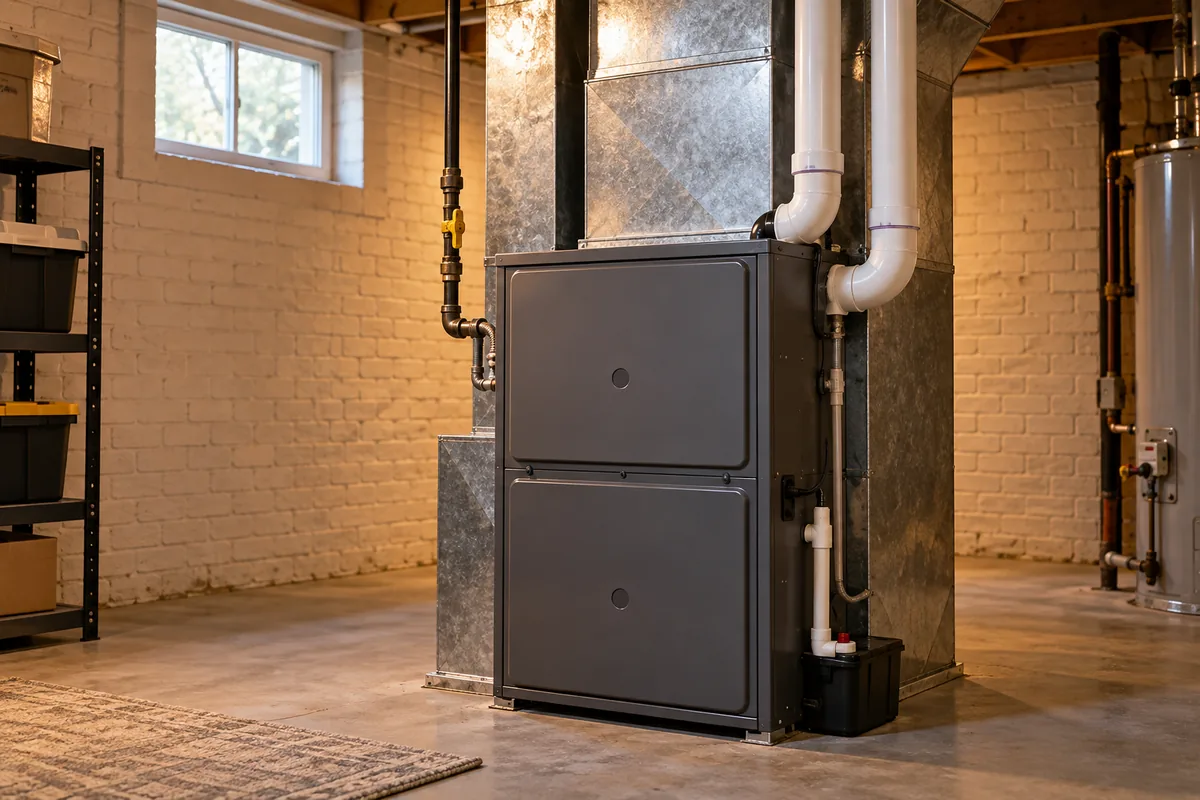
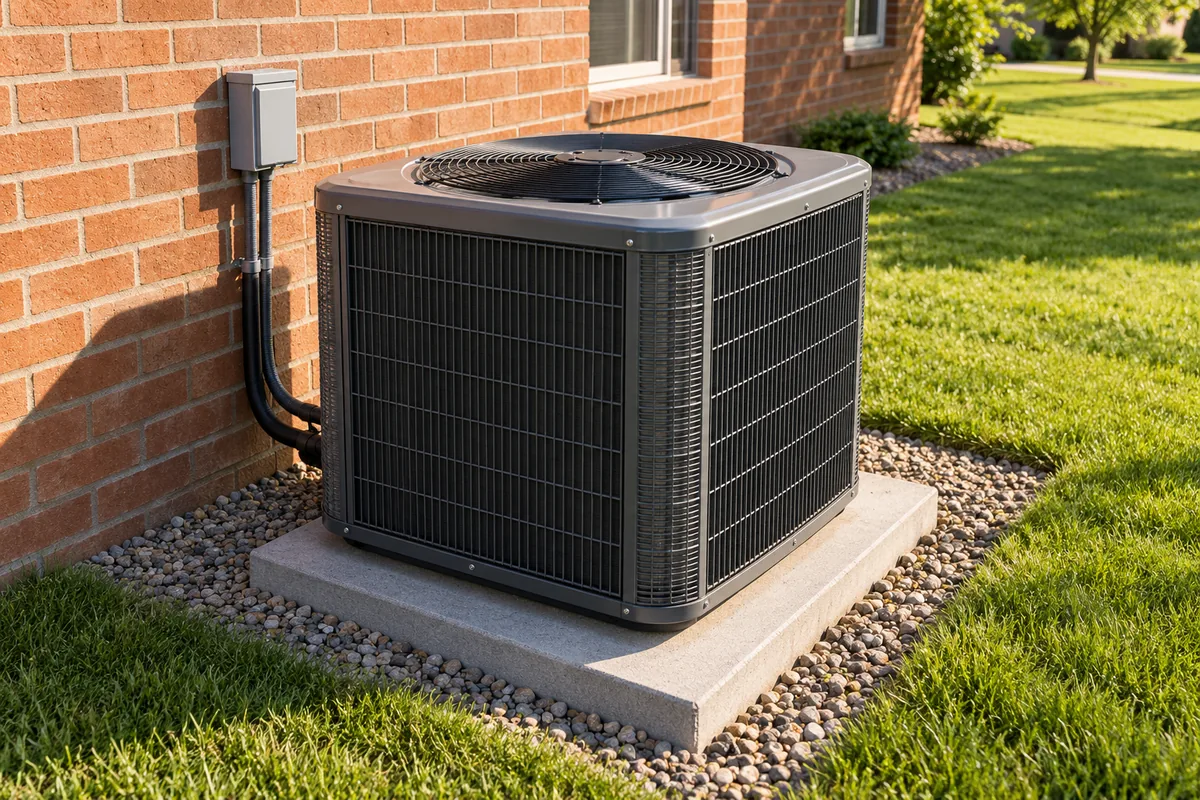
A separate wall control does not always mean a separate complete system. Several indoor units may share outdoor equipment, while a ducted unit can serve several rooms. The arrangement matters when defining service coverage. Count the known units and describe their roles rather than assume the number of controls equals the number of systems.
Our HVAC maintenance service covers heating and cooling equipment care. The agreed tasks need to fit the installed setup. Explain which components received recent service and which ones have an unknown history. A record for one unit should not stand in for the entire property.
Room Comfort and Unit-Specific Concerns
Describe a comfort concern by room or area before tying it to a particular unit. Note whether it involves temperature, airflow or a change in the way the equipment runs. Include the mode in use when you noticed it. These details help explain the concern without guessing which component caused it.
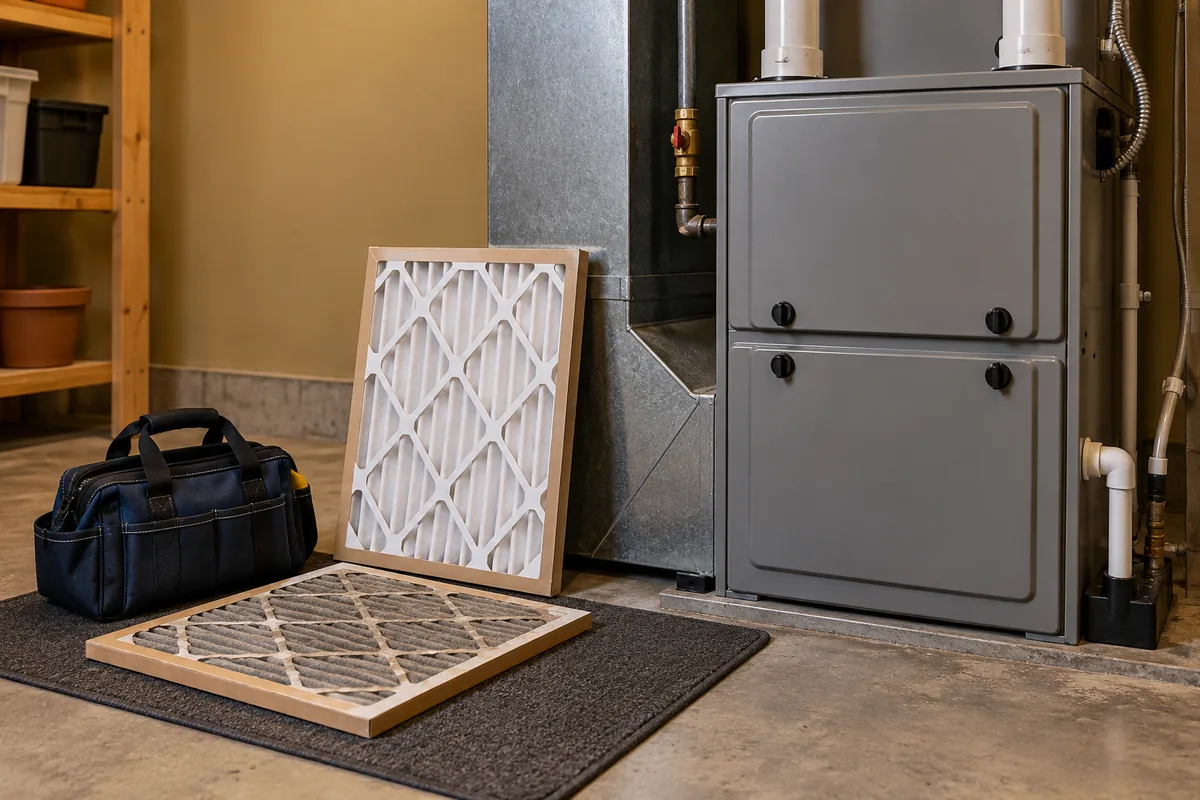
A fresh filter in one unit does not establish the condition of its coil, drain or other units. Dirt on coils can interfere with heat transfer, while a blocked cooling drain can leave water where it does not belong. These care needs require their own findings.
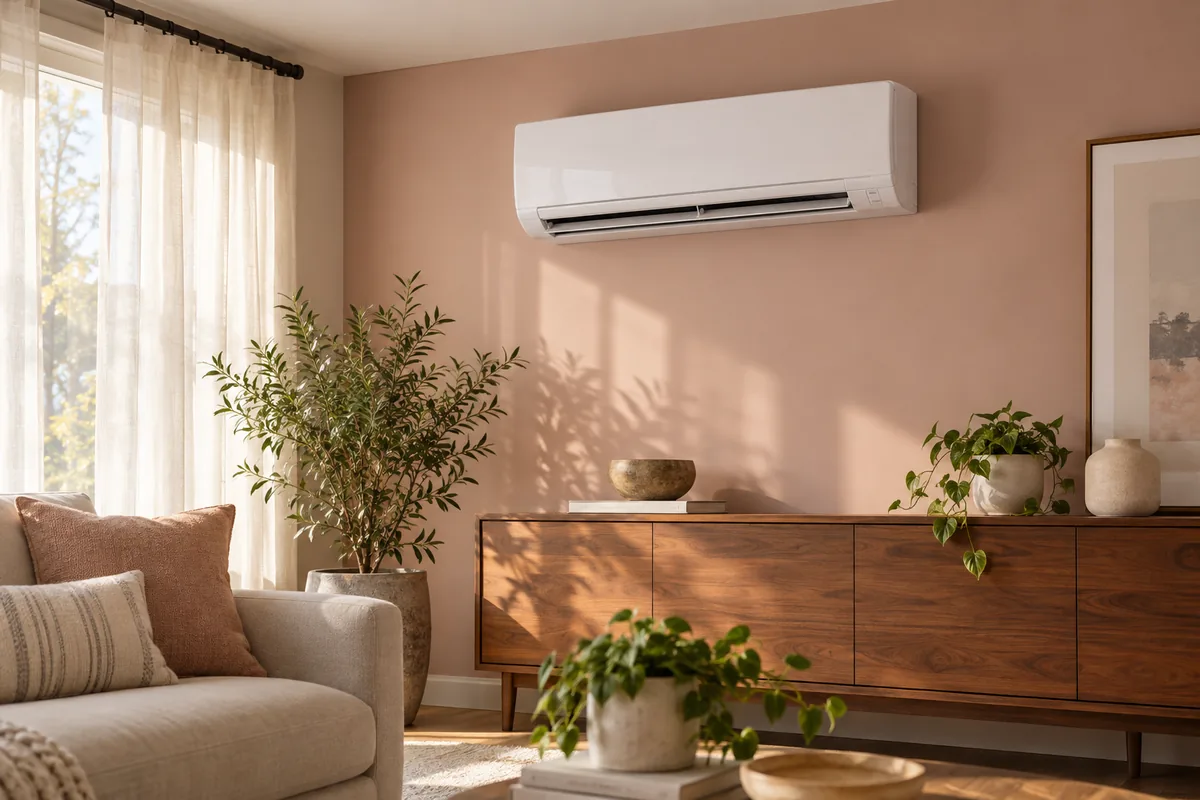
For ductless equipment, see our mini-split maintenance service. Identify each indoor unit you want included, the room it serves and any difficulty reaching it.
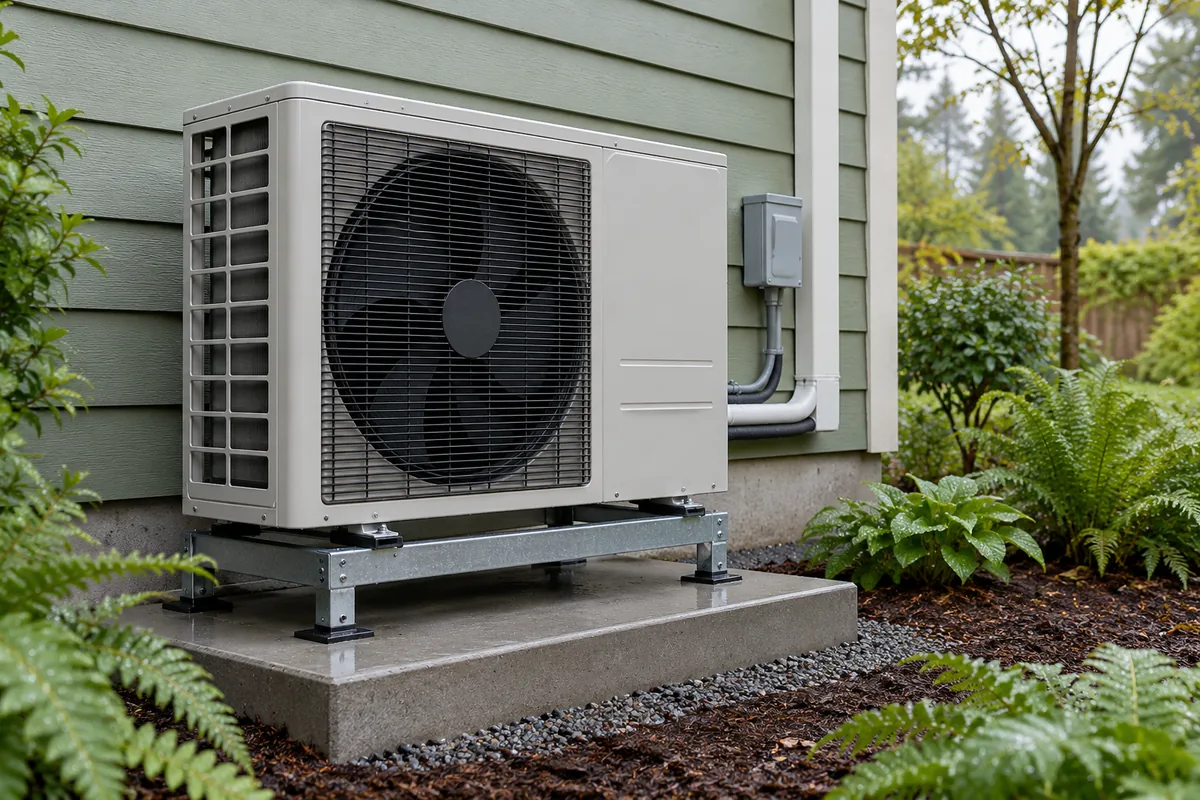
For equipment that provides both heating and cooling, our heat pump maintenance service addresses that system type. Explain whether the concern affects one mode or both. Include any other heat source that remains in use. The service review needs to distinguish its role from the heat pump’s functions.
Access to Each Included Unit
Describe access to each included unit, including storage, narrow paths or enclosed areas. Do not remove fixed panels or move installed equipment to prepare.
Make controls available and identify the rooms they serve where known. Include any relevant remote control or display message, and leave uncertain equipment connections for review.
Confirm which units, tasks and price the visit includes. Review any addition to the scope before work proceeds.
Routine Care and Unit-Specific Repairs
Our HVAC repair service in Clackamas addresses operating faults. Identify any stopped unit or affected area when booking, separately from routine care on working equipment.
Share any recent repair details for the equipment with the current concern. Note whether the symptom stayed the same, returned later or changed. Those are different parts of the history. They help explain the follow-up question without assuming that a prior repair caused the current condition.
If maintenance reveals a need for corrective work, review the proposed repair and its price separately. Keep each recommendation tied to the relevant unit. A finding for one system does not automatically establish the same need elsewhere. The work should proceed from the actual findings and the scope you approve.
Maintenance Results for Each System
After service, review which units were included and what work was completed. Keep the date, model details and tasks for each system, including any access limits or units left outside the agreed scope.
Tie unresolved findings and next steps to the affected unit or area. Keep the original room and mode details if a comfort concern remains.
Update the record after equipment, control or room-layout changes so future care reflects the current setup.
Frequently Asked Questions
Does each thermostat count as a separate system for maintenance?
Not necessarily. Controls and complete systems do not always have a one-to-one relationship. Describe the known indoor and outdoor units and the spaces they serve. Confirm the equipment included in the visit before assuming that a control count defines the service scope.
What if I cannot tell which outdoor unit serves a room?
Mark that connection as unknown and identify the room and controls you use. Share any model details you already have. Leave hidden connections and service panels alone. The service review can address the equipment map without requiring you to trace it beforehand.
Can one visit request include working equipment and a failed unit?
Describe both needs when arranging service. Routine maintenance and diagnosis of a failed unit have different scopes. Identify the equipment involved in each request. Review the planned work and any separate repair proposal so the service result remains clear.
Request HVAC Maintenance in Clackamas, OR
Contact HVAC & Appliance Repair Guys to request HVAC maintenance in Clackamas and confirm care for the indoor and outdoor units you want included.
For HVAC maintenance in Clackamas, OR, call HVAC & Appliance Repair Guys or submit a service request through the form on this page.