


HVAC Maintenance and Care Schedules in Troutdale
HVAC & Appliance Repair Guys provides HVAC maintenance in Troutdale, OR. A useful care schedule identifies both the equipment and the task. Filter upkeep, a professional visit and follow-up on an operating concern serve different purposes. They do not all need to share one date.
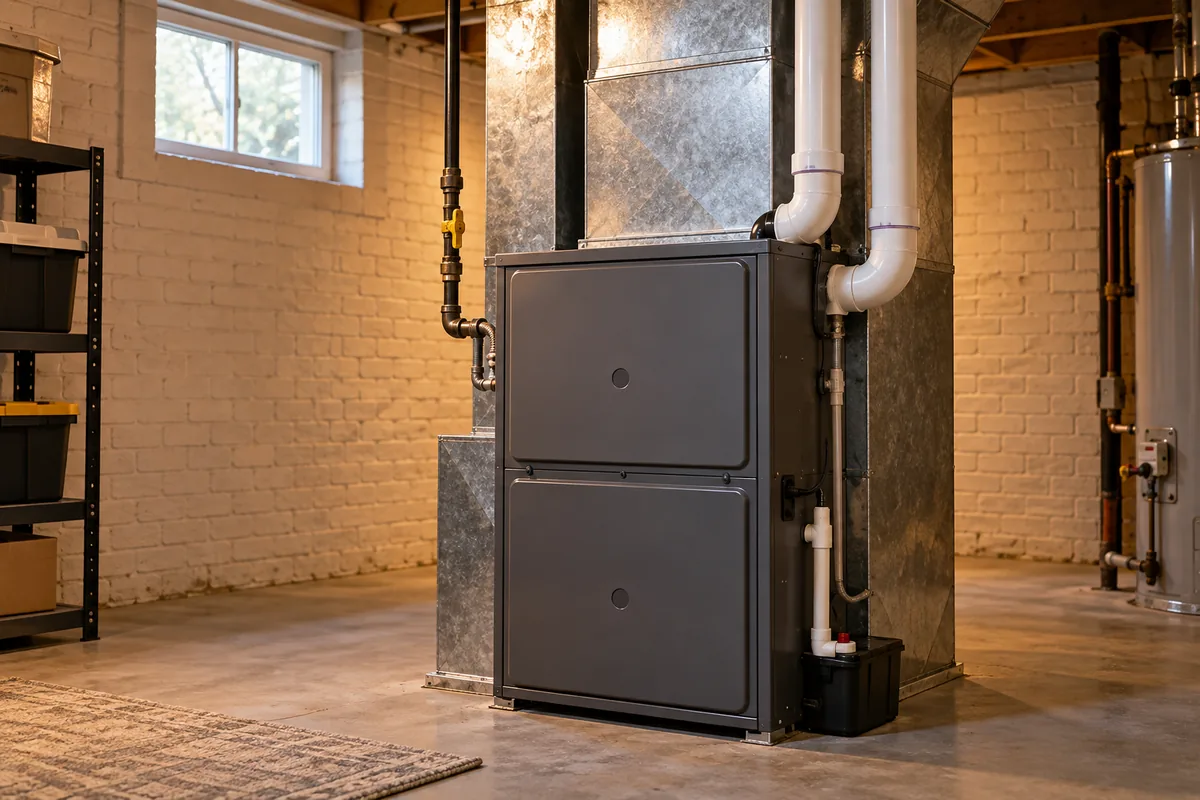
Our HVAC maintenance service covers heating and cooling equipment care. Share the last known visit, recent tasks and changes in the way you use the system. Those details help frame the schedule discussion. The plan should reflect the installed setup and its current condition.
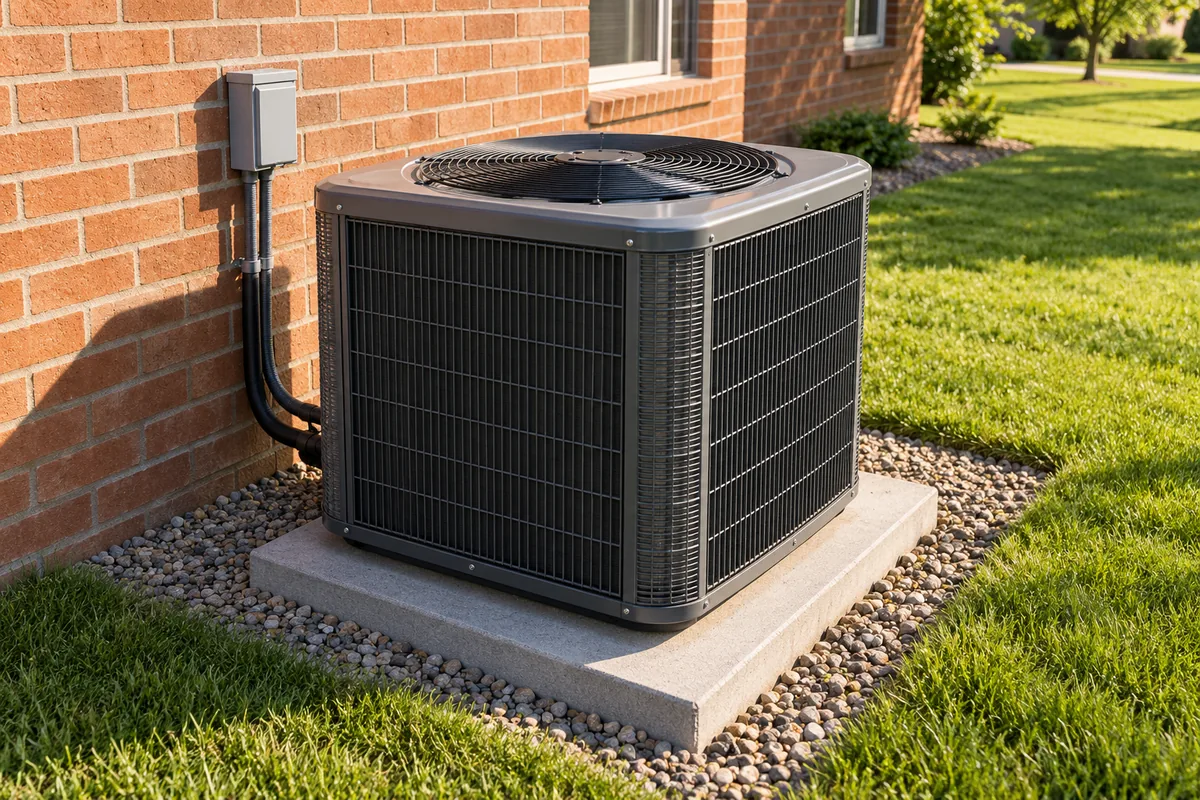
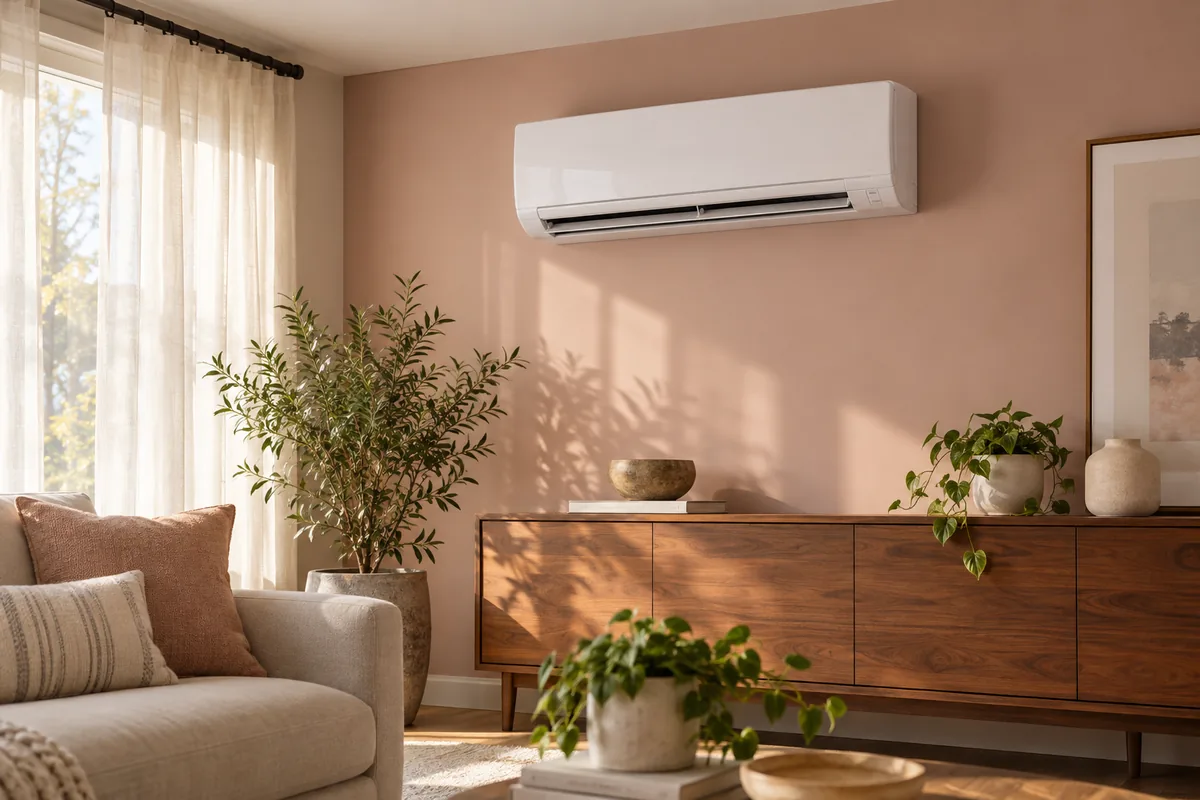
A yearly professional visit can be one part of an air conditioner’s care plan. Filter upkeep can follow a shorter schedule. Use the care guidance for the actual unit and filter to review the details. A useful calendar reminder names the specific task to track.
Filter Care and Professional Maintenance Timing
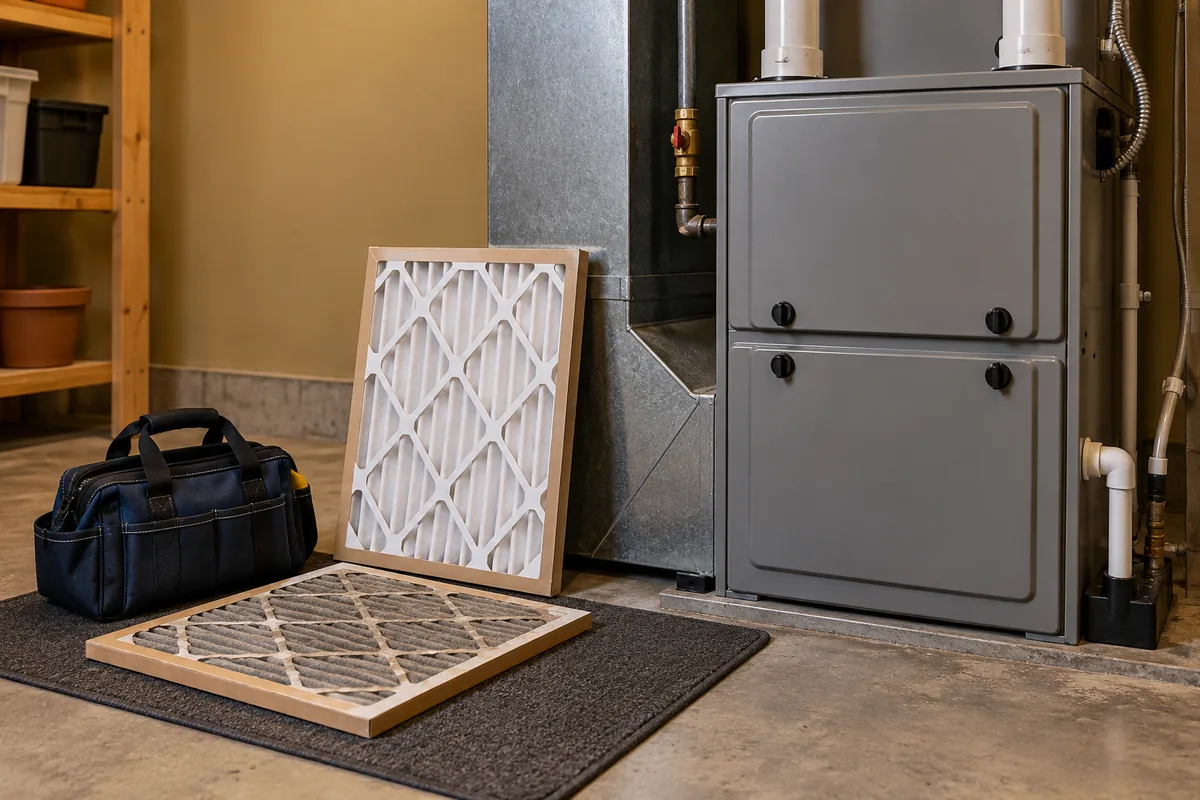
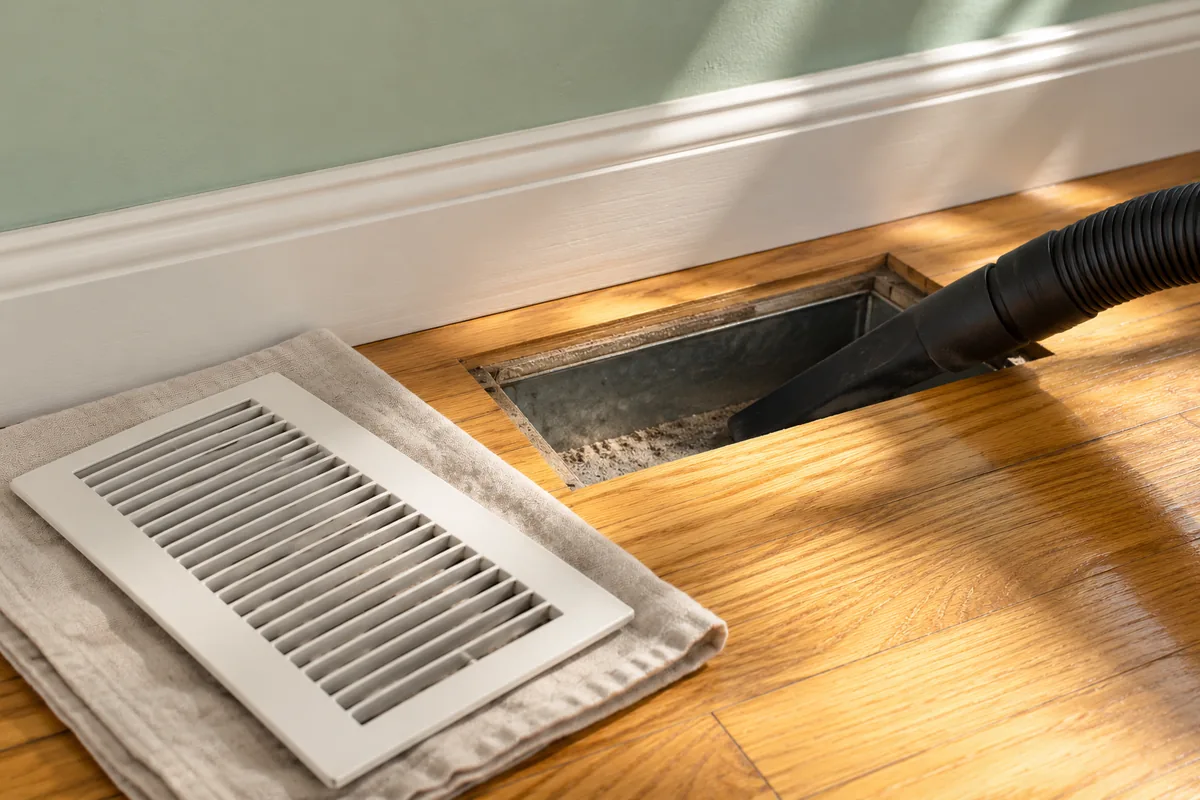
Filter type and system use affect the appropriate care interval. A thin disposable filter and a thicker media filter can need different replacement schedules. A reusable filter also has its own care requirements. Avoid applying one filter’s routine to every unit at the property.
Our air conditioning maintenance service covers care for air conditioners. Include the filter details you already know when discussing the visit. A recent replacement records one task. It does not establish that all other cooling equipment care is complete.
Keep inspection and replacement distinct in your notes. Looking at a safely accessible user-care item and completing its required task are different records. If the care method or access is unclear, raise it during service. You do not need to open enclosed components to make the schedule discussion useful.
Changes in Equipment Use Between Visits
Explain whether the equipment runs more often now or serves a space you use differently. These are useful changes to discuss when reviewing routine care. They do not automatically prove a fault or set a new service interval. The equipment guidance, condition and history still matter.
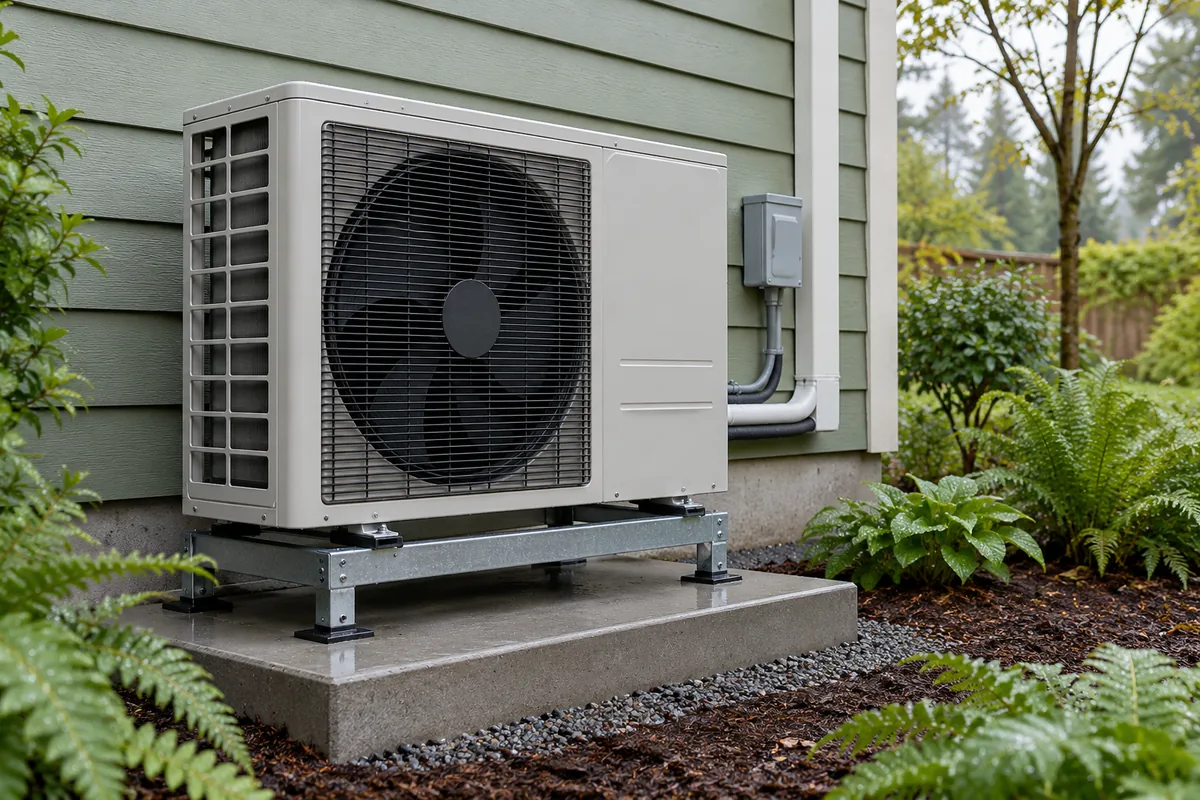
Our heat pump maintenance service covers equipment that provides heating and cooling. Note which functions you use and which ones a previous visit addressed. Keep separate units clear in the plan. One system’s schedule should not stand in for another system’s care needs.
An operating failure should not wait for a routine reminder. Our HVAC repair service in Troutdale addresses faults with the current equipment. Describe the affected mode and area when arranging help. A scheduled tune-up and diagnosis of a new problem have different scopes.
Completed Care and the Next Maintenance Task
Before work begins, confirm the included equipment, tasks and price. Review any separate repair before approving it. After the visit, keep the completed tasks and follow-up recommendations for planning future care.
Keep dates tied to the unit and task completed. A filter reminder does not establish that professional service took place, and a new component does not erase retained parts’ care history. Update the plan when equipment or use changes.
If the previous service date is unknown, say so. Plan the next task from the current equipment, scope and findings; following a schedule does not guarantee trouble-free operation.
Frequently Asked Questions
Does every filter need the same replacement interval?
No. Filter type, its intended care method and system use can change the appropriate timing. Review the guidance for the installed filter. Keep its schedule distinct from the timing of a professional maintenance visit.
Does an annual service visit cover all care for the year?
It records the work included in that visit. Other tasks may have different intervals, including filter upkeep. Review the actual equipment needs and the tasks completed. Avoid treating one calendar date as proof that every form of care is up to date.
Should I wait for the next tune-up if the system stops working?
Report the failure when it happens rather than treating it as a routine reminder. Describe the current state, affected mode and area. The service request can then address the need for diagnosis separately from planned maintenance.
What if I do not know when the last visit happened?
Explain the gap and share any tasks or repairs you do know about. The current visit can define its own scope and findings. Use that record when discussing the next care step. Mark unknown dates clearly instead of guessing when past service took place.
Request HVAC Maintenance in Troutdale, OR
Contact HVAC & Appliance Repair Guys to request HVAC maintenance in Troutdale and discuss the next care tasks for your equipment and filters.
For HVAC maintenance in Troutdale, OR, call HVAC & Appliance Repair Guys or submit a service request through the form on this page.