


Hydro Jetting in West Linn
HVAC & Appliance Repair Guys provides hydro jetting in West Linn to remove deposits from suitable drainage lines. The work targets a defined section after review of its condition, access and reported symptoms. Restoring flow is the cleaning goal; any documented damage requires a separate repair decision.
A hose and nozzle direct water into the selected pipe. Cleaning a shared line does not necessarily reach every smaller branch, so the plan should identify which drainage it covers.
Share any report that identifies a defect before choosing the work. That finding may remain relevant after a restriction clears. Conversely, a blockage alone does not establish that a pipe needs replacement.
Fixture Symptoms and Relevant Flow Checks
Describe whether each affected fixture drains slowly, holds water or receives water from another opening. The result should be checked against those original complaints: one sink improving does not resolve a separate shower backup.
Water passing once is not the same observation as normal use returning. Relevant checks depend on the task and conditions, and the record should state what they showed.
Do not recreate an overflow to prepare that comparison. Use behavior already observed during ordinary use. A clear account can explain the need without another release of water into the affected area.
Shared-Line Cleaning and Separate Branches
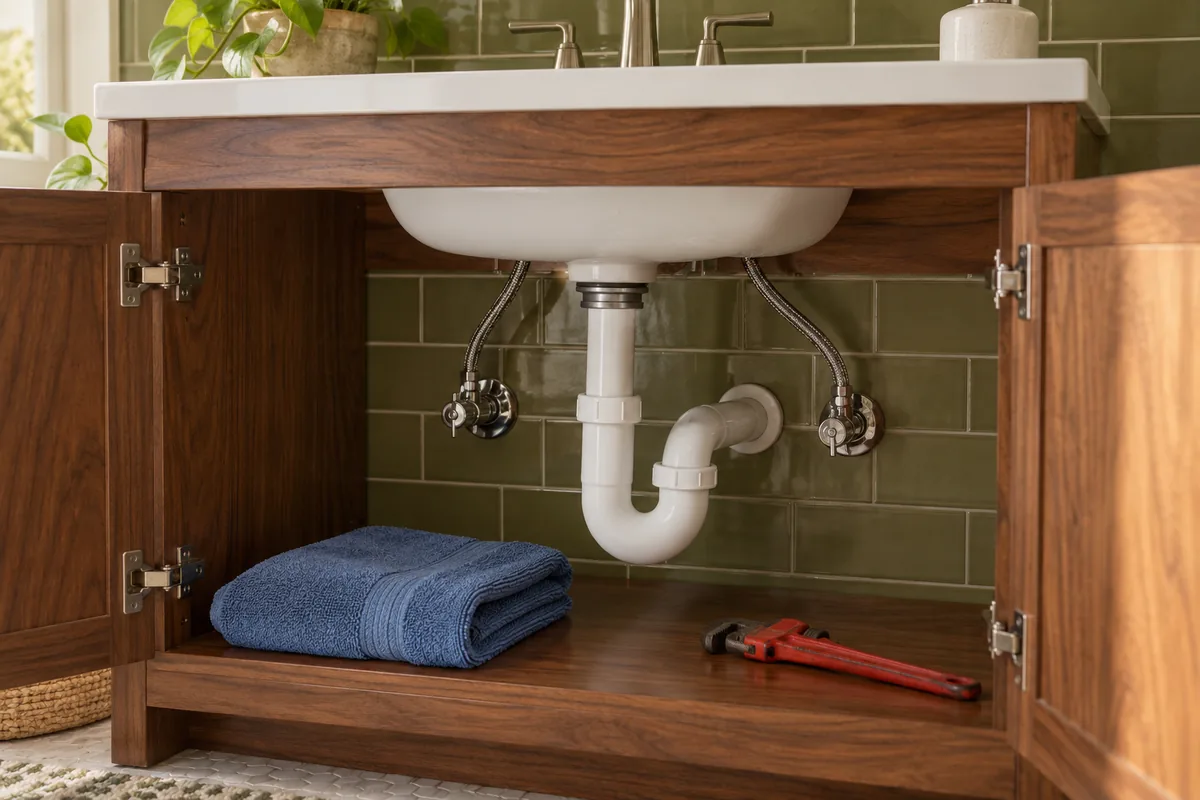
A common pipe may receive wastewater from several smaller drains. Cleaning the shared section does not necessarily remove material in each branch. The scope should name the area the work targets and any separate branch task.
If one fixture remains slow, preserve that fact even when the common path improves. Its local drainage may need a different assessment. Do not treat a result in one section as proof that every connected drain is clear.
Access helps define the coverage. A hose and nozzle need a practical route into the intended line. A known cleanout can be useful without proving that it reaches every part of the system.
Cleaning Does Not Renew Pipe Walls or Joints
Jetting does not restore worn pipe walls or rebuild damaged joints. Flow may improve while a documented connection problem remains. Any repair recommendation should identify the condition and section that support it.
Camera Inspection Coverage and Completed Repairs
An earlier inspection is useful within its date and coverage. Standing water, material and access can limit a camera view; the condition of unseen areas remains unknown.
If cleaning makes a later view more useful, that view still needs its own assessment. Removing deposits does not automatically prove that the exposed surface is sound. The report should distinguish observations from open questions.
Keep later repairs with the earlier report. A proposal, completed repair and cleaning visit are separate events. The record should show which task took place so the present discussion does not rely on an old assumption.
Other Drain Cleaning Methods and Separate Sewer Repairs
Sewer line repair in West Linn concerns structural work supported by findings. The proposal should name the relevant condition and section. Approval for cleaning does not automatically approve that repair.
Drain cleaning in West Linn covers the wider clearing need while the method remains open. Jetting is one possible approach. The pipe condition and access may support another task instead.
Further inspection should explain the question it aims to answer and the area it can view. Optional work needs its own approval.
Previous Clearing and Safe Access
Share the affected fixtures, earlier clearing and how long any improvement lasted. If one symptom never changed, include it.
Explain known work entries and any limit on reaching the area. Arrange entry with the responsible person. Do not remove fittings, open walls or expose buried piping as routine preparation for pressure cleaning.
Any product added to the drain belongs in the working history. Give the name and timing when known, including attempts after an earlier service. Do not mix cleaners or introduce another treatment while arranging the visit.
Keep people away from wastewater and report unsafe access from a dry location. Do not handle wet powered items to reach the drain. The assessment can use your observations without a new overflow or a risky attempt to inspect the line.
Cleaning Records and Unresolved Symptoms
Keep the entry used, section cleaned, relevant checks and remaining symptoms with the service record. If another person attends, ask them to retain these details so you can compare the outcome with the original request.
Future care should follow the actual findings and use. One cleaning does not establish a universal schedule or guarantee against all later restrictions.
Request hydro jetting in West Linn from HVAC & Appliance Repair Guys and share the affected fixtures, earlier results and any documented pipe damage or access limits.
Frequently Asked Questions
Does flowing water prove every joint is intact?
No. Drainage performance and structural condition provide different information. The result should stay within the checks and work completed.
Does one clear common line mean every branch is clear?
No. A separate fixture or branch can still have a local concern outside the work scope.
Does a repeated blockage prove structural damage?
No. The cause needs assessment, and any repair proposal needs supporting findings.
Request Hydro Jetting in West Linn, OR
For hydro jetting in West Linn, OR, call HVAC & Appliance Repair Guys or submit a service request through the form on this page.