



Leak Detection in Gervais for Moisture and Unexplained Water Use
HVAC & Appliance Repair Guys provides leak detection in Gervais to investigate a suspected water source before choosing a fixture or pipe repair. Visible moisture, unusual fixture activity and changes in water use provide context. An increase without a puddle can warrant assessment, but cannot identify a hidden pipe failure on its own.
Share the period of increased use and changes in occupants or routine. More use does not rule out leakage, but it changes the context of the records.
Keep billing-period information separate from a current wet spot until findings connect them.
Internal Toilet Leaks Without a Puddle
Water can pass from a toilet tank into the bowl without a puddle outside the fixture. A tank that refills when no one has flushed is therefore useful to mention. It raises a different question from moisture escaping into a cabinet or wall.
Describe a fixture running between uses, with the sound or visible activity and timing. The cause still needs assessment.
Toilet repair in Gervais may fit a supported fixture fault. A known internal leak should not become proof of hidden supply-pipe damage. Each concern needs findings that relate to it.
Locate each observed sound or activity. A known fixture concern does not establish the condition of the rest of the property.
Water Bills, Meter Readings and Observation Dates
Compare bill periods with drip or fixture-activity dates. The current condition may differ from what occurred earlier in the billing period.
Keep existing meter readings or flow alerts with times and known use. They provide context without identifying a failed component.
Mention repairs, vacant periods or changed routines between records without assuming timing proves causation.
Visible Leaks and Concealed Pipe Concerns
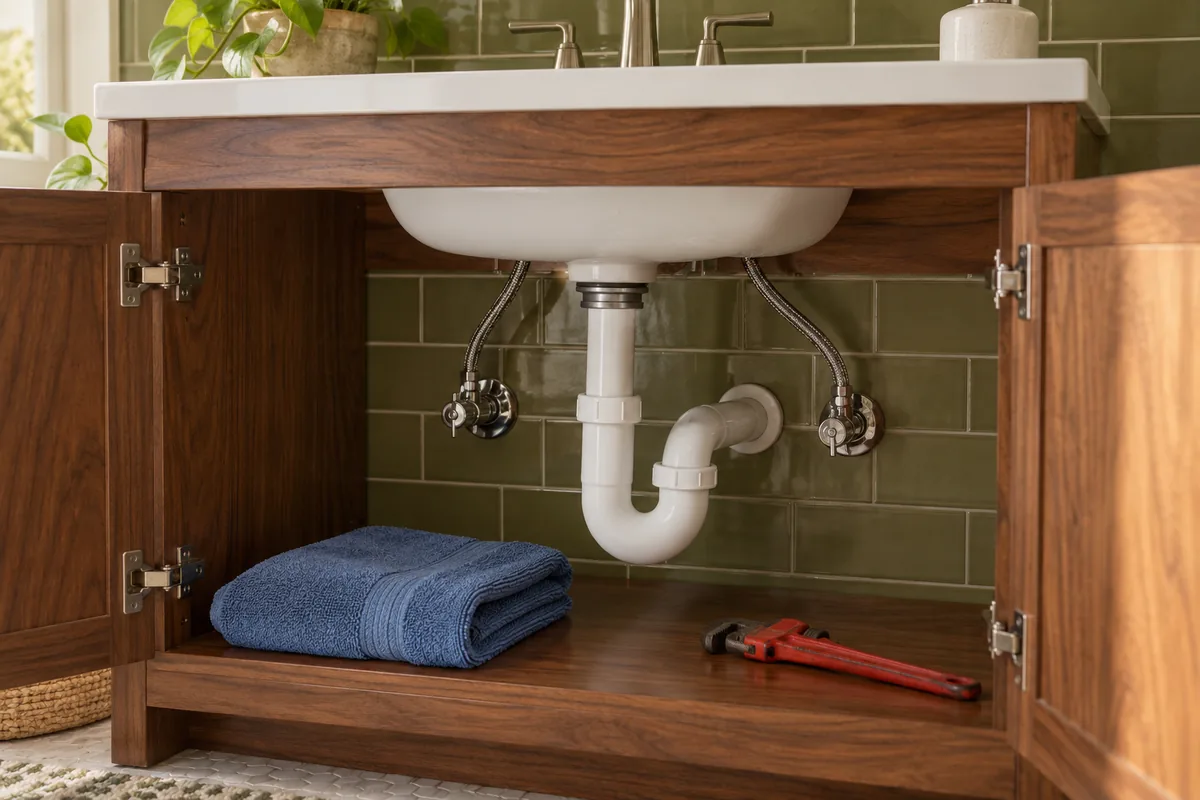
A dripping fixture may provide a clear place to begin the review. Moisture on a wall or cabinet raises a different question about where water started. The wettest point is not always the source.
Pipe repair in Gervais requires a defined piping concern. A change in total use does not by itself justify opening a particular wall or replacing a hidden section. The proposed task needs support connected to that area.
Describe each symptom separately. A confirmed fixture leak may explain one concern while another wet area remains unresolved.
We explain which concern was assessed and any limits on the source finding. Detection cannot rule out every possible leak outside that scope.
Safe Preparation and Investigation Scope
Share affected fixtures, records and access limits. If someone else attends, give them the history and decision contact.
Do not remove panels, open walls or adjust random fittings as routine preparation. An access task should have a purpose tied to the source question. Detection does not guarantee that every concealed concern has an answer without an opening.
Confirm which areas or water-use concerns the assessment covers, including any separate uses relevant to your request.
Use observations you already have rather than creating a new water release. If normal fixture use wets the area, pause that fixture while arranging service. Keep people away from standing water and describe unsafe access from a dry location.
Leak Repair and Water-Bill Expectations
A supported repair addresses a source, but detection cannot promise a particular change in the next bill. Total use also depends on the period and ongoing activity.
Record the actual repair and observed fixture change. A lower reading does not establish that all other leaks are absent.
If the concern continues, describe the remaining pattern and period before assuming repair failure or another hidden defect.
Further repair needs evidence for its own extent; an unanswered use question alone does not justify whole-property pipe work.
Findings, Completed Repairs and Remaining Concerns
Keep findings and completed repairs distinct from recommendations still open.
For later changes, retain dates and known use alongside visible symptoms so the evidence can be compared.
Contact HVAC & Appliance Repair Guys to request leak detection in Gervais and describe the moisture, unusual fixture activity or period of unexplained water use.
Frequently Asked Questions
Can leak detection promise a lower bill by a fixed amount?
No. A defined repair addresses a supported plumbing concern, but the next bill also depends on the billing period and ongoing water use.
Request Leak Detection in Gervais, OR
For leak detection in Gervais, OR, call HVAC & Appliance Repair Guys or submit a service request through the form on this page.