



Leak Detection in Lake Oswego
HVAC & Appliance Repair Guys provides leak detection in Lake Oswego to identify where unwanted water begins and which repair fits the finding. Accessible fixtures and piping provide the starting point; concealed areas or limited access may leave questions needing further investigation.
Describe where you first noticed water and whether it is still appearing. Include its timing during ordinary use and any recent work nearby. You do not need to decide which hidden section has failed.
Water Stains and the Extent of a Leak
Water may appear away from its source, and a continuing drip can spread over time. The size of a stain alone does not identify the source or determine how much piping needs repair.
A small mark can also conceal an unresolved connection issue. Stain size supplies context, while the timing of fresh moisture and the relevant plumbing help define the investigation.
Keep old marks separate from fresh moisture. A surface may show a past event while a new drip raises a current question. Their relationship needs evidence rather than an assumption that both describe one active source.
Include recent work near the moisture, with dates when known. Current findings and reliable repair history should guide the proposed repair.
Detection, Access and Finish Restoration
Compare a detection estimate by the area investigated, available access and included tasks. The same price may not include additional openings, source repairs or work on surrounding surfaces.
An existing panel or reachable connection may allow part of the inspection. If a concealed area needs to be opened, ask what the opening would help establish.
Check whether the agreement includes closing an opening and restoring the finish. Access, plumbing repair and surface restoration are distinct tasks.
Pipe, Fixture and Pump Repair Options
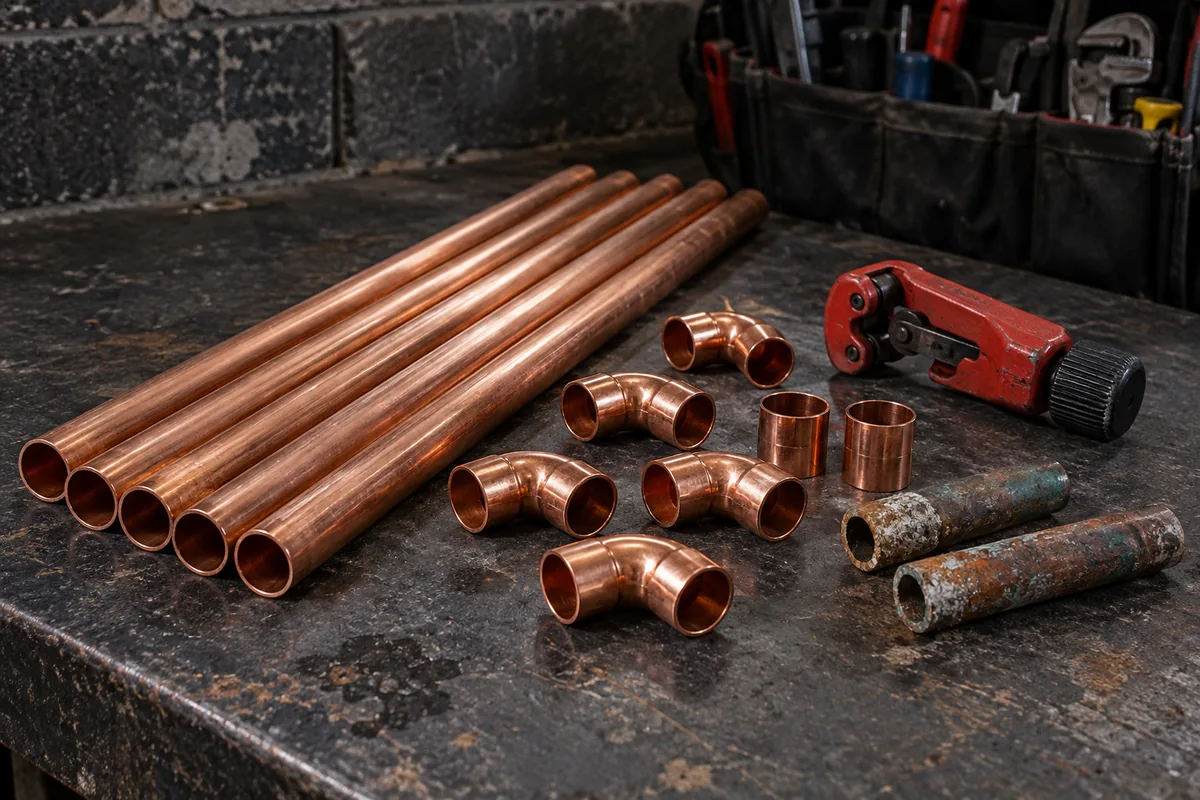
Pipe repair in Lake Oswego addresses a supported piping defect. The proposal should name the affected section and explain why the work fits the finding. A large stain does not automatically support a large replacement project.
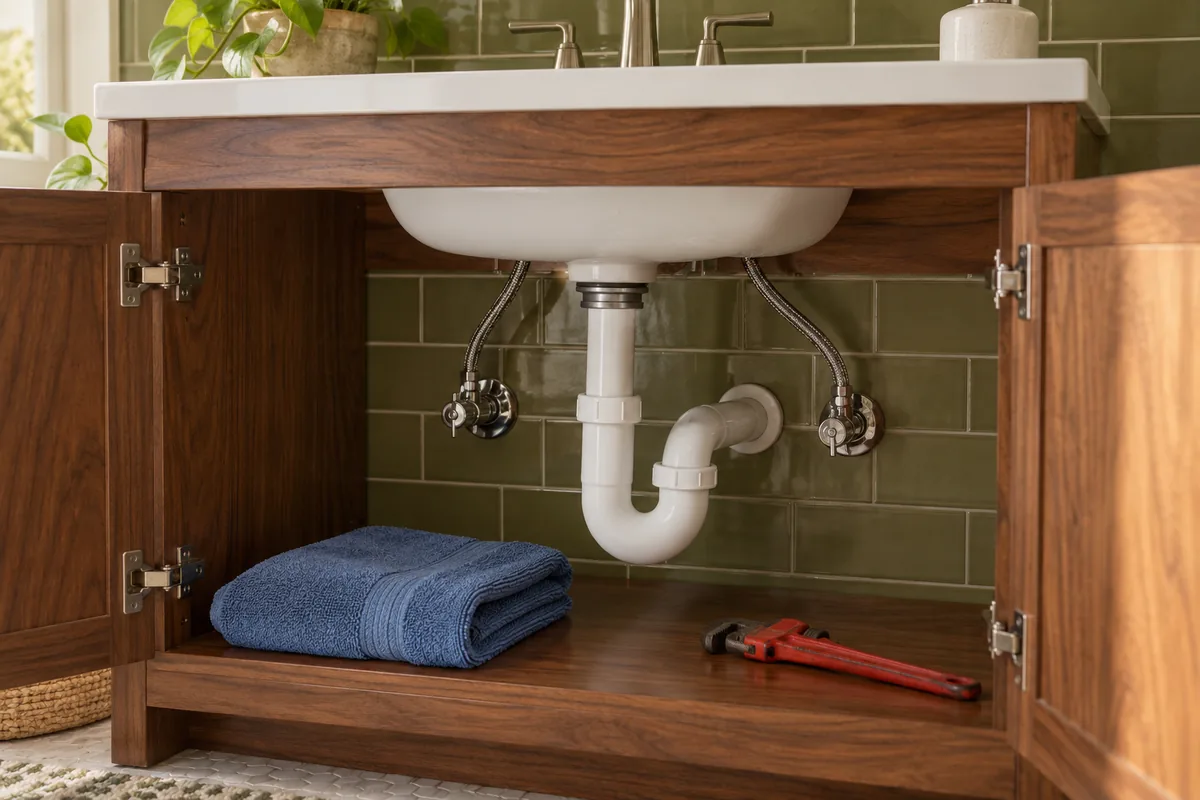
Faucet repair in Lake Oswego may fit a source at that fixture. A wet surface nearby is a reason to review the connection, not proof of a particular failed part.
Keep separate wet areas and unresolved questions clear, even when one source is confirmed. A toilet that refills between uses may need toilet repair without causing visible floor moisture. If the concern is a sump pump, discuss sump pump repair & installation separately. Confirm which concern each proposed task addresses.
Safe Preparation for Leak Detection
Share the first wet location, the timing of fresh moisture and any previous reports. Identify completed repairs as such, and leave unknown history open.
Do not open walls or repeat a water release to make the concern easier to show. Use observations from normal use. If a fixture makes the area wetter, pause that use while arranging the assessment.
Keep people away from standing water and report unsafe access from a dry place. Leave fittings intact. Any access or repair task should follow a clear work plan.
Retain the source finding, any inspection limits and the repair actually completed. A dry-looking finish alone does not establish which work took place.
Request leak detection in Lake Oswego from HVAC & Appliance Repair Guys and describe the first wet location, timing and any access limits before discussing the estimate.
Frequently Asked Questions
Does a detection price always include the final repair?
No. Compare the tasks the agreement expressly includes and the limits of the investigation.
Request Leak Detection in Lake Oswego, OR
For leak detection in Lake Oswego, OR, call HVAC & Appliance Repair Guys or submit a service request through the form on this page.