



Leak Detection in Milwaukie for Faucets, Connections and Hidden Pipes
HVAC & Appliance Repair Guys provides leak detection in Milwaukie to identify the source of visible moisture and guide the appropriate repair. Around a sink, a dripping spout, water at the faucet base and a wet cabinet can involve different parts of the fixture or connected plumbing.
Mention water around the handle or faucet base too. The first wet area can differ from where water later collects. Clear locations help the assessment without requiring you to take the fixture apart.
Spout Drips, Faucet-Base Water and Cabinet Moisture
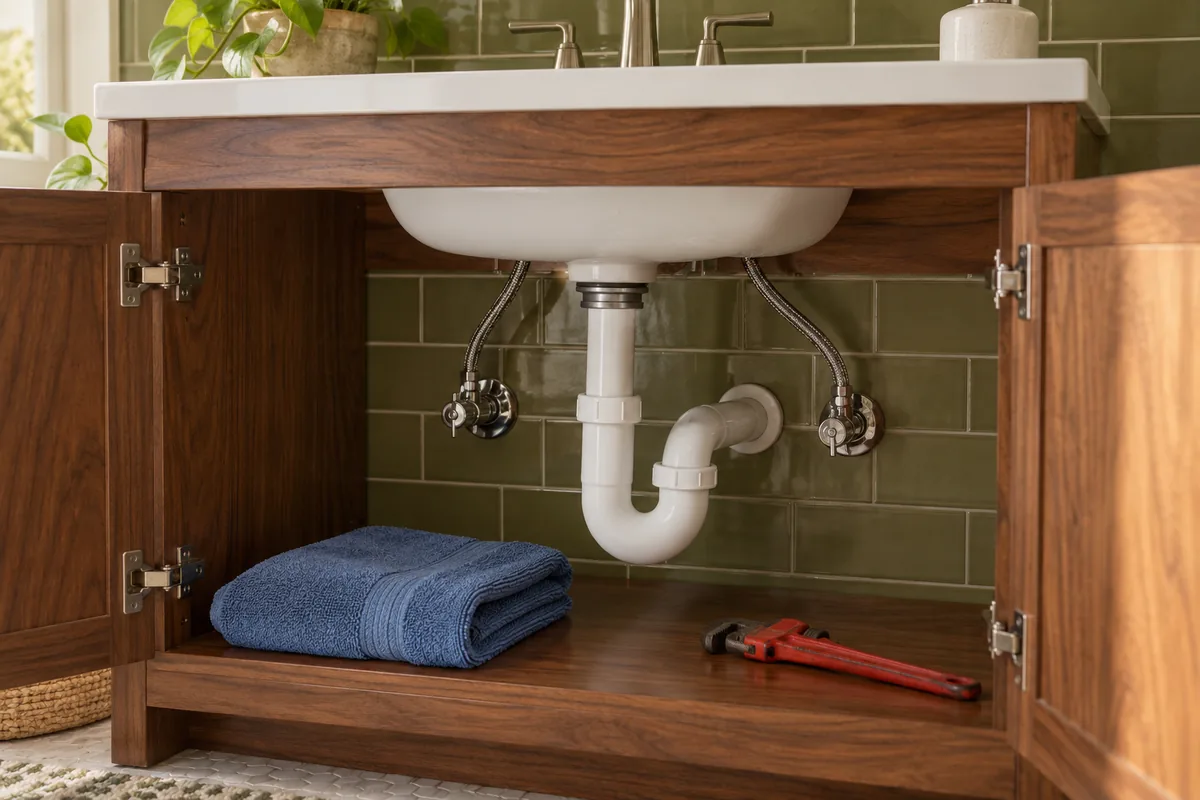
A faucet may let water pass through its spout with the handle in the off position. That flow can stay inside the sink. Water outside the fixture body, at supply connections or near the drain follows a different visible path.
Describe the first wet location and what became wet afterward. Water appearing above the counter before reaching the cabinet follows a different path from a drip first noticed at a connection below.
Include when the moisture appears during normal use. A drip between uses differs from water noticed while the sink empties. Timing gives useful context, but the source still needs review.
Slow Drainage and a Wet Cabinet
If the sink also drains slowly, include that as another symptom. Slow flow and a wet cabinet can occur together without proving a single cause. Explain when each happens and whether the pattern has changed.
If earlier service improved the drainage but the cabinet is still wet, report the remaining leak. Improving one symptom does not establish the source of another.
Faucet, Pipe and Pump Repair Options
Faucet repair in Milwaukie covers a defined fixture concern. The proposed task should follow the part and condition found. A wet base alone does not prove the same source as a drip from the spout.
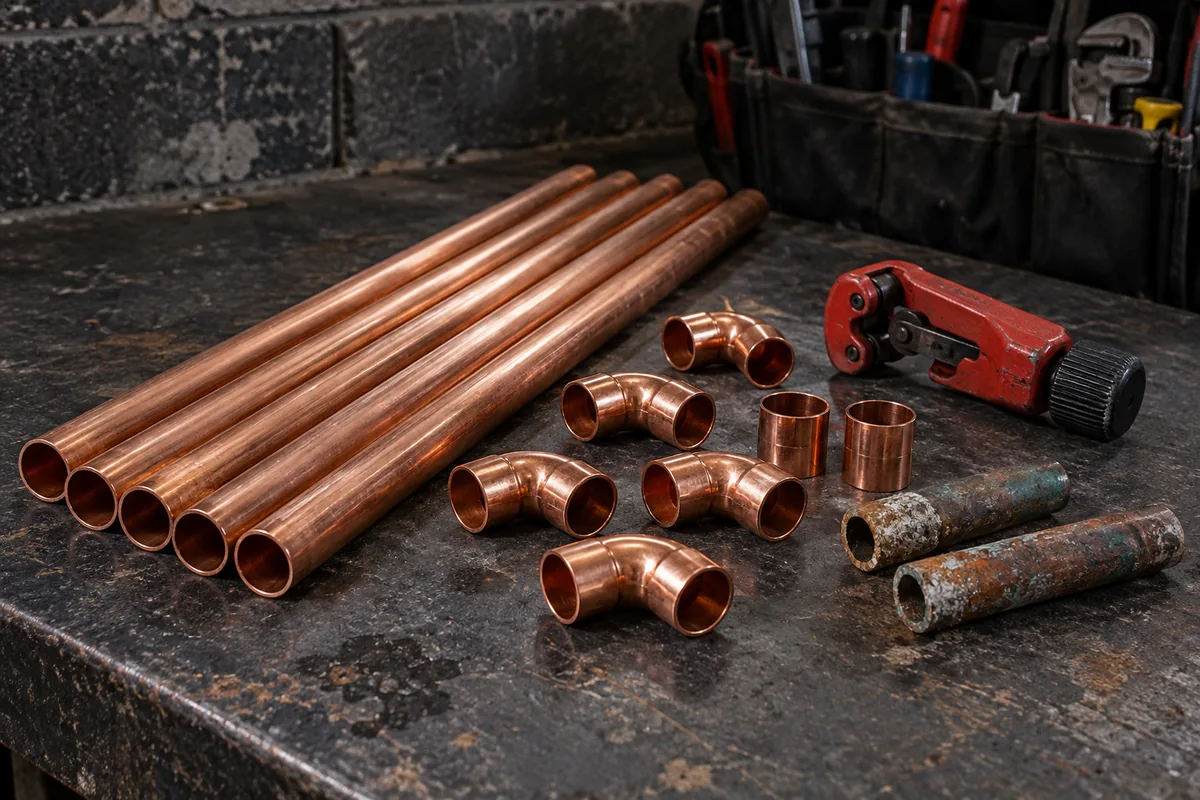
Pipe repair in Milwaukie addresses a supported piping issue. The proposal should identify the relevant section rather than treat every connection below the sink as a repair target. If the water concern involves an installed sump pump, describe its behavior when requesting sump pump repair.
Any added access needs its own explanation. Do not remove the handle, dismantle the fixture or open a concealed area to name the part before service. Known model details and visible symptoms are enough to begin the discussion.
Safe Preparation and Detection Results
Share known fixture details, recent connection changes and the result of earlier repairs. You can request an assessment without identifying a concealed part.
Do not run more water to demonstrate a leak into the cabinet. Use existing observations. If ordinary use makes the wet area larger, pause the fixture while arranging the assessment.
Keep people away from standing water and describe unsafe access from a dry place. Leave fittings intact. The planned work should account for the source question and the area that needs review.
Ask which symptoms the findings explain and what remains uncertain. Check separately whether cabinet or finish repairs are included.
Contact HVAC & Appliance Repair Guys to request leak detection in Milwaukie and describe water at the spout, faucet base or cabinet and when each area becomes wet.
Frequently Asked Questions
Can a dripping spout and a wet cabinet have different causes?
Yes. Describe both locations and their timing so the assessment can review the relationship.
Request Leak Detection in Milwaukie, OR
For leak detection in Milwaukie, OR, call HVAC & Appliance Repair Guys or submit a service request through the form on this page.