



Leak Detection in Tigard
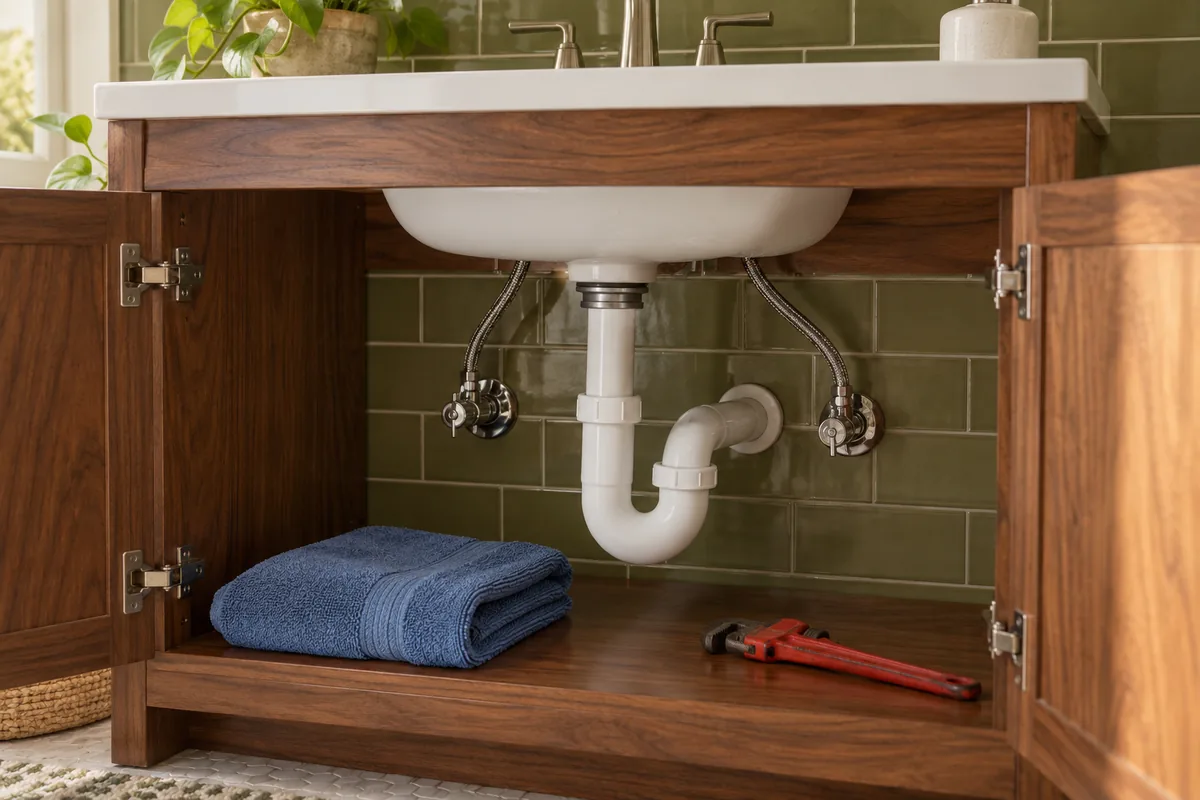
HVAC & Appliance Repair Guys provides leak detection in Tigard to identify the source of moisture before choosing a repair. Visible connection drips, wet cabinets and dampness behind finished surfaces can require different areas of investigation and levels of access.
Describe each wet location and when fresh water appears. We investigate whether the source is a fixture, connected piping or a concealed area needing further assessment.
A reachable connection can support a focused inspection. Concealed moisture may leave an unresolved source question; stain size alone cannot determine the needed repair.
Existing Access and Additional Opening Costs
An existing panel may provide access to some relevant plumbing. Share known entry points and concealed areas so the proposed investigation reflects its practical limits.
If an opening is needed, ask what it would help establish and its price. Additional access is not necessarily unlimited within a general detection charge.
Do not open surfaces or remove fixtures to supply missing information yourself. Share visible symptoms and known entry details. The assessment can then connect any further access to a defined area.
Repair Labor, Parts and Surface Restoration
Pipe repair in Tigard addresses a supported piping finding. Faucet repair in Tigard addresses a specific fixture concern. Detection should help explain which task fits the evidence.
A quote for investigation does not automatically include all repair labor or parts. Confirm which corrective work is included and approve any additional task before the work expands. If the concern involves an installed sump pump, discuss sump pump repair with the pump’s symptoms and access included in that separate scope.
Confirm whether the agreement includes closing any opening or restoring surrounding materials. Repairing the plumbing source does not by itself include work on walls, cabinets or floors.
Comparing Leak Detection Quotes
Compare quotes by the reported concern, areas inspected, access and included work as well as price. Two proposals using the same service name may cover different tasks.
An uncertain source may require another step after the first inspection. Ask what remains unresolved and what further work would help establish.
Preparing Observations for Leak Detection
Share timing, recent plumbing work and changes in normal use. Leave unknown pipe routes or materials open; those details are not prerequisites for requesting service.
Use records from the event you already observed. An initial discussion does not need another water release. Do not open a surface just to produce a more detailed quote.
Request leak detection in Tigard from HVAC & Appliance Repair Guys and describe the wet areas, timing and known access before comparing the investigation and repair scope.
Frequently Asked Questions
Can two detection quotes cover different areas?
Yes. Compare the stated concern, access limits and included tasks as well as the service name.
Does an investigation charge imply all repair work?
No. The scope should expressly describe any repair it includes.
Request Leak Detection in Tigard, OR
For leak detection in Tigard, OR, call HVAC & Appliance Repair Guys or submit a service request through the form on this page.