



Leak Detection in Woodburn
HVAC & Appliance Repair Guys provides leak detection in Woodburn to locate or narrow the source of unwanted water. The assessment connects visible signs with the relevant fixtures or piping so the next repair addresses a supported finding.
Report the wet location, timing and whether fresh water is still appearing. A dry stain, an intermittent drip and an active release give different starting points.
The Leak Source and Surrounding Surface Damage
Water can spread before reaching a visible surface. We investigate where it escapes, which may differ from the wall, floor or cabinet left wet afterward.
Correcting a plumbing source does not remove every mark on a finish at once. A remaining stain may show the earlier event. Fresh moisture afterward is a new observation with its own timing.
If the source remains uncertain, ask which area was inspected and what remains unresolved. A limited inspection cannot establish the condition of every concealed section.
Pipe Repair, Faucet Repair and Finish Restoration
Share previous repair dates and the work actually completed. An earlier proposal can provide context but does not establish that a part was replaced.
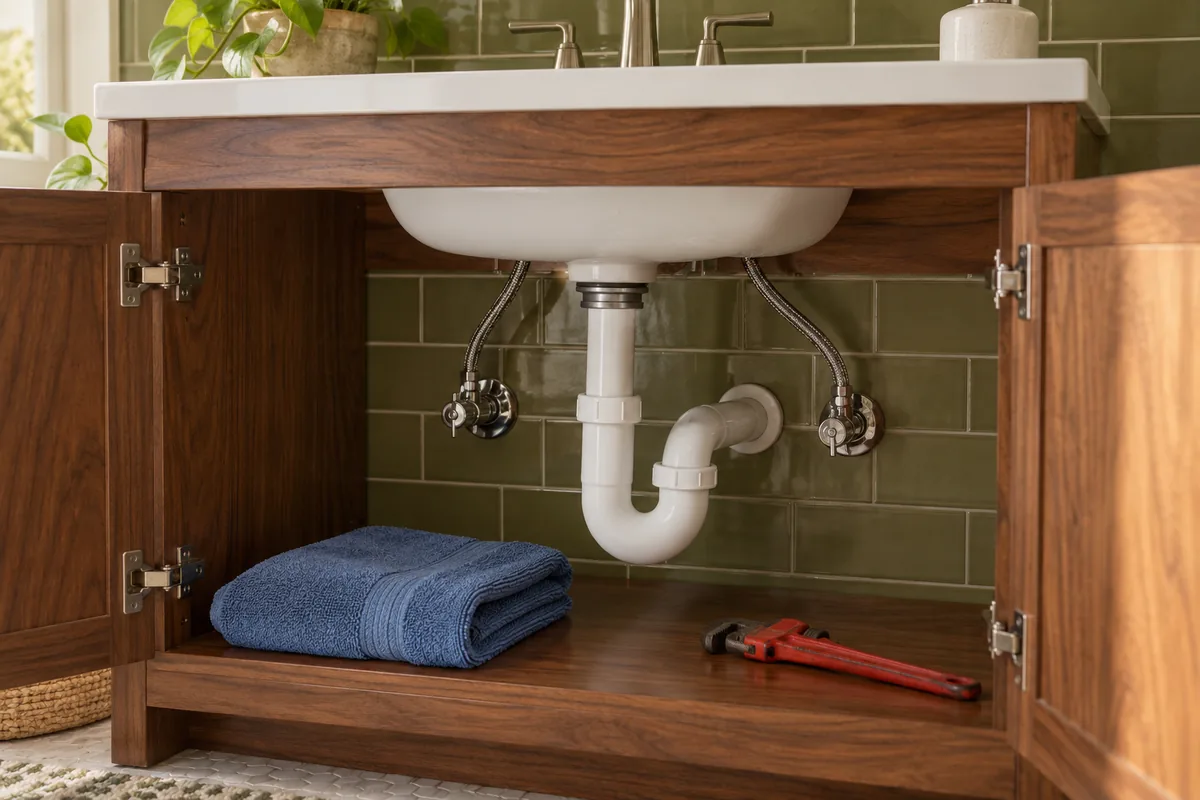
Pipe repair in Woodburn addresses a defined piping finding. Faucet repair in Woodburn addresses a specific fixture concern. Ask how the proposed task addresses the source found.
Check whether the agreement includes restoration of nearby walls, floors or cabinets. Repairing the source and restoring the finish are distinct tasks.
If Another Wet Area Appears
Describe the new location and timing before assuming the same source returned. A nearby spot may relate to the old concern or raise a separate question. The current evidence should determine that link.
Include how long the earlier area stayed dry and what was in normal use before the new moisture. Those details help compare events. They do not prove a failed component on their own.
Include later fixture or pipe changes in the history; an earlier finding may predate the current arrangement.
Safe Preparation for Leak Detection
Use the existing observations to request service without guessing at a hidden pipe route. Before further inspection, ask which source question it would help answer.
Use notes and photos from the events already observed. Do not cause another release to improve the record. If water makes access unsafe, describe the condition before entry and keep people out of the wet area.
Retain the findings, limits and completed repairs for comparison if moisture returns.
Contact HVAC & Appliance Repair Guys to request leak detection in Woodburn and describe the wet location, current moisture and any changes since earlier repairs.
Frequently Asked Questions
Does a new wet spot always relate to the earlier source?
No. Describe its location and timing. The relationship needs support from the assessment.
What can the assessment explain if the source is still uncertain?
We explain the area assessed, the findings and any access limits, along with what remains uncertain and what further assessment is proposed.
Request Leak Detection in Woodburn, OR
For leak detection in Woodburn, OR, call HVAC & Appliance Repair Guys or submit a service request through the form on this page.